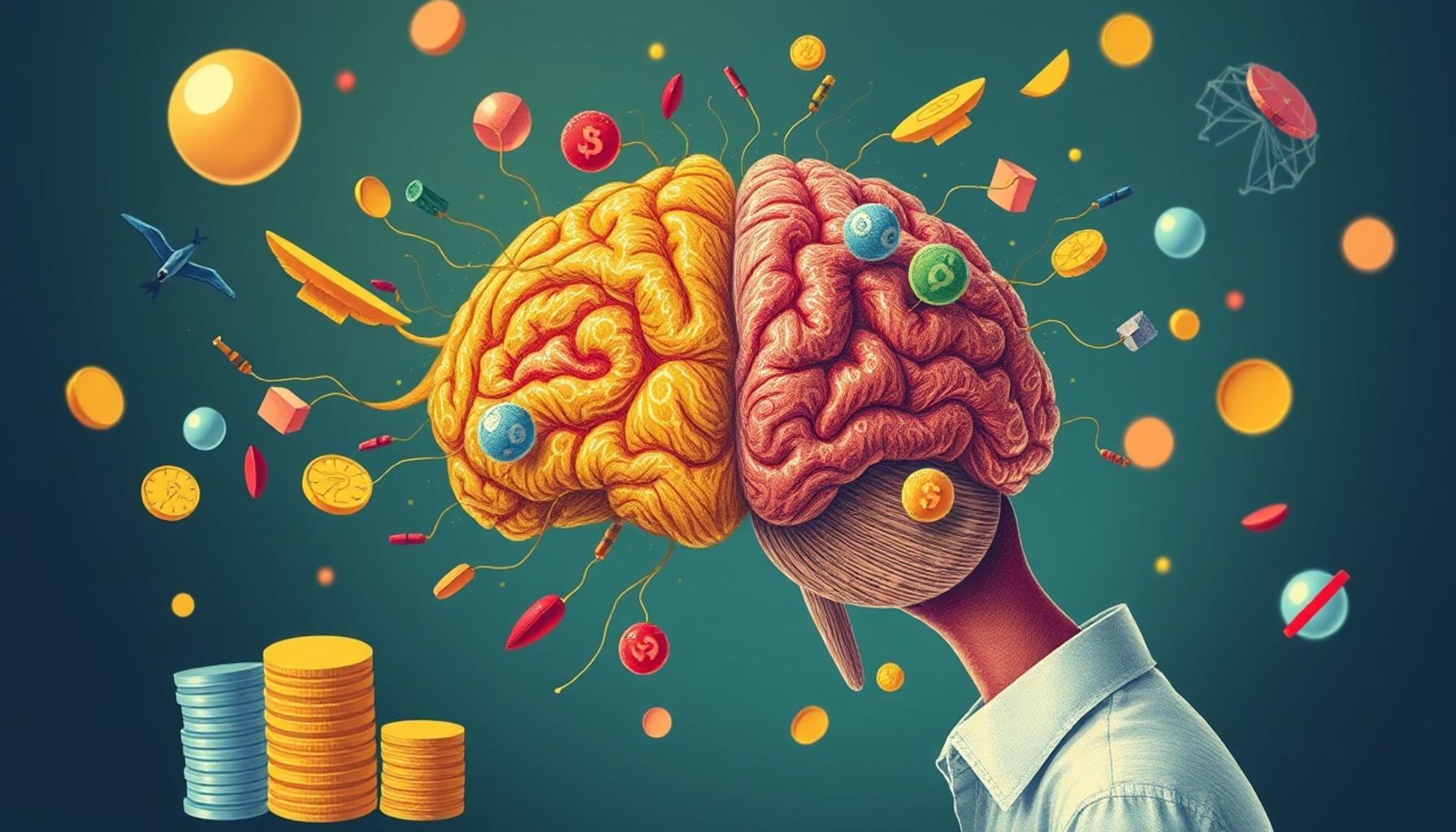
Puzzle Solving Strategies: Techniques to Increase Efficiency

The Art of Puzzle Solving
Puzzle solving is more than just a pastime; it’s an engaging intellectual exercise that can sharpen cognitive skills and enhance creativity. For enthusiasts, whether it’s the thrill of piecing together a jigsaw, the challenge of filling in a crossword grid, or the excitement of deciphering a riddle, each puzzle represents a unique adventure waiting to be explored. However, tackling these intricate tasks efficiently requires strategies that extend beyond sheer willpower; they demand an approach grounded in strategic thinking.
Implementing effective puzzle-solving strategies is essential for those looking to improve their performance. These techniques can serve as a toolkit for enhancing both speed and accuracy. Let’s delve into several key approaches that can make a noticeable difference:
- Breaking Down the Puzzle: One of the most effective techniques is to dissect the puzzle into manageable parts. For instance, in a complex jigsaw puzzle, start by sorting pieces by color or edge pieces. This can facilitate a quicker assembly.
- Identifying Patterns: Recognizing patterns is crucial in puzzles of all types. In crosswords, familiarizing yourself with common phrases or clues can save time. Similarly, in mathematical puzzles, recognizing numerical patterns can lead to faster solutions.
- Utilizing Visual Aids: Incorporating visual tools can greatly enhance understanding. For example, drawing diagrams or sketches to represent the information visually can simplify complex problems. Mind mapping can also help in organizing thoughts and identifying relationships between different puzzle elements.
These strategies are not just applicable to traditional puzzles; they can also be used in various problem-solving scenarios encountered in daily life, such as organizing schedules, planning projects, or troubleshooting technical issues. Employing a structured method can transform the experience from a frustrating chore into an engaging challenge.
In this exploration, we will uncover a spectrum of tips that cater to everyone, from beginners seeking foundational strategies to advanced enthusiasts aiming for masterpiece solutions. Each method offers an opportunity to not only enhance performance but also deepen your enjoyment of the puzzle-solving experience.
By harnessing these techniques, you can elevate your puzzle-solving skills and enrich your cognitive abilities. So, let’s dive deeper into this intriguing world and discover how such strategies can turn you into a proficient problem solver, ready to tackle any challenge that comes your way. With the right techniques, the sense of accomplishment and the thrill of discovery make the journey of puzzle-solving both quicker and more enjoyable than ever before.
Key Techniques for Effective Puzzle Solving
When it comes to enhancing your puzzle-solving efficiency, understanding and employing specific techniques can make all the difference. These methods are not solely geared towards accomplished puzzlers; they are beneficial for anyone who wishes to improve their problem-solving skills. Here, we explore a variety of strategies designed to optimize your approach and cut down the time spent wrestling with challenges.
1. Setting a Clear Strategy
Before diving into a puzzle, taking a moment to develop a clear strategy is essential. This could involve reviewing the puzzle as a whole and formulating a plan for how to tackle it. For example, in a challenging sudoku puzzle, familiarize yourself with the rules first and the layout of the grid. By outlining an efficient method such as filling in obvious spaces before tackling difficult areas, you create a roadmap that guides your steps, reducing confusion and enhancing performance.
2. Time Management Techniques
Time management can significantly influence puzzle-solving efficiency. One proven approach is employing the Pomodoro Technique—a method that encourages focused bursts of work followed by short breaks. For instance, dedicate 25 minutes solely to the puzzle, and then take a 5-minute break. This practice not only boosts concentration but also prevents burnout, allowing your mind to refresh before tackling further challenges.
3. Practice with Purpose
As with any skill, deliberate practice is key to improvement. However, it’s vital to practice with a purpose. Identify your weak points and focus on puzzles that target them. If crosswords are challenging due to obscure vocabulary, dedicate some time to word puzzles or play vocabulary-enhancing games. Websites offering daily puzzles tailored to skill levels can be invaluable resources for building proficiency and confidence in a methodical way.
4. The Power of Collaboration
Teamwork can amplify your puzzle-solving capabilities. In a collaborative environment, you have the advantage of diverse perspectives that can lead to faster resolutions. Consider participating in puzzle clubs or online forums where individuals share tips and strategies. Engaging with a community of puzzlers can also introduce you to new techniques and methodologies you may have never encountered before. The importance of exchanging ideas in such environments cannot be overstated, as it fosters a culture of collective growth and learning.
5. Review and Reflect
After completing a puzzle, take time to review your solving process. Reflect on what strategies worked and which techniques might need tweaking. This reflective practice is often overlooked but can be incredibly enlightening. By analyzing completed puzzles, not only do you solidify your learning, but you also prepare yourself for future challenges with newfound insights into your problem-solving style.
Incorporating these practical techniques into your puzzle-solving routine can undoubtedly lead to increased efficiency. Each method paves the way for a better understanding of not just the puzzles themselves, but of your own cognitive processes. As you continue to explore the worlds of jigsaws, crosswords, and riddles, remember that becoming an adept problem solver is a journey—one that requires both patience and practice.
| Strategy Type | Description |
|---|---|
| Heuristic Techniques | Methods to simplify decision making by reducing the cognitive load. |
| Adaptive Thinking | Adjusting problem-solving approaches based on new information to increase adaptability. |
| Visual Problem Solving | Using diagrams and mind maps to visualize stages of the puzzle for clearer understanding. |
| Collaboration | Working with peers to exchange strategies and approaches, thereby enhancing creative solutions. |
Employing heuristic techniques allows individuals to tackle complex puzzles by breaking them down into manageable parts. This significantly reduces cognitive overload, thus enabling a more focused approach. Adaptive thinking is vital, as it encourages flexibility; by adjusting one’s strategy as new insights or challenges emerge, problem solvers find increased efficiency in reaching solutions.Another effective method is visual problem solving, which leverages diagrams or mind maps to create a visual representation of problems. This technique has proven beneficial in simplifying data-rich scenarios, often leading to clearer and more innovative solutions. Finally, collaboration brings different perspectives together. By sharing ideas and strategies with peers, individuals can unlock new pathways to success that may not be evident when working alone. Embracing these strategies can significantly enhance one’s puzzle-solving capabilities, making the process both enjoyable and efficient.
Advanced Techniques for Puzzle Solving Efficiency
Once you have grasped the fundamental techniques for puzzle solving, elevating your skills further requires exploring more advanced strategies. These methods not only aid in tackling traditional puzzles but also encourage an adaptive mindset that can be applied to a range of problem-solving scenarios. Dive into the following strategies to unlock new levels of efficiency and creativity.
6. Visual Representation and Mapping
One effective way to enhance your puzzle-solving efficiency is through visual representation, which can involve creating diagrams, mind maps, or even simple sketches of your thoughts. Visuals can help catalog information and ideas, especially in complex puzzles like logic grids or scenarios where numerous components interact. Utilizing a whiteboard or note paper can help clarify relationships between puzzle elements, making it easier to reorganize thoughts and spot connections that may not be obvious initially.
7. Pattern Recognition
Many puzzles recur in recognizable patterns, whether it’s the sequences in number puzzles, the placement of words in crosswords, or the arrangement of pieces in jigsaws. Paying attention to these patterns enables more efficient solving. Practice identifying common sequences, motifs, or themes in the puzzles you frequently encounter. For instance, if you often work with crossword puzzles, notice how specific clues are structured or categorized—understanding these patterns can lead to faster solutions and fewer missteps.
8. Break Down Complex Problems
Large puzzles or intricate problems can be intimidating at first glance. To combat this, try breaking them down into smaller, manageable parts or segments. This technique, known as decomposition, allows you to isolate sections of the puzzle to focus on one aspect at a time. Whether it’s breaking a large jigsaw into corner pieces and edges first or separating sections of a crossword by topics (like geography or pop culture), this strategy can significantly streamline the solving process.
9. Utilizing Technology
In our digital age, embracing technology is a powerful way to boost puzzle-solving efficiency. There are myriad apps and online platforms dedicated to puzzles of all kinds—ranging from sudoku solvers to crossword assist tools. These resources can provide hints, explanations, and tips that would take significantly longer to deduce on your own. Additionally, many platforms incorporate social features allowing users to share their solutions and techniques, which can help you uncover shortcuts or alternative methods.
10. Emphasizing Mental Agility and Mindfulness
Puzzle-solving is as much a mental exercise as it is a cognitive one, and fostering mental agility plays a crucial role in driving efficiency. Engage in activities that sharpen your focus, such as meditation or mindfulness exercises. These practices can help improve your concentration and reduce anxiety while solving puzzles. A calm and present mind is more likely to recognize subtle clues and anticipate patterns, enhancing your overall performance.
By integrating these advanced techniques into your puzzle-solving routine, you not only bolster your efficiency but also expand your cognitive toolkit. Combining visual aids, recognizing patterns, and leveraging modern technology sets a solid foundation for tackling any puzzle with greater confidence and success. In the world of puzzles, patience combined with these strategies will allow you to transcend your previous limitations and uncover the joy hidden within each challenge.
Conclusion: Enhancing Your Puzzle Solving Journey
In navigating the intricate world of puzzles, the integration of strategic techniques is vital for those seeking to enhance their efficiency and enjoyment. By embracing visual representation, you can clarify complex relationships within puzzles, while developing an eye for pattern recognition can considerably speed up your solving approach. Remember that dismantling intricate challenges through decomposition allows for a more manageable tackling of each segment, ensuring you make steady progress.
Moreover, the utilization of technology brings a plethora of resources to your fingertips—transforming the traditional puzzle experience into one that adapts seamlessly to today’s digital landscape. Engaging with apps and platforms can not only provide you with guidance but also foster connections with a community of fellow enthusiasts eager to share insights and methods. Lastly, nurturing mental agility through mindfulness practices can significantly enhance your focus and creativity, allowing you to approach each puzzle with a fresh perspective.
As you incorporate these dynamic strategies into your puzzle-solving toolkit, you will discover that efficiency and creativity walk hand in hand. The challenges you encounter will become stepping stones toward mastering both the puzzles and the cognitive skills they sharpen. So dive in, explore new techniques, and allow your puzzle-solving journey to flourish as you uncover the joy that lies between the pieces of every challenge.