The Psychology Behind Puzzles: How They Stimulate the Brain and Improve Concentration
The Cognitive Power of Puzzles
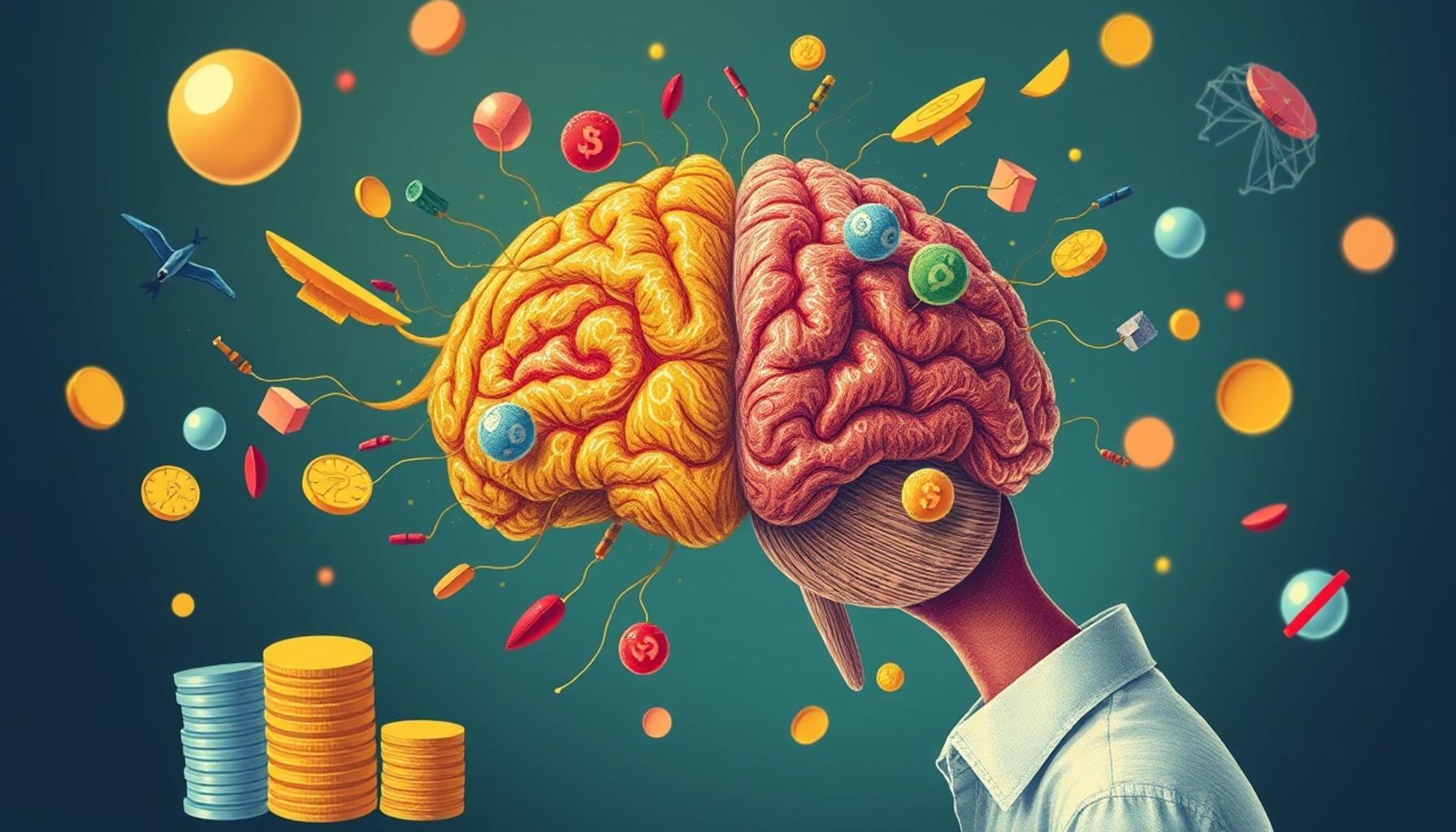
Puzzles have captivated the human mind for centuries, evolving from ancient riddles to modern-day brainteasers. They serve not merely as a source of entertainment, but also as a powerful tool for mental stimulation. Engaging with puzzles can unlock cognitive abilities and enhance various mental faculties, making this activity both enjoyable and beneficial for our brains.
Research conducted by cognitive scientists has illuminated many cognitive advantages associated with puzzle-solving activities. Here are some key points to consider:
- Enhancement of problem-solving skills: Tackling complex puzzles, such as logic games or advanced sudoku challenges, encourages creative thinking and boosts analytical capabilities. For instance, studying how to arrange pieces in a jigsaw puzzle requires foresight and strategy, skills that are transferable to real-life problem-solving situations.
- Improved memory: Engaging with puzzles often requires players to remember patterns, sequences, and strategies. Activities like crossword puzzles enhance vocabulary recall, while tile-matching games may strengthen visual memory. Research shows that regular puzzle engagement can even delay the onset of age-related memory decline.
- Increased concentration: Focusing intensely on a puzzle trains the brain, improving our capacity for attention and focus. This heightened concentration can overflow into daily life, as individuals become more adept at managing distractions and maintaining persistent effort on tasks.
Puzzles aren’t a one-size-fits-all endeavor; they encompass a fascinating breadth of options. From classic crosswords and sudoku to intricately designed jigsaw challenges and unique escape room scenarios, each type of puzzle provides different challenges and cognitive workouts. For example, crosswords enhance verbal skills, while 3D puzzles can boost spatial reasoning abilities.
Dive deeper into the psychology of puzzles, and you’ll discover intriguing insights about how our brains process and solve challenges. Cognitive psychology suggests that engaging in puzzles not only sharpens the mind but also fosters a sense of accomplishment that can improve overall mood and emotional well-being.
Moreover, intriguing studies have shown that groups working together to solve puzzles exhibit improved teamwork and communication skills. For example, participating in group puzzle-solving activities, such as team-building exercises in corporate environments, can forge stronger interpersonal bonds and enhance collaborative skills.
With such a profound relationship between puzzles and cognitive functions, there’s a wealth of opportunity to explore how these engaging activities can unlock your true mental potential. Consider incorporating puzzles into your daily routine as a fun way to exercise your mind while enjoying the process. Whether you challenge yourself solo or collaborate with friends, the benefits can pave the way to a sharper, more agile brain.
The Mechanics of Mental Engagement
To grasp the psychological impact of puzzles on our brains, it’s essential to understand the underlying mechanics of mental engagement. When confronted with a puzzle, the brain shifts into a mode of exploration and problem-solving. This engagement activates multiple regions within our brain, such as the frontal lobe—which governs decision-making and cognitive control—and the parietal lobe, responsible for spatial awareness and sensory integration. Research indicates that the more complex the puzzle, the greater the activation across these regions, boosting overall cognitive function.
What’s particularly fascinating is how the brain pathways adapt as we work through puzzles. When we solve a challenging Sudoku or maneuver through a digital maze, the brain forms new neural connections. This process, known as neuroplasticity, is vital for cognitive growth and is a reminder that our brains are not static but capable of evolving throughout our lifetime. Regular engagement in puzzles can fortify these neural pathways, promoting better processing speed and enhancing cognitive flexibility.
The mental processes involved in puzzle-solving can be classified into various stages:
- Perception: The initial stage in which we visually or textually interpret clues or pieces.
- Analysis: This includes breaking down the problem into manageable components, identifying relationships, and recognizing patterns.
- Execution: The phase where strategies are devised and implemented to arrive at the solution.
- Reflection: After completion, reflecting on the methods used provides insights into problem-solving techniques and reinforces learning.
This structured approach not only sharpens cognitive skills but also enhances our capacity for concentration. Sustained attention on a complex task like a crossword puzzle compels us to limit distractions and immerse ourselves fully in the task at hand. Consequently, individuals who regularly engage in puzzle-solving activities report a significant increase in their ability to concentrate in other areas of life, including work and personal projects.
Moreover, the satisfaction derived from solving a puzzle can lead to the release of dopamine, a neurotransmitter linked to feelings of pleasure and motivation. This reward response reinforces the behavior, encouraging individuals to seek challenges in the future, further enhancing their cognitive resilience and problem-solving capabilities.
Indeed, the psychological benefits of puzzles extend beyond mere brain exercises. Engaging in this form of mental activity can significantly improve emotional regulation and instill a sense of achievement, contributing positively to overall mental health. This aspect highlights the importance of incorporating puzzles not just for fun but as valuable instruments of mental health maintenance.
In the context of today’s fast-paced world, where distractions proliferate and attention spans diminish, puzzles serve as an antidote. They create a focused environment that not only challenges our thinking but simultaneously strengthens our mental capacities. By understanding the psychology behind puzzles, we can truly appreciate how trivial enticements transform into profound tools for cognitive enrichment.
The Link Between Puzzles and Cognitive Function
Puzzles are not merely a pastime; they are a powerful tool for enhancing cognitive function. Engaging with puzzles requires the brain to utilize various mental skills, such as memory, problem-solving, and critical thinking. This engagement increases neuroplasticity, the brain’s ability to adapt and reorganize itself, which is crucial as we age. Scientific studies indicate that individuals who regularly partake in puzzles show signs of improved mental agility compared to those who don’t engage in similar activities. Furthermore, puzzles can significantly impact concentration. When immersed in solving a puzzle, an individual is often fully present and focused on the task at hand, effectively training their attention span. The pursuit of a solution fosters a meditative state, allowing distractions to fade away. This temporary escapism promotes a flow state, a psychological condition that enhances productivity and creativity.
Types of Puzzles and Their Unique Benefits
Different types of puzzles, such as crosswords, Sudoku, and jigsaw puzzles, each offer unique benefits tailored to various aspects of cognitive development. For example, crossword puzzles enhance vocabulary and verbal skills, while Sudoku challenges numerical reasoning and logical thinking. Jigsaw puzzles, on the other hand, improve visual-spatial reasoning and hand-eye coordination. Each type is a gateway to strengthening a different facet of brain activity, making puzzle-solving a versatile method of brain training. Additionally, the social element of collaborative puzzle-solving can elevate its effects. Working with others on a puzzle facilitates communication, teamwork, and shared cognitive effort, which can stimulate the brain in diverse ways, forging new neural connections and enhancing overall brain health.As new research emerges, the intricate relationship between puzzles and brain function becomes increasingly evident, revealing the depth of their impact on our lives. Exploring puzzles more deeply unveils a vast world of opportunity for stimulating the mind and honing concentration skills, paving the way for greater cognitive longevity.
The Emotional and Social Dimensions of Puzzle-Solving
In addition to fostering mental engagement and enhancing concentration, puzzles also play a significant role in our emotional well-being and social interactions. Completing a puzzle can evoke feelings of happiness and satisfaction that stem from overcoming obstacles. This intrinsic motivation not only helps to boost self-esteem but also reinforces a positive mood, which is essential for mental health. The act of engaging with puzzles releases endorphins, the body’s natural feel-good chemicals. These neurochemicals create a sense of euphoria, making the sometimes frustrating task of puzzle-solving rewarding.
Moreover, puzzles can serve as powerful tools for social bonding. They provide an opportunity for individuals to collaborate and communicate, fostering teamwork and enhancing interpersonal relationships. For instance, family game nights often include puzzles, transforming solitary activities into shared experiences. This collaborative aspect encourages bonding through shared challenges and collective victories, which can be especially beneficial in family dynamics and friendships. When friends or relatives work together on a difficult jigsaw puzzle or a challenging escape room, they build emotional connections that can lead to increased trust and improved communication.
Research conducted by psychologists has shown that collaborative puzzle-solving not only reinforces relationships but can also lead to improved problem-solving skills. Participants have reported greater satisfaction from group puzzles, suggesting that the social aspect may enhance motivation and engagement levels compared to solitary puzzle-solving. This phenomenon can be seen in various settings, from classrooms to workplaces where team-building exercises often incorporate problems and puzzles to stimulate collaborative thinking.
In recent years, the rise of digital puzzles has further transformed how we engage with these cognitive challenges. Mobile apps and online gaming platforms present opportunities for puzzle enthusiasts to connect with others globally. Players can challenge one another to complete puzzles under time constraints, adding a competitive edge that can motivate participants to elevate their cognitive performance. These digital platforms do not only enhance individual skills but also cultivate community and collective achievement, keeping the human connection front and center—even in a virtual environment.
Interestingly, the demographic appeal of puzzles extends across age groups. Younger generations are drawn to digital formats, while older individuals often lean towards traditional jigsaw puzzles or crosswords. This cross-generational attraction underscores the universal appeal of puzzles as a means of enhancing cognitive faculties and supporting emotional health. In particular, older adults who regularly engage in puzzles are often found to experience slower cognitive decline, highlighting puzzle-solving’s potential as a protective factor against conditions such as dementia and Alzheimer’s disease.
Puzzles also provide a practical outlet for stress relief. In moments of anxiety, immersing oneself in a puzzle can serve as a form of mindfulness—offering a mental escape and anchoring attention back into the present moment. This practice of focusing solely on the puzzle components acts as a mental reset, demonstrating how puzzles incorporate aspects of cognitive behavioral therapy into their very fabric. Thus, puzzles not only challenge the brain but also serve as invaluable tools for enhancing emotional regulation and promoting mental fortitude.
These multifaceted benefits illustrate that puzzles are much more than just leisurely distractions; they are powerful instruments for enriching our cognitive skills, fostering social connections, and enhancing emotional resilience. Engaging with puzzles allows us to delve deeper into the intricate workings of our minds while simultaneously building connections with others, making them essential components of a well-balanced lifestyle.
Conclusion
As we have explored, the intricate world of puzzles goes beyond mere entertainment; it encapsulates a profound interplay between cognitive stimulation, emotional well-being, and social engagement. Engaging with puzzles offers a unique way to enhance our brain’s capability to concentrate and solve problems, effectively sharpening our mental faculties. The benefits encompass a spectrum—from neurochemical boosts that elevate mood to the social bonds forged through teamwork during collaborative puzzle-solving sessions. Such interactions not only enrich our personal experiences but also cultivate essential life skills that extend into various spheres of our lives.
The broad demographic appeal of puzzles reveals their intrinsic value across ages, appealing to both young digital natives and older generations who appreciate traditional formats. Particularly intriguing is the evidence suggesting that maintaining an active mental engagement through puzzles may act as a protective shield against cognitive decline in aging populations, including challenges such as dementia and Alzheimer’s disease. Further, in an era where stress levels are often heightened, the therapeutic aspect of puzzles as a tool for mindfulness and stress relief cannot be overlooked.
In essence, the psychological benefits of puzzles underscore their role as vital, multi-functional tools that enrich our mental landscapes and enhance our connections with others. Whether as a solitary challenge or a shared endeavor, puzzles serve as gateways to improved concentration, emotional resilience, and social interaction. As we continue to uncover the psychology behind puzzles, it becomes increasingly evident that these seemingly simple challenges have significant implications for our cognitive health and interpersonal relationships. So the next time you engage with a puzzle, remember, you are not just piecing together a picture, but actively participating in a complex dance of cognitive enhancement and human connection.