Menu

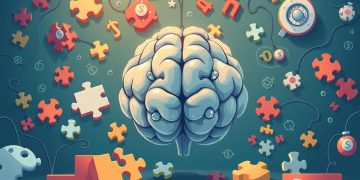
The Science Behind Brain Games: How Puzzles Improve Cognitive Function

The article explores how brain games enhance cognitive function, improving memory, problem-solving skills, and attention span. These engaging puzzles leverage neuroplasticity, stimulating key brain areas for lifelong mental wellness. Incorporating brain games into daily routines not only boosts cognitive health but also fosters social interaction and emotional well-being.

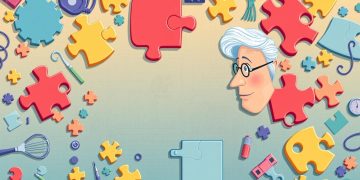
The Impact of Age on Puzzle-Solving Skills: Adapting Brain Challenges for All Generations

Explore how age influences puzzle-solving skills, highlighting the cognitive strengths and weaknesses of different generations. By adapting brain challenges for all ages, we can foster inclusive experiences that enhance cognitive engagement, promote social interaction, and encourage lifelong learning in problem-solving across diverse age groups.

Gamification in Education: Using Mind Games to Foster Learning and Critical Thinking

Gamification in education leverages game design elements to boost student engagement and foster critical thinking. This innovative approach transforms learning into interactive challenges, promoting collaboration, problem-solving, and emotional intelligence. By incorporating mind games, educators create dynamic environments that prepare students for real-world challenges and enhance their learning experiences.

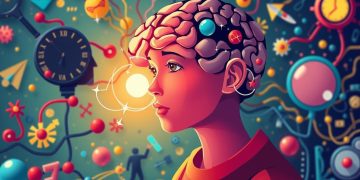
Neuroscience of Play: How Brain Challenges Enhance Neuroplasticity

Play significantly enhances neuroplasticity, the brain's ability to reorganize and form new connections. Engaging in playful activities, from strategic games to physical challenges, boosts cognitive development and emotional resilience. Embracing diverse forms of play fosters creativity, teamwork, and lifelong learning, essential for mental well-being at any age.

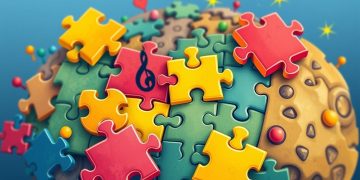
Exploring the Connection Between Music and Puzzles: How Melodic Patterns Enhance Cognitive Skills

This exploration delves into the connection between music and puzzles, highlighting how melodic patterns enhance cognitive skills like memory, spatial awareness, and problem-solving. Engaging with both activities fosters creativity, focus, and emotional motivation, unlocking potential benefits for personal development and learning experiences.

The Role of Brain Challenges in Mental Health: Boosting Mood and Reducing Stress

Engaging in brain challenges, such as puzzles and strategy games, significantly enhances mental health by boosting mood and reducing stress. These activities foster cognitive stimulation, improve emotional regulation, and promote social interaction, ultimately leading to greater resilience and overall well-being in today's fast-paced world.

The Intersection of Art and Puzzles: Creative Approaches to Brain Challenges

Discover the intriguing synergy between art and puzzles, where creative expression enhances cognitive skills and problem-solving. This intersection offers therapeutic benefits and innovative designs, from traditional jigsaw puzzles to augmented reality experiences, fostering imagination and deeper appreciation for both art and brain challenges. Explore the fusion of creativity and intellect.

Virtual Reality in Mind Games: Immersive Experiences for Cognitive Training

Virtual reality is revolutionizing cognitive training by offering immersive experiences that enhance engagement and skill development. By utilizing dynamic environments and real-time feedback, VR mind games facilitate personalized challenges and promote neuroplasticity, making them powerful tools for educators and therapists in enhancing cognitive abilities and mental wellness.

The Role of Brain Challenges in Developing Emotional Intelligence: Mind Games for Self-Awareness and Empathy

Brain challenges significantly enhance emotional intelligence by fostering self-awareness and empathy. Engaging in mind games promotes cognitive flexibility, emotional regulation, and social skills, enabling individuals to navigate their emotions and understand others better. This combination of cognitive engagement and emotional growth leads to stronger interpersonal relationships and personal development.

Social Interaction in Puzzle Solving: Building Connections Through Collaborative Challenges

Collaborative puzzle solving enhances social interaction by fostering teamwork, communication, and emotional bonds. Engaging in shared challenges cultivates trust and empathy, while diverse perspectives lead to innovative problem-solving. These activities promote community building, encouraging lasting connections and enriching relationships through fun, engaging experiences.