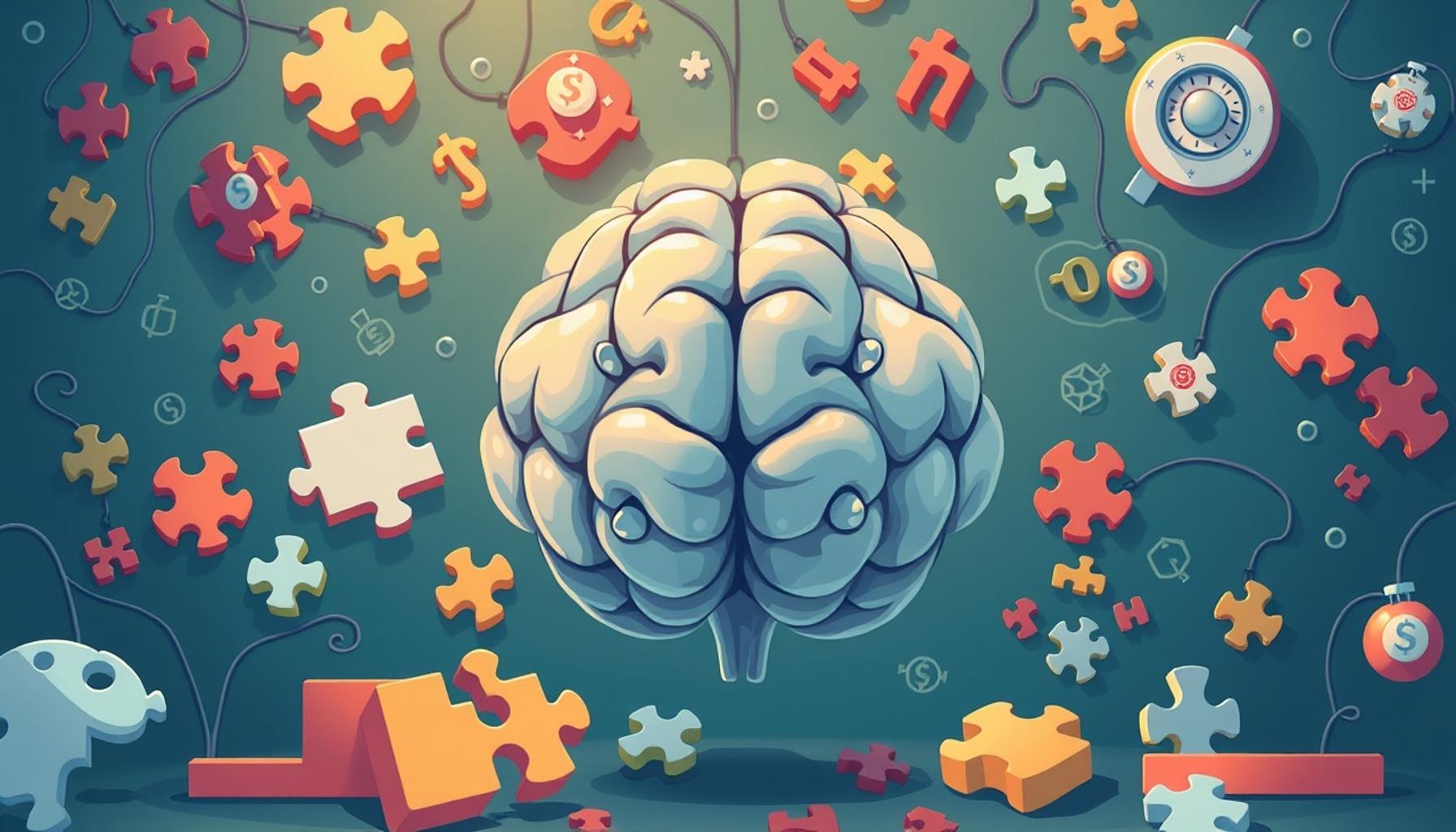
Neuroscience of Play: How Brain Challenges Enhance Neuroplasticity
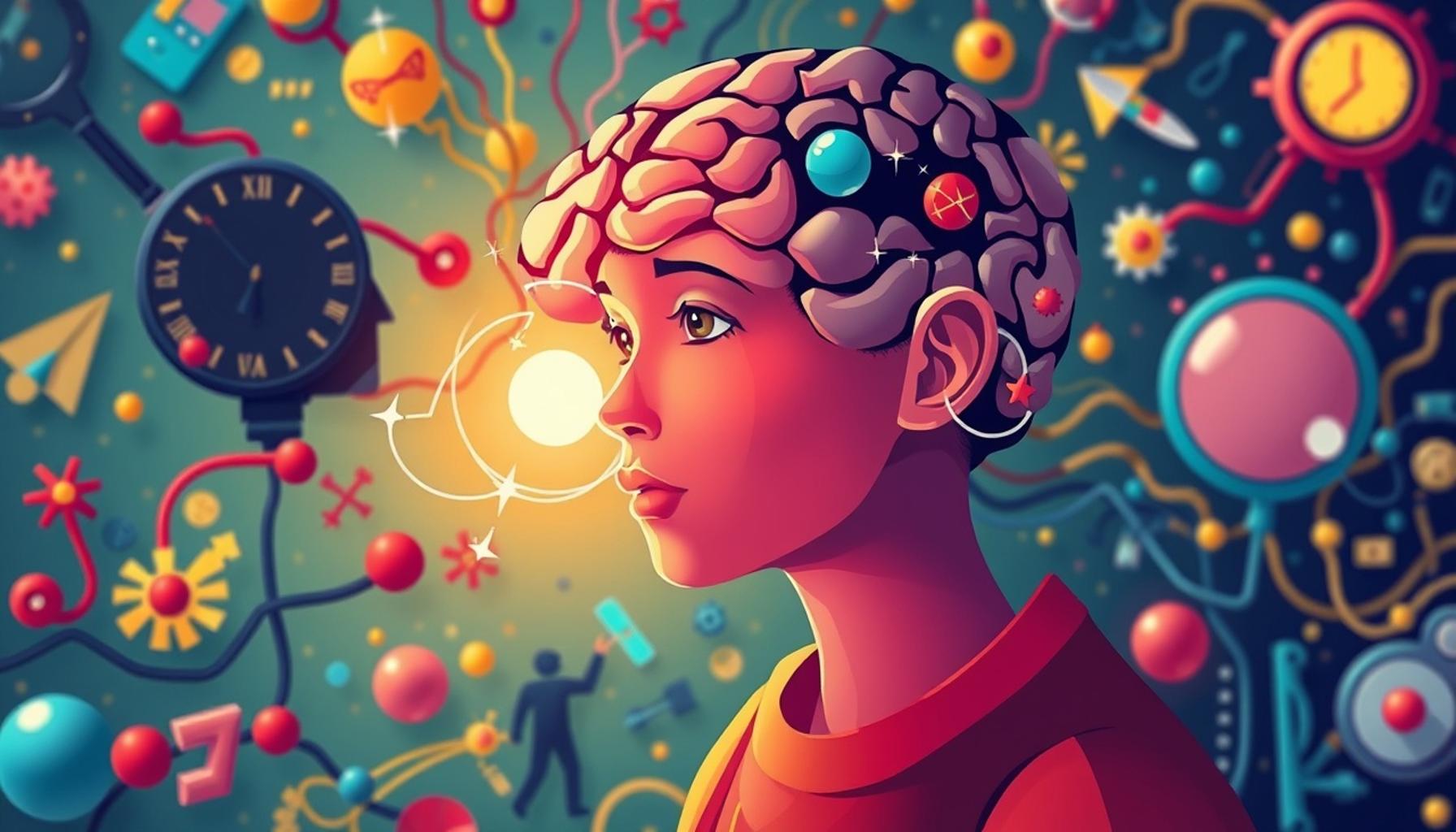
The Transformative Benefits of Play
In contemporary society, where responsibilities and stress levels are at an all-time high, the significance of playful engagement is frequently sidelined. However, recent research has shed light on the profound impact of play on our brains, particularly regarding neuroplasticity—the brain’s remarkable ability to reorganize itself by forming new neural connections throughout life. This intricate bond between playful activities and cognitive growth reveals a multitude of opportunities for personal development, emotional well-being, and comprehensive mental health practices.
Neuroscience Insights
Delving into the science, studies demonstrate that playing games, whether they’re video games or traditional board games, actively stimulate various brain regions. For instance, engaging in strategic games like chess requires extensive planning, foresight, and adaptability, all of which promote critical thinking and elevation of cognitive functions. Researchers have found that such games not only activate the prefrontal cortex, responsible for decision-making, but also strengthen connections in the hippocampus, a region essential for memory formation.
Fun and Learning
Moreover, playful experiences are inherently linked to joy and excitement, making learning more engaging and effective. When children, as well as adults, partake in activities that are enjoyable and challenging, they tend to develop crucial problem-solving skills and emotional resilience. For example, art projects can teach patience and fine motor skills, while surprising challenges in improv theater foster spontaneous thinking and collaboration. Recent studies indicate that individuals who frequently engage in playful behaviors exhibit higher levels of creativity, which can translate into improved performance at work and in personal endeavors.
Age is Just a Number
One common misconception is that neuroplasticity is predominantly a feature of childhood; however, this is far from the truth. Adult brains can also forge new pathways through playful engagement. Activities such as learning a musical instrument, taking improv classes, or even participating in group dance sessions can trigger neuroplasticity in individuals of any age. Embracing such forms of play can lead to enhanced cognitive flexibility and emotional stability, demonstrating that it’s never too late to harness the power of play.
To further explore the types of playful pursuits that facilitate this brain-enhancing process, consider activities that blend strategy, creativity, and kinesthetic engagement:
- Strategic board games: Engage your mind with games like Settlers of Catan or Risk, which involve planning, negotiation, and critical decision-making.
- Creative arts and crafts: Get hands-on with painting, sculpting, or DIY projects that allow for imaginative expression.
- Team sports: Engage in activities such as soccer or basketball that require teamwork, quick thinking, and physical coordination, all of which foster quick decision-making skills.
Understanding how these stimulating challenges contribute to neuroplasticity not only enriches our collective understanding of human cognition but also underlines the necessity of integrating more play into our everyday lives. As we further explore the intriguing relationship between play and brain function, it becomes clear that the benefits extend far beyond mere amusement. Incorporating playful activities can lead to a healthier, more dynamic life, making play an indispensable part of our routine.
Fueling Neuroplasticity Through Playful Challenges
As we peel back the layers of the neuroscience of play, it becomes evident that the act of engaging in playful challenges is not merely a leisure activity but a vital exercise for our brains. Neuroscientific studies consistently highlight the remarkable adaptability of the brain, known as neuroplasticity, which is enhanced significantly through the stimulation of playful activities. This adaptability enables the brain to form new neural connections and pathways, ultimately supporting enhanced learning, memory, and emotional resilience.
The Role of Dopamine in Play
Cognitive scientists are increasingly exploring the connection between play and neurotransmitter activity, particularly the role of dopamine. This “feel-good” chemical is released during enjoyable activities, reinforcing the behavior and encouraging further engagement. When we participate in games or playful challenges, our brains release dopamine in response to excitement and achievement, creating a positive feedback loop. This mechanism not only increases the likelihood of engaging in similar activities again but also promotes neuroplastic changes that can improve cognitive function over time.
Dual Benefits of Physical and Mental Play
Moreover, the intertwining of physical and mental activities further stimulates brain growth. Engaging in physical play—such as sporting activities or dance—requires coordination, spatial awareness, and teamwork, which stimulate various parts of the brain. For instance, a recent study from the University of California reveals that regular participation in team sports can improve executive functions like problem-solving and impulse control in both children and adults. These activities engage the motor cortex, cerebellum, and other critical areas, demonstrating that the dual benefits of physical activity combined with mental engagement lead to robust neuroplasticity.
Effective Play Strategies
The key lies in choosing the right types of play that challenge the mind while also providing enjoyment. Here are some effective strategies to incorporate into your daily routine:
- Puzzle Games: Engage in jigsaw puzzles, Sudoku, or crossword puzzles that promote critical thinking and pattern recognition.
- Role-Playing Games: Explore imaginative scenarios through role-playing games (RPGs), which encourage creativity, strategic thinking, and collaborative problem-solving.
- Physical Play: Incorporate activities like obstacle courses or martial arts that enhance physical coordination while promoting mental agility.
Understanding these pathways through which play influences neuroplasticity offers exciting possibilities for enhancing mental health and cognitive abilities. In breaking through traditional notions of play, we unearth the profound implications for learning, adaptability, and resilience at any stage of life. By embracing playful challenges, we empower ourselves to harness the brain’s potential, making these activities a fundamental element in our journey toward lifelong learning and emotional well-being.
Exploring Neuroplasticity Through Play
Neuroplasticity is the brain’s remarkable ability to reorganize itself by forming new neural connections throughout life. Engaging in various forms of play can significantly enhance this plasticity, revealing its potential to boost cognitive capabilities and emotional resilience. The neuroscience behind this phenomenon shows that challenges in playful environments stimulate brain areas associated with learning and adaptation, leading to enriched neural pathways.
Innovative Play Techniques
One promising avenue involves the integration of puzzle-solving games, which not only entertain but also require critical thinking. These activities activate the prefrontal cortex, a brain region involved in decision-making and problem-solving. As individuals tackle more complex puzzles, they not only enhance their cognitive skills but also promote the growth of new synapses, facilitating neuronal communication.
The Impact of Physical Play
Physical activities, especially those requiring coordination and strategy, such as sports or dance, also play a crucial role in enhancing neuroplasticity. Studies indicate that these forms of play increase the production of neurotrophic factors, essential proteins that support the survival and differentiation of neurons. Such activities promote not just physical health but also cognitive agility, resulting in an overall boost in mental function.
| Category 1 | Category 2 |
|---|---|
| Cognitive Play | Stimulates problem-solving and creative thinking. |
| Physical Play | Enhances coordination and social interaction through teamwork. |
Mindfulness and Play
Incorporating elements of mindfulness into play can further amplify its benefits. Mindful play encourages individuals to interact with their environments in a focused and intentional manner, enhancing awareness and emotional control. This can be particularly beneficial in therapeutic settings, where games designed to promote mindfulness can aid in emotional regulation and stress relief.The connection between play and the brain’s capacity to adapt and change is not merely a theoretical concept; it is backed by considerable research. As the field of neuroscience continues to explore the depths of neuroplasticity, it becomes evident that play is not just a pastime, but a critical element in fostering lifelong mental health and cognitive vitality. By embracing various forms of play, we not only enrich our lives but also contribute to the ongoing evolution of our brains.
Unlocking Creativity and Complex Problem Solving
Another fascinating aspect of play that advances our understanding of the neuroscience of play is its ability to unlock creativity and boost complex problem-solving skills. Engaging in playful activities—whether through art, music, or strategic games—encourages the brain to explore diverse pathways and think outside the box. Research conducted at Stanford University shows that creative play enhances brain functions associated with innovation and adaptive thinking. By fostering an environment where experimentation and exploration are at the forefront, we stimulate neuroplastic changes that enable us to tackle challenges with newfound perspectives.
The Impact of Social Play on the Brain
The realm of social play also holds significant implications for neuroplasticity. Cognitive development in children, particularly, flourishes through interactions with peers during unstructured play. A study published in the journal Child Development found that children who participated in cooperative play developed enhanced social skills, emotional intelligence, and critical thinking abilities. The brain areas involved in empathy and emotional regulation, such as the prefrontal cortex and amygdala, are notably activated during these interactions. Furthermore, adults can benefit from similar engagements through team-building exercises or casual group activities, allowing their brains to relearn teamwork and communication dynamics, which are essential for personal and professional success.
Digital Play: A Modern Approach to Neuroplasticity
In today’s digital age, video games have emerged as a compelling avenue for promoting neuroplasticity. Contrary to the stereotype of screen time being detrimental, numerous studies have demonstrated that certain types of video games, particularly those that require strategic thinking and pattern recognition, can enhance cognitive flexibility. For instance, research conducted by the University of Toronto indicates that action games can lead to improved visual attention and spatial awareness. Additionally, games that encourage collaboration enable players to develop valuable problem-solving skills and adaptability in dynamic environments, making digital play a contemporary tool for fostering brain resilience.
Incorporating Play into Daily Life
Realizing the potential benefits of play in promoting neuroplasticity encourages individuals to integrate playful activities into their daily routines. Here are some strategies:
- Weekly Game Nights: Organize gatherings with friends or family focused on board games or trivia, fostering social interaction and enhancing cognitive skills.
- Art and Music Classes: Join community classes that promote creative expression through art or music—these activities stimulate various parts of the brain while encouraging relaxation and enjoyment.
- Mindfulness Through Play: Explore playful mindfulness techniques such as yoga or tai chi, which blend physical engagement with mental focus, promoting overall cognitive health.
By recognizing the power of play—not solely as a source of entertainment but as a means of rejuvenating our minds—we can appreciate its influence on learning and adaptability. Embracing this perspective encourages a lifestyle that prioritizes not only fun but also cognitive longevity and emotional well-being, reinforcing the idea that play is essential at every age.
Conclusion: Embracing Play for a Healthier Brain
The intricate relationship between neuroscience and play unveils a profound understanding of how engaging in playful activities enhances our brains’ capacity for neuroplasticity. From harnessing creativity to boosting complex problem-solving capabilities, play acts as a catalyst in promoting cognitive development across various life stages. Furthermore, social interactions fostered through play encourage emotional intelligence and critical thinking, highlighting the importance of teamwork and collaboration in both personal and professional settings.
As our world increasingly intertwines with technology, digital play surfaces as a vital tool for cognitive enhancement. Certain video games, often dismissed as mere entertainment, have shown remarkable potential to improve visual attention, strategic thinking, and adaptability. This modern form of play not only enriches individual experiences but also cultivates valuable skills needed to navigate today’s ever-changing environments.
Ultimately, the findings emphasize the need to prioritize play in our daily routines. Whether through game nights, art classes, or interactive problem-solving activities, incorporating play can reignite our curiosity and strengthen our cognitive resilience. By acknowledging the remarkable benefits that play brings to our brain health, we can foster a lifestyle that promotes not just enjoyment but also lifelong learning and emotional well-being. Thus, as we navigate the complexities of life, let us embrace the power of play, allowing it to enrich our minds and shape our futures.