
The Science Behind Brain Games: How Puzzles Improve Cognitive Function
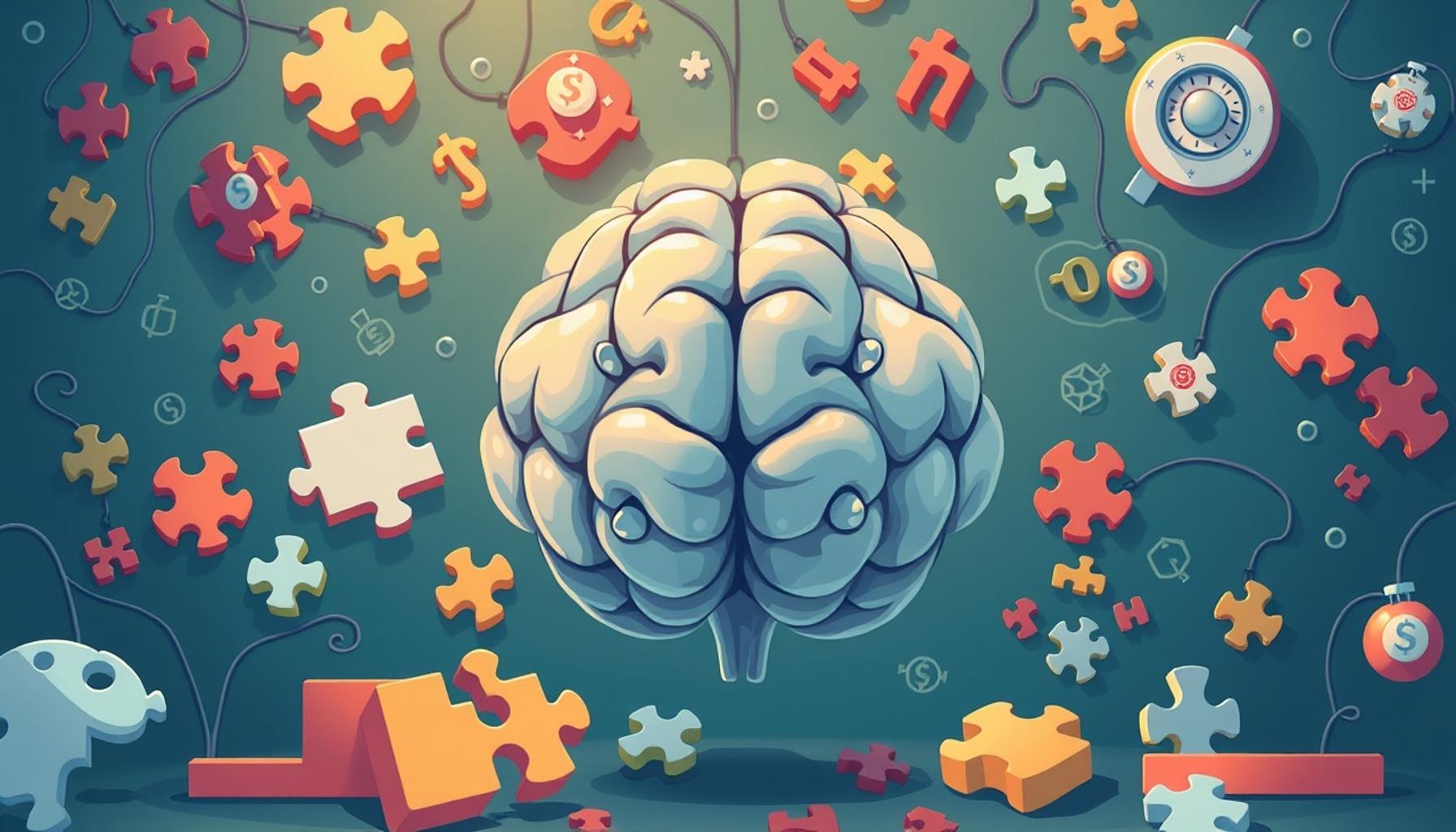
The Growing Popularity of Brain Games
Have you ever wondered why brain games have surged in popularity? These engaging puzzles are more than just a fun pastime; they offer unique insights into cognitive enhancement that are hard to overlook. With the rise of technology, individuals can now access a plethora of brain training apps and websites that bring cognitive challenges right to their fingertips.
Research indicates that playing brain games can lead to significant improvements in various cognitive functions, which are essential in today’s fast-paced world. Among the most notable improvements are:
- Memory: Engaging with memory-based games can enhance both short-term and long-term memory retention. This is especially beneficial for older adults seeking to maintain their cognitive capabilities.
- Problem-solving skills: Strategic games often require players to navigate complex scenarios, enhance logical reasoning, and develop innovative solutions. These skills are highly valuable not just in gaming, but in real-life situations such as work and personal challenges.
- Attention span: Many brain games demand sustained focus and concentration, enabling players to practice and, ultimately, improve their attention span over time.
Studies suggest that these puzzles stimulate neural pathways, potentially enhancing brain activity. For instance, a study published in the journal “Frontiers in Aging Neuroscience” found that older adults who regularly engaged in cognitive training exhibited noticeable improvements in memory and reasoning abilities compared to those who did not participate in such activities. The effects were so prominent that researchers began to explore the possibility of using these games for therapeutic purposes in cognitive decline.
In addition to enhanced brain function, engaging with brain games is a fun and socially interactive experience. Platforms like Lumosity and Peak offer multiplayer modes, allowing friends and family to compete and collaborate, creating an enjoyable social pastime that also serves an intellectual purpose.
In the fast-paced world we live in, maintaining cognitive agility is crucial. Discovering how brain games work and their role in improving our mental faculties can be a game changer for many. Incorporating daily brain training not only enhances cognitive skills but also fosters a lifelong habit of learning and mental exploration.
Are you ready to dive deeper into the science behind these intriguing tools for mental fitness? Let’s explore how they contribute to better cognitive function and why incorporating them into your daily routine could be one of the best decisions for your brain health.
The Mechanics of Cognitive Enhancement
The underlying science behind brain games is as fascinating as the games themselves. At its core, the principle revolves around the concept of neuroplasticity, the brain’s remarkable ability to adapt and reorganize itself by forming new neural connections throughout life. This phenomenon allows individuals to improve their cognitive functions through regular mental challenges provided by brain games.
When players engage in brain games, they stimulate specific regions of the brain associated with memory, attention, and problem-solving. This stimulation can lead to an increase in cognitive reserve, which is essentially the brain’s resilience to damage or aging. By nurturing cognitive reserve, players may not only enhance their mental agility in the short term but also potentially fend off neurological diseases in the long run.
Key Cognitive Domains Benefiting from Brain Games
Various cognitive domains are positively affected by a regular regimen of brain games. Some key areas include:
- Memory Improvement: Memory games enhance both the working memory required for immediate tasks and the long-term memory crucial for retaining information over time. Techniques such as mnemonic devices can be sharpened through consistent practice.
- Visual-Spatial Skills: Many brain puzzles require players to visualize objects and manipulate them mentally. Activities that engage visual-spatial reasoning, such as jigsaw puzzles and maze-solving games, have been shown to improve this cognitive skill, making it valuable for everyday tasks like driving and navigation.
- Processing Speed: Brain games involving timed challenges promote faster mental processing. Players learn to think quickly and execute tasks with greater efficiency, skills which are beneficial in high-pressure environments like workplaces or academic settings.
- Analytical Thinking: Logical puzzles train individuals to dissect problems components, evaluate solutions, and arrive at the most effective answers. This analytical approach translates well into real-life scenarios, enhancing decision-making and strategic thinking.
In addition to promoting cognitive function, brain games can foster emotional well-being. Engaging in enjoyable activities lowers stress levels, promotes a sense of achievement, and can even provide a wholesome competition among peers. It is this blend of cognitive activity and social interaction that positions brain games as a unique tool in mental fitness.
The intriguing aspect of brain games is that they are not merely about winning or losing; they are dynamic tools to challenge one’s intellectual boundaries while creating a framework for continual improvement. With mounting evidence supporting their benefits, embracing brain games can serve as a proactive approach to mental wellness, ensuring that cognitive capabilities remain sharp well into later years.
If you’re curious about how to incorporate these games into your daily routine and what types may be the most beneficial for you, read on as we delve deeper into specific brain game strategies that cater to various cognitive functions.
In recent years, the growing interest in neuroscience has shed light on the profound effects of brain games and puzzles on cognitive function. Engaging in these activities doesn’t just offer a way to pass the time; they serve as a powerful tool for enhancing mental acuity and promoting overall brain health. Studies indicate that regular participation in brain games can lead to improved memory, better problem-solving skills, and even an increase in processing speed. These cognitive benefits are significant, especially considering our society’s overarching emphasis on lifelong learning and mental resilience.
One of the most fascinating aspects of brain games is their ability to stimulate neuroplasticity—the brain’s capacity to reorganize itself by forming new neural connections. This adaptability is crucial, particularly as we age, when cognitive decline may set in. Engaging in challenging puzzles forces the brain to adapt, thereby strengthening existing connections and encouraging the creation of new pathways. For instance, crossword puzzles require not only vocabulary skills but also the ability to recall information, enhancing both memory and language proficiency.
The enjoyment factor of brain games plays a pivotal role in their effectiveness. When individuals find pleasure in solving puzzles, they are more likely to persist, leading to prolonged engagement over time. This dedication produces compounded cognitive benefits, reinforcing the idea that mental exercise is just as important as physical exercise for maintaining a healthy brain.
| Category 1 | Category 2 |
|---|---|
| Enhanced Memory | Puzzles help improve retention and recall abilities. |
| Improved Problem Solving | They foster critical thinking and analytical skills. |
Furthermore, brain games serve as a fun social activity, whether in a competitive environment or collaborative scenarios. Friends and family can gather for a game night, reinforcing social bonds while simultaneously challenging each other’s intellect. These interactions not only promote mental engagement but also contribute to emotional well-being, emphasizing that cognitive development is not merely an isolated process but one greatly influenced by social settings.
As we delve deeper into the intriguing relationship between puzzles and cognitive enhancement, it’s clear that incorporating brain games into daily routines can serve as a proactive approach to maintaining mental sharpness. The scientific evidence suggests that these exercises can be effective in prolonging cognitive health, making them essential tools in an age-focused lifestyle.
Unlocking Further Cognitive Potential with Brain Games
The advantages of brain games stretch beyond immediate cognitive boosts; they delve into lifelong benefits. Adult engagement in these mental challenges not only sharpens current abilities but also plays a crucial role in democratic aging—a concept that emphasizes the importance of maintaining mental wellness as we age. Recent research has suggested that dedicated participation in brain games can effectively slow cognitive decline, making mental fitness a focal point for older generations and younger adults alike.
One particularly intriguing study published in the Journal of Aging Research tracked participants over a two-year period engaged in regular brain games. The results revealed that those who consistently played cognitive-enhancing games experienced a lesser degree of cognitive decline compared to those who did not. This suggests that such games may contribute to a form of resilience against the natural aging process.
The Role of Diverse Game Formats
Not all brain games are created equal, and their diverse formats play a significant role in the cognitive benefits they deliver. From crossword puzzles to strategy board games, each type brings its own set of unique advantages:
- Crossword Puzzles: These enhance vocabulary, improve language processing, and stimulate memory through knowledge recall. They require players to engage both language skills and memory, making them comprehensive cognitive exercises.
- Memory Card Games: Games like Concentration challenge players to remember previous card placements, sharpening short-term memory and attention. Long-term engagement can help improve working memory function, essential for effective multitasking.
- Strategy Games: Games such as chess not only enhance problem-solving skills but also require foresight and planning. Studies have shown that regular engagement in strategic gaming can lead to improved cognitive flexibility, allowing players to adapt their tactics in real-time.
- Numerical Puzzles: Sudoku and similar games target numerical fluency and analytical thinking. These types of puzzles encourage logical reasoning and pattern recognition, skills that are invaluable in many professional and personal scenarios.
Interestingly, the integration of technology into brain games has further expanded possibilities for cognitive enhancement. Applications and online platforms offer various gaming formats, allowing users to level up their mental skills anytime, anywhere. Many of these platforms also come with metrics that provide feedback on progress, enabling participants to tailor their gaming experience to maximize results.
Moreover, the social aspect intertwined with many brain games cannot be overlooked. Multiplayer formats encourage cooperation and competition, which can enhance cognitive skills through social interaction. Engaging with peers can lead to a richer experience, as players can share strategies and tips, effectively broadening their cognitive horizon together. This communal approach can create a supportive environment that nurtures mental growth.
As the interest in brain fitness continues to grow, so does the array of brain games available to the general public. With continuous advancements in studies investigating the long-term potential of these games, embracing brain puzzles is evolving into a practical lifestyle choice rather than a mere hobby. Investing time in brain games can be seen as a cogent strategy for enhancing quality of life while reinforcing cognitive health at any age.
Conclusion
In conclusion, the evidence supporting the cognitive benefits of brain games is more compelling than ever. As we have explored throughout this article, engaging in a variety of puzzles and games not only enhances specific mental skills but also fosters overall brain health across the lifespan. Activities such as crossword puzzles, strategy games, and numerical puzzles offer distinct cognitive workouts that stimulate memory, problem-solving abilities, and analytical skills, making them powerful tools for mental fitness.
Furthermore, as technology continues to evolve, so too do the platforms through which these games are accessed, providing users with more personalized and engaging experiences. The integration of social gaming elements multiplies the benefits, emphasizing collaboration and friendly competition as catalysts for cognitive improvement.
Most importantly, the implications of these findings extend far beyond entertainment; they challenge us to rethink mental wellness in our daily lives. As individuals seek to maintain their cognitive vitality, incorporating brain games into a daily routine appears not merely beneficial but essential. The potential to slow cognitive decline and enhance overall mental agility underscores the importance of prioritizing mental fitness, making brain games a significant element of a healthy lifestyle.
As we embrace this knowledge, it motivates us to take action: why not pick up a puzzle, invite a friend for a chess match, or explore a new mobile game today? Every challenge is a step toward unlocking our brain’s full potential.