Menu

Collaboration Strategies in Puzzles: Working as a Team for Effective Solutions

Effective collaboration strategies in puzzle-solving emphasize teamwork, leveraging diverse skills, and fostering trust. By assigning roles, encouraging open communication, and utilizing technology, teams can tackle challenges more efficiently. Celebrating achievements enhances motivation and builds connections, ultimately leading to innovative solutions that benefit both personal and professional settings.

The Impact of Routine Breaks on Puzzle Solving: How Breaks Can Enhance Creativity

Routine breaks are essential for enhancing creativity and improving problem-solving abilities. Research shows that intentional pauses rejuvenate the mind, reignite inspiration, and facilitate unconscious processing, leading to innovative solutions. By integrating regular breaks, individuals can unlock greater cognitive potential and enjoy heightened creativity in puzzle solving and other challenging tasks.

The Influence of Puzzles on Decision Making: Learning from the Game

Puzzles significantly influence decision-making by enhancing critical thinking, problem-solving, and cognitive flexibility. Engaging with puzzles, both individually and collaboratively, fosters creativity and resilience, allowing individuals to tackle real-life challenges more effectively. Incorporating puzzles into education and daily routines can empower personal and professional decision-making skills.

Developing Persistence: Overcoming Frustrations in Difficult Puzzles

The article explores the importance of developing persistence in overcoming frustrations associated with difficult puzzles. It discusses strategies such as emotional regulation, breaking challenges into manageable parts, building supportive networks, and reflecting on experiences, empowering individuals to transform obstacles into growth opportunities and enhance problem-solving abilities.

The Role of Intuition in Solving Challenging Puzzles

This exploration highlights the significant role of intuition in solving challenging puzzles, demonstrating how instinctual insights complement analytical reasoning. Techniques like mindfulness, diverse puzzle engagement, and collaborative problem-solving enrich intuitive skills, ultimately enhancing problem-solving capabilities and fostering innovative thinking in various real-life scenarios.

Puzzle Strategies to Stimulate Creativity and Innovation

Engaging with puzzles enhances creativity and problem-solving skills, offering benefits like improved cognitive abilities and innovative thinking. By incorporating diverse puzzle strategies and routines, individuals and teams can foster collaboration, resilience, and out-of-the-box solutions, unlocking their full potential for creativity and innovation in various fields.

The Psychology Behind Puzzles: How They Stimulate the Brain and Improve Concentration

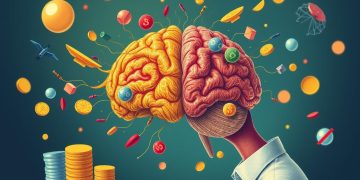
Puzzles engage the brain, enhancing cognitive functions like problem-solving, memory, and concentration. They stimulate neuroplasticity, improve emotional well-being, and foster social connections. By incorporating puzzles into daily routines, individuals can sharpen their mental acuity while enjoying a fulfilling and collaborative experience, making it a powerful tool for cognitive enrichment.

Time Strategies: How to Manage the Clock When Solving Puzzles

Effective time management is crucial for successful puzzle-solving. By utilizing strategies like setting time limits, prioritizing tasks, and taking breaks, enthusiasts can enhance their performance. Incorporating techniques such as the Pomodoro Technique and visualization further optimizes focus and efficiency, transforming puzzle challenges into enjoyable experiences.

Classification Methods: Organizing Information for Puzzle Solving

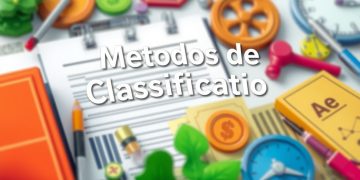
Effective puzzle-solving relies heavily on classification methods to organize information systematically. These techniques, including hierarchical, categorical, and matrix classification, enhance clarity, efficiency, and insight, allowing solvers to identify patterns and connect concepts. Harnessing these methods transforms complex challenges into manageable solutions, improving overall problem-solving skills.


Puzzle Solving Tactics: How to Develop Critical Skills

Engaging in puzzle solving is a vital method for developing critical skills, enhancing analytical thinking, decision-making, and resilience. By adopting effective tactics such as visualization and collaboration, individuals can improve problem-solving abilities, paving the way for greater success in both personal and professional realms.