Thinking Games and Social Connection: How They Promote Teamwork and Communication

Unlocking the Power of Play
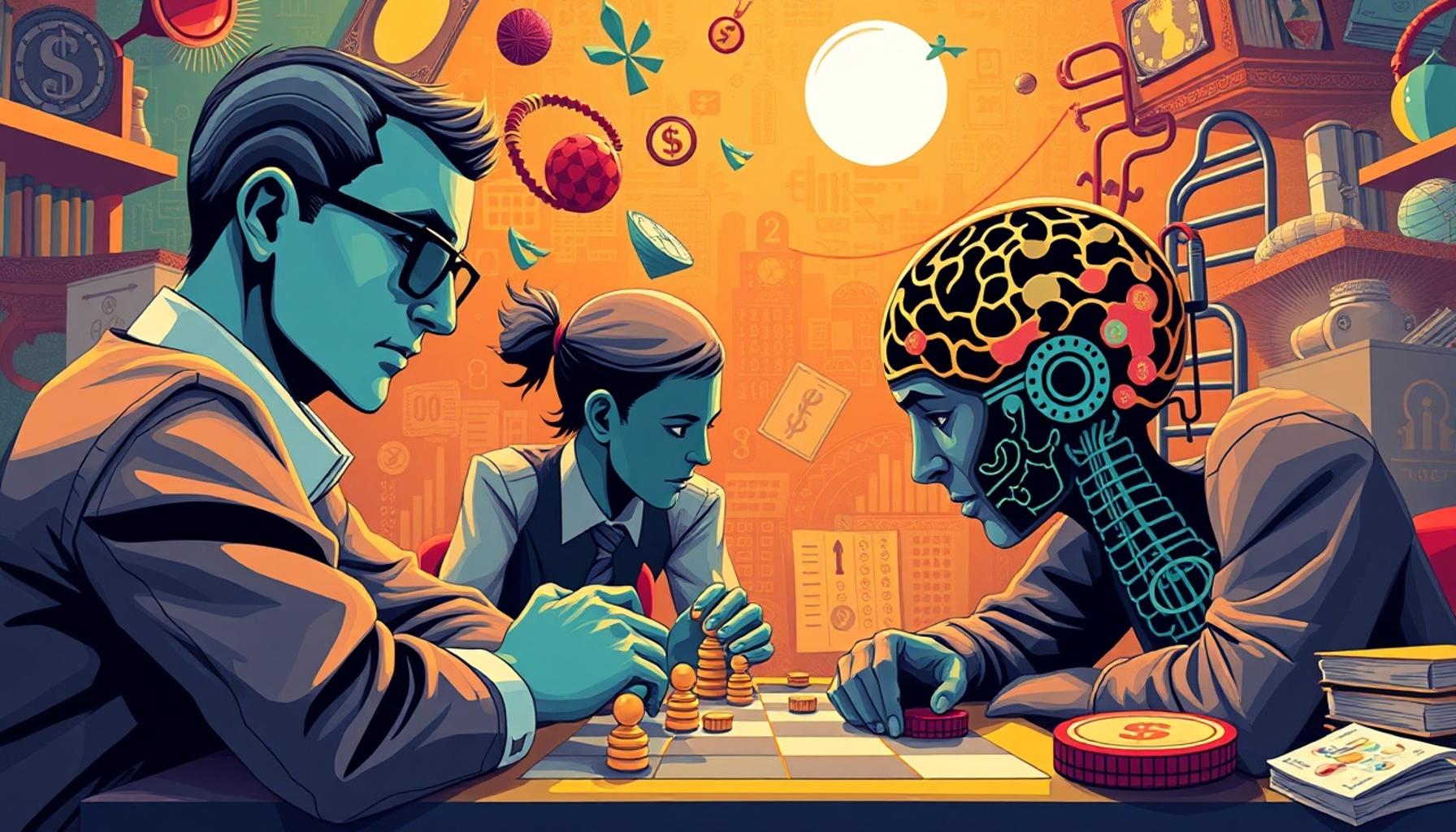
In today’s fast-paced world, thinking games have emerged as a surprising yet effective tool for enhancing social connections. These interactive challenges not only stimulate the mind but also cultivate essential skills such as teamwork and communication. By engaging in these activities, individuals can bridge gaps, strengthen relationships, and foster a collaborative environment. In essence, they allow players to step beyond their usual roles and interact dynamically, leading to profound connections and discoveries.
Why Choose Thinking Games?
- Enhance Critical Thinking: Games promote problem-solving and analytical skills. From strategy-based board games to quick-thinking card games, players are often faced with puzzles that demand innovative solutions. For example, games like “Settlers of Catan” challenge players to plan resource management while anticipating opponents’ moves, honing critical thinking.
- Encourage Collaboration: Players must work together to achieve common goals. Cooperative games, such as “Pandemic,” require players to join forces against a shared challenge, reinforcing the idea that collaboration can lead to success.
- Boost Communication: These games require clear expression of ideas and strategies. In games like “Codenames,” teams must effectively convey clues while interpreting teammates’ responses, serving as a playful exercise in clear and efficient communication.
Research indicates that teamwork can thrive in environments enriched by playful interactions. For instance, companies in the United States are increasingly adopting team-building exercises centered around thinking games to promote a more cohesive work culture. According to a survey conducted by The Conference Board, approximately 70% of U.S. companies reported improved employee engagement after integrating such activities, demonstrating that fostering a sense of community through play can significantly boost workplace dynamics. These engagements not only reduce workplace stress but also enhance creativity and overall employee morale.
The Impact of Social Connection
Strong social ties enhance productivity and creativity. As individuals engage in thinking games, they inherently develop a sense of belonging and trust—essential ingredients for effective teamwork. Studies show that organizations that promote friendly competition through games often see measurable increases in collaboration and problem-solving skills. The benefits extend far beyond the game itself, offering lifelong skills even in challenging situations. For example, the ability to listen actively and articulate thoughts clearly can have a lasting impact in high-stakes environments, whether in a business meeting or a community project.
By exploring the intersection of thinking games and social dynamics, we unveil how playful strategies might indeed be the secret to thriving in both personal and professional realms. Research from play experts, including studies published in the Journal of Creative Behavior, suggests that infusing playful elements into serious contexts can lead to innovative solutions and heightened collective morale. Join us as we delve deeper into this intriguing relationship and discover how these games can unlock potential that benefits both individual growth and community development!
Building Bridges Through Gameplay
At their core, thinking games serve as a catalyst for meaningful interactions among individuals, forging a sense of community while simultaneously promoting teamwork and communication. More than just a leisurely pastime, these games encourage players to engage in complex problem-solving and dialogue, principles that are essential in any collaborative endeavor. By requiring players to strategize collectively and share information openly, thinking games create an environment where trust and cooperation naturally flourish.
In today’s diverse workplaces, the emphasis on creating effective teams has never been more important. Enter thinking games as a method to break down communication barriers and enhance interpersonal relations. Teams that regularly engage in playing these games report not only improved relationships but also a clear increase in their capacity to tackle challenges together. Some notable mechanisms behind this transformative effect are:
- Icebreaker Function: When players come together to share in the fun of a thinking game, they often find common ground. Whether it be a favorite board game or an immersive online puzzle, these shared experiences can help reduce tension and open up channels of conversation. Even in professional settings, games can defuse barriers, making it easier for colleagues to connect.
- Role Exploration: Thinking games create opportunities for individuals to step outside of their traditional roles. By assuming different responsibilities within the game setting, players can appreciate various perspectives, enhancing empathy and understanding in team dynamics.
- Feedback Loop: Many thinking games necessitate a constant feedback mechanism, where players must provide and receive constructive criticism to advance. This essential loop reinforces the ability to communicate openly and respectfully, crucial traits in any collaborative project.
A survey from the American Psychological Association reveals that businesses who incorporate social elements, including thinking games, see a striking 30% boost in collaborative projects. Furthermore, organizations that prioritize social connections also report lower employee turnover rates and heightened job satisfaction, underscoring the importance of fostering a community through play. For instance, companies like Google and Zappos have adopted gamification strategies in their work culture, focusing on problem-solving games that inspire creativity and team engagement.
The influence of thinking games on improving communication goes beyond mere interaction; it lays the groundwork for cultivating a collaborative team spirit. As teams learn to articulate their thoughts and strategize together within the game context, they also develop lasting bonds that translate into more effective collaboration in real-world scenarios. Ultimately, this relationship between social connection and the playful nature of thinking games reinforces a form of engagement that is both productive and enjoyable.
| Category | Description |
|---|---|
| Critical Thinking Development | Engagement in thinking games enhances problem-solving skills and fosters innovative thinking. |
| Enhanced Communication | These games create opportunities for members to discuss ideas and collaborate effectively, improving overall group dynamics. |
Engaging in thinking games not only provides an entertaining outlet but also actively cultivates essential skills that are vital in team settings. For instance, critical thinking development is a significant advantage; as teams tackle challenges presented in these games, they encourage participants to analyze situations meticulously. This results in heightened problem-solving skills, which are indispensable in corporate scenarios and daily interactions alike.Moreover, the nature of these games bolsters enhanced communication among team members. By necessitating discussions and exchanges of ideas, participants learn to articulate their thoughts clearly and constructively. This collaborative environment fosters a sense of belonging and unity, essential components in building strong teams. With each game, individuals become more adept at navigating social dynamics, ultimately leading to significantly improved teamwork and communication, crucial elements for achieving common goals in any organization.
Games as Tools for Team Development
Beyond the immediate benefits of fostering communication and teamwork, thinking games play a crucial role in the long-term development of collaborative skills and cohesiveness within teams. These games not only bring people together in a fun and engaging way but also allow them to practice essential teamwork strategies that can be applied in real-life scenarios. As organizations increasingly recognize the value of investing in interpersonal relationships, thinking games are being integrated into training programs and team-building retreats across various sectors.
A prominent example of this trend can be observed in technology companies that frequently leverage thinking games for workforce training. For instance, some organizations have adopted escape room-style challenges that require team members to solve puzzles under a time constraint. This not only enhances critical thinking skills but also fosters a sense of urgency and reliance on each other’s strengths. The synergy developed in these situations often translates into improved performance back at the office, as colleagues become more adept at navigating challenges together.
Moreover, thinking games promote adaptability—an invaluable skill in today’s rapidly changing work environments. Teams that engage in games designed to simulate unexpected shifts in strategy or sudden alterations in rules learn to pivot quickly and think on their feet. Such dynamic interaction is essential in real-world business situations, where adaptability often makes the difference between success and failure. Research indicates that teams which routinely engage in creative problem-solving activities exhibit a greater capacity for innovation, making adaptability a critical component of teamwork.
- Enhanced Decision-making: An analysis performed by the Journal of Applied Psychology highlighted that teams participating in structured gameplay were able to make decisions 25% faster than those who did not engage in any form of collaborative game. This speed is vital in environments where time-sensitive decisions can lead to competitive advantages, emphasizing the importance of decision-making exposure through gaming.
- Conflict Resolution: Thinking games often introduce scenarios where disagreements may arise. Through engaging with each other in a game setting, teams are afforded a safe space to practice conflict resolution skills. This experience is additionally beneficial as it allows team members to address differing viewpoints without the weight of real-world stakes. Studies show that teams that practice conflict resolution in fun settings report lower levels of discord in their day-to-day operations.
- Cultural Competence: With increasingly diverse teams thanks to globalization, understanding cultural differences has become vital. Multiplayer online thinking games often attract players from various backgrounds, encouraging participants to communicate effectively with those from different cultures. As they collaborate to achieve common goals, team members become more aware of their colleagues’ perspectives and cultures, enriching their collaborative abilities significantly.
The incorporation of thinking games into group dynamics serves as more than just a bonding exercise; it builds foundational skills that can reinforce team resilience. As teams continue to navigate complex challenges in their respective industries, the value of an open, cohesive environment fosters higher performance levels. By investing in social connections through games, organizations are not only enriching their workplace culture but equipping their teams to thrive in a competitive landscape.
Conclusion: The Enduring Impact of Thinking Games
In an era where collaboration is paramount for success, thinking games emerge as powerful instruments for enhancing teamwork and communication. They not only facilitate immediate social interactions but also cultivate essential skills that teams can leverage in their daily operations. The benefits of engaging in these games extend far beyond mere fun; they create a structured environment for developing critical thinking, conflict resolution, adaptability, and cultural awareness.
As demonstrated by various sectors—including technology, education, and healthcare—organizations that prioritize the implementation of thinking games witness profound changes in their work environments. Teams that actively participate in these engaging activities report increased trust, improved decision-making speeds, and a general elevation in morale. These dynamics are crucial in fostering an inclusive culture that promotes individual contributions while harmonizing diverse perspectives.
Moving forward, companies and organizations should not overlook the significance of integrating thinking games into their team development practices. By doing so, they can unlock not just higher productivity but also a resilient workforce capable of facing the evolving challenges of the modern business landscape. Investing in social connections through these interactive exercises is not just a trend; it is a necessity for organizations aiming to thrive in a competitive world.
In essence, thinking games should be viewed as more than mere tools; they are vital components of comprehensive team-building strategies that enrich workplace culture, enhance communication, and ultimately lead to success.