The Cognitive Benefits of Logic Games: How Mental Challenges Enhance Intellectual Agility

The Benefits of Engaging with Logic Games
In a world increasingly driven by technology and instant gratification, engaging in logic games can feel like stepping back into a realm of critical thinking and problem-solving. These mental challenges not only entertain but also provide significant benefits to our cognitive health. Understanding how these games contribute to intellectual agility is essential for anyone seeking to enhance their mental flexibility.
Research shows that regular engagement with logic games may lead to impressive improvements in several key areas. For instance, players often become adept at recognizing patterns and developing strategies to overcome problems effectively, which are vital skills in everyday decision-making. This ability to solve problems effectively translates well to real-life scenarios, whether managing personal finances, advancing in a career, or navigating complex social situations.
- Problem-Solving Skills: Players exercise their ability to dissect challenging questions and scenarios, promoting a more systematic approach to problem-solving. This skill is invaluable, not just in games, but also in professional environments where analytical thinking is often required.
- Memory Retention: Logic games often require recalling previous moves or strategies, which sharpens memory functions. According to studies, mental exercises like these strengthen the connections in the brain responsible for retaining information. Games like “Simon Says” or “Memory” are simple yet effective in reinforcing both short-term and long-term memory.
- Concentration: Engaging with multifaceted challenges naturally improves one’s attention span. For instance, playing chess requires deep focus for extended periods, which can train the brain to maintain concentration over longer durations in everyday tasks.
Moreover, the variety of available logic games makes them accessible to a broad audience. From time-honored classics such as chess and Sudoku to innovative mobile applications like “Elevate” and “Peak,” the options are endless. These platforms cater to different skill levels, ensuring that both beginners and seasoned players can find a perfect match for their cognitive training.
For example, the rise of online platforms such as Chess.com or Lichess leverages temporary challenges against players across the globe, sparking camaraderie and competition while enhancing strategic thinking. Alternatively, numerically-based games like KenKen combine arithmetic with classic puzzle-solving, forging a unique blend of creativity and logical reasoning.
In the following sections, we will delve deeper into the specific cognitive benefits of engaging with logic games. Stay with us to discover how incorporating such activities can not only strengthen your intellectual capabilities but also contribute to your overall mental well-being, leading to a healthier and more productive lifestyle.
Enhancing Cognitive Functions Through Logic Games
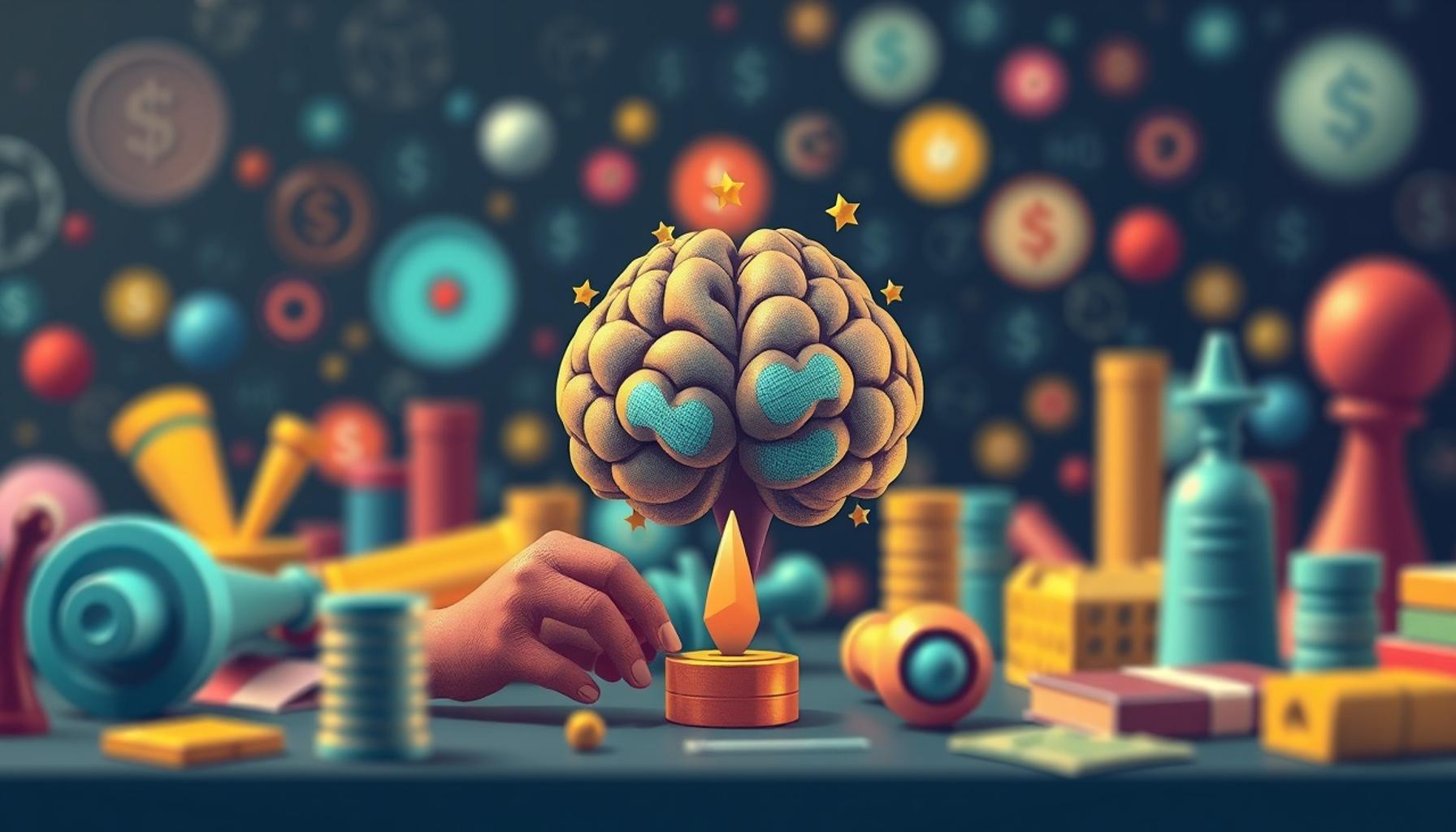
Engagement with logic games provides a unique avenue for improving various cognitive functions that are essential for effective thinking and problem-solving. When players immerse themselves in challenging scenarios, they actively stimulate neural pathways associated with reasoning, critical analysis, and ingenuity. Activities such as solving puzzles, playing strategic board games, or even engaging in competitive brain-teasers lead to a complex interactions within the brain that foster growth and adaptability.
One of the most significant cognitive benefits of playing logic games is the enhancement of problem-solving skills. These games encourage players to break down complex challenges into manageable parts, promoting a systematic approach to finding solutions. For instance, when playing a game like Scrabble, individuals must not only think creatively to form words, but they also need to strategically consider board placement and scoring potential. This multi-layered thinking strengthens one’s ability to navigate everyday situations where analytical skills are paramount.
Memory retention is another key area where logic games wield significant benefits. Many games require players to recall previous moves or strategies, which cultivates memory skills. The more a player engages with these mentally stimulating challenges, the more effective their memory becomes. Studies have highlighted that participants in memory-based games can experience enhanced cognitive performance, as the games activate regions of the brain responsible for memory encoding and retrieval. Classic games like “Simon Says” or contemporary options such as “Lumosity” provide a fun way to keep memory sharp and agile.
Another notable cognitive advantage is the ability to improve concentration. Engaging with multifaceted strategic challenges leads to an increase in attention span and sustained focus. Chess, for example—often hailed as the ultimate game of strategy—requires players to think several moves ahead, honing their ability to maintain concentration over longer periods. This skill translates effortlessly into real-life scenarios where attentiveness and critical thinking are key, be it in academic settings or professional environments.
Moreover, the vast array of logic games available today caters to diverse preferences and skill levels, ensuring that everyone can find a suitable challenge. From traditional chess and Sudoku to modern digital apps like “Elevate” and “Brainwell,” the options are limitless. These platforms not only engage players but also serve as a gateway to cognitive enrichment. They provide personalized challenges that adapt to the player’s progress, thereby promoting continuous growth and intellectual agility.
As players navigate through the intricacies of these logic-based activities, they are not just having fun; they are engaging in an enriching practice that enhances their mental acuity. In the following sections, we will explore the specifics behind how these cognitive benefits manifest and how they can contribute to a more vibrant and productive intellectual lifestyle.
| Advantage | Description |
|---|---|
| Enhanced Problem-Solving Skills | Logic games challenge players to think critically and devise solutions, sharpening their analytical abilities. |
| Improved Memory Retention | Participating in mental challenges has been shown to enhance cognitive recall, allowing players to retain and process information more effectively. |
Logic games, ranging from Sudoku to chess, provide a rich tapestry of cognitive engagement that goes far beyond mere entertainment. These games stimulate the brain, activating neural pathways that are critical for effective decision-making and creativity. For instance, when players tackle complex puzzles, they are not only reinforcing their existing knowledge but also branching into new realms of understanding—a process known as cognitive flexibility. The benefits extend into real-world applications, as individuals who regularly engage in logic games often demonstrate heightened performance in academic and work-related tasks. Engaging regularly in these games cultivates a state of continuous learning and adaptation, essential in our fast-paced world where intellectual agility is paramount. The amalgamation of fun and functional cognitive exercise invites players to delve deeper into the world of logic games and uncover the transformative power they possess.
Building Critical Thinking and Strategic Planning Skills
In addition to enhancing problem-solving capabilities, engaging with logic games significantly cultivates critical thinking and strategic planning skills. These games often simulate real-life scenarios where players must analyze situations from multiple angles, weighing the pros and cons before making a decision. For example, the game Settlers of Catan requires participants to think critically about resource allocation, trade strategies, and potential outcomes of their actions. This not only translates into improved game performance but also equips players with the mental tools necessary for effective decision-making in their personal and professional lives.
Moreover, strategic planning is a key component in games like Risk or Ticket to Ride, where players must formulate long-term strategies while adapting to the dynamic nature of the game environment. As players engage with such games, they develop the aptitude to forecast future scenarios and plan accordingly. This forward-thinking ability is essential in cultivating an agile mindset, an increasingly valued trait in today’s fast-paced world.
Boosting Creativity and Innovative Thinking
Logic games also play a crucial role in boosting creative thought processes. When engaging in activities that require lateral thinking, such as designing solutions in a creative puzzle game, participants often discover novel approaches to problems. This exploration of unique strategies sparks innovation and encourages out-of-the-box thinking. For instance, games like Portal challenge players to navigate complex environments using inventive methods, fostering a mindset that embraces creativity while persisting through difficulties.
Research supports the idea that creativity and logical reasoning are interconnected. A study published in the journal *Thinking Skills and Creativity* found that participants who regularly engaged in logic-based games demonstrated higher creativity scores compared to those who did not. This evidence highlights how these mentally challenging activities can foster environments conducive to innovative thinking, further solidifying the link between logic games and cognitive enrichment.
Promoting Social Interaction and Emotional Intelligence
Beyond individual cognitive benefits, many logic games are designed for multiplayer experiences, promoting social interaction and enhancing emotional intelligence. Games such as Pictionary and cooperative board games like Pandemic require players to work together, communicate effectively, and navigate social dynamics. This interactive aspect not only cultivates teamwork and collaboration but also encourages empathy and understanding—critical components of emotional intelligence.
Engaging with peers in mental challenges fosters a supportive environment, which can lead to the selective development of soft skills essential for personal and professional relationships. Players learn to appreciate diverse perspectives, negotiate outcomes, and manage conflicts—qualities that can be advantageous in various spheres of life, including workplace settings or community engagement.
The Importance of Lifelong Engagement
In a world rich with distractions and digital entertainment, maintaining engagement with logic games becomes essential for promoting lifelong learning. By integrating these activities into their daily routines, individuals can consistently challenge their minds and enhance their cognitive resilience. Regular mental workouts through games help prevent cognitive decline and contribute to sustained intellectual growth, making them a valuable investment in one’s mental health and overall quality of life.
As more individuals recognize the multifaceted benefits of logic games, the conversation surrounding cognitive enrichment continues to evolve. In the upcoming sections, we will delve deeper into specific brain functions influenced by these games and explore additional research supporting their role in enhancing intellectual agility.
Conclusion: Unlocking the Mind’s Potential Through Logic Games
As we’ve explored, logic games offer a plethora of cognitive benefits that go beyond mere entertainment. By engaging in these mentally stimulating challenges, individuals not only sharpen their problem-solving skills but also bolster critical thinking and strategic planning capabilities crucial for navigating today’s complex world. The highly interactive nature of many of these games fosters social interaction, promoting valuable emotional intelligence and collaboration skills, which are paramount in both personal and professional settings.
Moreover, the innovation sparked by creative thinking in logic games exemplifies how cognitive agility can enhance overall intellectual performance. Studies have shown that players can develop their creative processes while honing logical reasoning abilities simultaneously. This dual benefit is particularly significant in a rapidly evolving society where adaptive thinking and creative solutions are in high demand.
Ultimately, the key takeaway is that integrating logic games into our daily lives can serve as a powerful tool for cultivating a well-rounded, agile mind. By embracing the challenges these games offer, we not only invest in our current cognitive health but also pave the way for lifelong intellectual growth. If you’re looking to explore the stimulating world of logic games, take the opportunity to enrich your mind and unlock your potential—your future self will thank you. As the knowledge surrounding cognitive enrichment continues to grow, logic games stand out as a promising avenue for fostering intellectual agility and lifelong learning.