The Role of Social Interaction in Enhancing the Benefits of Mind Games

The Power of Mind Games in Social Settings
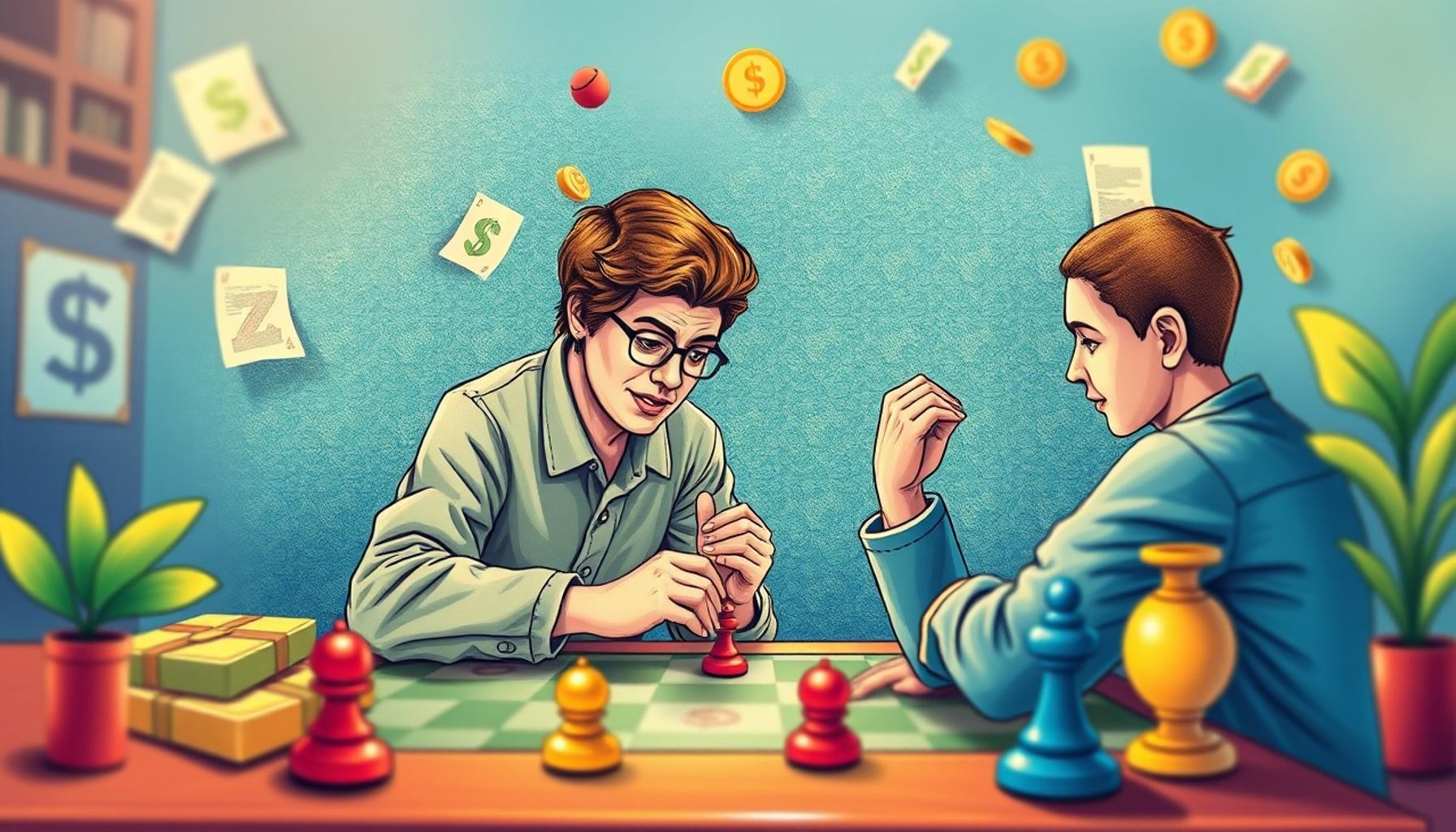
Mind games, including classic board games like chess, number puzzles such as sudoku, and various digital puzzle applications, have become increasingly popular not just as cognitive development tools but also as avenues for social interaction. It’s often in a communal setting that the true power of these games is revealed, enhancing the playing experience while benefiting players cognitively and emotionally.
Collaboration Boosts Learning
Team-based mind games offer players the opportunity to collaborate, which can significantly elevate the learning process. For instance, during a game of cooperative strategy games like Codenames or Pandemic, players must share insights and devise tactics together to achieve a common goal. This environment fosters communication and encourages the sharing of various strategies, allowing participants to learn from each other. And by working as a cohesive unit, players develop essential interpersonal skills, such as conflict resolution and teamwork, which are applicable beyond the gaming table.
Competition Fosters Motivation
Engaging in competitive mind games, whether in local clubs or online platforms, cultivates a healthy desire to improve one’s skills. Chess tournaments, for example, bring together players from different backgrounds, pushing them to enhance their strategic thinking and foresight. A recent study suggests that individuals who routinely compete in such environments show notable improvements in critical thinking and adaptability, skills that can translate to success in both academic and professional settings. The thrill of competing against peers fuels motivation and instills a sense of accomplishment as players beat their personal bests and rise through the ranks.
Social Connections Enhance Enjoyment
Playing mind games also has a profound social aspect that greatly enhances the enjoyment of the gaming experience. Engaging in these games can lead to the formation of lasting friendships. For example, many groups across the United States participate in board game nights at local cafes or community centers. These gatherings provide an informal setting where players can meet, bond, and share their passion for gaming. Such social interactions not only make the games more enjoyable but also enrich players’ lives, fostering a sense of community and belonging.
Research has shown that social engagement during gaming can significantly augment cognitive benefits. Players who participate in group settings are more likely to experience:
- Improved problem-solving skills: When faced with a shared challenge, players often devise multiple solutions and learn to think outside the box.
- Enhanced creativity: Collaborative gameplay encourages innovative thinking as players build on each other’s ideas.
- Greater emotional well-being: The camaraderie of shared gaming experiences can lead to increased happiness and reduced feelings of loneliness.
As we can see, the intersection of play and connection through mind games is a valuable platform for cognitive and social development. By exploring the dynamics of teamwork, communication, and friendly competition, we unveil how these seemingly simple activities can serve as robust tools for personal growth and community building.
Amplifying Cognitive Skills Through Social Play
When we think about mind games, we often focus on the individual benefits they provide, such as improved memory and critical thinking. However, the dimension of social interaction is equally pivotal in enhancing the overall advantages of these games. Regular engagement with others not only fosters a competitive spirit but also catalyzes a more enjoyable and enriching environment for all participants.
The Dynamics of Group Interaction
The dynamics of group interaction during mind games can lead to unexpected discoveries and innovations in strategy. In games like Settlers of Catan, players must negotiate resources and forge temporary alliances. This necessity for collaboration compels players to articulate their thoughts clearly and listen actively. Research indicates that such communicative exchanges during gameplay help hone verbal skills and bolster emotional intelligence, both critical factors in personal and professional relationships. The conversational nature of these interactions encourages players to express their ideas and listen to diverse perspectives, thereby fostering respect and inclusivity.
Building Resilience through Social Challenges
Social interactions in mind games also contribute to personal resilience. When facing defeat or setbacks, players witness firsthand how others cope with frustration and failure. Observing these responses can inspire individuals to develop their strategies for emotional regulation. Understanding the importance of resilience can be exceptionally beneficial in high-pressure environments like the workplace, where adaptability is key. Games that challenge players’ intelligence and emotional stamina seem to be particularly effective in promoting this resilience. A study published in the Journal of Applied Psychology found that individuals engaging in games that involve real-time strategy and quick decision-making report higher levels of resilience and effective coping mechanisms.
Strengthening Relationships Through Shared Experiences
Aside from cognitive enhancement, mind games also serve as a nexus for strengthening interpersonal relationships. The joy of shared experiences—whether through laughter during friendly banter or collective triumphs—creates deep connections among players. A notable example is the rise of gaming cafes in cities across the United States, where countless groups gather to share their excitement and passion for board games. Such social interactions can lead to the formation of lasting friendships, significantly enriching participants’ social lives.
Moreover, the sense of belonging that arises from these shared gaming experiences contributes positively to mental health. Participating in community game nights can combat feelings of loneliness, as people find common ground and forge new relationships. The emotional support that comes from these social interactions can further elevate the cognitive benefits of mind games, providing a multi-faceted approach to personal and communal development.
As such, the role of social interaction in mind games extends beyond the playing table; it shapes our cognitive, emotional, and social landscapes. These collaborations, competitions, and connections remain instrumental in our journey toward personal growth and community building.
The Role of Social Interaction in Enhancing the Benefits of Mind Games
Social interaction is a critical element that amplifies the benefits derived from mind games. In this section, we will delve deeper into how engaging with others through these games can significantly enhance cognitive functions and emotional well-being.
When individuals participate in mind games, such as chess or puzzle-solving, the presence of social interaction can transform a solitary experience into a dynamic and engaging one. Research suggests that playing in a group setting stimulates collaborative problem-solving and enhances critical thinking skills. Not only do individuals get to share strategies and insights, but they also learn from observing their peers in action. This social component nurtures a rich exchange of ideas that can lead to improved performance and understanding.
Moreover, the emotional support found within social play fosters motivation and reduces stress. Engaging with friends or family during a game creates a lighter atmosphere, which allows players to experiment with new strategies without the fear of failure. This freedom to explore leads to a more enriching learning experience. Studies indicate that those who regularly participate in social gaming contexts report higher satisfaction and a greater sense of belonging, which contributes to overall mental health.
Additionally, social interaction in mind games can act as a tool for enhancing memory recall and reinforcing learned concepts. As individuals engage in discussions about gameplay, they reinforce their understanding of the game mechanics while simultaneously strengthening their memory pathways. This interplay of socialization and mind games not only promotes cognitive longevity but also builds a supportive community around shared experiences.
| Category | Details |
|---|---|
| Cognitive Benefits | Enhances critical thinking and problem-solving skills through collaborative interactions. |
| Emotional Support | Fosters motivation and reduces stress by providing a fun, engaging environment to explore strategies. |
| Community Building | Creates a supportive network through shared gaming experiences, boosting mental well-being. |
In conclusion, the multifaceted benefits of social interaction within mind games not only enhance cognitive abilities but also fortify emotional health, creating a holistic approach to personal development through gaming.
Enhancing Creativity and Innovation through Collaborative Engagement
Another salient aspect of social interaction in mind games is its significant contribution to enhancing creativity and fostering innovation. When players engage in collaborative gameplay, they are forced to think outside the box and approach problems from varied angles. Games such as Dixit or Codenames encourage imaginative storytelling and creative expression, as players must interpret visuals and words in unique ways to convey their thoughts. This communal creation of ideas not only sparks individual creativity but also cultivates a collective pool of innovative strategies. Research from the University of Michigan found that groups who engage in creative mind games exhibit a higher capacity for collaborative problem-solving, demonstrating that social interplay can lead to profoundly original solutions.
Cognitive Diversity: The Power of Different Perspectives
The richness of social interaction in mind games lies in the cognitive diversity it brings to the table. Each participant comes with their experiences, cultural backgrounds, and unique thinking styles, which can greatly enrich the game experience. Having diverse perspectives is crucial; studies show that teams with varied cognitive approaches produce more effective solutions compared to homogenous groups. For instance, a team playing a strategy game like Risk can benefit immensely when members propose different tactical approaches based on their individual reasoning, thus preventing groupthink and stimulating deeper discussions. This collective cognitive engagement translates into real-world skills, such as the ability to approach challenges creatively in workplace settings.
The Role of Competition in Spurring Growth
While collaboration is vital, a healthy dose of competition can also amplify the benefits derived from mind games. Engaging in competitive scenarios compels players to push their boundaries, thus fostering both personal and group growth. Games like Chess and Poker not only test individual skill but also require players to adapt and refine their strategies in real-time based on opponents’ moves. Such heightened stakes can promote a keen sense of improvement, as players learn to analyze their weaknesses and rebound from losses. According to a report by the American Psychological Association, psychological resilience is notably enhanced in individuals who regularly engage in competitive mind games, manifesting in heightened problem-solving abilities and improved social adaptability.
Social Skills and Non-Verbal Communication
The backdrop of social games also provides an invaluable platform for honing social skills and recognizing the nuances of non-verbal communication. The non-verbal cues we exhibit during gameplay—gestures, facial expressions, and body language—play a crucial role in conveying intentions and emotions that words alone cannot express. By participating in group games, individuals strengthen their ability to read social signals, which is an essential skill in everyday interactions. Furthermore, many games encourage players to negotiate, persuade, and collaborate, thus deepening their understanding of negotiation dynamics and enhancing their interpersonal communication abilities. In a study published in the Journal of Social Psychology, participants who engaged in social board games exhibited a marked improvement in empathy and social perceptiveness, key components of effective social communication.
In summary, the multifaceted role of social interaction in mind games extends our understanding of cognitive development, emotional resilience, and social connectivity, showcasing its essential role in personal enrichment and growth. These dynamics not only nurture our cognitive skills but also shape our emotional and social landscapes, highlighting the profound influence of community engagement in our favorite leisure activities.
Conclusion: The Unseen Benefits of Social Engagement in Mind Games
The exploration of social interaction within the realm of mind games reveals a rich tapestry of benefits that extend far beyond simple leisure. From fostering creativity and innovation through collaborative problem-solving, to leveraging cognitive diversity that harnesses unique perspectives, these games provide a fertile ground for intellectual growth. As players engage in friendly yet challenging competitions, they not only sharpen their strategic thinking but also cultivate personal resilience, enhancing their ability to adapt to both victories and defeats.
Moreover, the social dimension of these games is integral in developing vital social skills and non-verbal communication. The interactive nature of gameplay encourages players to practice empathy, cooperation, and effective negotiation—skills that are equally valuable outside the gaming context. Research has consistently underscored how engagement in social settings can improve emotional intelligence and foster stronger interpersonal relationships, critical elements in today’s interconnected world.
As we collectively navigate an era marked by rapid digitalization and virtual interactions, traditional mind games serve as a steadfast reminder of the importance of face-to-face engagement. The ability to bond over shared experiences while gaining cognitive and social advantages is an opportunity worth exploring. Therefore, delving deeper into the role of social interaction in mind games invites us to rediscover not just the joys of playing but also the immense growth that such interactions can facilitate. Embrace the challenge, gather your friends, and witness how, together, the game can elevate not just your mind, but your entire being.