The Role of Thinking Games in Developing Emotional Intelligence
Unlocking Emotional Intelligence Through Thinking Games
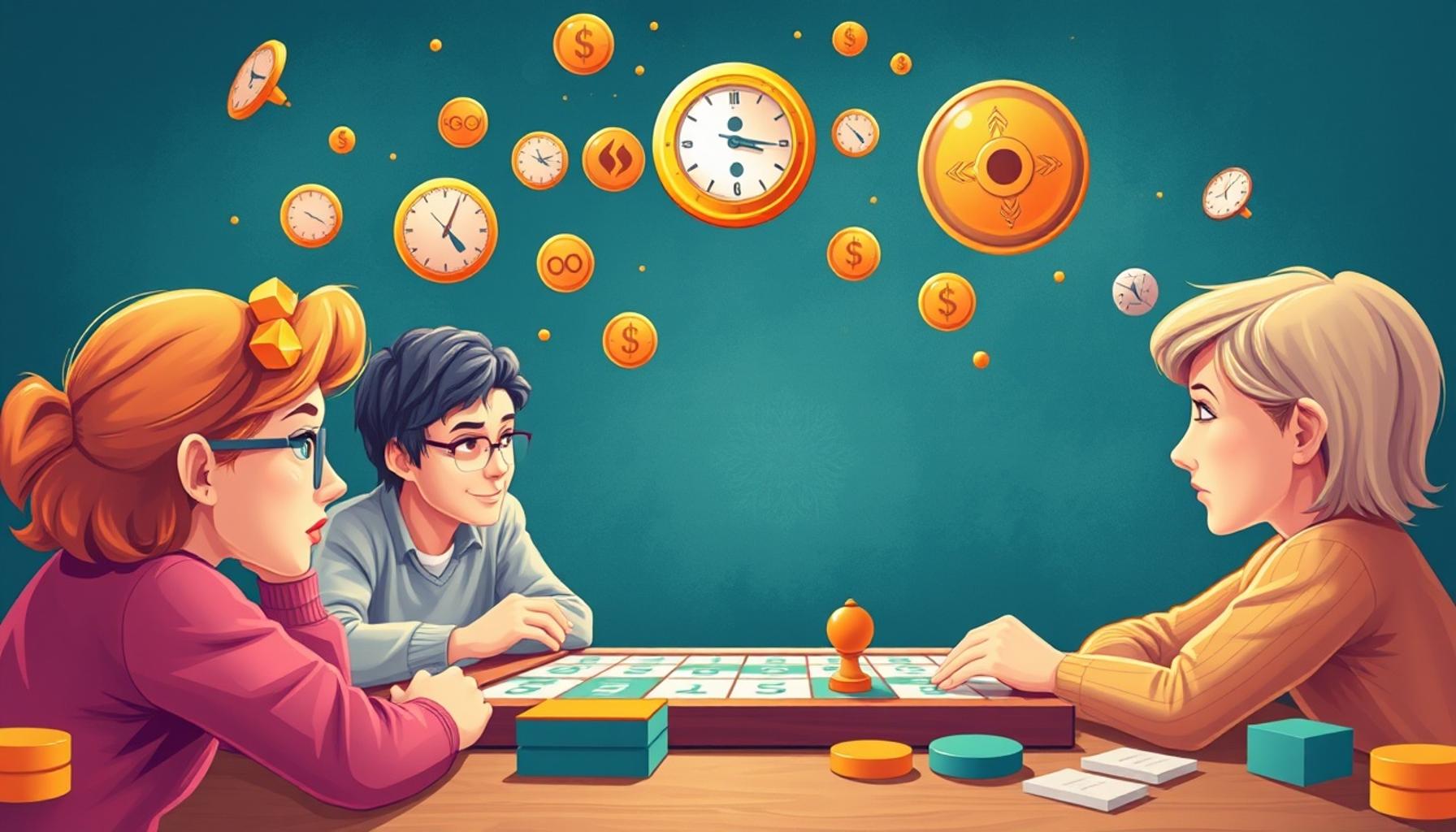
In an age where emotional intelligence is increasingly recognized as essential for personal and professional success, the use of thinking games has gained traction. These interactive tools not only entertain but also challenge players to navigate complex emotional landscapes, paving the way for deeper social connections and heightened self-understanding.
Thinking games can facilitate emotional growth by:
- Encouraging empathy: Players often assume different roles within the game, leading to a greater understanding of diverse perspectives. For instance, in games like “Dungeons & Dragons,” participants take on characters with distinct backgrounds and motivations, fostering a sense of empathy as they make decisions that align with their character’s values and experiences.
- Enhancing self-awareness: Engaging in strategic decisions often reflects one’s emotional state and reactions. Games like “The Mind” require players to gauge their responses and the group dynamic, which encourages introspection regarding their feelings and thought processes during gameplay.
- Improving communication skills: Many games require teamwork, promoting effective dialogue and conflict resolution. Games such as “Codenames” necessitate clear communication to convey clues, thus training players in concise and effective conversations while navigating misunderstandings or differing interpretations.
Research shows that the integration of thinking games in educational settings can significantly boost emotional intelligence skills among children and adults alike. This is particularly evident in board games like “The Game of Life,” where players make life choices that impact their emotional and financial well-being, reflecting real-life emotional challenges. Similarly, digital platforms such as “Tabletop Simulator” recreate various board games in a virtual space, allowing for collaboration and emotional interaction despite geographical barriers.
Moreover, programs that use these games aim to cultivate essential soft skills in youth and adults, demonstrating a commitment to fostering a well-rounded skill set that includes emotional intelligence. In fact, initiatives in schools across the United States have started incorporating game-based learning as a way to not only enhance academic performance but also address interpersonal skills crucial for the workforce.
As we delve deeper into the fascinating intersection of gaming and emotional growth, it becomes clear that these activities are more than mere pastimes. They represent powerful mediums that, through collaboration and challenge, foster critical soft skills in a fun and engaging way. The potential of thinking games to transform how we relate to ourselves and others makes them a worthy subject of further exploration, highlighting their significant role in preparing individuals for the complexities of modern life.
The Impact of Thinking Games on Emotional Development
The intricate relationship between thinking games and emotional intelligence unfolds through a variety of mechanisms that enhance interpersonal abilities and self-awareness. By engaging with these games, players are not merely seeking entertainment; they are embarking on a journey of personal growth and social connection. This journey is essential, particularly in a society that increasingly values emotional competence alongside cognitive skills.
One of the primary mechanisms through which thinking games foster emotional intelligence is by cultivating empathy. When players step into the shoes of their characters, as seen in role-playing games like “Dungeons & Dragons”, they are compelled to consider the feelings and motivations of others. This provides a rich context for understanding how individual experiences shape emotional responses. Research has demonstrated that participants in such games often report an enhancement in their ability to empathize with people in real life, as they have practiced these skills in a safe and structured environment.
In addition to empathy, thinking games are unique in their ability to bolster self-awareness. Games like “The Mind” require individuals to keep track of their emotional states and intuit the dynamics of group interactions. Players must remain conscious of their emotional responses as they make strategic decisions, prompting a deeper understanding of their feelings. This process often leads to greater introspection, making players more attuned to their emotional triggers and reactions in everyday life.
The role of communication cannot be overlooked. Many thinking games, such as “Codenames” or party games like “Werewolf”, hinge on collaboration and clear exchange of ideas. These games encourage participants to articulate their thoughts succinctly, leading to the development of conflict-resolution skills and effective negotiation tactics. A well-timed clue or a persuasive argument can make all the difference, teaching players how to navigate misunderstandings and varying interpretations in both recreational and professional contexts.
Moreover, the design of various thinking games integrates emotional challenges akin to those faced in real life. For example, in “The Game of Life”, players encounter decisions that impact their emotional well-being, mirroring the choices individuals must make in their personal lives. As players navigate these challenges, they practice critical thinking while developing a greater understanding of how emotional and social dynamics come into play.
As this exploration shows, thinking games do much more than entertain; they serve as valuable tools for cultivating essential emotional intelligence skills. In classrooms and informal settings, the inclusion of these games reflects a modern understanding of learning that prioritizes emotional growth alongside academic achievement. The excitement of gaming can transform profound lessons into accessible experiences, illustrating the transformative power thinking games have in our emotional development.
| Category | Description |
|---|---|
| Enhanced Self-Awareness | Thinking games promote self-reflection, helping players identify their emotions and responses in various scenarios. |
| Improved Empathy | Engaging in role-playing games cultivates understanding of others’ feelings, fostering emotional connections. |
| Conflict Resolution Skills | Strategy games often present players with challenges that require negotiation and compromise, essential for emotional growth. |
| Stress Reduction | Thinking games can serve as a healthy distraction, providing laughter and enjoyment that alleviate anxiety. |
Incorporating thinking games into personal development routines leads to significant enhancements in emotional intelligence. These activities not only entertain but also nourish essential skills that resonate well beyond the gaming experience. By actively participating in environments that challenge emotional perceptions, individuals can cultivate a deep understanding of both their emotions and those of others. This not only enriches personal relationships but equips individuals with stronger negotiation skills pertinent for various life situations. Ultimately, understanding the profound effects of thinking games on emotional intelligence encourages further application of these tools in enhancing one’s overall emotional welfare.
Fostering Social Skills and Resilience through Gameplay
Beyond empathy and self-awareness, thinking games play a substantial role in enhancing social skills. These games often require teamwork, negotiation, and compromise, key components of successful interpersonal interactions. By participating in games such as “Pandemic,” where players must work collaboratively to fend off global disease outbreaks, individuals learn the importance of active listening and the value of diverse perspectives. The shared goal cultivates a sense of community among players, providing an opportunity to practice and refine social skills that contribute to personal and professional relationships.
The informal atmosphere of thinking games also allows for the exploration of non-verbal communication. In many games, subtle cues such as body language, facial expressions, and tone of voice can significantly affect gameplay dynamics. For instance, in deduction games like “Spyfall,” understanding not just what is said but how it is expressed is crucial for discerning who among the group is the spy. This heightened awareness of non-verbal signals fosters greater emotional literacy, helping players navigate complex social landscapes more adeptly.
Resilience, another cornerstone of emotional intelligence, is also nurtured through thinking games. Many gaming experiences contain elements of loss or failure, whether it’s being eliminated from a game like “Risk” or losing a round in “Chess.” These scenarios prompt players to confront disappointment and develop coping strategies that are essential in real-world contexts. Research indicates that engaging with challenges in a game environment allows players to develop a growth mindset, recognizing that setbacks are an integral part of learning and improvement.
Moreover, thinking games often simulate real-life scenarios, providing a platform where players can experiment with their decision-making processes without the repercussions experienced in actual situations. For example, in strategic games like “Civilization,” players make choices that influence the survival and prosperity of entire nations. These choices come with emotional stakes, as players must weigh the consequences of their actions. This simulation often prompts players to think critically about their ethical decisions, enhancing their ability to navigate complex moral dilemmas in day-to-day life.
The role of thinking games in promoting team dynamics also merits attention. Games designed for group play often require players to establish roles, delegate tasks, and support one another through the gaming experience. A prime example is the game “Escape Room”, where each player must contribute their unique strengths for the team to succeed in solving puzzles. Through this collaborative effort, players not only improve their teamwork skills but also learn the importance of trust and communication in fostering group cohesion.
In essence, thinking games serve as a multi-faceted platform for emotional development, emphasizing skills that traditional educational settings may overlook. By engaging in gameplay that mirrors real-life situations, players cultivate a layered understanding of emotional intelligence, paving the way for a more compassionate and socially adept society. As individuals embrace the lessons embedded in these games, they can apply newfound emotional competencies in their everyday interactions, highlighting the vital role that thinking games play in the ongoing journey of personal and emotional growth.
Conclusion: Unlocking Emotional Intelligence through Thinking Games
In summary, thinking games are not just a source of entertainment; they are powerful tools for cultivating emotional intelligence in players of all ages. By providing a structured environment that fosters critical thinking, collaboration, and resilience, these games help individuals navigate the complexities of their emotions and social interactions. Whether through enhancing social skills or encouraging empathy, thinking games challenge players to communicate effectively, adapt to different roles, and engage with the emotional nuances of themselves and others.
The simulated scenarios presented in many thinking games allow players to experiment openly with decision-making and ethical reasoning, further preparing them for real-world challenges. From learning to handle setbacks gracefully in games like “Chess” to developing non-verbal communication skills in interactive settings like “Spyfall”, players stand to gain invaluable insights that extend far beyond the gaming table.
As society increasingly recognizes the significance of emotional intelligence in personal and professional success, incorporating thinking games into educational curricula and recreational activities could be a transformative step. Such strategies may not only improve individual emotional competencies but could also lead to a more empathetic and collaborative community overall. Ultimately, the journey of personal growth through thinking games reaffirms that the path to enhancing emotional intelligence is both engaging and impactful, inviting us to explore the depths of our understanding through the lens of play.