
Developing Social Skills through Collaborative Puzzles
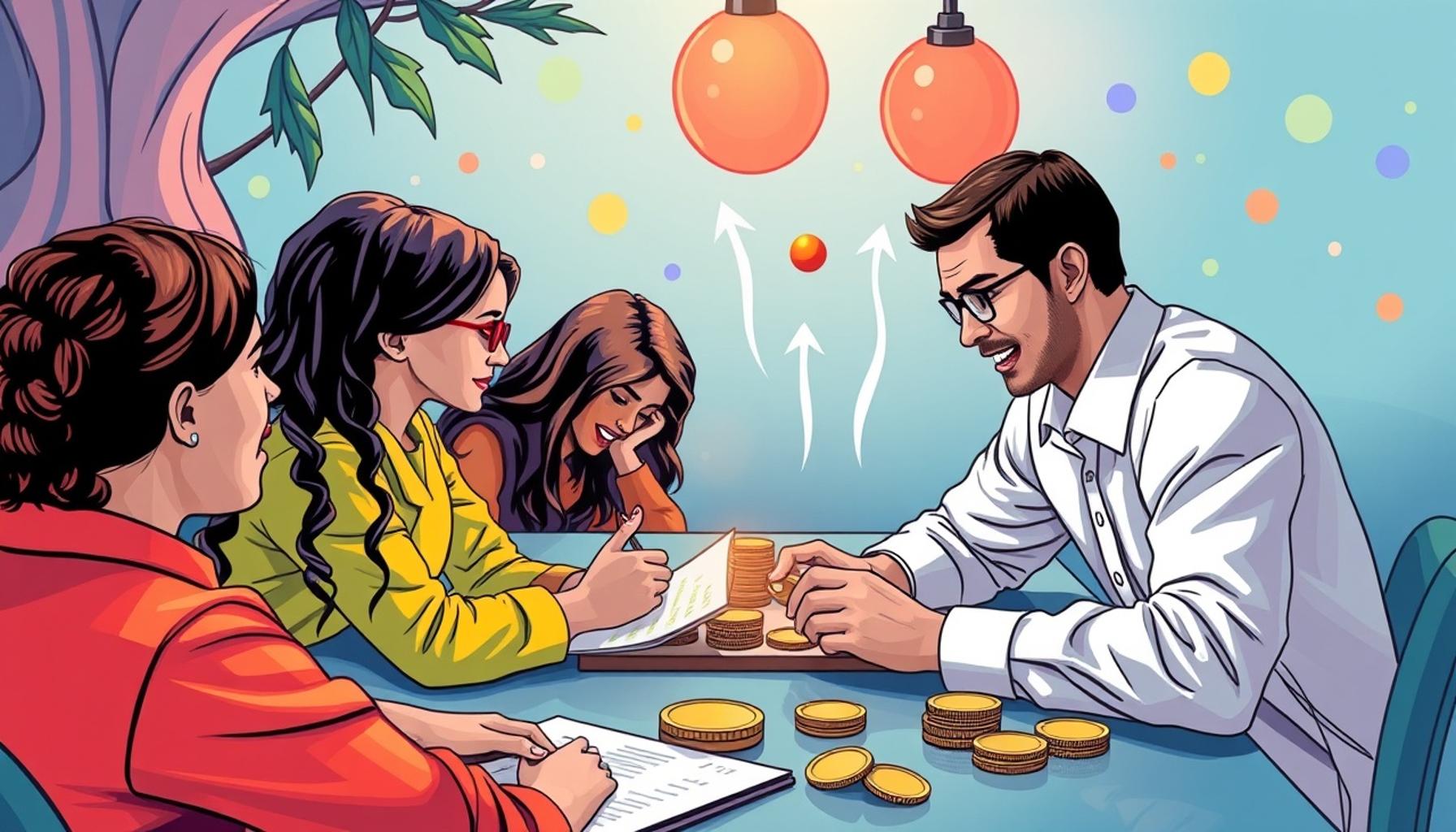
Unlocking Connections through Collaboration
In a world increasingly dominated by screens, the need for effective social skills has never been more crucial. Engaging in activities that promote teamwork can significantly enhance these skills, especially for children and adults alike. One particularly engaging way to develop social proficiency is through collaborative puzzles.
What Makes Collaborative Puzzles Unique?
- Teamwork: Working together allows individuals to communicate ideas and solutions. In a collaborative puzzle activity, every participant’s perspective is valuable. For example, one person might spot a corner piece while another identifies colors that align. This dynamic requires open dialogue and encourages participants to share thoughts freely, cultivating a collaborative spirit.
- Problem-Solving: Puzzles challenge participants to think critically and strategize as a group. When faced with complex images or particularly tricky sections, team members must brainstorm and formulate collective strategies. This not only hones analytical skills but also promotes a sense of unity as they grapple with challenges together.
- Patience and Persistence: Completing a challenging puzzle fosters resilience when faced with obstacles. The process of piecing together intricate designs can be a test of patience and determination. Participants learn that perseverance is often rewarded by success, providing both individual and group satisfaction.
Benefits of Collaborative Puzzle Activities
These engaging activities hold numerous benefits for participants, including:
- Improved communication skills through shared dialogue. Engaging with others in this manner helps develop not just verbal communication but also non-verbal cues, such as body language and facial expressions, enhancing overall interpersonal effectiveness.
- Strengthened relationships by creating shared experiences. Completing a puzzle together often leads to laughter and stories, contributing to stronger bonds among friends, family members, or even colleagues. This shared experience can lead to deeper connections that extend beyond the activity.
- Increased confidence as members contribute and make progress. Watching a puzzle come together due to collective effort instills a sense of achievement. This confidence can translate into other areas of life, encouraging participants to tackle new challenges outside of the realm of puzzles.
As we explore the world of collaborative puzzles, the path to fostering essential social skills becomes clearer. This exploration not only reveals the mechanics behind puzzle-solving but also highlights how these activities can fortify connections among individuals in various settings, from classrooms to family gatherings. As a suggestion, consider hosting a community puzzle night at your local library or community center, which could serve as a wonderful opportunity for social bonding. By coming together to unlock the intricacies of a puzzle, participants can enhance their social competencies while having a great time. Engaging in collaborative puzzles is not just about putting pieces together; it’s about piecing together relationships that matter, making it a valuable endeavor in today’s digital age.
The Mechanics of Collaboration in Puzzle-Solving
As collaborative puzzles engage participants in a communal task, they create a compelling backdrop for social interaction. The nature of puzzling as a group demands that individuals shed individualistic tendencies and embrace collective problem-solving. Each piece serves as a metaphor, representing the unique qualities each participant brings to the table. Through collaboration, not only do participants experience the challenge of completing a complex picture, but they also embark on a journey of self-discovery and interpersonal growth.
Engagement Through Shared Goals
At the heart of collaborative puzzle activities lies the concept of shared goals. When people engage in piecing together a visual enigma, they have a common target that naturally encourages discussions and cooperative planning. This dependency can be especially beneficial in educational settings, where students can work together to develop their social skills by navigating the intricacies of teamwork. Importantly, these interactions are laced with opportunities for negotiation and compromise as members debate over piece placements and strategies.
Fostering Empathy and Understanding
In addition to enhancing verbal communication, collaborative puzzles foster empathy among participants. As individuals encounter different perspectives during the puzzle-solving process, they become more attuned to the thoughts and emotions of those around them. Strengthening this understanding not only helps in the context of a puzzle but also lays the foundation for more meaningful interactions beyond the activity. This empathy can manifest in various settings—whether in classrooms, workplaces, or social gatherings—encouraging harmonious relationships.
Building a Sense of Community
Participating in collaborative puzzles also creates a sense of belonging and community, which is vital for effective social skill development. Sharing the struggles of fitting pieces can lead to laughter, frustration, triumph, and joy, creating a tapestry of shared experiences that bind participants closer together. Studies have shown that this bonding effect is crucial for building trust and mutual respect, essential components of positive social environments.
- Enhanced Active Listening: With the necessity to comprehend each member’s input, participants learn to practice active listening, leading to improved comprehension and responsiveness.
- Cultivated Leadership Skills: Collaborative puzzles often naturally allow individuals to take turns in leading discussions, offering the perfect platform to practice leadership qualities in a low-pressure environment.
- Conflict Resolution: The occasional disagreements over piece placements can provide hands-on experience in conflict resolution—an invaluable skill in both personal and professional scenarios.
As participants dig deeper into the world of collaborative puzzles, the myriad of benefits emerges, underscoring their potential as effective tools for enhancing social skills. The interplay between challenge and teamwork illuminates pathways to relational growth that would be missed in solitary activities. Thus, it becomes evident that beyond being mere pastimes, collaborative puzzles serve as profound instruments for building connections and honing social competencies, which are essential in today’s interconnected world.
Exploring the Benefits of Collaborative Puzzles
Collaborative puzzles have emerged as a dynamic tool for developing essential social skills among individuals of all ages. Their intricate design fosters interaction and teamwork, making them a perfect medium for enhancing communication abilities. The engagement that arises from solving puzzles together not only ignites cognitive processes but also nurtures interpersonal relationships. To delve deeper into the advantages of this engaging activity, the following table highlights key benefits that collaborative puzzles offer:
| Social Skill Developed | Description |
|---|---|
| Teamwork | Promotes working towards a common goal, enhancing mutual support. |
| Communication | Encourages verbal interaction and sharing of ideas, aiding in effective dialogue. |
| Problem Solving | Develops critical thinking as individuals strategize together to solve challenges. |
| Conflict Resolution | Teaches how to navigate disagreements through discussion and compromise. |
Engaging in collaborative puzzles allows individuals to explore their strengths and recognize areas for improvement while fostering an atmosphere of cooperation. Each completed puzzle is a testament to not just the cognitive aspects of puzzle-solving but also the emotional connections formed through shared experiences. In the quest for effective social skills development, incorporating collaborative puzzles into group settings or as a fun family activity can yield profound benefits. The experience not only captivates participants but also lays a strong foundation for lasting social interactions. With this understanding, one can appreciate the multifaceted role that collaborative puzzles play in enhancing social acuity.
Enhancing Communication and Collaboration
Effective communication is the backbone of successful collaboration in puzzle-solving scenarios. As groups engage in assembling a jigsaw puzzle, they must articulate their thoughts clearly, describing the pieces they hold and discussing potential placements. This interaction provides an opportunity to practice concise expression and clarity in conveying ideas. In a world where misunderstandings can easily arise, the skill of clear communication is invaluable and can lead to more productive teamwork outside the realm of puzzles.
Encouraging Diverse Thinking Styles
Collaborative puzzles allow for the exploration of varied thinking styles within a team. Each participant approaches the puzzle with their unique perspective—some may be detail-oriented, while others think abstractly. This diversity encourages teams to appreciate and integrate different problem-solving tactics. As members engage with one another’s thought processes, they not only enhance their own problem-solving abilities but also learn to value the strengths of their peers, fostering mutual respect essential for any collaborative endeavor.
Promoting Patience and Perseverance
Working on a challenging puzzle can test participants’ levels of patience and perseverance. In instances where pieces don’t fit or progress feels slow, teams learn to support each other emotionally, promoting resilience in the face of frustration. This experience is crucial in developing social skills such as emotional regulation and understanding the importance of collective patience in achieving shared objectives. The lessons learned during these moments of struggle can translate into real-life scenarios where patience and persistence are equally important, whether it’s a group project in school or a team initiative at work.
Encouraging Non-Verbal Communication
While verbal communication dominates collaborative puzzles, non-verbal communication plays a pivotal role as well. Participants frequently rely on gestures, facial expressions, and body language to convey enthusiasm or frustration, sometimes expressing what words cannot. A knowing glance exchanged over a piece that fits just right or a sigh of exasperation when progress stalls illustrates the significance of non-verbal cues in team dynamics. Participants or students can gain valuable insights into how such communication shapes relationships and interactions in various environments.
- Improved Adaptability: Negotiating during collaborative puzzles helps participants develop adaptability as they learn to pivot strategies when pieces do not fit as anticipated.
- Bridge-Building Skills: Collaborative effort can forge connections among participants from diverse backgrounds, enhancing their ability to relate to others and discuss shared interests, thus contributing to a more inclusive environment.
- Strengthened Memory and Recall: Engaging in collaborative puzzles stimulates cognitive processes, requiring participants to remember previous actions and strategies, effectively enhancing their recall capacity during social interactions.
The rich tapestry of interactions involved in solving puzzles collectively not only makes the process engaging and enjoyable but also ingrains essential social skills that extend far beyond the activity itself. As participants navigate the intricate web of collaboration, they simultaneously build a foundation of critical social competencies that will equip them for more significant challenges in their personal and professional lives.
Concluding Thoughts on Social Skills Development Through Collaborative Puzzles
In summary, the journey of developing social skills through collaborative puzzles serves as a powerful testament to the intricate blend of teamwork, patience, and communication. Engaging in puzzle-solving activities unlocks myriad opportunities for individuals to hone their ability to articulate thoughts while simultaneously appreciating diverse perspectives. This blend of skills fosters social awareness and emotional intelligence, crucial traits in navigating both personal and professional landscapes.
Through the collective effort of piecing together puzzles, participants not only strengthen essential skills such as patience and non-verbal communication but also embrace adaptability in the face of challenges. Each moment spent in collaboration shapes connections among individuals from various backgrounds, promoting inclusivity and shared understanding. As individuals learn to recognize and utilize their teammates’ strengths, they cultivate a harmonious environment that extends beyond the confines of the puzzle itself.
Furthermore, the cognitive benefits of engaging in collaborative puzzles—enhanced memory and problem-solving abilities—serve to consolidate the lessons learned through personal interactions. What starts as a playful endeavor can significantly transform how individuals connect with others in their day-to-day lives. Thus, it is evident that incorporating collaborative puzzles as a practical tool in educational settings or team-building exercises can lay a strong foundation for effective social skills development.
As the importance of collaboration continues to rise in an increasingly interconnected world, exploring creative methods like collaborative puzzles may provide the key to unlocking meaningful social interactions and deeper relationships. Therefore, embracing such activities can be a transformative step toward fostering well-rounded individuals ready to thrive in an ever-evolving societal landscape.