Social Interaction in Puzzle Solving: Building Connections Through Collaborative Challenges
Engaging the Mind and Fostering Relationships
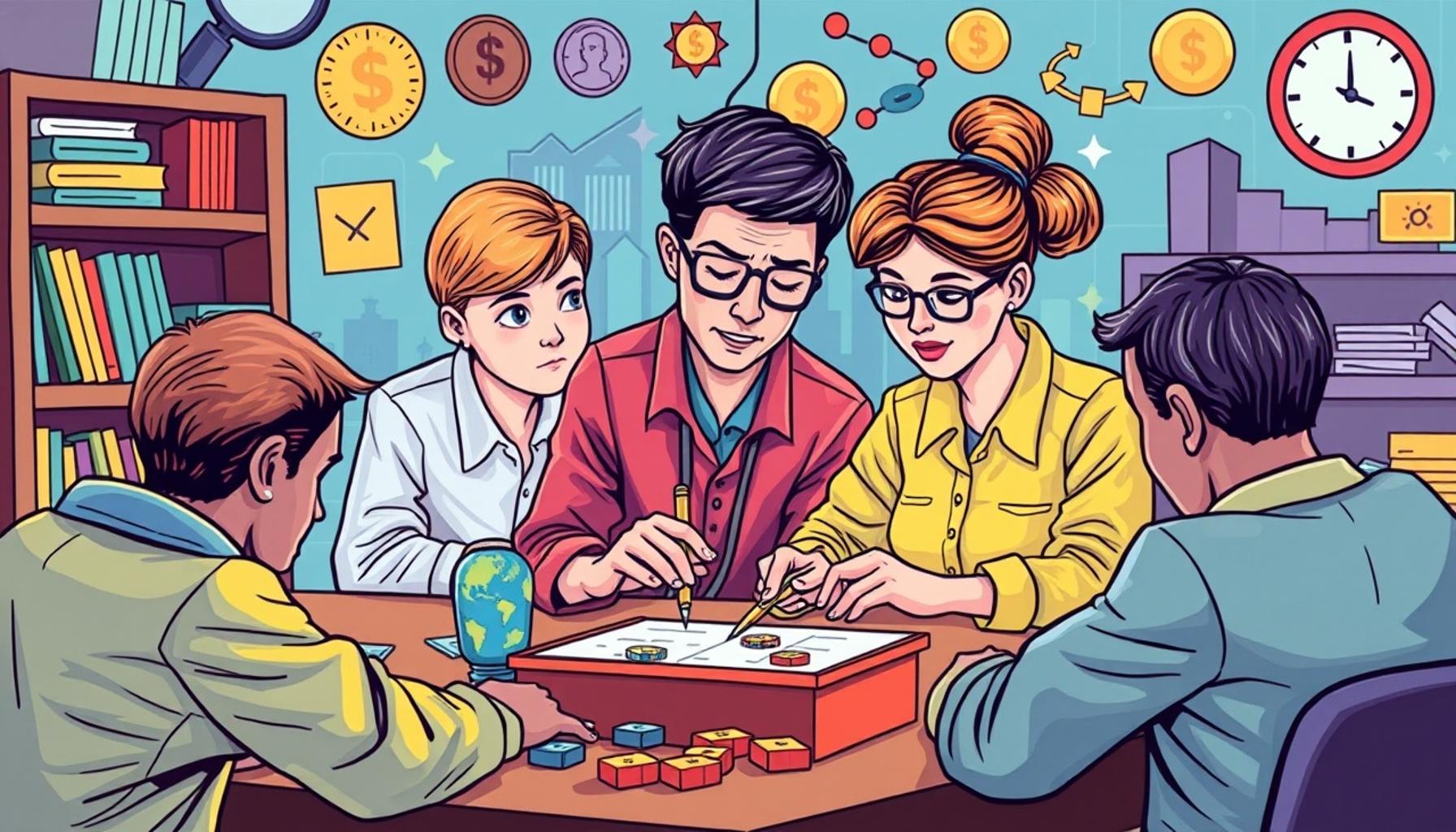
In today’s digital landscape, the allure of puzzle solving offers a remarkable blend of intellectual challenge and social engagement. Collaborative challenges serve as a bridge between individuals, bringing them together through shared pursuits. Whether navigating a complex escape room or strategizing in an online escape game, participants find themselves not just facing puzzles, but forging connections that can last beyond the activity.
The dynamic nature of puzzle solving reveals a multifaceted approach to teamwork. When individuals work together to crack a code or decode clues, they develop essential communication skills. This interactive teamwork does not just enhance the group’s success in solving the puzzle; it strengthens interpersonal bonds. Research suggests that people who engage in teamwork tend to have higher levels of trust and cohesion, immensely enhancing the collaborative experience.
- Teamwork: Participants must share their insights and ideas which encourages effective communication and builds stronger relationships.
- Shared Experiences: Completing challenges together often leads to moments of triumph where laughter and celebration create lasting memories.
- Diverse Perspectives: Different backgrounds and viewpoints contribute to innovative solutions, showcasing how diversity enhances problem-solving capabilities.
The platforms for these collaborative endeavors are varied and widespread. Popular avenues include everything from local escape rooms, where teams physically search for clues, to online puzzle games that connect people from around the world via their screens. These immersive experiences develop not just cognitive skills such as critical thinking and adaptability, but also emotional resilience as individuals learn to navigate both victories and setbacks together.
Furthermore, the societal impacts of collaborative puzzle solving are profound. Communities can rally around events such as puzzle competitions or scavenger hunts, promoting local businesses and fostering a sense of togetherness. The act of solving puzzles collectively illustrates how shared challenges bring diverse individuals together, promoting empathy and understanding.
As we delve deeper into the nuances of social interaction within puzzle solving, we will uncover the significant benefits of collaboration and the lasting relationships that form as a result. These enriching experiences don’t just transform individuals, but also facilitate a ripple effect that can invigorate whole communities, enhancing the fabric of society.
Collaborative Problem Solving: The Power of Unity
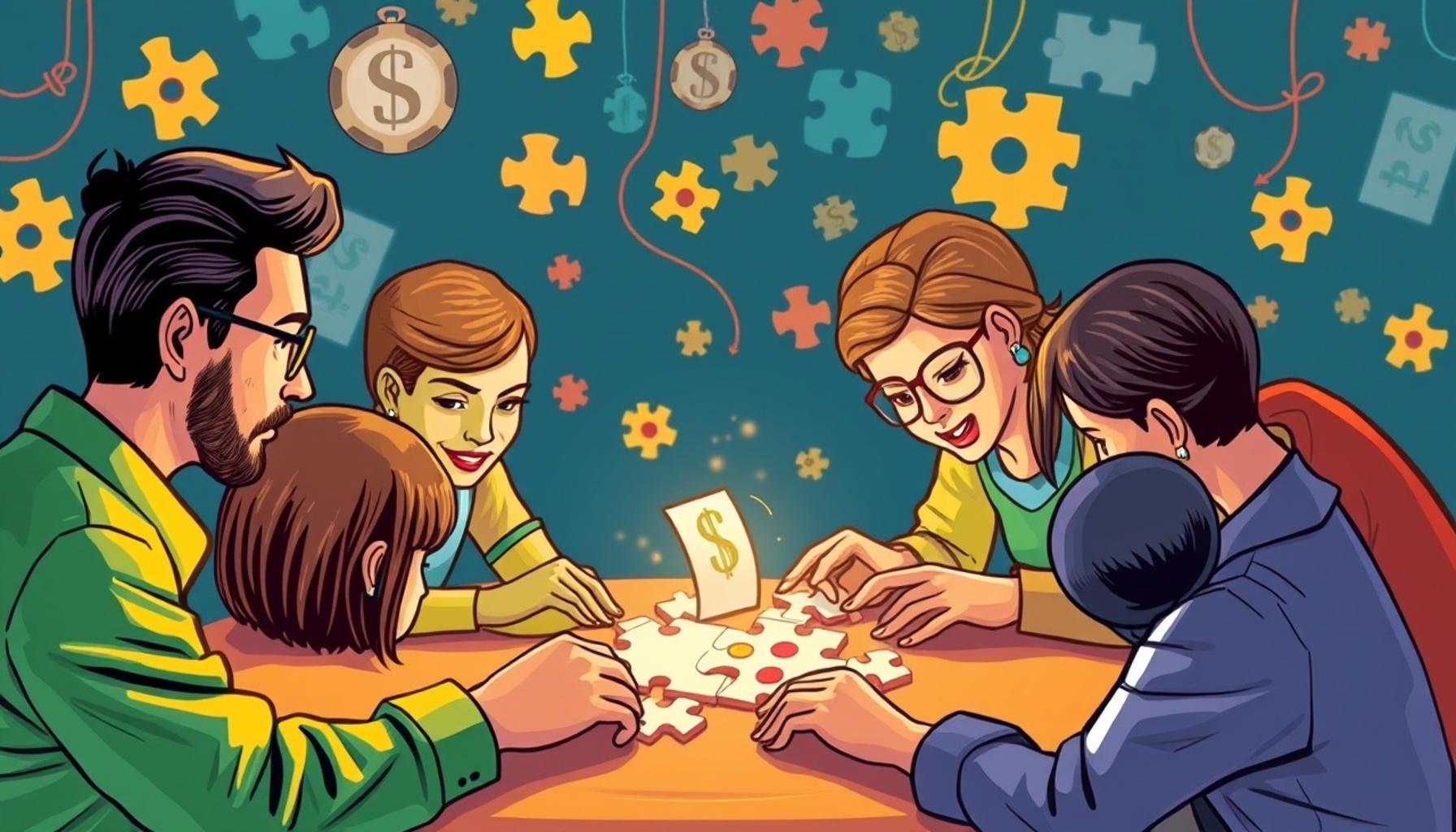
Puzzle solving is inherently a social activity that thrives on collaboration. Individuals come together, pooling their unique skills and insights to tackle challenges that require joint effort and communication. This approach not only enhances the potential for success but also encourages the forging of friendships through shared experiences. When faced with a brain-teaser, the often nuanced and layered discussions that emerge underscore the importance of collaborative problem solving.
As participants engage in solving puzzles, they often find themselves immersed in a highly interactive environment. This exchange fosters an atmosphere conducive to learning from one another, cultivating not just problem-solving strategies but also emotional intelligence. Collaboration in puzzle-solving allows team members to navigate differing opinions, manage conflicts, and appreciate a range of perspectives. Many times, these interactions are the seeds for long-lasting relationships that extend beyond the immediate task at hand.
- Emotional Bonding: Working under pressure to meet a common goal creates a bond among participants. Shared stress and exhilaration during solutions lead to stronger emotional connections.
- Skill Development: Collaborative puzzle-solving sharpens not only critical thinking but also teamwork capabilities, providing participants with invaluable life skills.
- Community Engagement: Group challenges often lead to increased community involvement, driving interactions outside of the puzzle environment. This reinforces local ties and social networks.
Moreover, the widespread availability of collaborative puzzles, ranging from virtual communal platforms to in-person events, has made these activities accessible to a diverse audience. Apps and online games enable friendships to blossom across geographical boundaries, as friends and strangers alike connect in pursuit of shared challenges. Observing how gaming communities thrive online provides a contemporary example of the strength found in collective efforts. The act of collaborating on puzzles facilitates a unique environment where players may feel more comfortable expressing themselves and forging mutual respect, thus promoting healthy social interactions.
Pursuing a common goal through puzzle-solving has societal implications that extend beyond recreational activities. It promotes a culture where teamwork and collaboration are not just valued but celebrated. Events like puzzle competitions or team scavenger hunts are becoming increasingly popular across the United States. Such gatherings play a pivotal role in strengthening community bonds by encouraging people to work together towards a shared objective.
In the following sections, we will delve deeper into the psychological and social benefits derived from collaborative puzzle-solving experiences. These intriguing dynamics highlight how such activities form the canvas for vibrant social interactions while enriching individual relationships and community life.
| Advantages | Description |
|---|---|
| Enhanced Communication Skills | Collaborative puzzle solving fosters active listening and clear expression of ideas, essential for effective teamwork. |
| Strengthened Relationships | Working together on challenges builds trust and camaraderie, allowing individuals to forge deeper connections. |
| Increased Problem-Solving Efficiency | Collectively tackling puzzles leads to diverse perspectives, resulting in quicker and more innovative solutions. |
| Boosted Motivation | Collaboration breeds enthusiasm and accountability, driving participants to remain engaged and motivated throughout the challenge. |
In the realm of collaborative challenges, social interaction plays a pivotal role in enhancing not only strategy but the overall experience as well. The engagement in group puzzles is more than just a mere pastime; it serves as an excellent platform for individuals to hone their communication skills, which are vital for any successful team dynamic. Participants learn to articulate their thoughts clearly and practice active listening, paving the way for robust discussions. Moreover, these group activities contribute to building stronger relationships. As individuals collaborate, they are likely to experience shared triumphs and challenges, which cultivates trust and facilitates genuine connections. It’s an environment where friendships can blossom and support systems emerge. The value of collective problem-solving is unquantifiable; pooling different perspectives often results in faster and more creative resolutions to problems that would otherwise take hours or even days if approached individually. Consequently, this also leads to a natural increase in motivation. A team that collaborates is more inclined to maintain their momentum, support each other, and achieve goals more effectively. As they work through puzzles together, not only do they stimulate their minds, but they also learn the importance of bonding over shared challenges, ultimately paving the way for lasting connections and impactful experiences.
Unpacking the Psychological and Social Dimensions of Collaborative Puzzle Solving
Engaging in collaborative puzzle solving not only serves as a platform for community building but also triggers a myriad of psychological benefits that enhance interpersonal connections. The mental stimulation experienced during these shared challenges ignites cognitive functions, encourages creative thinking, and bolsters social cohesion. As individuals work together, they are often pushed outside their comfort zones, prompting increased curiosity and encouraging them to explore unconventional solutions alongside their peers.
One notable aspect of collaborative puzzle-solving environments is the emphasis on active listening. Participants must engage earnestly with each other’s ideas, refining their thought processes and yielding innovative solutions that may not have surfaced in isolation. This vital skill nurtures respect and strengthens the ability to communicate effectively—two fundamental components of healthy relationships. Research indicates that people who effectively collaborate in problem-solving scenarios tend to develop deeper emotional ties characterized by mutual respect and understanding. This not only leads to successful puzzle completion but also cultivates trustworthy partnerships that extend beyond the puzzle space.
Interestingly, the type of puzzles also plays a key role in enhancing social interaction. For instance, strategic games like escape rooms require collective effort and real-time communication, heightening the adrenaline and excitement of teamwork. According to the American Psychological Association, activities that induce a shared sense of urgency can significantly elevate camaraderie among participants, ultimately transforming casual acquaintances into close friends. Similarly, jigsaw puzzles, which involve a less time-sensitive challenge, offer a slower-paced opportunity for meaningful interaction and discussion, allowing team members to share personal stories and experiences as they work towards a common goal.
- Building Empathy: Through collaborative puzzles, individuals practice empathy by understanding diverse viewpoints and recognizing the validity of others’ emotional responses. This learning extends beyond the puzzle-solving experience, nurturing future interpersonal relationships.
- Conflict Resolution: When differences arise during puzzle-solving sessions, participants learn to address conflicts in constructive ways. Developing this skill can enhance conflict management capabilities in various life contexts, promoting more robust social connections.
- Inclusivity in Interaction: Collaborative puzzles often encourage inclusivity, inviting participants from varied backgrounds to share their thoughts. This diversity enriches problem-solving processes and fosters a greater appreciation for different perspectives, leading to stronger connections.
Furthermore, the rise of puzzle-solving gatherings and fandoms across the U.S. showcase just how integral these interactions can be for individuals looking to enhance their social network. Cities are witnessing the emergence of dedicated puzzle nights, where enthusiasts convene to solve riddles or compete in trivia competitions. These events not only emphasize the social aspect of puzzle solving but also create a safe space for individuals to meet others with shared interests. The participation in such collaborative challenges builds community spirit, as participants often celebrate each other’s accomplishments, reinforcing bonds and creating a network of support.
As this growing trend continues, it becomes evident that collaborative puzzle solving is much more than a pastime; it is a vital tool for community engagement and relationship-building. By investing in activities that encourage teamwork, emotional resonance, and communication, individuals can foster rewarding social connections, transforming casual interactions into lifelong friendships.
Conclusion: The Power of Puzzle Solving in Strengthening Social Bonds
In summary, collaborative puzzle solving serves as a dynamic catalyst for forging meaningful social connections, bridging the gap between individuals from diverse backgrounds. The psychological benefits inherent in these shared experiences—such as enhanced social cohesion, improved communication skills, and increased empathy—underscore the profound impact that teamwork has on interpersonal relationships. As participants engage in the thrill of tackling challenges together, they cultivate a sense of camaraderie that transcends the immediate task at hand, often leading to lasting friendships in the process.
Moreover, the diverse range of puzzles—spanning from high-energy escape rooms to leisurely jigsaw challenges—offers unique opportunities for interaction, ensuring that individuals can find an environment that resonates with their social preferences. The vibrant puzzle-solving communities springing up across the United States not only foster socialization but also encourage a sense of belonging, reinforcing the idea that engaging in such activities is crucial for community well-being.
As we move forward into a world increasingly characterized by isolated living and digital communication, embracing puzzle-solving as a collaborative endeavor presents a compelling opportunity for individuals to reconnect and strengthen their social fabric. By participating in these enriching experiences, we not only enhance our problem-solving skills but also weave together the threads of friendship, understanding, and respect that are vital for an engaged community. Ultimately, the joyful process of puzzle solving illuminates the path to deeper connections and mutual support, making it a truly invaluable activity in our modern society.