
Innovative Technology in Brain Challenges: How Apps are Redefining Mind Games
Unlocking New Dimensions of Brain Games
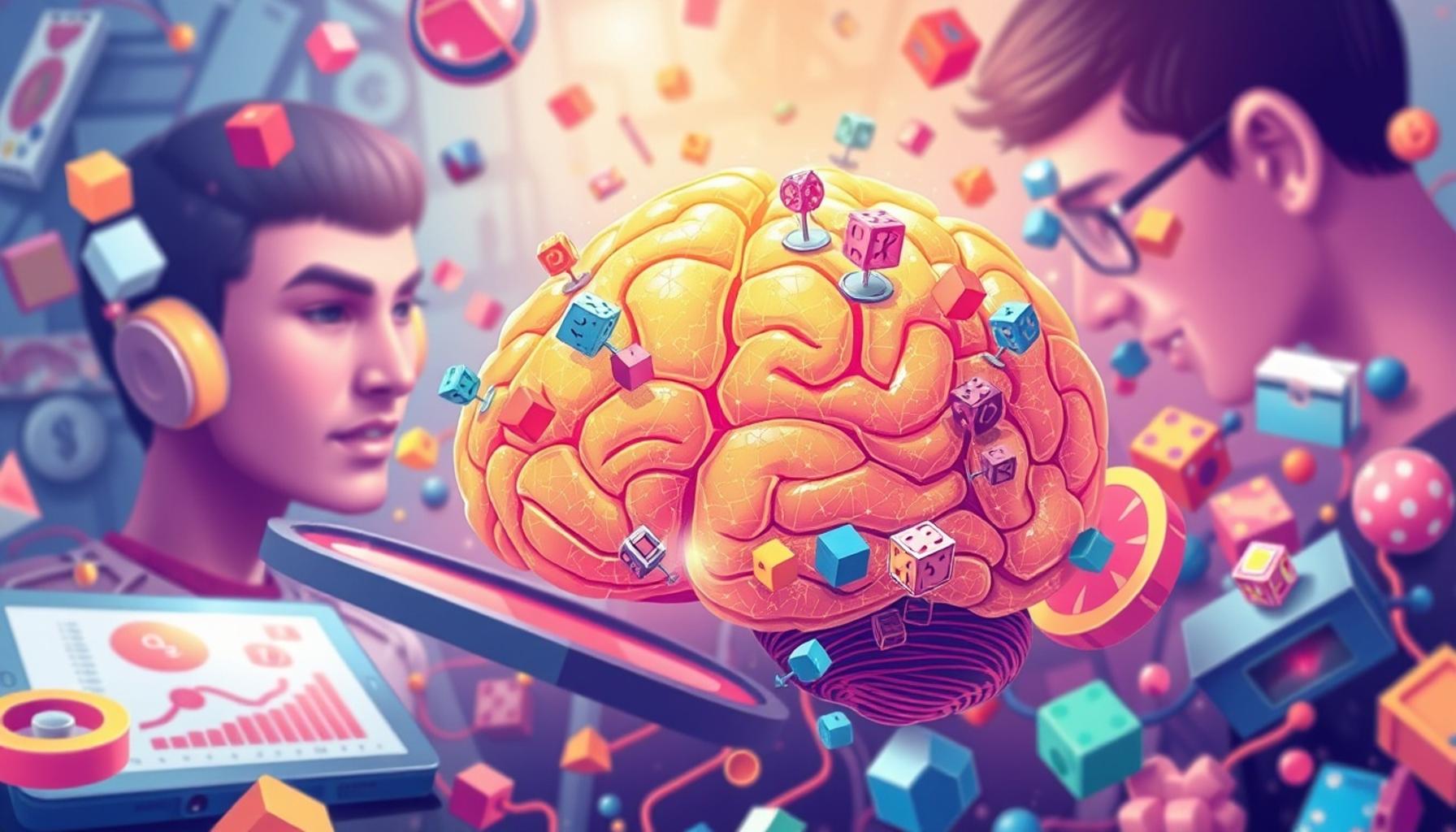
The landscape of brain challenges is undergoing a remarkable transformation. Thanks to the emergence of innovative technology, mind games are evolving significantly. New interactive apps are designed to stimulate cognitive functions and engage users in meaningful ways. These platforms not only invite users to enhance their mental agility but also make the entire experience enjoyable and engaging.
Key Features of Modern Brain Apps
- Customization: One of the standout features of modern brain apps is the ability for users to tailor their gaming experience. For instance, a user can adjust the difficulty levels to suit personal preferences, whether they are a beginner or an experienced player. This customization ensures a personalized experience that can challenge individuals based on their skill levels.
- Variety: The variety of brain games available is astounding. From puzzle-solving games like Sudoku and jigsaw puzzles to apps designed specifically for memory enhancement, such as Lumosity and Peak, there’s an app for every cognitive challenge. This extensive selection allows users to focus on specific areas like logic, verbal skills, or spatial reasoning, promoting well-rounded mental development.
- Social Interaction: Many brain apps feature leaderboards and competitive challenges that foster a sense of community among players. For example, apps like Elevate not only allow users to track their progress but also offer the opportunity to challenge friends, turning solitary brain training into a shared experience. This social dimension adds an engaging layer of excitement and motivation to the process.
In this dynamic environment, anyone can engage their minds through accessible technology. Popular choices in the U.S. span from traditional brain teasers to more complex strategies aimed at promoting neuroplasticity, the brain’s ability to reorganize itself by forming new neural connections throughout life. The convergence of gameplay and neuroscience enables not just entertainment but also genuine cognitive enhancement, paving the way for personal growth.
Why This Matters
Understanding how these innovative tools work can lead to better mental health and sharper thinking skills. Research has shown that regular engagement with brain games can improve memory, enhance problem-solving abilities, and even delay the onset of cognitive decline associated with aging. Hence, brain game apps may serve as more than just pastimes; they can become essential tools for personal growth and mental well-being.
As we delve deeper into the myriad of offerings in the realm of brain games, it becomes evident that the future of these challenges is not only exciting but also endlessly evolving. Users who are proactive in using these apps may find themselves not just entertained, but also equipped with sharper minds ready to tackle the complexities of everyday life.
Transforming Cognitive Engagement Through Technology
As technology advances, the way we approach brain challenges has been radically transformed. The rise of mobile applications has created a new era for cognitive training, where traditional methods of brain games have been redefined with sophisticated algorithms and interactive interfaces. These developments are not only elevating the standard of gameplay but are also making cognitive training more widely accessible than ever before.
The Science Behind the Games
At the heart of these brain challenge apps lies a robust understanding of cognitive science. Many developers collaborate with neuroscientists to ensure that the games offered are not just entertaining but are also backed by research-driven methodologies that target specific cognitive functions. For instance, apps like CogniFit utilize scientific principles to design exercises that enhance memory, attention, and spatial awareness. This data-driven approach ensures users are not only having fun but are also engaging in activities that could lead to real cognitive improvements.
Benefits of Digital Mind Games
The convergence of technology and brain training results in numerous advantages for users, including:
- Accessibility: With mobile devices at everyone’s fingertips, individuals can engage in brain exercises anytime and anywhere. Whether on a commute or during a lunch break, users can jump into quick sessions that fit their schedules.
- Tracking Progress: Most brain challenge apps come equipped with features that allow users to track their performance over time. This tracking mechanism serves not only as motivation but also provides insights into cognitive strengths and weaknesses, which can guide future training.
- Adaptive Learning: Many of these apps employ machine learning techniques to adapt challenges based on user performance. This means that as a player improves, the app adjusts the difficulty of tasks to provide a continuous challenge, preventing stagnation and boredom.
The ability to engage with dynamic content designed specifically for cognitive enhancement is a game changer. Not only has this tech-savvy approach redefined what brain games look like, but it has also opened doors for a broader audience. Those who may have previously felt intimidated by traditional puzzles or board games can now engage with these challenges in a more user-friendly environment.
An Expanding Market
The brain game app market has exploded in recent years, attracting millions of users across the globe. According to a report by Statista, the global cognitive training market is expected to surpass $8 billion by 2025, indicating a growing recognition of the importance of mental fitness in a fast-paced world. With more adults actively seeking tools for cognitive enhancement, apps are ideally suited to provide a solution that is both effective and convenient.
The integration of innovative technology into brain challenges has laid the groundwork for a new cultural phenomenon centered around mental fitness. As users embark on their cognitive journeys, they unlock potential not just within the confines of their screens but also in their daily lives. Understanding the multifaceted capabilities and benefits of these apps ultimately cultivates a culture that values both mental health and intellectual growth.
As technology continues to reshape various aspects of our lives, the realm of mind games is experiencing a transformative wave driven by innovative applications. These apps combine modern neuroscience with engaging game mechanics, delivering experiences that not only entertain but also enhance cognitive abilities.One significant advancement lies in the use of artificial intelligence and machine learning algorithms. These technologies allow apps to adapt to individual player capabilities, providing personalized challenges that promote growth in areas such as memory, attention, and problem-solving skills. By learning from user performance, these apps create a tailored approach, ensuring that players are constantly pushed to elevate their brain skills without experiencing frustration.Moreover, the integration of augmented reality (AR) in brain games offers an immersive experience that captivates players, combining physical and digital environments to create more engaging scenarios. For instance, users might solve puzzles in their living rooms while interacting with holographic elements, transforming mundane tasks into exhilarating mental workouts. This blend of the real world with gaming can significantly enhance motivation and retention, encouraging users to return and continue their cognitive development.In addition to individual benefits, brain training apps contribute to community building. Many platforms incorporate social elements, enabling users to compete against friends or join global leaderboards. This competitive aspect adds a layer of excitement and encourages players to challenge one another, fostering a spirit of camaraderie. As individuals connect through shared goals of mental enhancement, they create supportive networks that inspire continued engagement and improvement.Furthermore, accessibility has drastically improved, with many brain challenge apps available for free or at a minimal cost. This democratization of cognitive training enables individuals from various backgrounds to access tools that were once confined to expensive programs. With just a smartphone, anyone can participate in a brain-boosting journey, making cognitive enhancement a possibility for all.This multifaceted approach to brain challenges redefines traditional mind games, leading to an era where technology and cognitive development intersect. As advancements continue, the excitement around apps that redefine mind games is palpable, offering a glimpse into a future where mental agility becomes an integral part of our everyday lives. The question arises: how can users harness these technologies not just for fun, but to achieve tangible improvements in their mental health and cognitive resilience?
Personalization and Community Engagement in Brain Training
As digital platforms continue to evolve, personalization plays an essential role in how brain challenge apps engage users. Unlike traditional puzzles that offer a one-size-fits-all approach, modern apps harness user data to fine-tune their offerings. By analyzing play patterns, cognitive skills, and even user feedback, apps such as Lumosity and Peak can tailor exercises to meet each individual’s needs. This personalized experience not only enhances user engagement but also significantly increases the likelihood of cognitive improvement.
The Role of Gamification in Cognitive Training
To further enrich the user experience, many brain challenge apps employ gamification elements that transform mundane tasks into competitive and rewarding activities. Leaderboards, achievement badges, and daily challenges create a stimulating environment that motivates users to regularly engage with the app. For example, users can compete against friends or others globally, turning the often solitary journey of cognitive improvement into a connected and social experience. This aspect of competition fosters accountability and persistence, two critical components for achieving cognitive growth.
Social Features and Community Building
Incorporating social features into these applications has also proven essential for sustained engagement. Many apps allow users to form communities where they can share progress, exchange tips, and celebrate achievements. Platforms like BrainHQ not only offer individual challenges but also encourage user forums and group challenges, fostering a sense of community and shared purpose. This communal aspect offers psychological benefits, particularly in enhancing motivation and emotional well-being, making users feel less isolated as they embark on their mental fitness journey.
Diverse Offerings Across Various Age Groups
The innovative technology behind brain challenge apps has expanded their reach beyond just adults. Child-centric applications are designed to make cognitive training fun for younger audiences. Apps like Endless Alphabet introduce vocabulary through engaging games targeted for preschoolers, while specialized platforms for seniors, such as Elevated Minds, focus on memory retention and cognitive agility to help maintain mental sharpness as they age. This emphasis on diverse offerings ensures that individuals of all ages can benefit from the cognitive training landscape.
The Integration of Virtual Reality (VR) and Augmented Reality (AR)
As the technological landscape evolves, emerging modalities like Virtual Reality (VR) and Augmented Reality (AR) are making their way into brain challenge apps, paving the way for groundbreaking cognitive training methods. These immersive experiences allow users to engage in brain games that mimic real-world scenarios, thus enhancing learning through contextual experience. For instance, apps offering AR capabilities can create cognitive exercises that overlay digital challenges in the user’s physical environment, transforming everyday spaces into interactive brain-training arenas. This innovation not only adds excitement to cognitive training but also offers practical scenarios for applying learned skills.
Moreover, studies suggest that auditory and visual stimulation within a VR context can lead to higher retention rates and better recall of information, making it a compelling area of exploration in the future of brain training apps.
In a landscape saturated with technological solutions for cognitive enhancement, the intersection of personalization, gamification, community engagement, and immersive technology is revolutionizing how individuals approach brain challenges. The ongoing developments in this field are indicative of a promising future where mental fitness is prioritized, making cognitive enhancement accessible, enjoyable, and deeply integrated into our daily routines.
Conclusion: The Future of Cognitive Fitness through Innovative Technology
In an era where technology permeates every aspect of our lives, innovative brain challenge apps are leading a cognitive revolution. By harnessing the power of personalization, these apps cater to individual needs, transforming what was once a routine exercise into a dynamic and engaging experience. The introduction of gamification not only makes mental workouts enjoyable but also instills a sense of competitiveness that encourages consistent participation.
Moreover, the emphasis on community engagement allows users to connect with others on similar cognitive journeys, making brain training a shared endeavor rather than a solitary task. This social aspect, combined with diverse offerings suitable for all ages, ensures that brain games are adaptable and relevant to everyone, from children to seniors. Apps catering to different cognitive needs bridge generational divides, promoting mental fitness across demographics.
Looking ahead, the integration of cutting-edge technologies such as Virtual Reality (VR) and Augmented Reality (AR) marks a significant shift in how cognitive training can enhance real-world interactions. These immersive experiences hold the potential to not only improve learning outcomes but also enrich the overall mental fitness landscape. As research continues to evolve, the insights gained from these technologies will likely shape the next generation of brain challenge apps.
In conclusion, as innovative technology redefines mind games, it prompts us to reconsider how we approach cognitive health. The increased emphasis on accessibility, adaptability, and social interaction is steering mental fitness into a more engaging and influential space in our daily lives. The future is bright for those looking to boost their cognitive abilities through apps that are not only effective but also deeply enriching.