The Role of Peptides in Stimulating Collagen Production for Youthful Skin
Unlocking the Secret to Youthful Skin
As we age, our skin undergoes natural changes that can lead to a dull, less elastic appearance. One of the most significant factors in maintaining youthful skin is the presence of collagen, a protein that gives skin its structure and firmness. This is where peptides come into play.
What Are Peptides?
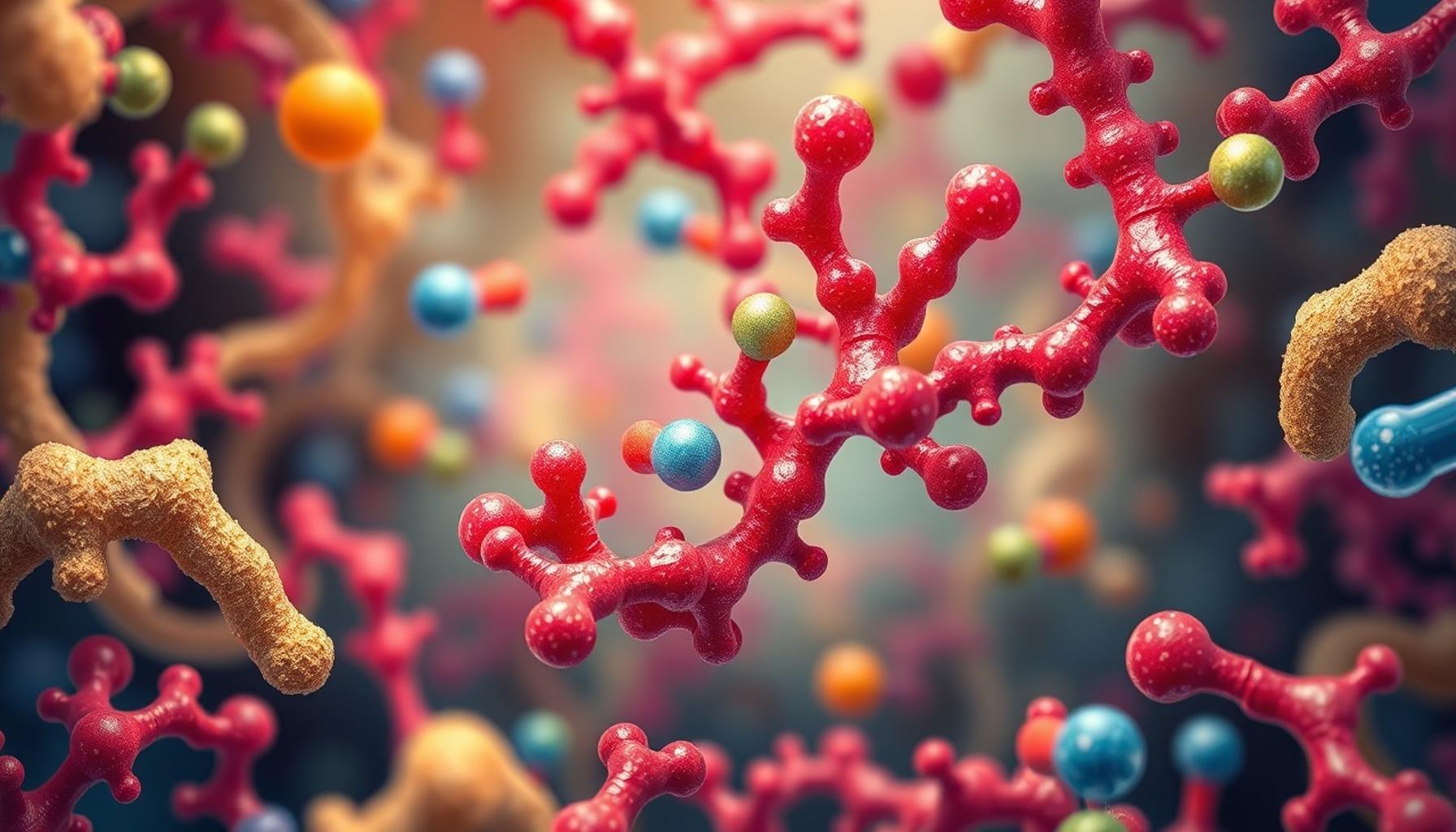
Peptides are short chains of amino acids that serve as building blocks for proteins in the body. They are gaining popularity in skincare for their potential to:
- Stimulate collagen production
- Improve skin texture
- Boost hydration
By signaling the skin to produce more collagen, peptides help address common signs of aging, such as:
- Fine lines
- Wrinkles
- Laxity
For instance, Matrixyl, one of the most studied peptides, has been shown to significantly improve the appearance of wrinkles in a variety of clinical studies. Similarly, copper peptides not only stimulate collagen but also work as antioxidants, promoting healing and reducing inflammation, which makes them highly sought after in anti-aging formulations.
The Science Behind Peptides
Research reveals that specific peptides can penetrate the skin barrier and promote cellular communication, leading to enhanced collagen synthesis. Their ability to mimic the body’s own signaling molecules means they can effectively instruct skin cells to function and react as they would in younger skin. As a result, beauty enthusiasts and skincare formulators in the United States are increasingly incorporating them into products.
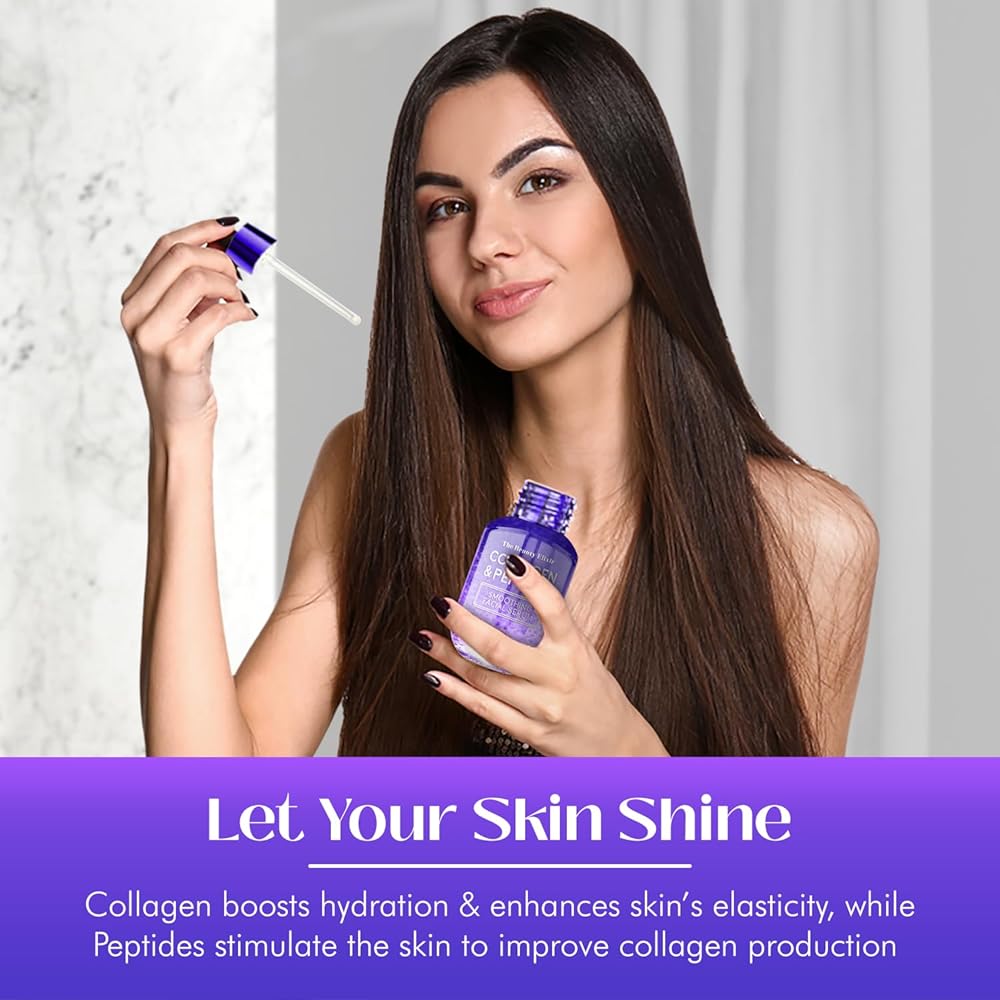
For example, popular brands in the U.S. market, such as The Ordinary and Neutrogena, have introduced peptide-infused serums and creams that promise to revitalize aging skin. These formulations often highlight labeled peptides on their ingredient lists, showcasing scientific innovation catered to consumers’ desire for effective anti-aging solutions.
Understanding how peptides function offers an exciting glimpse into the future of skincare. With their ability to potentially transform our skin’s appearance, they might just be the key to unlocking that youthful glow. The growing interest in science-backed skincare ingredients suggests that consumers are not just looking for cosmetics to cover imperfections, but rather solutions that engage with the skin’s biology, encouraging natural regrowth and rejuvenation.
As you explore the vast array of skincare products available, consider looking for those that include peptides among their ingredients. The potential benefits are vast, and as research continues to unfold, the possibilities for skincare innovation remain tantalizingly promising.
LEARN MORE: Click here to discover the impact of facial treatments on your mental well-being
Peptides: The Building Blocks of Youth
Understanding the power of peptides begins with recognizing their role as essential players in the skin’s resilience. When we think of collagen, we often consider it solely as a structural protein. However, the synthesis of collagen is a complex process driven by various biological signals, and here is where peptides shine. As tiny messengers, they communicate between cells to initiate essential processes, including the production of collagen.
How Peptides Work to Boost Collagen Production
The beauty of peptides lies in their ability to mimic the signals that identify the body’s need for repair and regeneration. As skin ages and collagen levels decline, peptides step in to signal fibroblasts (the cells responsible for collagen synthesis) to ramp up their production. This rejuvenating effect creates a more youthful appearance by:
- Enhancing skin elasticity – Peptides promote the skin’s natural firmness, reducing sagging and improving contour.
- Smoothing fine lines – With more collagen comes a reduction in visible wrinkles and fine lines, resulting in smoother skin texture.
- Improving hydration – Many peptides have strong humectant properties, helping the skin to retain moisture and maintain its natural barrier function.
For instance, pentapeptides commonly found in skincare formulations have been shown to increase collagen and elastin production significantly. This combination not only improves the skin’s strength and elasticity but also enhances its overall resilience to external environmental stressors, such as pollution and UV rays, both prevalent in urban settings across the United States.
Where Science Meets Skincare
Scientific research is continuously unveiling the potential of peptides in skincare. The American Academy of Dermatology corroborates this by acknowledging numerous studies that demonstrate the efficacy of peptide-infused products in reducing signs of aging. With the advent of advanced formulation technologies, ingredients such as Tripeptide-1 and Palmitoyl Oligopeptide are becoming household names in the beauty industry, featured in serums and creams that promise revitalization and repair.
Consumers are increasingly gravitating toward these peptide-enhanced products, seeking solutions that align with their desire for natural, science-based results. From luxury brands to affordable options, skincare lines in the United States are responding to this trend, leading to a burgeoning market that focuses on the science of skin rejuvenation rather than superficial beauty.
As a result, the integration of peptides in daily skincare regimens has become an essential strategy for those looking to combat aging effectively and achieve a youthful glow. With each application, the potential benefits of peptides not only promise immediate improvements in skin texture but also continue to offer long-term solutions for maintaining vibrant, healthy skin.
The Science Behind Peptides and Collagen Production
Peptides serve as powerful signals within the body, particularly in the realm of skin health. When applied topically, these small chains of amino acids penetrate the skin and send messages to fibroblasts—the cells responsible for producing collagen. The result? A significant boost in collagen synthesis that can enhance the skin’s firmness and elasticity, leading to a more youthful appearance. Research indicates that specific peptides, such as palmitoyl pentapeptide-4, can effectively stimulate collagen production and reduce the appearance of fine lines and wrinkles.
Types of Peptides and Their Functions
In the world of skincare, not all peptides are created equal. There are different classifications, including signal peptides, carrier peptides, and enzyme-inhibitor peptides. Signal peptides, for instance, communicate with the skin to promote collagen and elastin production. Carrier peptides, on the other hand, transport essential minerals to the cells that enrich collagen synthesis. Enzyme-inhibitor peptides are notable for their role in preventing the breakdown of collagen, defending the skin against premature aging. These various peptide types can be combined in formulations to maximize their effectiveness and provide comprehensive skin benefits.
Peptide-Infused Products: Unlocking Possibilities
The skincare market offers a plethora of peptide-infused products, from creams to serums. Incorporating these formulations into daily routines can significantly enhance skin texture and promote a radiant complexion. Ingredients like Matrixyl™ 3000 and Argireline™ are gaining popularity for their known benefits in reducing wrinkles and fine lines. Moreover, consistent use of peptide products can yield long-term results, improving skin health over time. Many consumers report visible changes in just a few weeks, highlighting the therapeutic potential of peptides in achieving youthful skin.
Integrating Peptides into Your Skincare Regimen
For optimal results, it is essential to understand how to integrate peptides effectively into your skincare regimen. Start by cleansing the skin thoroughly. Follow this with a peptide serum that allows for deeper penetration. Layer it with a hydrating moisturizer to lock in moisture and create a barrier. Consulting with skincare professionals can help tailor peptide treatments according to individual skin needs, ensuring a customized approach to skin rejuvenation.
The Future of Peptides in Skincare
As research continues to evolve, peptides are at the forefront of innovative skincare formulations. Ongoing studies aim to discover new peptide sequences and combinations that showcase even greater collagen-stimulating abilities. With the rise of synthetic biology and biochemistry, we may witness the advent of tailor-made peptides designed specifically for unique skin concerns. The future is promising, suggesting that the role of peptides in stimulating collagen production will expand greatly, offering even more powerful solutions for youthful skin.
| Advantages | Description |
|---|---|
| Enhanced Skin Elasticity | Peptides bolster collagen levels, improving firmness and elasticity. |
| Reduction of Fine Lines | Regular use of peptide products minimizes the appearance of wrinkles. |
DISCOVER MORE: Click here to learn the facts
The Types of Peptides and Their Unique Benefits
Diving deeper into the realm of peptides, it’s essential to recognize that not all peptides are created equal. The vast array of peptide types offers distinct benefits, particularly when it comes to stimulating collagen production. Understanding these differences can help consumers make informed choices in their skincare routines.
Signal Peptides
Signal peptides are among the most significant in the quest for youthful skin. These peptides act as messengers that effectively prompt the skin’s cells to produce more collagen. For example, Palmitoyl Pentapeptide-4, a well-researched signal peptide, has been scientifically proven to stimulate collagen synthesis and enhance the skin’s overall density. As evidenced by clinical studies, regular application of products containing this peptide can lead to noticeable improvements in skin elasticity and firmness.
Carrier Peptides
Another vital subset is carrier peptides, which serve to deliver essential trace elements, such as copper, directly to the skin. Copper peptides, known for their healing properties, help accelerate the natural repair process and encourage collagen formation. Research indicates that GHK-Cu, a well-known copper peptide, plays a dual role; it not only promotes collagen production but also enhances antioxidant protection, thereby neutralizing free radicals that can damage skin cells. This feature is particularly beneficial for individuals seeking to maintain skin vitality in urban settings where pollution is a pressing concern.
Enzyme Inhibitor Peptides
Moreover, enzyme inhibitor peptides deserve attention as they prevent the breakdown of collagen. For instance, Palmitoyl Oligopeptide works by inhibiting matrix metalloproteinases (MMPs)—enzymes responsible for collagen degradation. By slowing down this process, enzyme inhibitor peptides can significantly prolong the structural integrity of the skin, making them a crucial component in anti-aging formulations.
Combining Peptides for Enhanced Results
The synergistic effect of combining different types of peptides is becoming a popular strategy in skincare formulations. Research suggests that products containing a blend of signal, carrier, and enzyme inhibitor peptides can amplify collagen production and improve skin texture more dramatically than those featuring a single type. For example, formulations that incorporate both GHK-Cu and Palmitoyl Pentapeptide-4 have been shown to yield improved results in clinical trials, highlighting the importance of understanding peptide interactions and their cumulative benefits.
Furthermore, the effectiveness of these peptides can also be enhanced by the presence of supporting ingredients such as hyaluronic acid, vitamins, and antioxidants, creating a multi-faceted approach to skin rejuvenation. This trend underscores a shift in the skincare industry towards products that not only contain active ingredients but also focus on optimized formulations that work in harmony with the skin’s biology.
The Future of Peptide Innovations in Skincare
As ongoing research continues to unveil the potential of innovative peptides, the future of skincare looks promising. Emerging peptides that specifically target various skin concerns, such as pigmentation and inflammation, are entering the market. These advancements provide consumers a broader range of options tailored to their unique skincare needs.
Ultimately, the integration of peptides in skincare routines represents a modern, scientific approach to attaining and maintaining youthful skin. With each advancement, there is an ever-growing confidence in the ability of peptides to redefine anti-aging strategies, promising a future where looking youthful might just be a matter of understanding how to harness the body’s natural processes effectively.
DIVE DEEPER: Click here to uncover the latest trends
Conclusion
In the dynamic landscape of skincare, peptides stand out as a transformative tool in the pursuit of youthful skin. Their ability to stimulate collagen production is not merely a trend but a scientifically-backed strategy that aligns with the skin’s natural processes. As we’ve explored, distinct peptide types—such as signal peptides, carrier peptides, and enzyme inhibitor peptides—each play essential roles in enhancing collagen synthesis, supporting skin repair, and preventing collagen degradation. This multifaceted approach is particularly crucial for individuals facing the harsh realities of environmental stressors, such as pollution, that accelerate premature aging.
Moreover, the collective benefits of combining different peptides in formulations only amplify their effectiveness, leading to improved skin texture and resilience. This is further enhanced by incorporating complementary ingredients like hyaluronic acid and antioxidants, which work synergistically to create comprehensive skincare solutions. As research continues to pave the way for innovative peptide technologies, consumers can look forward to a burgeoning array of tailored products addressing a multitude of skin concerns.
Ultimately, the embrace of peptides in skincare offers a promising avenue for individuals seeking to reclaim their skin’s youthful vitality. By harnessing the power of peptides, we are not just applying topical products; we are engaging in a proactive dialogue with our skin. This holistic understanding champions a future where anti-aging strategies blend science with nature, empowering individuals to maintain their skin’s health and beauty well into their later years. As we unravel the mysteries of peptides further, it is clear that they are not just the future of skincare—they are the present, redefining how we approach aging with grace.