The effect of stress on the skin and anti-aging strategies

The Hidden Battle: Stress and Your Skin
Everyday life can take a toll on our skin, transforming it into an emotional canvas that reflects our mental state. Stress is not just a passing feeling; it triggers a cascade of biochemical reactions that can accelerate visible aging. Understanding this relationship is essential for anyone looking to maintain healthy, youthful skin.
Why Stress Matters: Stress activates the body’s fight-or-flight response, releasing hormones like cortisol. This process leads to various skin problems, such as:
- Increased oil production: When cortisol levels rise, they stimulate the sebaceous glands in the skin, resulting in increased oil production. This can lead to clogged pores and acne flare-ups, an issue that affects many in the U.S., especially teenagers and young adults.
- Flare-ups of existing skin conditions: Chronic stress has been shown to exacerbate skin conditions like eczema, psoriasis, and rosacea. Individuals suffering from eczema may notice their symptoms worsening during particularly stressful periods, indicating a direct correlation between emotional strain and skin health.
- Premature wrinkles and fine lines: Ongoing stress can lead to a reduction in skin elasticity and hydration. Studies have demonstrated that high levels of stress can deplete collagen, a critical protein that keeps skin firm and youthful. As a result, individuals may begin to develop fine lines and wrinkles earlier than expected.
In the United States, where the pace of life can often feel overwhelming, recognizing these impacts is critical. The rise in conditions such as acne and eczema correlates with the growing stress levels across demographics. A survey conducted by the American Psychological Association found that nearly 80% of Americans experienced significant stress in their daily lives. With stress being a contributing factor to skin issues, exploring innovative anti-aging strategies can significantly improve both skin health and emotional well-being.
Implementing effective stress management techniques is essential not only for the mind but also for the skin. From topical treatments to lifestyle changes, understanding how to combat stress-related skin issues is key. Simple methods such as regular exercise, mindfulness meditation, and adequate sleep can dramatically alter an individual’s skin condition. Additionally, utilizing products rich in antioxidants and hydrating ingredients, like hyaluronic acid and vitamin C, can help restore skin vitality and combat the damaging effects of stress.
Readers will discover techniques that not only rejuvenate skin but also foster a sense of calm. For example, incorporating yoga into a daily routine can reduce stress hormones and improve blood flow, while also promoting a glowing complexion. By diving into the intricacies of skincare and learning how to mitigate the effects of stress, individuals can enhance their beauty and confidence. Prioritizing mental health through self-care rituals can serve as both a preventive and restorative measure for the skin, ultimately reminding us that beauty radiates from within.
DISCOVER MORE: Click here to learn about natural age-defying ingredients
The Skin’s Silent Alarm: Recognizing Stress Symptoms
Understanding the connection between stress and skin health is crucial for anyone interested in maintaining a youthful appearance. The skin acts as the body’s largest organ and serves as a sensitive barometer of what’s happening internally. As stress becomes a constant companion for many, its visual manifestations on the skin emerge quietly but powerfully, often signaling deeper issues.
How Stress Affects Skin Health: The physical reactions to stress are as harmful to the skin as they are to the mind. When faced with stress, our bodies produce excess cortisol, a hormone that can wreak havoc on our skin. The following skin issues are commonly linked to prolonged stress:
- Acne Breakouts: Elevated cortisol levels lead to overactive sebaceous glands, resulting in increased oil production. This surge can clog pores, giving rise to acne that can be persistent and hard to treat. In fact, a study published in the Journal of Investigative Dermatology shows a direct connection between stress and the exacerbation of acne.
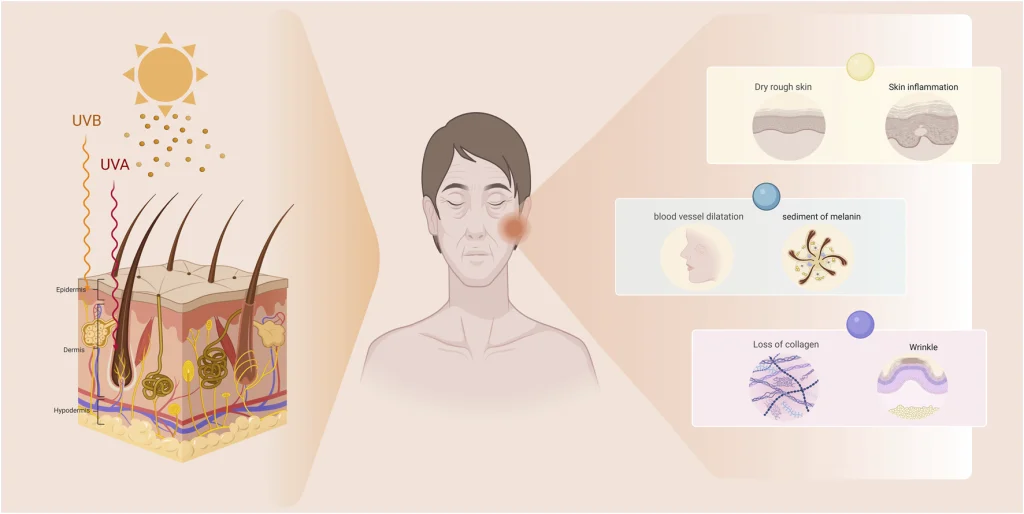
- Skin Inflammation: Stress triggers inflammatory responses that can lead to redness, puffiness, and irritation. Conditions like eczema and psoriasis are often aggravated by stress, indicating that mental wellness is inherently linked to skin stability. Understanding this connection could prompt individuals to seek treatments that address both skin and emotional health.
- Loss of Skin Radiance: Chronic stress can prevent the skin from achieving a healthy glow. A lack of hydration and nutrients, coupled with decreased blood flow to the skin, can leave it looking dull and lifeless. The American Academy of Dermatology emphasizes the importance of a balanced lifestyle to support skin health and combat these negative effects.
The whirlwind pace of modern life across the United States, from demanding jobs to balancing family responsibilities, contributes significantly to escalating stress levels. This surge in stress correlates with increasing reports of skin issues among young adults and even children, who often grapple with academic and social pressures. Recognizing the invisible toll that stress takes on our skin is essential for a holistic approach to skincare.
Implementing Anti-Aging Strategies: Tackling stress-induced skin problems requires a multi-faceted approach that blends effective skin care routines with stress management techniques. Incorporating practices such as daily exercise, which releases endorphins and reduces cortisol levels, can lead to healthier skin. Engaging in regular mindfulness exercises and cultivating a sleep routine that prioritizes rest can also significantly enhance skin vitality.
Moreover, adopting skincare products that contain key ingredients essential for combating stress effects can make a substantial difference. Serums and creams infused with antioxidants (like vitamin C and E) and moisturizing agents (such as hyaluronic acid) not only nourish the skin but also help fight free radicals that contribute to aging. By integrating these strategies, individuals can reclaim control over both their skin and overall well-being.
Ultimately, understanding the intricate relationship between stress and skincare can empower individuals to develop a proactive mindset. The path to glowing, youthful skin lies not just in topical applications but also in nurturing both body and mind. Embracing a holistic approach may be the key to unlocking resilience against the effects of stress on our skin, making it crucial to recognize and address these pervasive influences.
The Effect of Stress on the Skin and Anti-Aging Strategies
Stress is a pervasive factor that can significantly impact skin health and accelerate the aging process. Under stress, the body releases hormones like cortisol, which can lead to various skin issues such as inflammation, dryness, and a loss of elasticity. The relationship between stress and skin health is well-documented, with studies showing that prolonged exposure to stress can result in premature aging signs, including fine lines and wrinkles.One of the first visible effects of stress on the skin is the appearance of acne and other blemishes. Stress can increase oil production, leading to clogged pores. Additionally, stress may exacerbate pre-existing skin conditions such as eczema and psoriasis, making treatment more challenging. The release of inflammatory compounds during stressful periods can cause skin flare-ups, resulting in an uneven complexion that many find distressing.To combat the effects of stress, numerous anti-aging strategies can be employed. Effective ones include mindfulness practices such as meditation and yoga, which help lower cortisol levels and improve overall well-being. These methods have been shown to enhance blood circulation, promoting skin regeneration and a healthier appearance. Regular exercise not only alleviates stress but also boosts collagen production, which is vital for maintaining skin’s elasticity.Incorporating a regime of antioxidant-rich skincare products can also provide protective benefits against oxidative stress. Ingredients like vitamin C and E play a pivotal role in reducing inflammation and stimulating skin repair. Additionally, hydrating treatments and serums that contain hyaluronic acid can help counteract the skin’s dryness associated with stress.Moreover, ensuring adequate sleep and adhering to a balanced diet enriched with omega-3 fatty acids can further support the skin’s health. Foods such as fatty fish, nuts, and leafy greens can combat inflammatory processes and enhance skin resilience. Remember, the journey to healthier skin starts with understanding and managing stress effectively.
| Category | Detail |
|---|---|
| Cortisol Impact | Increased cortisol leads to skin irritation and accelerated aging. |
| Skin Regeneration | Mindfulness practices boost skin cell renewal and resilience. |
Incorporating these approaches into daily life can dramatically enhance your skin’s health while combatting the negative effects of stress. Exploring these strategies offers an exciting path toward maintaining youthful, vibrant skin amid life’s pressures.
DISCOVER MORE: Click here to learn about diet’s effects on skin health
Stress: The Hidden Agitator Behind Premature Aging
The impact of stress on skin health extends beyond temporary flare-ups and cosmetic concerns; it permeates the very essence of the skin’s aging process. The reality is that chronic stress can lead to accelerated aging—a phenomenon that many might regard as a suffering that originates solely from the passage of time. Research indicates that stress not only speeds up the physical manifestations of aging but also alters cellular functions, diminishing the skin’s ability to repair itself.
The Biological Mechanism of Aging: Stress induces harmful physiological responses at the cellular level. When cortisol levels escalate, they can interfere with the body’s natural healing processes and make skin more susceptible to damage caused by environmental factors such as UV radiation and pollution. Furthermore, a study published in the Journal of Dermatological Science suggests that elevated cortisol can lead to decreased collagen production. Collagen is the fundamental protein that maintains skin structure and elasticity, a critical element for achieving a youthful look. When collagen levels drop, skin begins to sag and wrinkle, showcasing visible signs of aging.
Visible Signs of Aging: Individuals under sustained stress may notice changes such as fine lines, wrinkles, and decreased skin elasticity accumulating more rapidly than in peers with lower stress levels. Stress can also exacerbate the appearance of dark circles and puffiness around the eyes, which are often a result of disrupted sleep patterns associated with anxiety and stress. Notably, according to a survey conducted by the American Academy of Dermatology, more than 50% of dermatologists reported observing an increase in skin conditions related to stress in their patients. The findings emphasize the urgency for effective anti-aging strategies aimed at addressing both skin health and emotional resilience.
Anti-Aging Strategies to Combat Stress: A comprehensive approach is vital for managing the dual challenges of stress and skin aging. Beyond skincare products that contain retinoids and peptides, which can help boost collagen production, lifestyle changes can also yield significant benefits. Integrating practices such as yoga and tai chi has been shown to lower cortisol levels and improve overall skin conditions, promoting relaxation while enhancing skin vitality. Additionally, maintaining a balanced diet rich in omega-3 fatty acids and antioxidants can support skin health from the inside out, thus mitigating the systemic effects of stress.
Furthermore, supplementing with vitamin D and other essential nutrients can bolster the immune system and improve skin repair processes. Regular hydration is equally essential; water plays a crucial role in maintaining skin moisture and elasticity, which can counteract dryness often exacerbated by stress. The National Institute of Health also points out the importance of social support as a mechanism to lower stress levels—spending time with friends and family can place a buffer against emotional strain and subsequently enhance skin radiance.
In essence, fostering emotional wellness is just as vital as investing in skincare routines. The nexus between stress management and skin health is an imperative acknowledgment in today’s fast-paced world. By adopting a holistic approach, individuals can effectively empower themselves with not just youthful skin but also a more resilient mind. The willingness to address both sides—nurturing one’s emotional landscape while outfitting one’s skincare regimen—is a transformative strategy toward defying the visible effects of stress on aging skin.
DISCOVER MORE: Click here to learn about natural ingredients that fight aging
Concluding Thoughts on Stress and Skin Aging
In summary, the relationship between stress and skin aging is a complex interplay that reveals how our emotional state can significantly influence our physical appearance. Chronic stress is not merely a temporary concern; it poses profound implications for skin health, leading to an alarming acceleration of aging signs, such as wrinkles, loss of elasticity, and uneven texture. As we navigate the demands of modern life, it becomes imperative to recognize the biological mechanisms at play, particularly the role of cortisol in diminishing collagen production and the skin’s natural resilience.
Fortunately, there are numerous anti-aging strategies that can mitigate the effects of stress while promoting a robust skin defense. Integrating holistic practices such as mindfulness, regular exercise, and nutrient-rich diets can empower individuals to not only enhance their physical appearance but also improve their mental well-being. Supplements like vitamin D and adequate hydration further support skin health, reinforcing the idea that beauty truly emanates from within.
As we strive for clear, youthful skin, a balanced approach that encompasses both emotional wellness and skincare routines is essential. It is essential for individuals to embrace this dual strategy, fostering a stronger connection to both their internal and external selves. By prioritizing stress management and implementing a thorough anti-aging regimen, individuals can navigate the challenges of skin aging more effectively. Ultimately, understanding and addressing the effects of stress on skin health opens the door to achieving lasting beauty that radiates resilience and vitality.