The Evolution of Skincare Trends: From Minimalism to Multi-Step
The Evolution of Skincare Trends
In recent years, consumers have witnessed a dramatic evolution in the world of skincare, a shift that intertwines the influences of social media, scientific advancements, and cultural changes. With platforms like Instagram and TikTok exploding in popularity, skincare routines are no longer just private rituals but are now shared widely, giving rise to new trends at an unprecedented pace. As a result, individuals are often faced with a plethora of choices that can seem both exciting and overwhelming.
Today, skincare approaches can be broadly categorized into two divergent philosophies that reflect the varied desires of consumers:
- Minimalism: This approach focuses on using a limited number of high-quality products, advocating for simplicity and effectiveness. Minimalists favor multifunctional products, such as a moisturizer that also incorporates sun protection, thereby streamlining their routines. A prime example is the rise of the “skinimalism” trend, which promotes a more natural and effortless look, encouraging users to embrace their skin’s natural texture.
- Multi-step routines: On the other end of the spectrum lies the elaborate multi-step skincare regimen, which often involves anywhere from five to even ten steps. This method is celebrated for its targeted approach that addresses specific skin concerns, such as acne or hyperpigmentation. Popularized by the Korean beauty (K-beauty) movement, this regimen typically includes steps like double cleansing, toning, essence application, and various layers of serums to achieve that coveted glowing skin.
These shifts illuminate the evolving priorities of consumers who are increasingly invested in achieving healthy skin. The rise in awareness around ingredient transparency has made shoppers more discerning than ever. Many individuals now diligently read labels and research products, searching for natural ingredients, sustainability, and cruelty-free certifications. Brands such as The Ordinary or Drunk Elephant exemplify this transparent ethos by providing consumers with detailed information on their formulations, allowing for informed choices.
The Influence of Social Media
Social media has profoundly impacted skincare trends, creating viral challenges that drive product sales and brand success. For instance, the popularity of the “glass skin” trend, which aims for an ultra-dewy complexion, has encouraged countless consumers to adopt multi-step routines to achieve this look. Beauty influencers regularly share their favorite products, often leading to a surge in the popularity of specific items, sometimes referred to as ‘TikTok made me buy it’ products.
Dermatological Insights and Consumer Behavior
The integration of dermatological research into product formulations further enhances consumers’ understanding of skincare. Scientific studies on ingredients like hyaluronic acid, retinol, and peptides have fortified their popularity, guiding consumers toward making better choices suited to their skin types. This merging of science and beauty allows individuals to navigate their skincare journeys confidently, armed with knowledge about what works best for them.
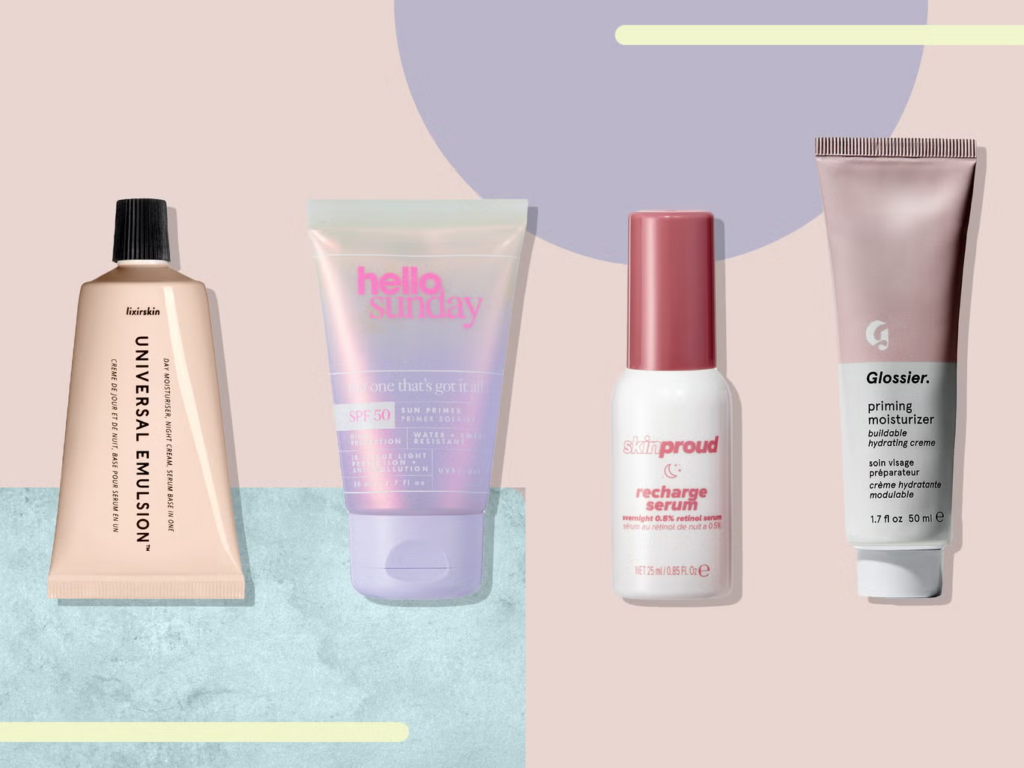
As the skincare landscape continues to evolve, understanding these two prominent trends—minimalism and multi-step routines—uncovers essential insights into consumer behaviors in the U.S. Whether one prefers a simple, efficient approach or an elaborate skincare regimen, the key takeaway remains the same: informed decisions lead to more satisfying skincare experiences. Explore your options, investigate the ingredients, and find the routine that speaks to your skin’s unique needs. The journey to healthier skin is both personal and increasingly inclusive, promising a wealth of new discoveries along the way.
DIVE DEEPER: Click here to discover the impact of sleep on your skin
Skincare Trends: Minimalism vs. Multi-Step
The minimalism movement in skincare is rooted in the desire for simplicity amidst the overwhelming choices consumers face today. As individuals strive to declutter various aspects of their lives, this trend resonates powerfully with those seeking an uncomplicated approach to skincare. Minimalists prioritize quality over quantity, focusing on the efficacy of fewer, multifunctional products rather than an extensive array of items. The core philosophy behind this trend is the belief that a streamlined routine not only simplifies daily rituals but also minimizes potential irritation to the skin.
One standout example of this minimalist ethos is the trend known as skinimalism. This movement encourages individuals to embrace their skin’s natural texture, favoring a “less is more” philosophy that promotes a healthy and effortless look. Skinimalism often champions the use of lightweight products that hydrate and balance the complexion, such as tinted moisturizers or hybrid skincare-makeup products that provide hydration while offering a hint of coverage. The key here is that consumers are becoming more empowered in their skincare choices, focusing on what truly works for their unique skin types.
The Allure of Multi-Step Routines
In contrast, the bustling world of multi-step routines appeals to those who seek a more elaborate methodology in their skincare journey. Popularized primarily by the Korean beauty (K-beauty) movement, these intricate regimens often consist of 10 or more meticulously curated steps, each targeting specific skin concerns with precision. Enthusiasts of this trend argue that the specificity allows them to address issues such as acne, dryness, and hyperpigmentation with tailored solutions that deliver visible results.
Steps typically included in multi-step skincare routines are:
- Double Cleansing: Starting with an oil-based cleanser to remove makeup, followed by a water-based cleanser to ensure a clean slate.
- Toning: Using toners to balance skin pH and prepare it for further products.
- Essence Application: A lightweight product aimed at hydrating and enhancing skin texture.
- Serum Layering: Application of targeted treatments, such as vitamin C for brightening or retinoids for anti-aging.
- Moisturizing: Locking in hydration with creams that suit the skin type.
- Sunscreen: Applying daily protection to prevent premature aging and skin damage.
This comprehensive approach often results in a devoted community of followers who delight in the layering process and the variety of options that allow for customization. However, consumers must be cautious, as the extensive nature of multi-step routines can sometimes lead to product overload, which risks sensitizing the skin, particularly for those with more reactive skin types.
Understanding both minimalism and multi-step approaches provides valuable insight into the broader skincare landscape, ultimately showcasing the diverse preferences and needs of consumers as they navigate their skincare journeys. Whether one is drawn to the simplicity of minimalism or the thoroughness of a multi-step routine, the emphasis lies on finding what works best for one’s skin and lifestyle.
| Advantages | Details |
|---|---|
| Customization | The evolution towards multi-step routines allows individuals to tailor products that suit their specific skin types and conditions. |
| Targeted Treatments | Multi-step skincare provides the opportunity to target various skin concerns effectively, from acne to signs of aging, yielding visible results. |
| Increased Awareness | As consumers delve into detailed skincare routines, they become more educated about ingredients and their benefits. |
| Self-Care Ritual | Engaging in comprehensive skincare can serve as a form of self-care, promoting mindfulness and relaxation. |
The transition from minimalism to multi-step skincare routines signifies a shift in consumer priorities towards options that address a wider array of needs. Historically, simplicity claimed the spotlight, championing products with a few potent ingredients to maintain the skin’s health. However, as knowledge and product availability increased, so did consumer expectations. This shift has, in turn, highlighted the role of brand transparency, ingredient sourcing, and personalization in constructing an effective skincare regimen.Interestingly, each era of skincare reflects broader cultural sentiments toward beauty standards and health consciousness. Modern skincare aficionados often embrace ritualistic practices that celebrate the healing properties of diverse plant extracts, vitamins, and serums, making skincare not just a grooming routine but also a lifestyle choice. This change prompts a deeper examination of skincare’s impact on overall mental and emotional well-being, leading many individuals to consider the beauty industry’s role in shaping societal norms and self-image.
DISCOVER MORE: Click here to learn about powerful natural solutions
The Influence of Social Media on Skincare Trends
The rise of social media platforms has undeniably transformed the landscape of skincare trends, serving as both a catalyst and a mirror for evolving consumer preferences. Influencers and skincare enthusiasts share their routines, reviews, and recommendations, amplifying the visibility of both minimalist and multi-step regimes to millions of followers. This democratization of beauty information empowers consumers by allowing them to access a wealth of knowledge that may have once been confined to beauty counters and specialist stores.
Platforms like Instagram and TikTok have birthed viral challenges and hashtag trends such as #SkincareRoutine, where users showcase their day-to-day practices, often ranging from the ultra-simplistic to the intricate layering of products. Notably, TikTok, with its short-form, engaging video content, has played a significant role in catapulting multi-step routines into the mainstream. Users often create “Get Ready With Me” videos that highlight the latest and greatest in K-beauty, with products touted for their innovative ingredients like snail mucin or hyaluronic acid garnering huge attention.
Conversely, the minimalist skincare movement—fueled by the desire for authenticity—found its footing as influencers advocate for skin health over heavily made-up faces. Content that champions natural beauty, such as “skin first, makeup second,” aligns perfectly with today’s growing emphasis on inclusivity and self-acceptance. The trend is a powerful reminder of the importance of taking care of one’s skin health, regardless of whether one chooses to layer on products or to let their complexion breathe. With discussions of skin positivity in full swing, minimalism has become a lifestyle choice for many, promoting a focus on nourishing and sustainable products.
The Role of Ingredients and Consumer Awareness
As consumers become more informed about the potential side effects of certain ingredients, the conversation around skincare has evolved into one of chemistry and efficacy. Ingredient-focused marketing is at the forefront, with active ingredients like retinol, peptides, and niacinamide taking center stage. This shift empowers consumers to make informed decisions based on their own skin concerns, whether they opt for a streamlined routine or a comprehensive lineup of products.
As the skincare industry leans towards transparency, brands are increasingly showcasing ingredient sourcing, production practices, and even results from clinical studies. This trend builds trust and allows consumers to engage more critically with their products, whether they lean towards simplicity or detailed routines. For instance, consumers who adopt multi-step routines may now prioritize formulations that incorporate a multitude of botanicals or adaptogens known for calming and protecting the skin.
Research has shown that social media marketing can alter consumer behavior, promoting new routines and products at a lightning pace. A study by Digital Commerce 360 notes that nearly 40% of consumers report purchasing beauty products directly influenced by social media, showcasing the importance of these platforms in shaping preferences as well as behaviors. This impact signals not only a changing aesthetic ideal but also a burgeoning awareness, prompting consumers to engage with brands that align with their personal values and skincare goals.
In summary, the interplay between social media dynamics and ingredient transparency enriches the skincare narrative, allowing consumers to envision their own skincare journeys—whether that entails stripping down to the essentials or delighting in a multitude of meticulously curated products.
LEARN MORE: Click here to discover the impact of genetics on skin aging
Conclusion: Embracing a Personalized Skincare Journey
The evolution of skincare trends from minimalism to multi-step routines reflects a broader cultural shift towards individualization and self-care. As consumers navigate through a plethora of options, they are empowered by social media and informed ingredient transparency, allowing them to tailor their skincare regimens to their unique needs. This democratization of beauty knowledge has made skincare more accessible, transforming it into a deeply personal and reflective practice.
Minimalism champions the essential, advocating for simple yet effective products that prioritize skin health while fostering a climate of acceptance and authenticity. In contrast, the multi-step approach embraces innovation and creativity, celebrating the joy of exploring a diverse array of formulations and techniques that promise a radiant complexion. This duality invites consumers to find balance, mixing and matching elements from both schools of thought based on personal preference, lifestyle, and skin goals.
As trends evolve, the focus on sustainability, clean beauty, and inclusivity will likely continue to shape consumer behavior, aligning the industry with broader societal values. Whether one gravitates towards a pared-down regimen or indulges in complex layering, the future of skincare is undeniably about choice—an expression of individuality defined by informed decisions. For those seeking to dive deeper into their skincare journey, the dialogue is far from over, beckoning every enthusiast to explore, experiment, and ultimately discover what works best for them.