
The Importance of Personalization in Skincare Routines

Understanding Personalization in Skincare
In today’s vast world of skincare, personalization is essential for unlocking radiant, healthy skin. With an overwhelming array of products available, it’s crucial to recognize that what works wonders for one individual may not suit another. This is where crafting tailored routines to cater to specific skin types and concerns can lead to incredibly positive results.
Why Personalization Matters
- Unique Skin Types: Everyone has a distinct skin type—be it oily, dry, combination, or sensitive—each requiring its own regimen. For instance, oily skin might benefit from lightweight, oil-free moisturizers, while dry skin needs richer, more hydrating formulations. Understanding your skin type is the first step towards effective skincare.
- Individual Concerns: Skincare concerns like acne, aging, or hyperpigmentation necessitate tailored approaches. For example, someone battling acne may require products with salicylic acid or benzoyl peroxide, while anti-aging solutions might focus on retinoids or antioxidants. A one-size-fits-all solution often falls short.
- Environmental Factors: External elements such as climate, lifestyle, and diet can significantly influence how your skin reacts to products. For instance, those living in humid regions may find that heavier creams exacerbate oiliness, while individuals in dry climates may need to incorporate more hydration into their regimen.
Embracing personalized skincare not only helps address specific concerns but also enhances overall skin health. By customizing choices, consumers can maximize effectiveness and minimize irritation, leading to a more satisfying skincare journey.
Exploring Personalization
There are various methods to achieve a customized skincare routine, ensuring that every individual finds the best fit for their unique needs:
- Skin Analysis: Professional assessments, typically conducted by dermatologists or estheticians, can identify underlying skin issues that might not be immediately visible. For example, they may discover conditions like rosacea or eczema, which require specialized treatments.
- Product Recommendations: An ideal routine aligns with an individual’s specific skin requirements. This means looking into ingredients and formulations. For instance, someone with sensitive skin may benefit from fragrance-free or hypoallergenic products, whereas those with oily skin may need non-comedogenic options.
- Routine Adjustments: Regularly updating one’s regimen based on fluctuations in skin conditions is vital. Skin can change due to hormonal shifts, diet variations, or even stress levels, necessitating a fresh approach to product selection and usage.
Understanding the significance of personalization in skincare routines can lead to a more effective and satisfying journey for anyone striving for their best skin. By choosing a tailored approach, individuals not only embark on a path to improved skin health but also empower themselves with knowledge about their unique characteristics and needs. This journey encourages exploration and a deeper connection to what truly works, making the pursuit of beauty both personal and rewarding.
DIVE DEEPER: Click here to discover the connection between diet and skin health
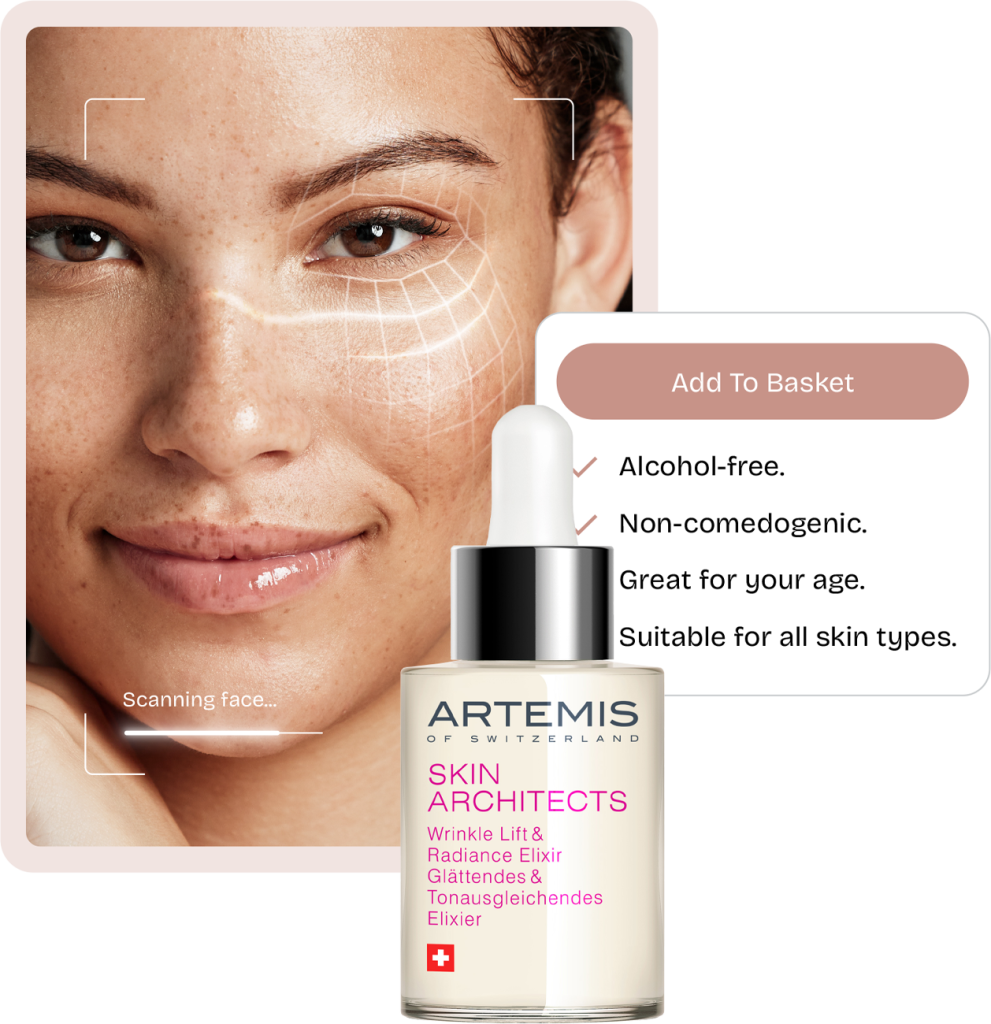
Identifying Your Unique Skin Needs
To fully embrace the concept of personalization in skincare, individuals must first understand their unique skin characteristics. This involves recognizing the various elements that define one’s skin, ranging from its moisture levels to the occurrence of specific skin conditions. Only through this understanding can a tailored skincare regimen be effectively developed.
Understanding Skin Types
Every individual has a skin type that predominantly dictates how their skin behaves and reacts to products. The basic skin types include:
- Oily Skin: Often characterized by excess sebum production, this skin type may be prone to acne and shine. Products should focus on balancing oil production while providing gentle exfoliation.
- Dry Skin: This skin type may feel tight, rough, and show more visible wrinkles. A routine rich in hydrators and emollients is crucial for maintaining moisture.
- Combination Skin: With a mix of oily and dry areas, combination skin requires a balanced approach, incorporating products that address both dryness and oiliness.
- Sensitive Skin: Prone to redness and irritation, sensitive skin needs special attention, often requiring fragrance-free and hypoallergenic formulations.
By assessing one’s skin type, individuals can steer clear of ineffective products and instead select those that harmonize with their natural skin functions.
Addressing Specific Skin Concerns
Beyond skin type, personalization is also vital when addressing unique skin concerns. These concerns can vary widely, including:
- Acne: Whether triggered by hormonal changes or environmental factors, effective acne treatments often feature ingredients like benzoyl peroxide or salicylic acid to combat breakouts.
- Hyperpigmentation: Dark spots and uneven skin tone can stem from sun exposure or hormonal shifts. Products containing vitamin C, glycolic acid, or niacinamide can help brighten and even out skin tone.
- Aging: Signs of aging such as fine lines and wrinkles necessitate anti-aging products fortified with retinoids, peptides, and antioxidants to promote skin renewal.
Pinpointing these specific concerns enables individuals to craft an informed skincare routine that addresses their direct needs, ultimately leading to enhanced skin health and appearance.
The Role of Lifestyle and Environment
Additionally, one’s lifestyle and environmental factors must be taken into consideration when personalizing skincare routines. For example, geography plays a significant role; those in sun-drenched areas of California might place greater emphasis on sun protection, while individuals in colder climates may require heavier moisturizers to combat dry air. Dietary habits, stress levels, and sleep patterns also contribute to one’s skin condition, making it essential to adopt a holistic approach.
In summary, the initial steps toward effective personalization in skincare routines involve recognizing skin types, understanding individual concerns, and weighing the impact of lifestyle and environment. By doing so, individuals can take meaningful strides toward achieving their best skin. This detailed assessment creates a strong foundation for curating a skincare regimen that is not only effective but also reflective of one’s personal skin narrative.
The Importance of Personalization in Skincare Routines
In the pursuit of radiant and healthy skin, understanding the importance of personalization in skincare routines is essential. Dermatological research consistently suggests that a one-size-fits-all approach does not yield optimal results. Each individual’s skin is unique, affected by genetic factors, environmental influences, and personal lifestyle choices. As such, a tailored skincare regimen is crucial for addressing specific skin concerns effectively.
When it comes to skincare, personalization can help target various issues such as acne, aging, dryness, and sensitivity. By analyzing skin type and its reaction to certain products, individuals can customize their routine to leverage the benefits of specific ingredients. For example, incorporating retinoids can aid in reducing signs of aging, while salicylic acid might be essential for combating breakouts. These tailored selections not only enhance the effectiveness of the products but also lead to a more gratifying skincare experience overall.
Moreover, embracing personalized skincare allows for continual adjustment in response to changing skin conditions. Seasonal variations, hormonal changes, and lifestyle shifts often affect skin behavior, making it imperative to reassess and modify routines regularly. This responsive approach not only promotes healthier skin but also fosters greater satisfaction and confidence in one’s appearance.
To highlight the benefits of personalized routines, let’s take a look at some compelling advantages summarized in the following table:
| Category 1 | Category 2 |
|---|---|
| Skin Type Matching | Utilizes products tailored for oily, dry, combination, or sensitive skin; reduces irritation and enhances results. |
| Targeted Treatments | Addresses specific issues such as pigmentation or texture; helps improve the overall complexion effectively. |
Understanding and implementing personalization in skincare routines is not just a trend, but a critical aspect for achieving long-term skin health. Each adjustment contributes to a regimen that not only meets individual needs but also fosters a deeper connection between one’s skin and overall confidence. For those seeking optimal results, exploring personalized skincare options is an exciting journey worth undertaking.
DISCOVER MORE: Click here to learn about the impact of sleep on your skin
Building Your Personalized Skincare Regimen
Once you have a comprehensive understanding of your unique skin needs, the next step is to construct a personalized skincare regimen tailored to those specifications. This regimen should focus on a structured routine that not only addresses current challenges but also enhances the skin’s long-term health.
Crafting a Daily Routine
A well-structured daily skincare routine typically includes cleansing, moisturizing, and sun protection. Each step requires careful selection of products that complement your specific skin type and concerns.
- Cleansers: For oily skin, gel-based cleansers containing salicylic acid may help control excess oil. If you have dry skin, look for cream-based cleansers that hydrate while cleansing. Sensitive skin types should opt for mild, non-irritating formulas devoid of harsh ingredients.
- Toners: While often overlooked, toners can restore pH balance and remove any residual impurities. For acne-prone skin, ingredients like witch hazel can be soothing, whereas hydrating toners with hyaluronic acid are ideal for dry skin.
- Moisturizers: For oily skin, lightweight, oil-free moisturizers are recommended, while rich creams and lotions work better for dry skin types. Combination skin may benefit from a gel-cream hybrid for balanced hydration.
- Sun Protection: The importance of using sunscreen daily cannot be overstated, regardless of skin type. Broad-spectrum SPF 30 or higher is essential in preventing skin damage and premature aging.
Incorporating Active Ingredients
The efficacy of a personalized skincare regimen can greatly increase with the inclusion of active ingredients that target specific skin concerns. Understanding how to incorporate these ingredients into your routine is vital for achieving desired results.
- Retinoids: Best known for their anti-aging benefits, retinoids can improve skin texture and reduce fine lines. They can, however, lead to irritation, so they should be introduced gradually.
- Vitamin C: A powerful antioxidant, vitamin C not only brightens the complexion but also protects against environmental stressors. Its incorporation into a morning routine can prepare the skin for the day ahead.
- Exfoliants: Depending on skin type, chemical exfoliants like alpha and beta hydroxy acids can help unclog pores and brighten the skin. However, it is crucial to avoid over-exfoliating, which can cause sensitivity.
Adjusting Your Routine Based on Feedback
Personalization in skincare is an ongoing journey that requires regular reassessment and adaptation. As skin conditions evolve with changes in seasons, lifestyle, and hormonal fluctuations, a routine that works today may not serve you effectively six months down the line. Keeping an eye on your skin reactions and feelings allows for timely adjustments.
Moreover, engaging with a skincare professional or dermatologist can provide insights based on the latest research and trends within the skincare industry. Frequent evaluations can lead to improved outcomes, making the skincare experience more beneficial and enjoyable.
This commitment to personalization signifies more than just a routine; it’s about nurturing a customized approach that honors the individual skin’s narrative. The journey towards personalized skincare not only helps in achieving aesthetic goals but also fosters a deeper connection between individuals and their unique skincare stories.
DISCOVER MORE: Click here to learn about the effectiveness of anti-aging supplements
Conclusion: Embracing Personalization for Optimal Skin Health
The significance of personalization in skincare routines cannot be overstated. As we discover the complexity of our unique skin types and concerns, it becomes clear that a one-size-fits-all approach simply does not suffice. Tailoring a regimen to address individual needs not only enhances the effectiveness of skincare products, but also fosters a deeper understanding of what your skin truly requires.
Through consistent assessment and adaptation, individuals can create routines that evolve with their skin’s changing conditions, whether influenced by environmental factors or personal lifestyle choices. This dynamic approach to skincare empowers users to respond effectively to their skin’s needs, ensuring not just short-term beauty goals but also long-term skin health.
Furthermore, incorporating active ingredients that specifically target your concerns reveals a new avenue for achieving glowing, resilient skin. Elements like vitamin C and retinoids can dramatically improve results when used appropriately within a personalized regime. By consulting with skincare professionals and being open to feedback, you can fine-tune your routine, enhance its benefits, and ultimately cultivate a relationship with your skin characterized by compassion and adaptability.
In an era that champions individuality, the journey toward personalized skincare reflects an essential trend—one that prioritizes understanding, connection, and self-care. So, take the plunge: embrace the art of personalization in your skincare routine, and unlock the potential for radiant, healthy skin tailored just for you.