The Evolution of Facial Treatments: From Traditional Techniques to Scientific Advances
Historical Context of Facial Treatments
The quest for radiant skin has fueled human creativity and innovation throughout history. From the rituals of ancient civilizations to modern-day skincare science, the evolution of facial treatments is a compelling reflection of cultural priorities, technological advancement, and an ever-deepening understanding of skin health.
Ancient Techniques and Cultural Practices
In ancient societies, facial care was integral not only for aesthetic purposes but also as a reflection of social status and cultural identity. For example, the Egyptian skincare regimen is well-documented, with the use of honey, known for its antibacterial properties, and milk, which contains lactic acid for gentle exfoliation. Cleopatra herself was famed for her milk baths, a testament to the luxurious and restorative philosophies of beauty prevalent in her time.
Moreover, the Chinese practices of skincare and rejuvenation have endured for centuries, often involving acupuncture and the application of herbal remedies like ginseng and green tea. These treatments emphasize balance and harmony within the body, showcasing an early understanding of the connection between internal health and outward appearance.
In Europe, beauty rituals varied widely but frequently included oils and ointments derived from local botanicals. In the Renaissance, recipes for beauty masks often featured ingredients like beeswax and essential oils, reflecting a burgeoning interest in natural beauty that would eventually reemerge in the modern era.
Modern Innovations in Skincare
The transition into the modern era has radically transformed facial treatment options, primarily due to the harnessing of technology and scientific research. Today, consumers are presented with a plethora of choices, often tailored to address specific skin concerns.
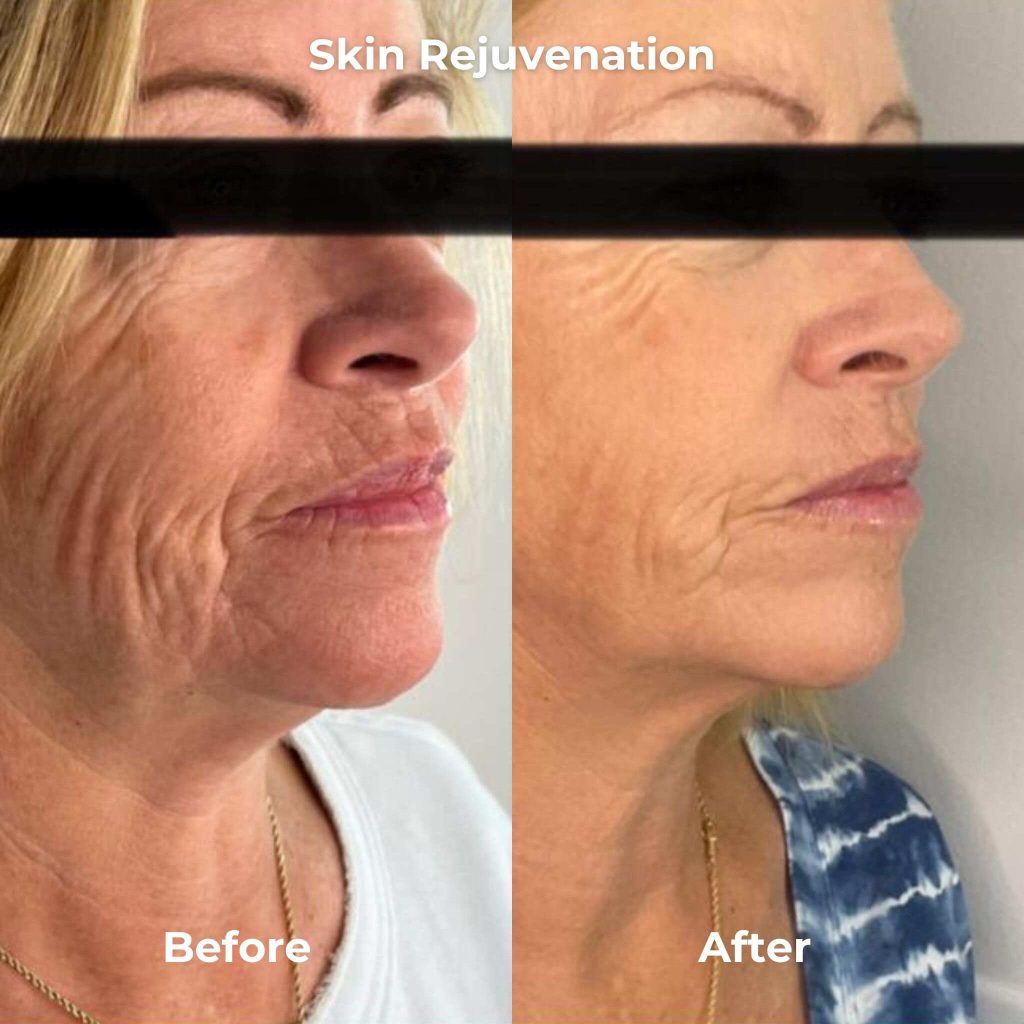
Advanced chemical peels have gained popularity, particularly in the United States, as they offer deeper exfoliation and can significantly improve skin texture. These peels utilize acids like glycolic or salicylic, which encourage new, healthy skin to surface while sloughing off dead skin cells. The results can be dramatic, leading many to invest in regular treatments.
Laser therapy represents another innovation, allowing for targeted treatments on various skin issues, including pigmentation irregularities and scarring from acne. The precision of lasers means that individuals can achieve significant improvements without the downtime associated with more invasive surgeries.
Minimally invasive procedures have revolutionized the landscape of facial aesthetics; dermal fillers and Botox now offer quick solutions for those seeking immediate results without surgical intervention. These treatments are particularly appealing as they can be customized for different individuals, making personal beauty goals more attainable than ever before.
The Future of Facial Treatments
As we delve deeper into this intricate world, it becomes evident that the future of facial treatments will continue to draw from a rich tapestry of historical practices while integrating innovative technologies. This blending of age-old wisdom with cutting-edge scientific advancements invites individuals to reassess and customize their skincare approaches in a way that fits their unique needs and cultural contexts.
Join us as we further explore the transformative potential of facial treatments, gaining insights into how changing trends might influence our understanding of beauty in the modern world.
DISCOVER MORE: Click here for essential tips
Ancient Techniques and Cultural Practices
The foundation of contemporary facial treatments can be traced back to ancient civilizations, where the pursuit of beauty was deeply intertwined with cultural identity and social status. In ancient Egypt, for instance, personal grooming and skincare were highly developed practices, with texts detailing the use of natural ingredients such as honey and milk. Honey, revered for its antibacterial and anti-inflammatory properties, was often used in facial masks. Additionally, Cleopatra’s legendary milk baths, enriched with lactic acid, exemplified an early understanding of using organic compounds to enhance skin texture and radiance.
Meanwhile, in ancient China, facial treatments adopted a holistic approach, incorporating both beauty and health. Traditional methods included acupuncture to stimulate blood flow and promote skin rejuvenation, alongside herbal remedies like ginseng and green tea. These practices reflected a profound awareness of the skin’s relationship with overall wellbeing, establishing a precedent for modern integrative beauty therapies.
Europe, too, contributed significantly to the evolution of facial treatments. During the Renaissance period, beauty rituals began to embrace a wider variety of local botanicals. Recipes for facial masks frequently included beeswax, which offered moisturizing benefits, and essential oils known for their soothing qualities. Such practices highlighted an emerging trend focused on harnessing nature’s bounty for skin improvement, a concept that has resurfaced with the recent rise in natural and organic skincare.
The Shift Toward Evidence-Based Approaches
With the passage of time and the influence of modern science, the landscape of facial treatments underwent a significant transformation. The late 20th century ushered in an era marked by breakthroughs in dermatological research and technology, paving the way for advanced skincare solutions that are now widely available to the public. Today, various innovations have emerged as effective alternatives to traditional techniques, lending themselves to both efficacy and accessibility.
- Chemical Peels: Advancements in chemical exfoliation techniques have made way for deeper treatments using acids such as glycolic and salicylic. These peels not only rejuvenate the skin but also stimulate collagen production, enhancing texture and tone.
- Laser Treatments: The advent of laser therapy has revolutionized the field, allowing for precision treatments targeting issues like pigmentation, scars, and fine lines. With limited downtime, these options appeal to individuals seeking effective yet convenient skincare solutions.
- Injectable Treatments: Cosmetic procedures like BOTOX® and dermal fillers have gained popularity due to their immediate results and minimal invasiveness. These treatments can be tailored to meet specific aesthetic goals, providing a customizable approach to facial rejuvenation.
As these methods continue to gain traction, they invite consumers to reassess their skincare regimens and seek treatments that resonate with their personal beauty aspirations. This evolution reflects a broader trend where the intersection of history and science in facial treatments caters to a diverse demographic eager to enhance their skin health.
The Integration of Tradition and Innovation
The confluence of ancient wisdom and modern technology represents a dynamic dialogue within the beauty industry. This melding of traditional practices with scientific advances ensures that as facial treatments continue to evolve, they also celebrate their rich historical roots while catering to the contemporary needs of consumers.
As the world of skincare evolves, the journey from traditional facial treatments to advanced scientific techniques showcases a fascinating intersection of time-honored practices and modern technology. Traditional facial treatments, often rooted in herbal remedies and holistic approaches, have stood the test of time. They provide a deep sense of cultural heritage and emphasize natural ingredients. Practitioners relied on botanical extracts, essential oils, and manual techniques to address skin concerns, promoting health through simplicity and nature.However, the advent of scientific advances has transformed the landscape of facial treatments, incorporating innovative technologies and cosmetic ingredients that enhance efficacy. Currently, we witness a surge in options such as chemical peels, microdermabrasion, and laser treatments. These methods are often backed by clinical research, providing quantifiable results that traditional methods may not always guarantee. For instance, the introduction of hyaluronic acid and retinoids in many facial treatments has demonstrated notable improvements in hydration and skin texture, attributes essential for youthful-looking skin.Moreover, the precision of scientific advances allows treatment plans tailored to individual skin types and concerns, a stark contrast to the one-size-fits-all approach of some traditional methods. Additionally, technologies such as nanotechnology and genetic skin analysis are paving the way for customized treatments based on individual genetic makeup, something once regarded as science fiction.One significant advantage of these scientific treatments is their ability to minimize downtime and maximize results. Unlike many traditional facial techniques, which may require extensive recovery time, modern treatments often provide immediate benefits with minimal disruption to daily life. This balance of effectiveness and convenience appeals particularly to those seeking visible improvements without long-lasting commitments.Additionally, the rising interest in preventative skincare has fueled the evolution of treatments, leading to better education about skin health and proactive measures. Consumers are becoming more aware of the importance of sun protection and nutrition, working alongside advanced treatments to achieve optimal skin health.In summary, the evolution of facial treatments reflects a blend of heritage and modernity, where traditional techniques offer a foundation that is being built upon by the innovations of scientific advancements. This holistic approach to skincare not only caters to the diverse needs of the modern-day consumer but also provides an opportunity for continued exploration of what skincare can achieve, influencing future trends and treatments.
DISCOVER MORE: Click here to dive deeper
The Pursuit of Customization and Personalization
As the beauty landscape evolves, consumers are increasingly seeking personalized facial treatments that cater specifically to their individual skin types and concerns. This shift has been fueled not only by advancements in technology but also by a growing understanding of diverse skin characteristics, acknowledging that a one-size-fits-all approach is often insufficient. Personalized skincare has become a priority, leading to innovative solutions that leverage both modern science and traditional insights.
- Skin Analysis Technologies: Digital skin analysis tools now make it possible for estheticians and dermatologists to assess skin at a granular level. These technologies can evaluate hydration levels, pigmentation, and even pore size, enabling practitioners to devise tailored treatment plans that specifically address a client’s unique needs. This scientific approach, combined with the intuitive understanding of ancient practices, marks a significant milestone in the personalization of facial treatments.
- Customized Serums and Masks: The emergence of bespoke skincare, where serums and masks are formulated on-site to address specific issues, is gaining momentum. Utilizing advanced molecular biology, brands can create formulas rich in active ingredients, adapting treatments based on real-time skin condition assessments. This represents a fusion of cultural practices, where local ingredients can still find their place in modern formulations.
- Teledermatology: The rise of teledermatology has made it easier for individuals to access professional skin advice from the comfort of their own homes. With video consultations and digital follow-ups, skincare regimens can be adjusted in response to ongoing skin changes, underscoring the trend of continuous personalization.
This consumer-driven demand for personalization within facial treatments not only reflects an engagement with one’s skin health but also resonates with a cultural shift towards self-care, highlighting the importance of mental and emotional wellbeing in aesthetic treatments. As clients become more educated about their choices, they are increasingly seeking evidence-based recommendations that prioritize individual preferences and conditions.
The Role of Sustainability and Natural Ingredients
Amidst the evolution of facial treatments, there is a noteworthy pivot towards sustainability and the use of natural ingredients. As clients become more environmentally conscious, they are actively seeking products that align with their values. This trend reinvigorates traditional practices, emphasizing the wisdom of ancient cultures that utilized locally sourced and naturally derived components in their beauty regimens.
- Clean Beauty Movement: The clean beauty movement champions products that are free from harmful synthetics and additives. Brands are now reformulating their offerings to incorporate plant-based ingredients and eliminate harsh chemicals. The belief is that nature holds the key to longevity and beauty, reinforcing the age-old practices of using botanicals like aloe vera and jojoba oil that have stood the test of time.
- Eco-Friendly Packaging: In tandem with the demand for natural skincare, the beauty industry is facing pressure to adopt sustainable packaging solutions. Brands are now exploring biodegradable materials and refillable containers, reducing their ecological footprint and appealing to consumers who prioritize sustainability in their purchasing decisions.
- Ethical Sourcing: The transparent sourcing of ingredients is another critical aspect of modern facial treatments. Consumers are increasingly aware of the origins of their products and are advocating for fair trade practices and the ethical treatment of workers involved in the production of beauty materials.
This emphasis on sustainability not only reflects consumers’ growing concern for the environment but also brings to light the correlations between mindful consumption and holistic beauty, merging ancient beliefs with contemporary values. The convergence of tradition and innovation in the realm of facial treatments exemplifies a robust evolution that addresses aesthetic and ethical considerations alike, marking a significant milestone in the pursuit of better skin health. The journey of facial treatments is far from complete, and as these trends continue to unfold, they set the stage for an exciting future in skincare that honors both heritage and advancement.
DIVE DEEPER: Click here to discover more
Conclusion: The Future of Facial Treatments
The evolution of facial treatments has transformed the way we perceive and care for our skin, creating a rich tapestry that intertwines ancient wisdom with cutting-edge science. As we reflect on this journey from traditional techniques to modern scientific advances, it becomes clear that the beauty industry is at a pivotal moment. The demand for innovation drives not only the development of personalized skincare solutions but also highlights consumers’ growing responsibility towards sustainability and ethical practices.
Emerging trends, such as personalized skincare regimens derived from advanced skin analysis technologies and the clean beauty movement, showcase a profound shift in consumer preferences. Today’s consumers are increasingly educated and demand products that not only address their unique skin concerns but also align with their values regarding environmental impact. This ongoing dialogue between modern techniques and age-old practices is setting the stage for a future where tradition coexists with scientific advancements, creating treatments that are as effective as they are conscientious.
As we look ahead, it is essential for beauty professionals and consumers alike to stay informed about the continuous innovations shaping the industry. Whether through bespoke formulations or eco-friendly practices, the evolution of facial treatments promises to enhance our understanding of skincare while more importantly preserving our planet. In this dynamic landscape, the future of skincare will undoubtedly be richer, more customized, and more sustainable than ever before, ensuring that each individual’s journey towards radiant skin is just as unique as they are.