How Global Culture Is Influencing the Use of Natural Ingredients in Skincare Products
Global Influence on Skincare Trends
The beauty industry is experiencing a remarkable shift. Skincare products once dominated by synthetic ingredients are now increasingly embracing natural ingredients. This transition isn’t merely a trend; it’s a reflection of global cultural influences reshaping consumer preferences. As consumers become more aware of their choices, they are gravitating toward products that are not only effective but also align with their values and beliefs regarding health, sustainability, and authenticity.
Key Drivers of Change
- Awareness of Health and Wellness: In today’s fast-paced world, consumers are more conscious than ever of what they apply to their skin. Reports suggest that over 70% of consumers prefer products with natural ingredients, driven by an understanding of the potential harmful effects of chemicals on skin and overall health.
- Eco-friendly Initiatives: Many skincare brands are adopting sustainable practices, responding to mounting environmental concerns. From biodegradable packaging to ethically sourced ingredients, the shift towards eco-conscious beauty is gaining momentum. Brands like Lush have made a name for themselves by prioritizing sustainability, encouraging consumers to think about their purchasing decisions.
- Cultural Traditions: Ancient beauty rituals from various cultures are gaining popularity as consumers seek authenticity in their skincare routines. For example, the use of Ayurvedic principles from India has inspired a host of products incorporating herbal ingredients like neem and turmeric, praised for their healing properties.
These influences are often rooted in various geographies, as traditional methods and ingredients capture the interest of consumers seeking authenticity. For instance, coconut oil, known for its moisturizing properties, has become a staple in U.S. skincare regimes, often used in everything from hair masks to body scrubs. Similarly, tea tree oil from Australia, with its antibacterial qualities, is frequently included in products targeting acne. The result is a complex tapestry of global inspirations merging into innovative new product formulations.
Emerging Trends
- Holistic Approach: The integration of natural elements into daily skincare routines is being embraced as a form of self-care. This has led to a rise in the popularity of rituals that emphasize mindfulness and well-being, such as incorporating essential oils into serums to enhance both physical and mental health.
- Ingredient Transparency: With consumers demanding clarity about ingredient sourcing and sustainability, brands are increasingly transparent about their practices. Certifications like USDA Organic or Fair Trade are becoming essential marketing tools, showcasing a commitment to ethical production.
- Diversity of Applications: The versatility of natural ingredients has led to their incorporation not just in skincare, but in makeup as well. Brands are launching products like foundation infused with skin-loving oils, allowing consumers to enjoy both aesthetic and health benefits.
This exploration highlights how cultural exchanges are enriching the appeal and efficacy of skincare products in today’s market. As traditional wisdom intersects with modern science, consumers are empowered to choose products that resonate with their values and enhance their well-being. This evolving landscape offers a fascinating glimpse into the future of beauty, where the blend of the old and the new creates a richer, more inclusive framework for skincare.
EXPLORE MORE: Click here to uncover the latest skincare trends
Bridging Cultures Through Natural Ingredients
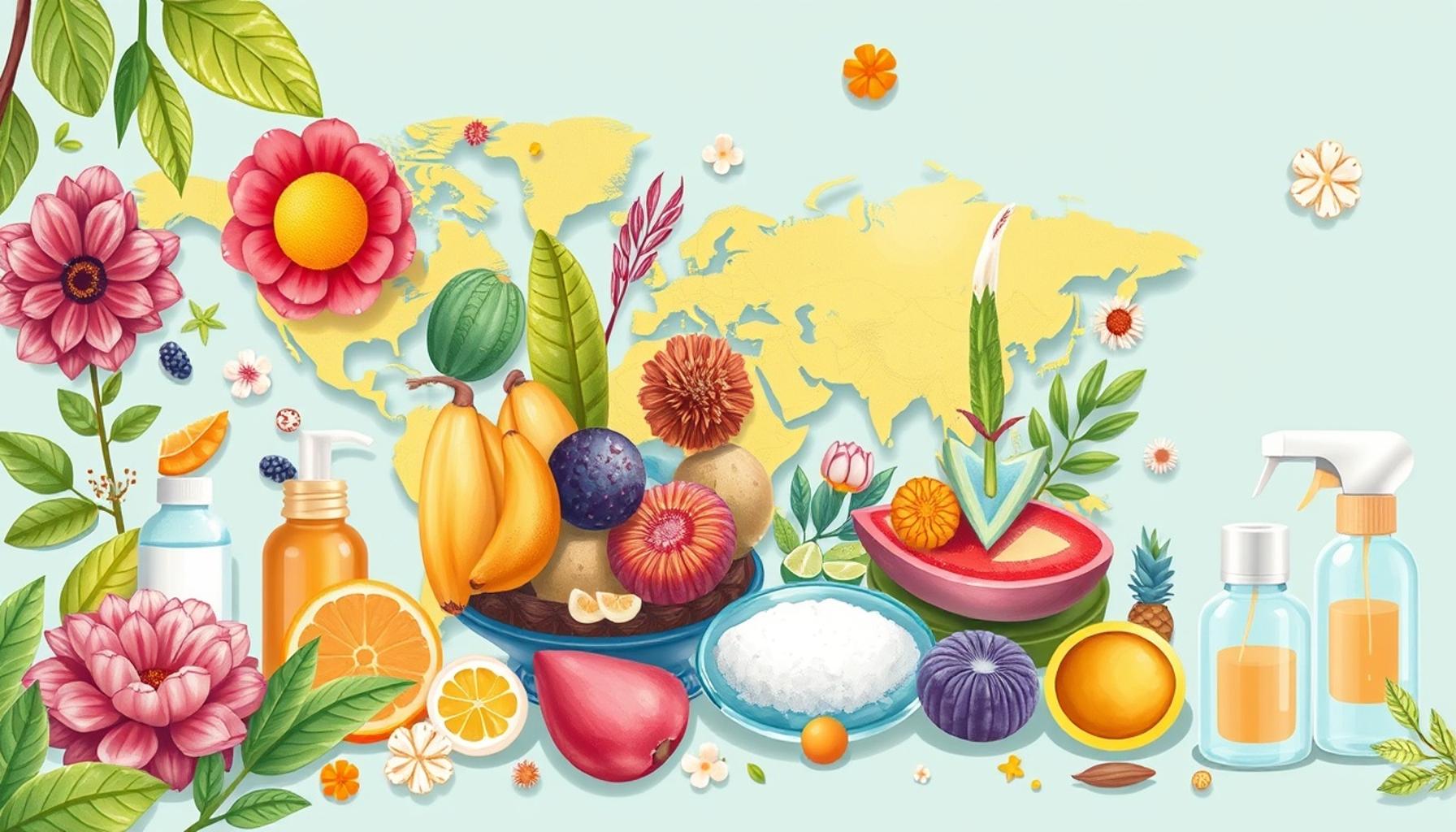
The impact of global culture is reshaping the skincare landscape, with consumers increasingly seeking natural ingredients that echo diverse traditions and practices. This evolution can be traced back to a confluence of factors that not only highlight the effectiveness of these ingredients but also emphasize their cultural significance, compelling brands to explore beyond conventional formulations. The increasing globalization of ideas means that what was once local wisdom is now transforming the beauty rituals of people across the globe.

Revival of Ancient Practices
As awareness of the benefits of natural skincare rises, many consumers are turning to the ancient practices derived from different cultures to inform their beauty routines. For instance, the Korean beauty (K-beauty) trend has inspired worldwide admiration, particularly for its multi-step routines that integrate ingredients such as ginseng and green tea. Both are celebrated for their antioxidant and anti-aging properties. Similarly, the Japanese tradition of using camellia oil for its deeply moisturizing effects is becoming widely recognized in Western skincare formulations.
Fusion of Ingredients
The globalization of skincare also promotes a blend of ingredients from various traditions, creating exciting hybrid products. For instance, the fusion of African shea butter with East Asian rice extracts has resulted in lotions that are both nourishing and hydrating. This cross-cultural exchange allows consumers to experience a broader range of product benefits while enhancing their skincare routines. The demand for such innovative blends illustrates how ingredient fusion is not just a marketing strategy but a genuine reflection of cultural collaboration.
The Rise of Influencer Culture
The rise of online platforms has facilitated the dissemination of beauty knowledge, allowing influencers to play a pivotal role in shaping consumer preferences. Social media channels such as Instagram and TikTok serve as platforms for showcasing global skincare regimens that highlight the use of natural ingredients. Influencers often share their personal rituals rooted in various cultures, which lends credibility to these practices and entices followers to invest in products that promise authenticity. The phenomenon of beauty influencers exploring and endorsing traditional ingredients is pivotal in driving the trend toward natural skincare products.
Moreover, the surge in demand for natural beauty products encourages brands to remain transparent about their sourcing practices, catering to a more informed consumer base that values authenticity and ethical production. This consumer consciousness is disruptive, prompting brands to adapt or risk falling behind in a market increasingly influenced by global culture.
Consumer Education and Informed Choices
- Increased Accessibility of Information: The digital age has launched consumers into a world where information about skincare is readily available, allowing them to educate themselves on cultural practices and the benefits of natural ingredients.
- Comparative Shopping: With the availability of numerous brands, consumers can make informed decisions based on ingredient lists and brand values, often choosing products that reflect their cultural identity or ethical stance.
- Community Engagement: Online forums and communities have emerged, where individuals share their experiences and preferences for natural skincare, creating a collective consciousness around ingredient choices.
This growing interest in culturally-rooted skincare rituals signifies that consumers are no longer passively receiving beauty trends but actively engaging with them, fostering a more meaningful relationship with the products they choose. As global influences continue to merge, the beauty landscape will see ongoing shifts that reflect a deeper understanding and appreciation for the power of nature’s offerings.
The integration of natural ingredients in skincare products has dramatically evolved due to cultural influences from across the globe. One of the most notable examples is the rise in popularity of K-beauty, or Korean beauty practices, which emphasize a holistic approach to skincare. This trend has prompted skincare brands worldwide to adapt their formulations, incorporating elements like green tea and snail mucin, which are traditional in South Korean regimens. As consumers become more educated about these ingredients, there’s an increasing demand for transparency in sourcing and quality, leading companies to explore sustainable practices.Additionally, the growing interest in Ayurvedic principles from India has sparked a resurgence in using herbal and plant-based components in skincare. Ingredients like turmeric, neem, and aloe vera are being embraced not only for their traditional medicinal benefits but also for their effectiveness in addressing common skincare concerns such as pigmentation and inflammation. As cross-cultural exchanges continue, brands are challenged to innovate and tailor their products to meet the needs of diverse consumers while honoring these rich cultural heritages.Beyond Asia, the Western world is witnessing a shift towards embracing indigenous ingredients, with an emphasis on cultural respect and acknowledgment. For example, the use of moringa oil and baobab oil in formulations not only highlights their nutritional benefits but also their significance in the African continent. This growing awareness fosters a connection between consumers and the origins of the products they use, promoting a more ethical approach to skincare.
| Cultural Influence | Impacts on Skincare |
|---|---|
| K-beauty Trends | Incorporation of ingredients like green tea and snail mucin has broadened global skincare horizons. |
| Ayurvedic Practices | Use of turmeric and neem supports natural healing and addresses common skin issues. |
DISCOVER MORE: Click here to learn how genetics impact skin aging
Eco-Consciousness and Sustainability in Beauty
As the demand for natural ingredients in skincare rises, so too does the emphasis on sustainability and environmental preservation. Consumers are becoming increasingly aware of the impact that beauty products have on the planet, and this consciousness is reshaping the global skincare market. The integration of eco-friendly practices and sustainable sourcing of ingredients has become a priority for brands wishing to appeal to ethically-minded consumers.
Consumer Awareness of Environmental Impact
With growing concerns about climate change and environmental degradation, consumers are now prioritizing products that not only promise personal benefits but also promote ecological responsibility. Brands that utilize sustainable practices—such as sourcing ingredients from farmers who engage in organic farming or using biodegradable packaging—are more attractive to a demographic that values green living. For instance, the rise of beauty brands featuring products made with ethically sourced botanicals like aloe vera and coconut oil further reflects this shift towards environmental friendliness.
Grassroots Movements and Cultural Narratives
Grassroots movements across the globe have highlighted the importance of preserving indigenous knowledge and traditional practices in skincare formulation. Communities that have long relied on natural remedies—from Brazilian açaí for its antioxidants to Indian turmeric for its anti-inflammatory properties—are now being recognized as essential contributors to the global beauty industry. As stories surrounding these natural ingredients come to the forefront, consumers are more inclined to connect with brands that support community-based sourcing and fair trade practices.
Innovation in Product Development
The cultural exchange facilitated by globalization has led to innovative approaches in developing beauty products that successfully merge traditions with modern science. For instance, a wave of innovative brands is blending ancient rituals with contemporary needs, creating skincare lines that cater to diverse skin types while incorporating natural ingredients such as gender-neutral formulas that utilize marula oil or adaptogenic herbs known for their ability to help skin adapt to environmental stressors. This hybrid approach not only broadens the range of available products but also engages consumers who are seeking solutions tailored to their unique skin concerns.
Cultural Aesthetics and Ethical Branding
Moreover, the aesthetic aspect of skincare advertising reflects cultural narratives that resonate with consumers. Packaging design often incorporates motifs and symbols representative of the regions from which the ingredients are sourced, creating a story that enhances authenticity. Brands that successfully integrate cultural elements into their marketing strategies not only appeal to ethical consumerism but also build emotional connections with their audience. This interpretation of beauty, influenced by global culture, encourages consumers to feel a part of something bigger than themselves—an experience that transcends product use.
Challenges Ahead for Natural Ingredients
- Market Saturation: As more brands embrace natural ingredients, consumers may face challenges in discerning which products truly adhere to ethical and sustainable standards, leading to potential skepticism.
- Regulatory Scrutiny: As the trend towards natural skincare continues gaining traction, increased scrutiny and regulation surrounding ingredient authenticity and sourcing are anticipated, impacting market dynamics.
- Supply Chain Transparency: Brands that fail to provide transparency in their supply chains may struggle, as consumers increasingly demand to know the origins of the ingredients in their skincare products.
These challenges reflect the complexity of the evolving landscape in which global culture significantly shapes the dialogue around natural ingredients, urging brands and consumers alike to adapt and innovate for a more sustainable future in skincare. As the world moves towards a greater appreciation of holistic and sustainable beauty practices, the quest for natural ingredients will undoubtedly continue to thrive.
DON’T MISS: Click here to discover why sunscreen is essential
Conclusion
The intersection of global culture and the skincare industry has ushered in a transformative era where the desire for natural ingredients is no longer just a trend but a cultural movement rooted in sustainability and ethical practices. This trend reflects a growing consumer recognition of the environmental impact of beauty products, prompting a reassessment of what constitutes effective skincare. Brands embracing this shift are not only tapping into the vast reservoir of traditional knowledge but are also driving innovation by harmonizing ancient ingredients with contemporary needs.
Furthermore, the challenges presented by this evolving landscape—namely market saturation, regulatory scrutiny, and supply chain transparency—underscore the critical need for brands to maintain authenticity and ethical standards in their sourcing and marketing practices. As consumers become more discerning, they are likely to gravitate towards products that tell a genuine story of cultural respect and environmental stewardship.
In essence, the global beauty narrative is being rewritten as consumers seek holistic solutions that resonate with their values. The ongoing exploration of natural ingredients is a testament to the adage that beauty is not just skin deep; it is a reflection of the broader cultural shifts towards sustainability and interconnectedness. As we look ahead, it is clear that the quest for environmentally conscious skincare will continue to shape the industry, inviting all stakeholders—brands, consumers, and communities—to participate in a collective journey toward a more sustainable and inclusive future.