
The Role of Active Ingredients in Facial Treatments: What Really Works?

Decoding the Benefits of Active Ingredients in Your Skincare Routine
The quest for healthy, radiant skin often leads consumers to the seemingly endless world of facial treatments. Central to this journey are active ingredients, which have earned their reputation for targeting specific skin concerns effectively. However, navigating through the myriad of options can sometimes feel overwhelming. Understanding how these ingredients function, and their specific benefits can unlock your path to better skin.
Targeted Effects of Active Ingredients
Active ingredients are not just buzzwords; they serve distinct purposes in skincare formulations. For instance, retinol, a derivative of vitamin A, is renowned for its anti-aging properties. It helps to accelerate cell turnover, promoting smoother skin and reducing the appearance of fine lines and wrinkles. Similarly, vitamin C is prized for its brightening effects, helping to diminish dark spots and uneven skin tone by inhibiting melanin production.
On the hydrating front, hyaluronic acid stands out due to its incredible ability to retain moisture, holding up to 1,000 times its weight in water. This ingredient is especially beneficial for those with dry or dehydrated skin, as it plumps up the skin’s surface and creates a youthful glow.
Backed by Science
It’s essential to note that many active ingredients are supported by extensive research. Scientific studies consistently validate their effectiveness, providing reassurance for consumers. For example, clinical trials have shown that consistent use of retinol can lead to significant improvements in skin texture and tone, thereby enhancing overall skin youthfulness.
Formulation Matters
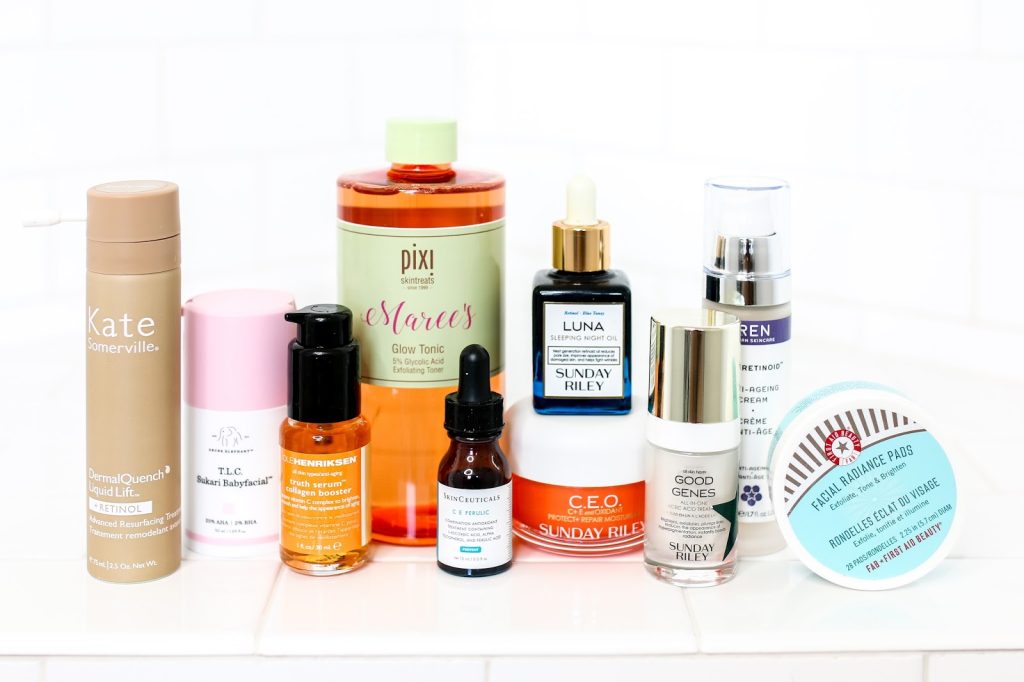
The effectiveness of these active components isn’t solely determined by the ingredient itself but rather by the formulation as a whole. The combination, percentage, and delivery method of active ingredients can significantly affect their potency. For instance, an oil-based formulation may enhance the absorption of retinol, whereas a serum might better suit individuals seeking quick hydration. Therefore, understanding how to read labels can help you determine which products will work best for your skin type.
Understanding Your Skin Type
Different skin types respond uniquely to various active ingredients. Someone with oily skin may benefit more from salicylic acid, which helps to unclog pores and reduce sebum production, while someone with a sensitive complexion might prefer soothing ingredients like niacinamide, which can help reduce redness and inflammation. This highlights the importance of personalized skincare, as what works wonders for one person might not yield the same results for another.
As the field of skincare continues to advance, staying informed about which active ingredients complement your skin is an empowering journey. By taking the time to understand these ingredients, you can make informed choices that lead to healthier skin. What fascinating discoveries awaits you as you dive deeper into the world of skincare? Explore, experiment, and embrace the power of active ingredients to elevate your routine!
DISCOVER MORE: Click here for tailored skincare routines
Exploring Key Active Ingredients and Their Impact on Skin Health
As the world of skincare continues to evolve, consumers are increasingly drawn to products featuring potent active ingredients that promise visible results. These powerful components are scientifically engineered to address a multitude of skin issues, ranging from acne to signs of aging. To effectively harness the power of these ingredients, it is essential to break down how they work and which specific skin concerns they target.
Common Active Ingredients and Their Functions
When incorporating active ingredients into your skincare routine, it’s vital to understand their individual properties. Here are some of the most popular active ingredients and their role in achieving radiant skin:
- Alpha Hydroxy Acids (AHAs) – Derived from fruits and milk, AHAs like glycolic acid and lactic acid are celebrated for their exfoliating properties. They can shine in the spotlight of your skincare routine by dissolving dead skin cells and promoting cellular turnover, revealing brighter skin underneath. Ideal for dry or sun-damaged skin, AHAs also aid in reducing the appearance of fine lines.
- Salicylic Acid – This beta hydroxy acid is ideal for acne-prone skin due to its deep-pore-clearing capabilities. Salicylic acid penetrates the skin to unclog pores, reducing breakouts and inflammation. It’s a go-to option for those battling blackheads and oily skin.
- Peptides – Known as the building blocks of proteins, peptides can stimulate collagen production, enhancing skin firmness and elasticity. As skin ages, collagen levels decline, making peptides a sought-after ingredient for those looking to maintain youthful skin.
- Niacinamide – A versatile ingredient, niacinamide (vitamin B3) is celebrated for its ability to minimize pore size, improve uneven skin tone, and strengthen the skin barrier. Suitable for all skin types, niacinamide also provides anti-inflammatory benefits, making it a fantastic choice for sensitive skin.
- Vitamin E – This antioxidant powerhouse plays a critical role in protecting the skin from free radical damage. Incorporated into facial oils and creams, Vitamin E works to nourish the skin and enhance its natural moisture, promoting a softer, more hydrated appearance.
Finding the Right Combination
To maximize the benefits of active ingredients, it’s crucial to consider how they work together. Certain formulations can amplify their effectiveness; for example, pairing vitamin C with hyaluronic acid can yield both brightening and hydrating effects, achieving a more luminous complexion. However, be cautious with combinations, as some ingredients can cause irritation when used together, such as retinol and AHAs.
Understanding the specific properties and functions of active ingredients can aid you in selecting products that align with your skincare goals. By exploring various ingredient profiles, you can curate a skincare routine that meets your unique skin requirements, ultimately leading you toward transformative results.
| Active Ingredient | Key Benefits |
|---|---|
| Hyaluronic Acid | Hydration booster that plumps skin and reduces the appearance of fine lines. |
| Retinol | Stimulates cell turnover and improves skin texture and tone. |
| Vitamin C | Brightens skin and reduces dark spots while providing antioxidant protection. |
| Peptides | Promotes collagen production and strengthens skin for a more youthful appearance. |
| Salicylic Acid | Exfoliates and unclogs pores, making it ideal for acne-prone skin. |
Active ingredients play a crucial role in facial treatments, offering numerous benefits tailored to various skin concerns. Among them, Hyaluronic Acid has gained popularity for its exceptional ability to provide hydration. This natural substance attracts moisture, making the skin appear plumper and minimizing the visibility of fine lines. Another powerhouse, Retinol, is renowned for its transformative effects—stimulating cell turnover, enhancing skin texture, and evening out tone.For those looking to tackle pigmentation issues, Vitamin C is a game-changer. Its brightening properties not only enhance overall radiance but also act as a protective antioxidant shield. Similarly, Peptides are celebrated for their anti-aging capabilities, facilitating collagen production and resulting in stronger, firmer skin. Lastly, individuals with oily or acne-prone skin will benefit significantly from Salicylic Acid. This ingredient effectively exfoliates and minimizes clogged pores, making it an essential inclusion in many skincare routines.Understanding these active ingredients and their unique advantages invites individuals to explore personalized facial treatments that cater to their specific skin needs. As you delve deeper into the world of skincare, consider the remarkable effects these components can have on your skin’s health and appearance.
DON’T MISS: Click here to uncover nighttime skincare secrets
Unlocking the Science Behind Effective Skincare Ingredients
The potency of active ingredients in facial treatments relies not only on their individual properties but also on how they interact within a formulation. As consumers become more informed about skincare, it’s essential to look beyond marketing buzzwords and delve into the science that validates their effectiveness. Here are additional active ingredients that are making waves in the skincare industry and how they contribute to healthier skin.
Innovative Active Ingredients Worth Noting
In addition to the well-known players in skincare, several innovative active ingredients are gaining traction for their impressive benefits:
- Retinol – A derivative of vitamin A, retinol is renowned for its anti-aging properties. It works by promoting cell turnover and stimulating collagen synthesis, which helps in reducing the appearance of fine lines and wrinkles. Clinical studies indicate that consistent use can lead to significant improvements in skin texture and brightness. However, Retinol can cause irritation, particularly when first introduced, making gradual incorporation into your routine crucial.
- Hyaluronic Acid – This naturally occurring substance is highly revered for its ability to retain moisture. Capable of holding up to 1,000 times its weight in water, hyaluronic acid draws hydration into the skin, making it appear plump and youthful. This ingredient works particularly well in conjunction with other actives, amplifying their efficacy while providing a much-needed moisture boost.
- Azelaic Acid – Known for its anti-inflammatory and antibacterial properties, azelaic acid is effective in treating acne and rosacea. Additionally, it can assist in fading hyperpigmentation and promoting an even skin tone. Its ability to gently unclog pores while reducing redness makes it suitable for even the most sensitive skin types.
- Bakuchiol – Often referred to as a natural alternative to retinol, bakuchiol offers similar anti-aging benefits without the potential irritation associated with retinoids. Emerging studies show that bakuchiol can improve the appearance of fine lines and even skin tone, making it an appealing choice for those with sensitive skin or a preference for plant-based ingredients.
- Coenzyme Q10 (CoQ10) – This antioxidant is crucial for energy production within skin cells. As we age, levels of CoQ10 decline, leading to signs of aging. Topical applications of CoQ10 can improve skin’s resilience while combating free radicals, showing promising results in minimizing wrinkles and enhancing hydration.
The Synergy of Active Ingredients in Treatment Protocols
Understanding the synergy between active ingredients is paramount for achieving optimal skin health. For instance, combining vitamin C with vitamin E not only enhances antioxidative protection but also boosts the brightening effects of vitamin C. Furthermore, layering hydrating agents like hyaluronic acid with exfoliating acids can help to counteract dryness, allowing for a balanced skincare routine.
However, caution is key; layering too many active ingredients can overwhelm the skin, causing irritation instead of improvements. It’s advisable to introduce new products one at a time and monitor your skin’s response. Consulting with skincare professionals or dermatologists can also provide tailored advice to create a routine that addresses your specific concerns.
As the quest for effective skincare continues, staying informed about active ingredients can empower consumers to make educated decisions that align with their individual skin challenges. Exploring newer formulations and combinations can unlock the potential for truly transformational results in facial treatments.
DISCOVER MORE: Click here to learn about the importance of personalization in your skincare routine
Peeling Back the Layers of Effective Skincare
In a world flooded with skincare options, the importance of active ingredients in facial treatments cannot be overstated. They represent the cornerstone of effective skincare formulations, offering a wealth of benefits that cater to diverse skin concerns. From retinol‘s age-defying properties to the hydration power of hyaluronic acid, the right active ingredients can transform your skincare routine from mere maintenance to a targeted rejuvenation strategy.
Yet, understanding the science behind these ingredients is only part of the story. As we’ve explored, the success of skincare products lies not just in the individual ingredients but in how they synergize within a formulation. Combinations such as vitamin C and vitamin E or layering techniques with moisturizers and exfoliants are key to developing an effective regimen that suits your unique skin type.
Nevertheless, moderation is crucial. Overloading with too many active ingredients can lead to irritation rather than improvement, underscoring the significance of a tailored approach. Consulting with skincare professionals is an excellent way to navigate these waters, ensuring that you receive personalized advice based on your skin’s needs.
Ultimately, as the landscape of facial treatments continues to evolve, consumers are empowered to make informed decisions. By embracing the science behind active ingredients, you open the door to innovative skincare developments that promise not just cosmetic enhancement but genuine skin health. The path to radiant skin is illuminated by knowledge, so dive deeper and let the power of active ingredients lead the way to your best complexion yet.