
The influence of sleep on skin appearance and the aging process

The Impact of Sleep on Your Skin
In today’s fast-paced world, the importance of quality sleep often gets overshadowed by busy schedules and chronic stress. Yet, researchers continually uncover the profound impacts of sleep on our overall well-being, particularly concerning skin appearance and the aging process. It’s not just about feeling well-rested; the quality of our sleep significantly affects how we look and feel.
The skin acts as a canvas reflecting not just our physical health but also our emotional well-being. Insufficient sleep disrupts various bodily functions, leading to a host of skin-related issues. For instance, when we skimp on sleep, the body fails to produce adequate amounts of human growth hormone (HGH), a crucial element in tissue growth and repair, which includes the skin.
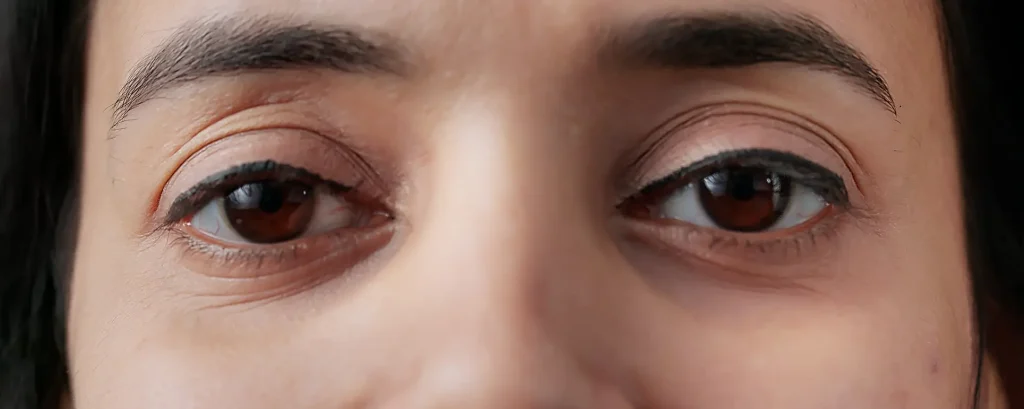
- Increased Puffiness: A common sign of sleep deprivation is noticeable puffiness around the eyes, often accompanied by dark circles. For instance, a study published in the Journal of Investigative Dermatology found that those who reported inadequate sleep had significantly more swelling and dark circles compared to their well-rested counterparts.
- Dull Complexion: When the body is deprived of essential rest, the skin loses its radiant glow. This can lead to a grayish, lifeless appearance, detracting from one’s overall attractiveness. Others may notice your tired look before you do.
- Accelerated Aging: The critical repair and regeneration of skin cells predominantly happens during deep sleep. Poor sleep patterns disrupt this natural cycle, impeding the skin’s rejuvenating capabilities.
As sleep deprivation becomes commonplace in the United States, it directly correlates with visible signs of aging. The skin’s ability to regenerate and recover diminishes, leading to:
- Loss of Elasticity: Collagen, the protein responsible for skin elasticity, decreases with poor sleep habits. This results in sagging skin that may contribute to an older appearance.
- Fine Lines and Wrinkles: A significant alteration in our body’s hormonal balance due to lack of sleep can exacerbate the formation of fine lines, making us look older than we are.
- Worsening Skin Conditions: Conditions like acne or eczema can flare up when the body is under stress from sleep deprivation. Increased cortisol levels, a result of sleep loss, can lead to the overproduction of oil, exacerbating these skin problems.
Exploring the intricate relationship between sleep and skin health opens avenues for better self-care practices. Adopting good sleep hygiene—such as establishing a consistent sleep schedule, creating a calming bedtime routine, and reducing screen time before bed—can enhance the quality of sleep. Understanding how prioritizing sleep can improve your skin’s appearance not only contributes to external beauty but also promotes long-term health and wellness.
In summary, getting adequate rest is not merely a luxury in today’s busy world; it’s a vital component of maintaining healthy, youthful skin. So, the next time you find yourself staying up late, consider the profound impact it may have on your skin and overall health. Invest in your sleep, and your skin will thank you.
DISCOVER: Click here to learn more
The Biological Mechanism Behind Sleep and Skin Health
To fully appreciate the influence of sleep on skin appearance and the aging process, it is essential to delve into the biological mechanisms that underpin this connection. During sleep, particularly in the deeper stages, the body engages in a complex set of processes aimed at maintaining and repairing itself. One of the most significant contributors to skin health during sleep is the release of human growth hormone (HGH), which plays a vital role in cellular repair and regeneration.
During periods of deep sleep, both the production of collagen and the repair of skin cells are at their peak. Collagen is crucial for maintaining the skin’s structural integrity and elasticity. Inadequate sleep not only reduces the synthesis of collagen but also increases cortisol levels, which can lead to a breakdown of this important protein. As a consequence, individuals may experience an increase in fine lines, wrinkles, and sagging skin.
- Reduced Blood Flow: Sleep deprivation affects blood flow to the skin. When we drift into slumber, our blood circulation improves, supplying vital nutrients and oxygen to skin cells. A lack of sleep disrupts this process, resulting in a dull and tired complexion.
- Impaired Barrier Function: Quality sleep strengthens the skin’s barrier function, which helps retain moisture and protect against environmental stressors. Sleep loss can weaken this barrier, leading to issues such as dehydrated skin and increased sensitivity.
- Increased Inflammation: Chronic sleep deprivation is associated with heightened inflammation in the body. This can exacerbate existing skin conditions like acne, eczema, and psoriasis, making it even more imperative to prioritize adequate rest.
Furthermore, sleep deprivation can impact the skin’s healing process. If your skin is compromised due to conditions such as acne or sun damage, a lack of sleep can slow down its ability to heal. Research has shown that individuals who do not attain sufficient restful sleep take longer to recover from skin injuries compared to their well-rested peers.
The psychological aspect of sleep cannot be overlooked either. Poor sleep can lead to increased stress and anxiety, which in turn may prompt behaviors that further impact the skin, such as scratching, picking, or inadequate skincare routines. This cycle can not only worsen the skin’s appearance but also lead to a person feeling less confident about their skin. This intricate relationship between sleep and mental health plays a crucial role in how we perceive our skin health.
As we explore the undeniable link between sleep and skin appearance, it becomes increasingly clear that prioritizing quality rest is not merely a health trend but a necessary lifestyle change for vibrant and youthful skin. Adopting good sleep habits can pave the way for more radiant skin, reduce signs of aging, and enhance our overall well-being.
| Category | Advantages |
|---|---|
| Enhanced Skin Repair | During deep sleep, the body undergoes cell regeneration, crucial for repairing damaged skin. Growth hormone, released during this stage, significantly aids in the recovery of skin elasticity and texture. |
| Balanced Hydration | Adequate sleep helps to maintain optimal hydration levels, allowing the skin to appear plump and rejuvenated. Insufficient sleep can lead to dehydration and a lackluster complexion. |
Sleep does not only influence our mental and physical well-being but also profoundly impacts skin health and the aging process. Quality sleep is essential for the skin to achieve its natural glow and resilience. Research indicates that people who regularly achieve adequate restful sleep often exhibit fewer fine lines and a markedly more youthful appearance. Additionally, increased sleep results in improved blood circulation, allowing essential nutrients to reach the skin cells more effectively. Thus, sleep can significantly buffer some signs of aging, providing an inner radiance that reflects outwardly.Moreover, stress reduction through adequate sleep plays an important role in preventing skin issues such as acne, eczema, and psoriasis. Cortisol, a hormone released in response to stress, can wreak havoc on skin, leading to premature aging. Consequently, prioritizing sleep can aid in maintaining skin vitality, serving as a natural and effective beauty treatment that deserves attention in any skincare regimen.
DISCOVER MORE: Click here for natural aging solutions
The Role of Sleep Hygiene in Skin Health
As we recognize the pivotal relationship between sleep and skin health, it’s essential to consider how sleep hygiene practices can optimize this connection. Sleep hygiene refers to a collection of psychological and environmental practices that promote better quality sleep. These practices can not only enhance the duration and quality of sleep but subsequently support skin appearance and combat the signs of aging.
One of the cornerstones of good sleep hygiene is maintaining a consistent sleep schedule. Going to bed and waking up at the same time every day helps regulate the body’s internal clock, thereby improving sleep quality. Disrupted sleep patterns can lead to increased stress levels and hinder the body’s ability to rejuvenate skin cells during sleep. Establishing a stable routine can significantly bolster skin’s resilience against aging.
The sleeping environment plays a crucial role in achieving quality rest. Factors such as light exposure, temperature, and noise levels all contribute to the overall sleep experience. Sleeping in a dark, cool room minimizes disruptions and encourages deeper sleep cycles, enhancing the body’s natural repair processes, including skin restoration. Using blackout curtains or eye masks can be simple yet effective solutions to create a more conducive sleeping environment.
- Avoiding Electronics Before Bed: The blue light emitted by phones, tablets, and computers can interfere with melatonin production, making it harder to fall asleep and stay asleep. Reducing screen time at least an hour before bedtime can improve both sleep quality and skin health.
- Mindfulness Techniques: Stress can lead to poor sleep and skin problems alike. Incorporating mindfulness practices, such as meditation or deep-breathing exercises, can reduce anxiety and improve sleep quality. Some studies suggest that practices like yoga and meditation not only promote relaxation but also enhance the skin’s capacity to heal and look radiant.
- Nutrition and Hydration: What we ingest before bedtime plays a significant role in how our skin appears. Foods rich in antioxidants and omega-3 fatty acids, such as nuts, avocados, and fish, provide the nutrients required for skin health. Concurrently, staying well-hydrated ensures that skin retains moisture overnight, reducing dryness and promoting a luminous appearance.
In recent years, the impact of sleep on skin health has attracted significant attention from dermatologists and researchers alike. A pioneering study conducted by the American Academy of Sleep Medicine emphasized that individuals who get adequate sleep show improved skin barrier function, stronger hydration levels, and quicker recovery from skin irritations than their sleep-deprived counterparts. These findings reinforce the idea that prioritizing quality sleep through good sleep hygiene can fundamentally alter the trajectory of skin aging.
Additionally, recent advancements in skincare technology are also reacting to the importance of sleep. Brands are developing night creams infused with active ingredients designed to work synergistically with the skin’s overnight repair processes. Such products capitalize on the body’s natural propensity to heal during deep sleep, offering targeted treatments that can enhance overall skin health during these crucial hours.
Notably, the effects of sleep deprivation extend beyond visible skin changes. Prolonged lack of sleep has been linked to systemic health conditions such as obesity and cardiovascular issues, which can further compound skin aging. As awareness surrounding this connection grows, the narrative shifts from just skincare routines to an encompassing approach that includes lifestyle factors, highlighting the importance of sleep as a fundamental pillar of skincare.
DISCOVER MORE: Click here to learn about natural anti-aging ingredients
Conclusion: Embracing Sleep for Radiant Skin
In our quest for youthful skin and overall wellness, sleep emerges as a critical yet often overlooked element in the equation. The compelling evidence linking quality sleep with improved skin appearance and a decelerated aging process cannot be overstated. From enhancing cellular repair to bolstering skin hydration, sleep acts as a rejuvenating balm for our complexion, further underscoring its role as a foundation for effective skincare regimens.
As we recognize the intricate interplay between sleep hygiene and skin health, implementing practices that promote restorative slumber becomes imperative. Whether it’s through establishing regular sleep patterns, cultivating a peaceful sleeping environment, or adopting mindfulness techniques, these lifestyle modifications can have profound impacts on how our skin ages and recovers. Moreover, advancements in skincare technology highlight this connection, with innovative products aimed to support the skin’s natural healing processes during sleep, forging a powerful synergy between rest and skincare.
Yet, the implications of sleep extend far beyond aesthetics; insufficient rest has been linked to broader health challenges that can exacerbate premature skin aging. This convergence of skin and systemic health invites a holistic approach, encouraging individuals to view sleep not merely as a luxury but as an essential component of their skincare strategy. Ultimately, cultivating an awareness of the profound influence of sleep on skin health invites individuals to prioritize rest, acknowledging it as a key contributor to both their vitality and appearance.
By embracing the significance of sleep in our daily lives, we take a significant step toward achieving radiant skin and promoting longevity in our beauty journey.