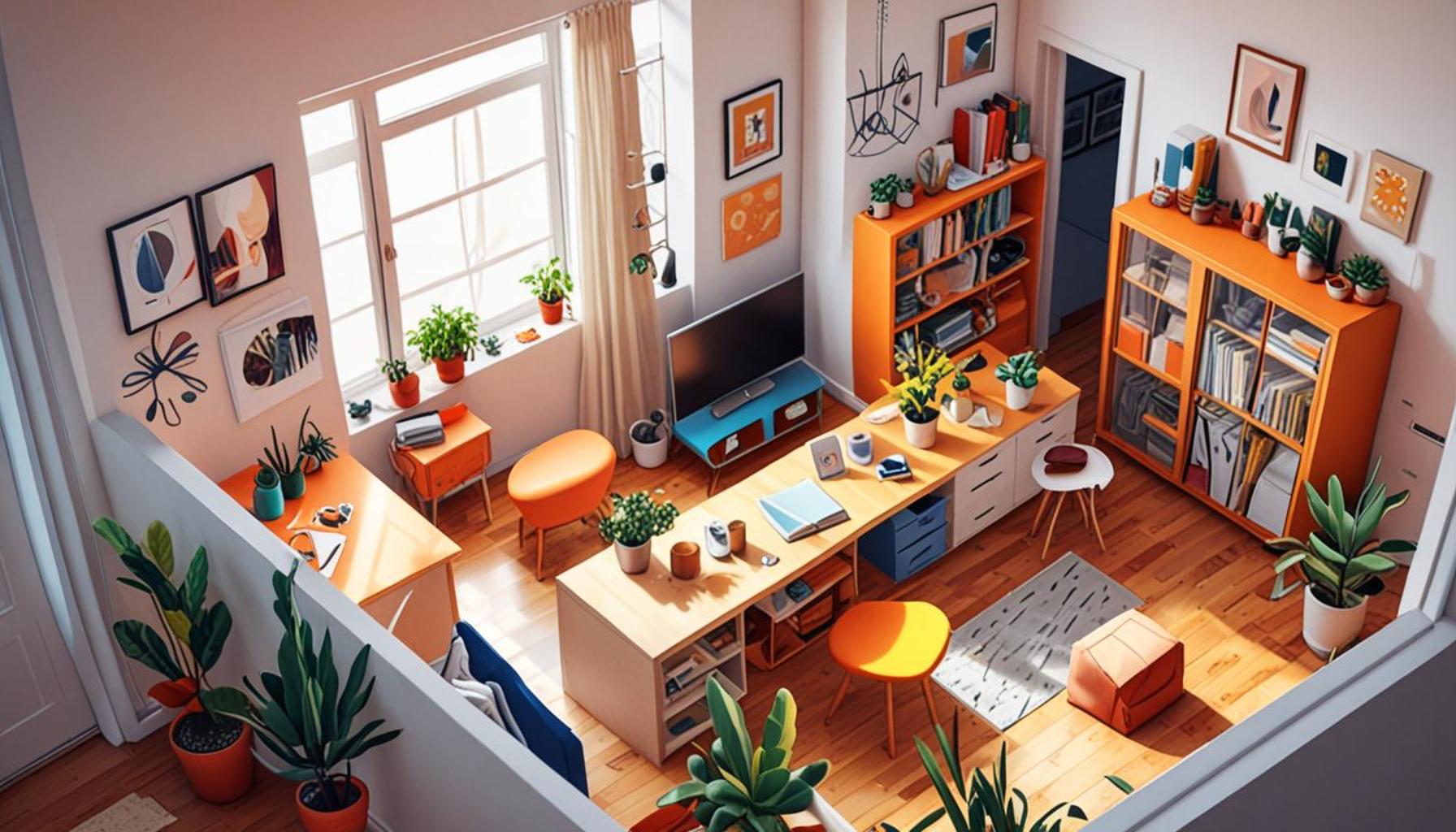
Vertical Gardens: Integrating Nature and Spatial Efficiency in Indoor Environments
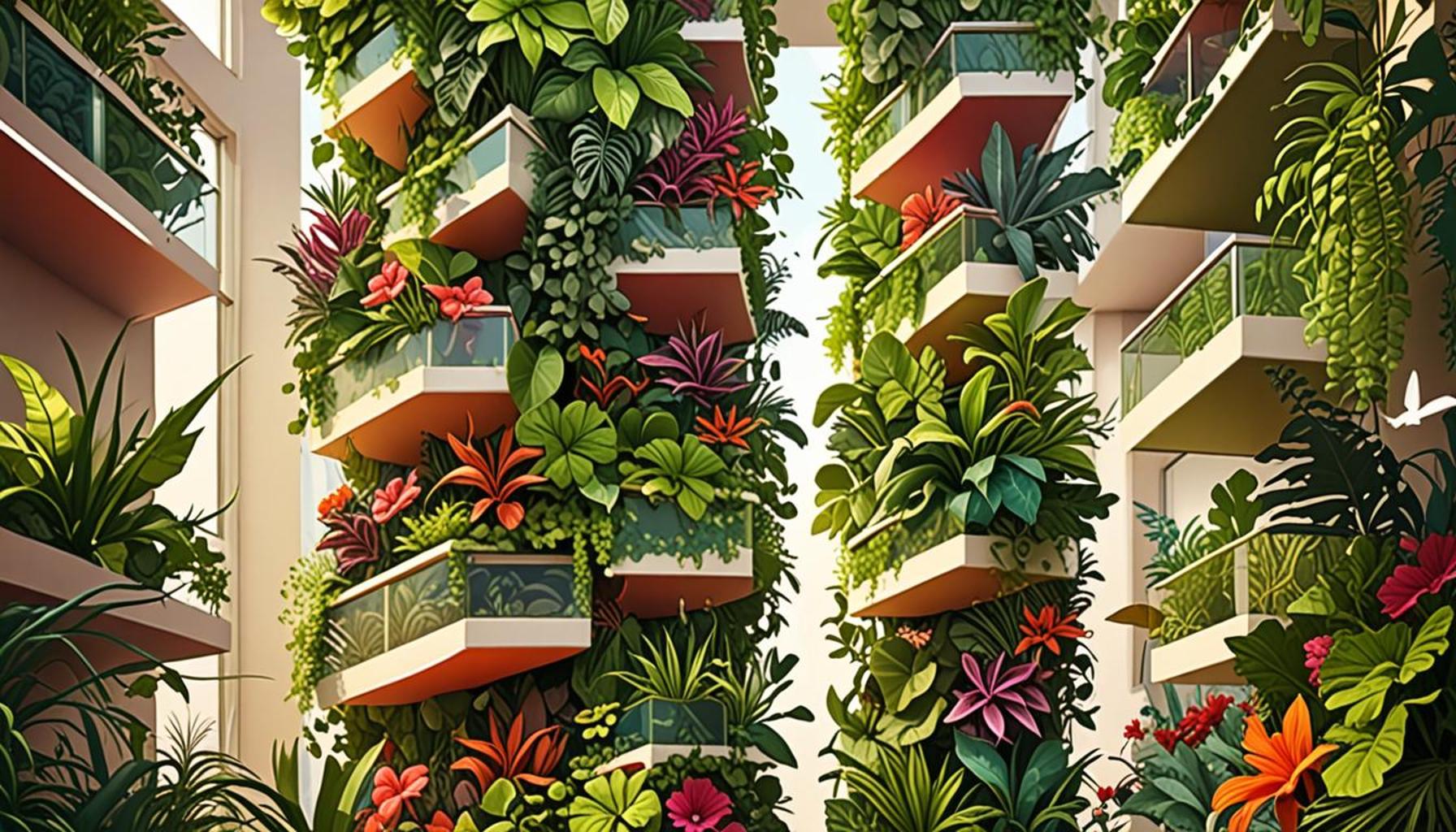
The Allure of Living Walls
As urban living continues to rise, the demand for innovative solutions to integrate nature into our homes is growing. One such solution gaining significant traction is the concept of vertical gardens. They offer a compelling blend of aesthetics and functionality, enhancing our living spaces while promoting sustainable practices in densely populated areas.
Vertical gardens, also known as green walls or living walls, can dramatically transform indoor environments. By utilizing wall space that would otherwise remain bare or underutilized, these installations provide a unique way to:
- Improve air quality through natural filtration. Plants are fascinating creatures; they absorb carbon dioxide and release oxygen, contributing to a healthier indoor atmosphere. Notably, species like the peace lily and spider plant are renowned for their air-purifying qualities.
- Increase humidity for better comfort. Particularly in arid climates or during winter months when heating systems dry out air, vertical gardens can release moisture into the environment, creating a more hospitable atmosphere.
- Enhance mood with greenery that promotes mental well-being. Studies suggest that being surrounded by plants can significantly reduce stress, anxiety, and even boost productivity, making vertical gardens a suitable addition in both homes and workplaces.
With the right design, vertical gardens can be installed in various spaces, from compact apartments to expansive commercial buildings. They require minimal floor area while providing a lush backdrop that captivates the senses and serves as a living work of art. Such installations can even add an element of privacy in open-plan living spaces or shared offices, creating intimate areas within larger environments.
In cities like New York and San Francisco, vertical gardens have become symbols of sustainability and innovation. Noteworthy projects like the High Line in New York showcase extensive green installations that not only beautify urban areas but also contribute to biodiversity. These installations transform walls into vibrant ecosystems, inviting local wildlife, such as birds and butterflies, to thrive amid concrete surroundings.
As we delve deeper into the world of vertical gardens, we’ll explore their numerous benefits, the best plants to use for various indoor settings, and expert tips for incorporating this trend into your indoor spaces. By welcoming nature into our homes, we not only enrich our living experiences but also foster a deeper connection with the environment around us.
DISCOVER MORE: Click here to learn about mindful consumption
Benefits of Vertical Gardens in Indoor Spaces
Vertical gardens are not just a passing trend; they represent a significant shift in how we perceive and utilize our living environments. As urbanization increases, the challenges of limited space and constant air pollution intensify, making the appeal of these living walls even more profound. By integrating vertical gardens into our indoor spaces, we are not only making a bold aesthetic statement but also enhancing the overall quality of our living and working environments.
One of the crucial benefits of vertical gardens is their capacity for space optimization. In homes, especially in urban settings where square footage can be cramped, vertical gardens provide an elegant solution. This method allows people to have greenery without reducing floor area, making it ideal for small apartments or offices. The walls become canvases where creativity and functionality meet, accommodating various plant species that thrive vertically.
- Natural Insulation: Vertical gardens act as effective insulators, helping maintain temperature and reduce energy costs. By shielding walls from direct sunlight, they prevent heat absorption and provide a cooling effect in summer while retaining warmth during cold months.
- Noise Reduction: The presence of plants can significantly dampen noise pollution. The leaves and substrates used in vertical gardens absorb sound waves, creating a quieter and more serene indoor environment, particularly in bustling urban areas.
- Customization and Design Versatility: Vertical gardens can be tailored to fit various design aesthetics, making them suitable for different homeowners or business environments. Whether it’s a modern office or a cozy living room, there’s a wide array of plant choices and design configurations to suit every taste.
Moreover, reducing our carbon footprint is now more vital than ever. Vertical gardens contribute to environmental sustainability by acting as green lungs for our homes. They can assimilate CO2 more efficiently than traditional landscaping, effectively lowering carbon levels in enclosed spaces. This aspect is particularly important in urban areas, known for poor air quality and high pollution levels.
Studies reveal that the psychological impacts of including nature in our lives are profound. The calming presence of a vertical garden can lead to a decrease in symptoms of mental fatigue and enhance cognitive function, making these installations not only good for health and aesthetics but also effective in boosting productivity. Imagine an office featuring a vibrant vertical garden that provides employees with inspiration and rejuvenation amid their busy workdays.
In essence, integrating vertical gardens into our indoor environments gives us the opportunity to reconnect with nature while addressing contemporary urban challenges. With their myriad benefits—from space efficiency to improved mental well-being—these living walls are becoming an essential component in shaping future urban living.
| Advantages | Benefits |
|---|---|
| Improved Air Quality | Vertical gardens act as natural air filters, absorbing pollutants and producing oxygen which enhances indoor air quality. |
| Space Optimization | These gardens allow for significant vertical growth that utilizes otherwise unused wall space, creating more room within limited square footage. |
| Aesthetic Appeal | Vertical gardens offer a visually stunning element that can transform bland interiors into vibrant green spaces, enhancing overall well-being. |
| Thermal Regulation | These structures can help regulate indoor temperatures by providing natural insulation, reducing heating and cooling costs. |
Integrating vertical gardens into indoor spaces not only aligns aesthetics with function but also fosters an environment enriched with nature. By improving air quality, they contribute significantly to health, making them beneficial for residential and commercial buildings alike. Furthermore, their ability to optimize space by utilizing walls liberates floor areas for various uses, promoting flexibility in design. As people increasingly seek greenery within urban settings, vertical gardens become a refreshing solution that enhances the appeal of any environment while serving practical purposes.
DIVE DEEPER: Click here to discover more about meaningful connections
Enhancing Indoor Air Quality and Biodiversity
As we delve deeper into the advantages of vertical gardens, one of the most compelling aspects is their significant impact on indoor air quality. In densely populated urban environments, the air that circulates within our homes and offices can be filled with pollutants, allergens, and volatile organic compounds (VOCs). Vertical gardens play a crucial role in purifying this air, as plants have the natural ability to filter out harmful substances. Research indicates that certain plant varieties, such as the peace lily, spider plant, and ferns, are particularly adept at removing toxins from indoor air.
Equipping our indoor spaces with vertical gardens thus transforms not just the visual landscape, but also contributes to a healthier living environment. Plants absorb carbon dioxide and produce oxygen, thereby enhancing overall air quality. The U.S. Environmental Protection Agency (EPA) has noted that improved air quality linked to indoor plants can lead to higher productivity and decreased absenteeism in workplaces, making vertical gardens not only an aesthetic choice but also a smart investment from a business perspective.
Encouraging Biodiversity
Beyond improving air quality, vertical gardens foster a unique opportunity to promote biodiversity in urban settings. Many residents of large cities feel a disconnect from the natural world, but integrating a variety of plant species into indoor environments through vertical gardening can change that perception. These living walls can serve as miniature ecosystems that provide habitats for insects, birds, and other wildlife. For instance, certain urban environments have seen the establishment of beneficial pollinator gardens on vertical surfaces, which can help support local bee populations essential for sustaining plant life.
Incorporating native plants into vertical gardens can further enhance biodiversity while also reducing maintenance requirements. Native plants are typically more resilient to local conditions and require less water and fertilizer, making them an eco-friendly choice. This shift not only aids in sustaining the environment but also promotes awareness and appreciation for local flora among residents.
Innovation in Vertical Garden Technology
The burgeoning trend of vertical gardening has also spurred a wave of innovations in technology that enhance the sustainability and ease of maintaining these green walls. Advanced irrigation systems have been designed to optimize water usage and ensure that each plant receives the adequate moisture it requires. Smart gardening systems, equipped with sensors, can automatically adjust water levels based on environmental conditions, ensuring an efficient approach to plant care.
Moreover, vertical garden kits are becoming increasingly accessible for the average homeowner. Many companies now offer complete solutions that include everything from planters to soil mixes, making it easier to kickstart a vertical garden project without the need for extensive gardening knowledge. These innovations are making green spaces achievable for those living in even the smallest apartments.
The integration of technology into vertical gardening not only simplifies the process but also catalyzes the movement towards more environmentally friendly living spaces. As we embrace these modern solutions, the possibilities for indoor vertical gardens will continue to expand, making them a practical and enticing choice for urban dwellers.
DISCOVER MORE: Click here to learn how mindfulness can enhance your intentional living
Conclusion: The Future of Indoor Vertical Gardens
As we consider the various benefits of vertical gardens, their role in urban indoor environments becomes increasingly clear. These stunning green walls not only enhance aesthetics but also serve as vital components in enhancing indoor air quality and promoting biodiversity. By filtering pollutants and providing oxygen, vertical gardens ameliorate our living and working conditions, making them a worthwhile investment for both individuals and businesses alike. Furthermore, they create a unique opportunity to reconnect city residents with nature, fostering appreciation and awareness of local ecosystems.
The innovative technologies emerging in the world of vertical gardening—such as smart irrigation systems and accessible gardening kits—are democratizing the process, allowing even those with limited gardening knowledge to partake in this green revolution. As urbanization continues to grow, and with the challenges posed by climate change and environmental degradation, integrating nature into indoor spaces through vertical gardens might well be one of the most pragmatic solutions for creating sustainable living environments.
In summary, vertical gardens offer a multi-faceted approach to enhancing urban life, merging the beauty of nature with the demands of modern design. As more people embrace these practices, it becomes essential to explore innovative methods and designs that will further enhance this integration. The future is indeed lush, and vertical gardens are at the forefront of a transformative wave that promises to reshape our indoor landscapes.