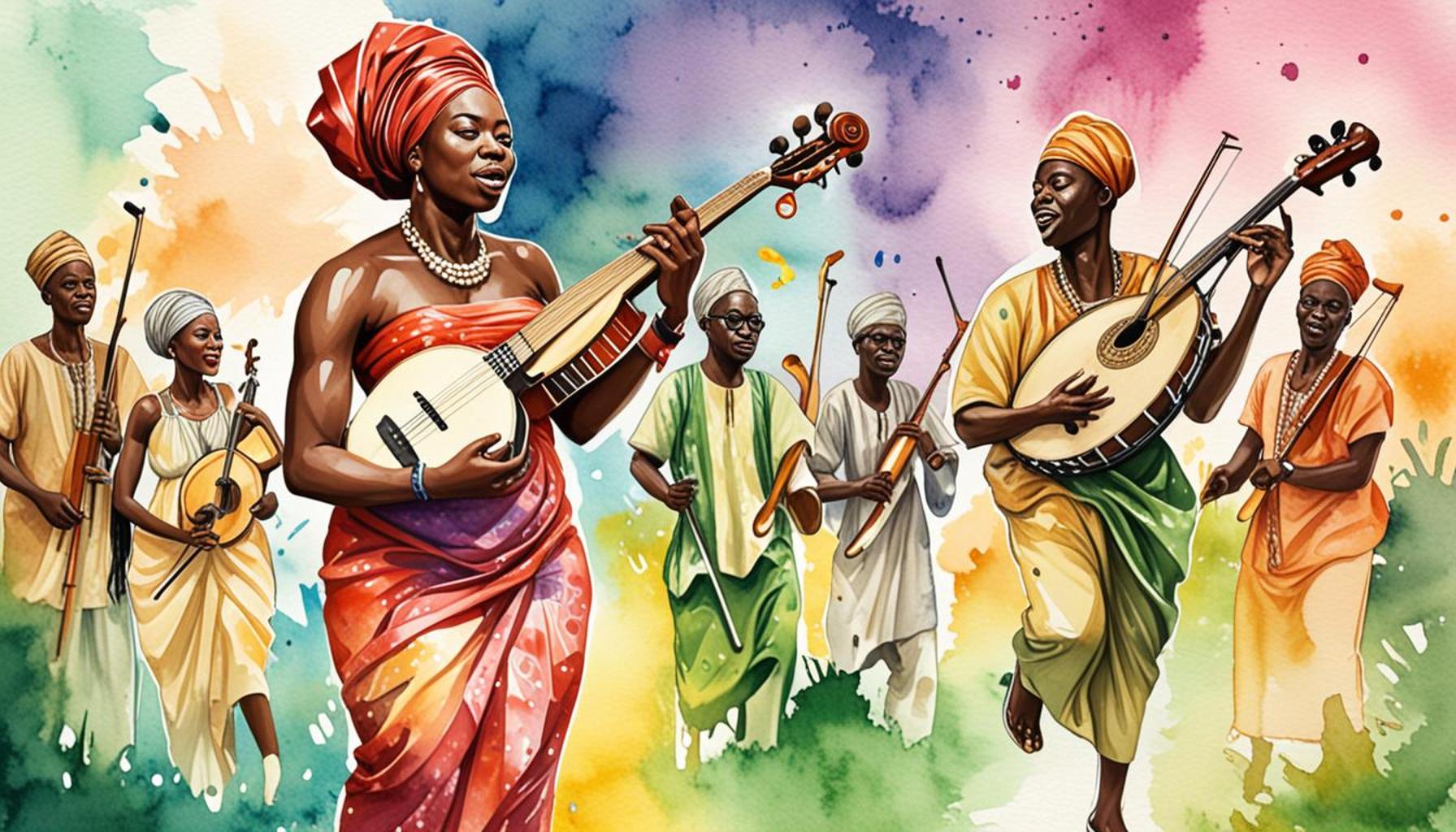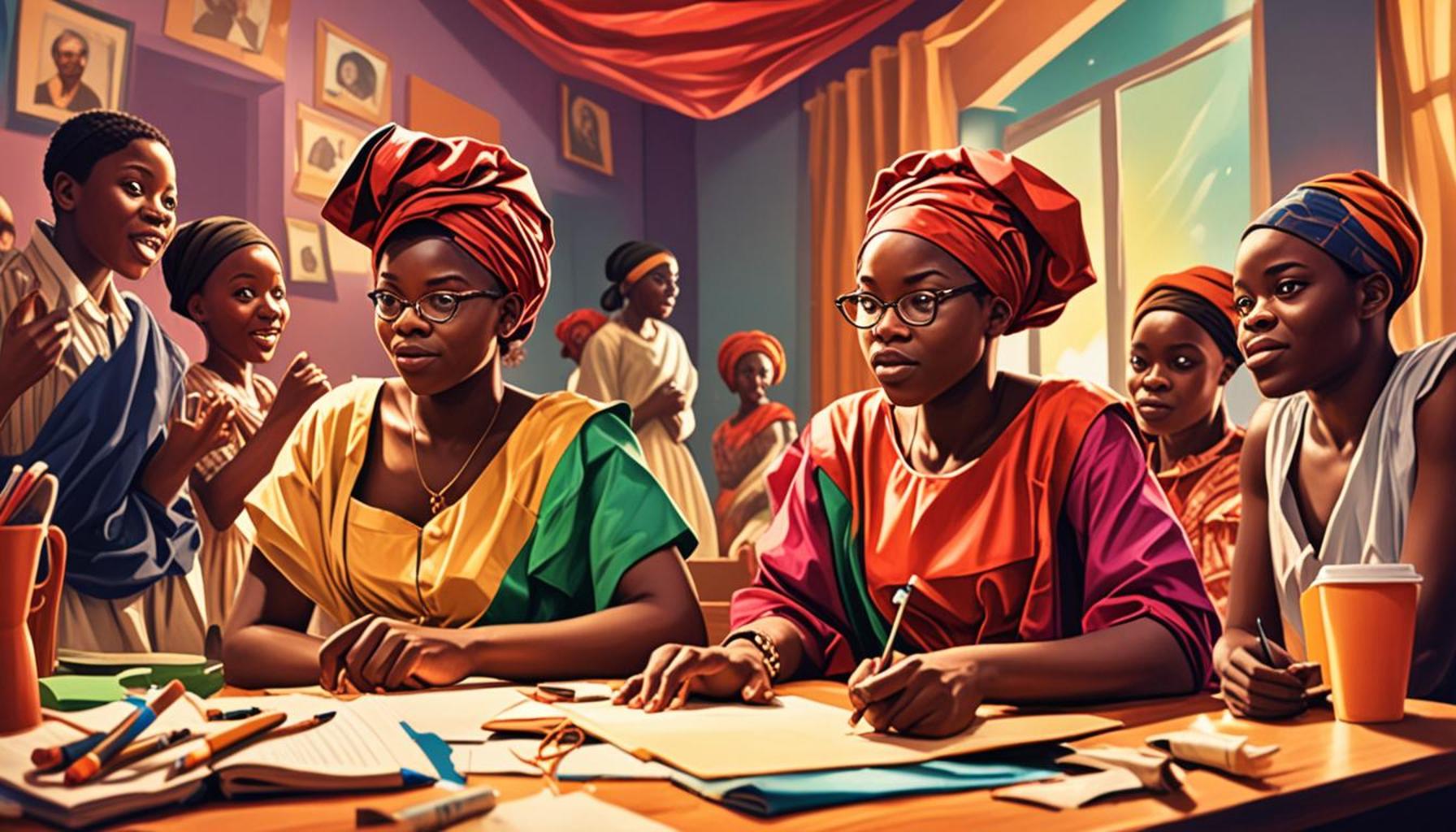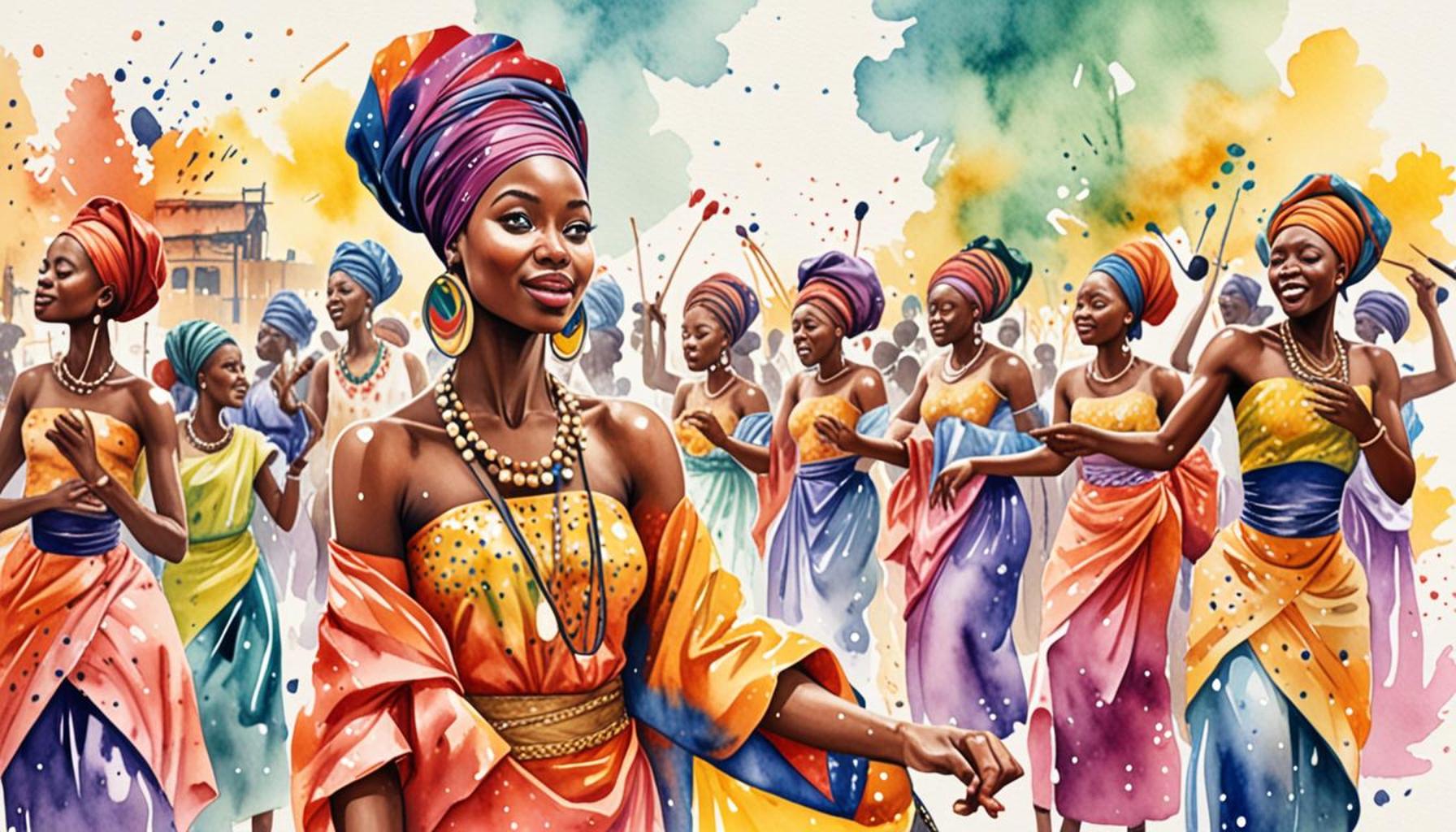
The use of technology in performing arts: innovations and challenges in the Nigerian cultural scene.
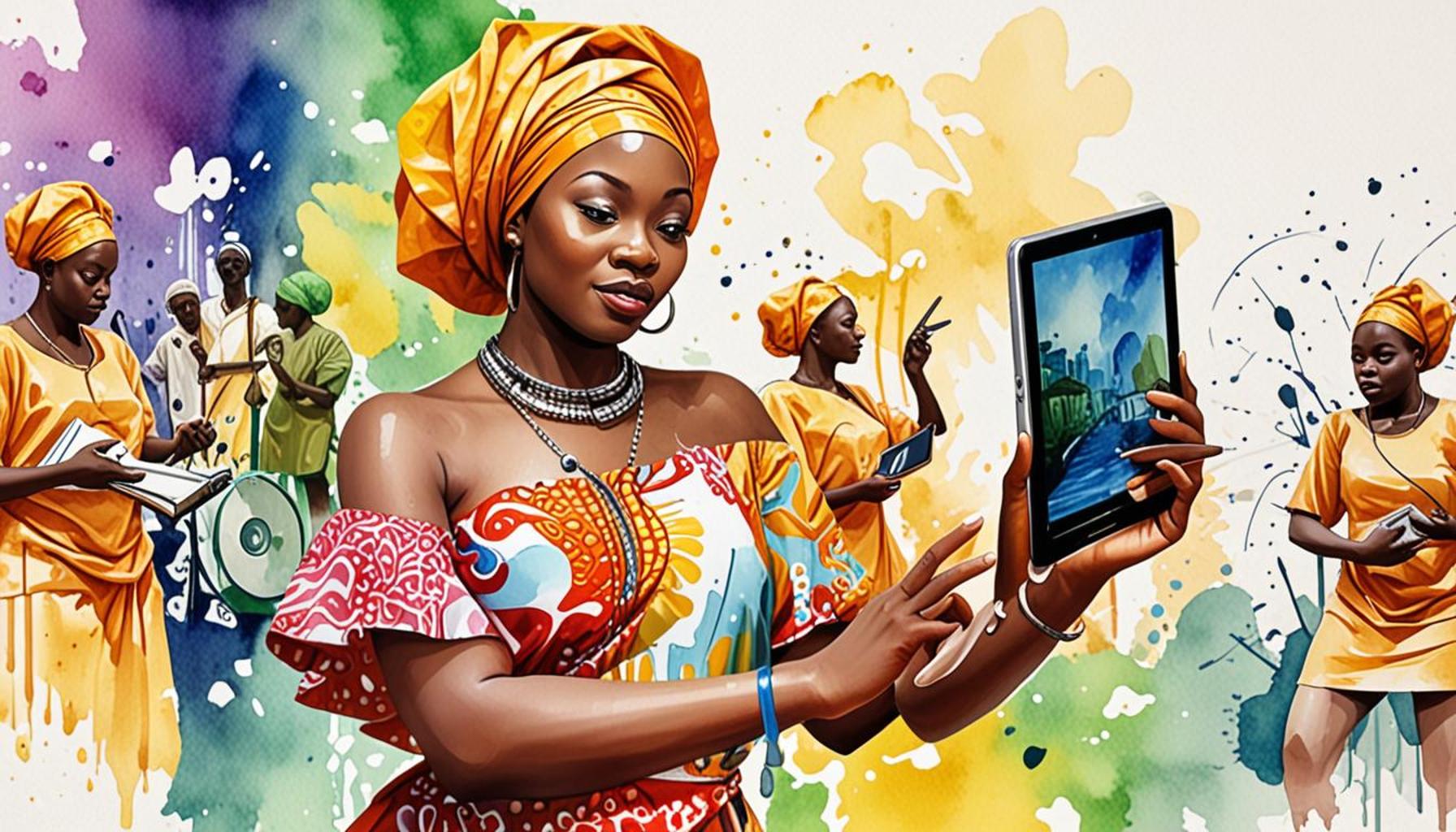
The Evolving Landscape of Performing Arts in Nigeria
As Nigeria continues to embrace the digital age, the intersection of technology and performing arts is transforming how stories are told, shared, and experienced. Artists across the nation are harnessing innovative tools—from mobile applications to digital marketing strategies—to enhance their creativity and broaden their reach. This revolution is not just an evolution; it’s a significant shift that brings both remarkable opportunities and formidable challenges.
Innovations in the Arts
Artists in Nigeria are utilizing cutting-edge technologies to push the boundaries of traditional performance art. For instance, digital storytelling is rapidly gaining popularity, enabling performers to create rich narratives that weave together visual and auditory elements through multimedia platforms. Theater groups like the Terra Kulture in Lagos have embraced social media to showcase performances, offering behind-the-scenes glimpses and fostering a deeper connection with audiences.
Moreover, the emergence of virtual reality experiences allows viewers to immerse themselves in performances in a way never before possible. For example, art collectives are using VR to recreate immersive experiences of traditional Nigerian festivals, helping to educate global audiences on rich cultural heritages that might otherwise be overlooked.
Enhanced Accessibility
The advent of streaming platforms such as YouTube and Zoom has significantly increased accessibility to local performances, enabling performers to reach a worldwide audience. Nigerian artists can now stream their plays, music concerts, and dance performances to thousands globally, extending their cultural influence beyond the borders of the nation. This dynamic platform allows emerging talent to showcase their work and gain recognition, leading to potential collaborations with international artists.
The Power of Collaboration
Technology is also fostering unprecedented collaboration among various art forms. Performing artists are now partnering with visual artists, musicians, and playwrights to produce hybrid performances that enrich the storytelling process. Collaborations such as the recent production that combined theatre with live digital art projection exemplify how technology can bring a new dynamic to traditional works, enhancing the richness and diversity of Nigerian narratives.
Challenges on the Horizon
Despite the exciting prospects, this technological embrace comes with its challenges. Chief among these are infrastructure limitations. Many artists operate in regions with inconsistent internet access, limiting their ability to fully utilize digital platforms. This can significantly stifle creativity and access to resources necessary for high-quality productions.
Cost barriers also play a critical role; advanced technology such as high-definition cameras and editing software can be prohibitively expensive for many local performers. For many artists, the price tag associated with creating digital content may outweigh the potential rewards, stymying innovation.
Additionally, there is a growing concern regarding cultural preservation. The rapid embrace of modern technology raises questions about how traditional art forms might be affected. Striking a balance between innovation and tradition is crucial; artists must navigate the path that honors the past while embracing the future.
In conclusion, as Nigerian artists navigate this multifaceted landscape, understanding the balance between utilizing technology and preserving cultural identity offers deep insights into the vibrant tapestry of Nigeria’s performing arts today. With determination and creativity, the future of Nigerian performing arts stands poised to thrive, adapting in ways that resonate with both local and global audiences.
SEE ALSO: Click here to read another article
Bridging Tradition and Technology
In the vibrant cultural landscape of Nigeria, technology serves as a powerful tool that bridges the divide between tradition and contemporary art forms. As performing artists explore new mediums, they are not only redefining the essence of their work but also engaging younger audiences who are more attuned to the digital age. For example, the increasing use of social media platforms allows artists to showcase their profiles and performances in real-time, creating a dynamic dialogue with fans while promoting Nigerian culture across the globe.
Digital Platforms as Showcases
One of the most significant innovations in the Nigerian performing arts scene is the rise of digital platforms. Platforms like Instagram Live and YouTube have enabled artists to stream performances and reach a global audience as never before. This shift allows diverse forms of artistic expression, such as traditional dance, music, and theatre, to gain international recognition. Remarkably, the COVID-19 pandemic hastened this trend, prompting many artists to rely on these innovative channels to stay connected with fans and maintain relevance.
Emerging Technologies in Performance
The integration of emerging technologies in performance art has resulted in groundbreaking projects. One notable example is the use of augmented reality (AR) in stage productions. Artists can create interactive environments that engage audiences physically and visually, transforming static performances into immersive experiences. Another innovation is the utilization of drone technology for aerial cinematography, capturing performances from unique angles and enhancing visual storytelling. With these advances, performing arts in Nigeria is not limited to the stage but expands into a multisensory experience.
Building a Digital Infrastructure
Nevertheless, as the digital transformation unfolds, it is essential to address the infrastructural gaps that exist in Nigeria’s performing arts sector. Key challenges include:
- Inconsistent internet access: Many artists, especially those in rural areas, struggle with reliable access to the internet, limiting their ability to engage with audiences online.
- Digital literacy: Not all artists are proficient in using digital tools, making it imperative to provide training and resources to enhance skills.
- Cost of technology: Advanced technologies come with a price, and many artists find it difficult to invest in the necessary equipment to create high-quality productions.
To genuinely empower the sector, it is crucial for stakeholders—governments, private sector entities, and philanthropic organizations—to invest in building a robust digital infrastructure that supports artists. Initiatives aimed at providing affordable internet access and training workshops can significantly enhance the capability of Nigerian artists to thrive in this technological landscape.
Potential for Cultural Exchange
Another exciting innovation lies in the potential for cultural exchange facilitated by technology. With more artists participating in international digital festivals and collaborations, Nigerian performing arts are beginning to reach wider audiences, allowing for a rich exchange of ideas and customs. Such interactions not only highlight the country’s vibrant cultural fabric but also enhance the global appreciation for Nigerian storytelling traditions.
In summary, the intersection of technology and performing arts in Nigeria is a multifaceted journey marked by innovation, exploration, and challenges. As artists embrace new possibilities, they navigate the intricate dynamics of honoring tradition while also pushing creative boundaries, setting the stage for a transformative future in the cultural scene.
| Advantages of Technology | Impact on Nigerian Cultural Scene |
|---|---|
| Enhanced Accessibility | Technology allows artists to reach audiences beyond physical venues, fostering global exposure. |
| Innovative Collaboration | With digital tools, artists collaborate across borders, integrating diverse cultural elements into performances. |
| Cost Efficiency | Creative use of technology can reduce production costs, making performing arts more financially sustainable. |
| Preservation of Culture | Digital archiving helps to preserve traditional Nigerian arts and crafts, ensuring cultural history is documented. |
The intersection of technology and performing arts in Nigeria illustrates a vibrant transformation. For instance, the use of virtual reality (VR) in theatrical performances elevates storytelling, allowing viewers to immerse themselves in Nigerian folklore and narratives. Additionally, online platforms are increasingly used to host festivals and workshops, broadening the reach of local talent beyond regional borders. While challenges such as internet connectivity and digital literacy persist, the momentum in adopting technology hints at a dynamic shift in how performance arts are engaged with across diverse audiences. As creatives navigate this landscape, the growth of tech-savvy artists promises to enrich the cultural tapestry of Nigeria, inviting further exploration into how these innovations can enhance the traditional art forms that define this rich cultural scene.
LEARN MORE: This related article may interest you
Embracing the Future of Performance Art
As the Nigerian performing arts industry continues to evolve, it finds itself at the crossroads of rich cultural heritage and the rapid advent of technology. This transformation presents both captivating opportunities and formidable challenges. One of the most promising avenues for growth is the incorporation of digital storytelling techniques, where artists can engage audiences through multimedia narratives that resonate across multiple platforms. Musicians, dancers, and playwrights are now able to push creative boundaries and introduce audiences to new interpretations of traditional narratives using animated visuals, soundscapes, and even interactive elements that can be experienced from anywhere in the world.
The Role of Virtual Reality
Virtual reality (VR) is another innovative technology making waves in the Nigerian performing arts scene. With VR headsets becoming increasingly accessible, artists can create fully immersive environments that significantly enhance spectator engagement. For instance, performances can be designed to transport audiences into meticulously created digital worlds that reflect the cultural heritage and local narratives of Nigeria. This not only fosters a deeper connection between the audience and the art but also encourages a broader appreciation of Nigerian culture on a global scale. Through VR, an audience member can watch a theater performance from within the story, allowing for a unique perspective that traditional formats cannot replicate.
Online Communities and Artist Collaborations
The surge of online communities, particularly through platforms like Clubhouse or Zoom, has also proven vital as artists come together to collaborate and innovate. The Nigerian performing arts community has shown a remarkable ability to leverage these platforms to brainstorm ideas, share resources, and co-create projects that defy geographical barriers. Artists can collaborate with peers across the continent or even around the globe, fostering a rich cultural exchange that results in blended performances that draw on varied influences. This community-driven approach enhances creativity while reinforcing a sense of belonging among artists, providing a support system crucial for personal and professional growth.
Monetization Challenges
Despite the various technological advancements, monetization remains a significant challenge for many artists in Nigeria. The current digital landscape often favors platform creators rather than the artists themselves, leading to concerns about fair compensation for creative work. Many Nigerian creators face difficulties in finding reliable methods to monetize their performances online, as ticketing for digital events is still an evolving market. Moreover, the dependence on donations or patronage via crowdfunding can be unpredictable, making it challenging for artists to sustain their livelihoods. Thus, developing innovative revenue models that prioritize fair compensation for artists in the digital space is essential.
Audience Reception and Cultural Sensitivity
The introduction of technology into the performing arts also raises questions about audience reception and cultural sensitivity. While some viewers may embrace innovative formats like digital performances, others may cling to traditional forms, leading to a divide that artists must navigate. Engaging audiences in open discussions about the artistic direction and how technology intersects with cultural values is vital. For instance, integrating audience feedback through surveys or interactive digital platforms post-performance can provide insights into how audiences perceive these changes, allowing artists to refine their approaches while respecting the cultural roots that shaped their work.
As Nigerian artists continue to embrace technology, the balance between innovation and tradition will play a crucial role in shaping the future of performing arts. The ongoing dialogue around these aspects, coupled with the need for collaboration and improvement in digital infrastructure, marks an exciting era in the Nigerian cultural scene.
CHECK OUT: Click here to explore more
Concluding Thoughts on the Intersection of Technology and Performing Arts in Nigeria
The marriage of technology and performing arts in Nigeria stands as a testament to human creativity and resilience. As artists navigate the rich tapestry of Nigerian culture, the integration of cutting-edge technologies such as virtual reality and digital storytelling opens new dimensions for artistic expression. This environment fosters innovation, allowing artists to reach a global audience while creating immersive experiences that are deeply rooted in Nigerian narratives.
However, monetization challenges remain a pressing issue, underscoring the need for sustainable models that fairly compensate creators in the digital realm. The arts community will need to rethink approaches to generating revenue in a landscape that has fundamentally shifted due to technology. Innovative thinkers and stakeholders must prioritize building systems that allow artists to thrive economically while embracing this digital evolution. Additionally, fostering open dialogues about audience perceptions and cultural sensitivity must be at the forefront, ensuring that traditional forms are celebrated even as new methods emerge.
As Nigeria’s performing arts scene continues to evolve, the potential for synergies between technological innovation and cultural heritage is immense. Sustaining this momentum requires collaboration among artists, technologists, and cultural institutions. The future holds exciting possibilities, and understanding how to balance tradition with modernity will define the trajectory of Nigeria’s cultural landscape. For those engaged in the performing arts, the challenge lies not only in leveraging technology to enhance creativity but also in preserving the rich narratives that form the backbone of their artistry.