The Role of Visual Arts in Promoting Social Inclusion: Breaking Barriers Through Creativity
Transformative Power of Visual Arts
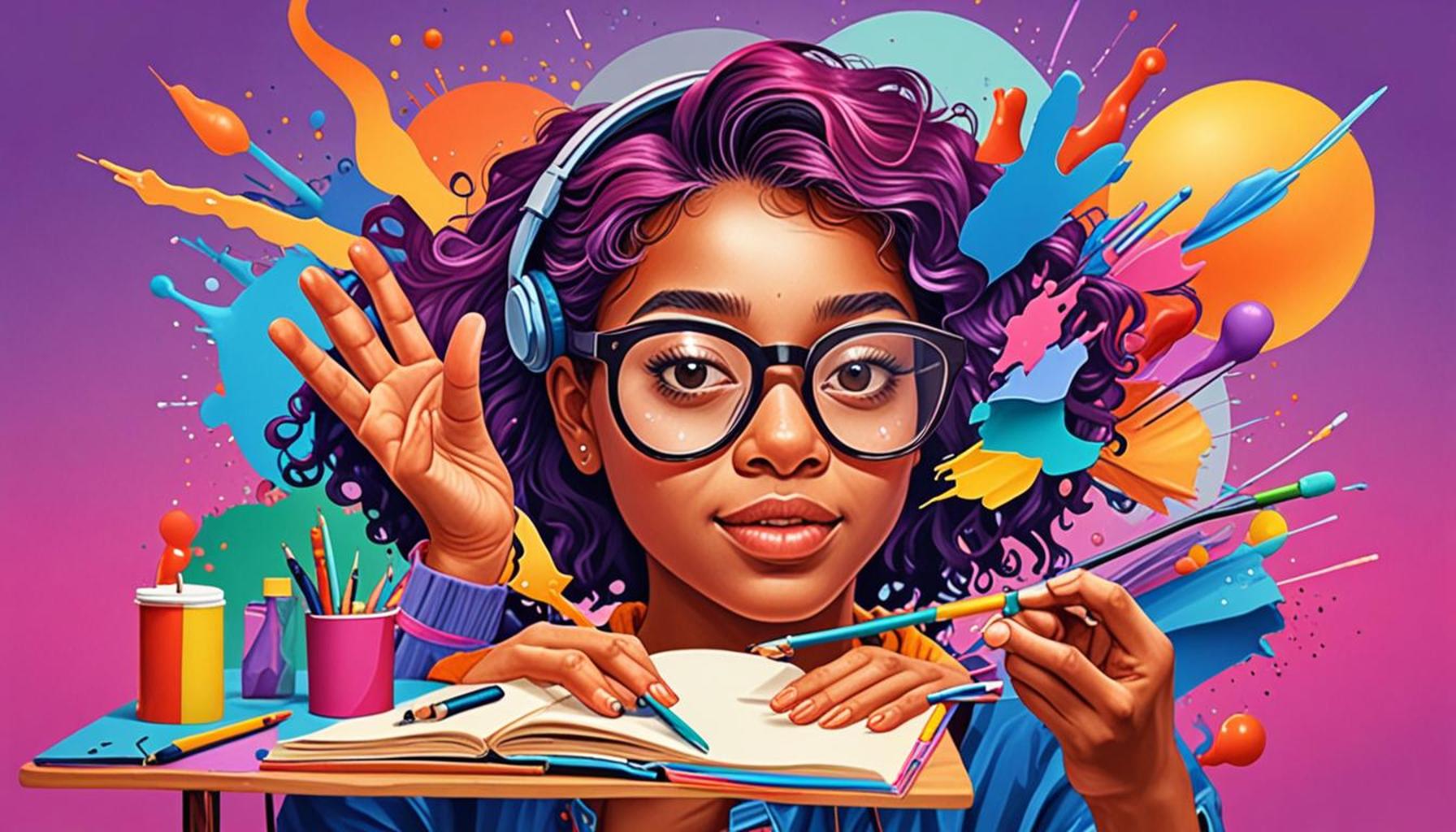
Visual arts serve as a mirror reflecting the multifaceted narratives of society, particularly in terms of social inclusion. By leveraging creativity, communities can forge connections that not only transcend social and economic barriers but also foster an environment of mutual understanding and respect.
In Nigeria, a country with rich cultural diversity and a myriad of ethnic identities, visual arts have emerged as a pivotal platform for communication and expression. This is particularly evident in urban centers like Lagos and Abuja, where local artists and community members actively engage in a dialogue that celebrates their heritage while addressing contemporary issues. Below are some vital ways in which visual arts contribute to social inclusion:
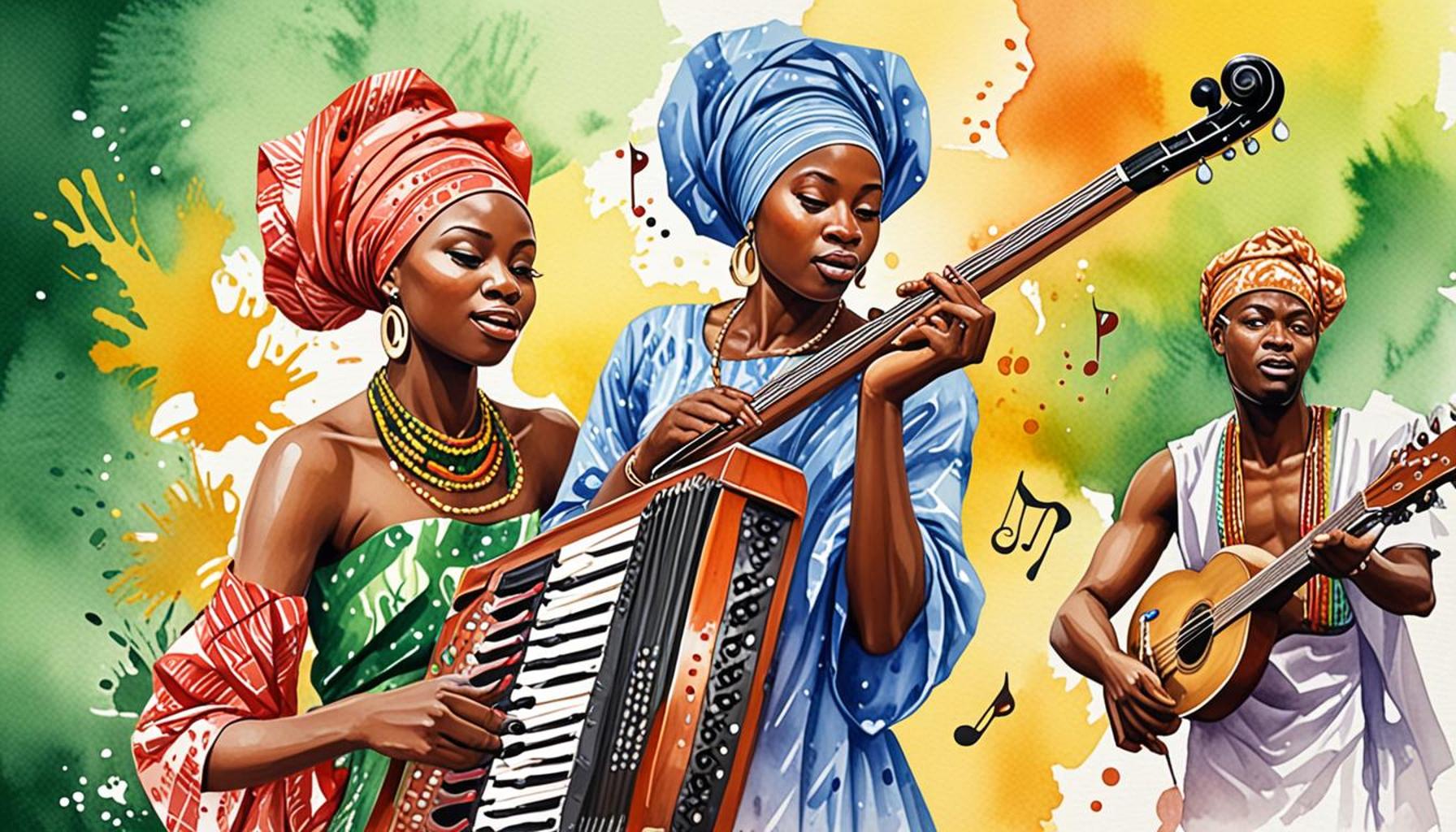
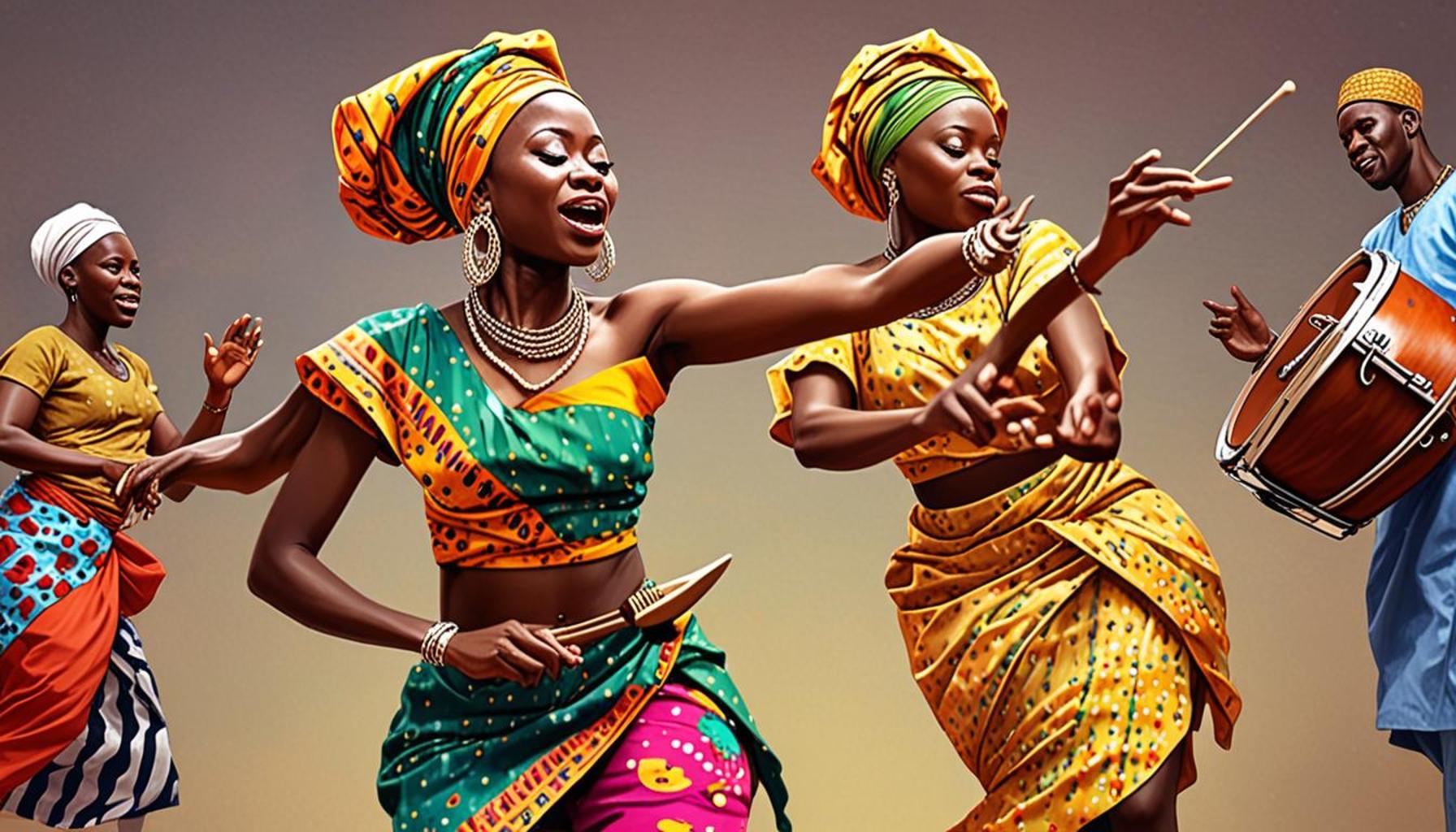
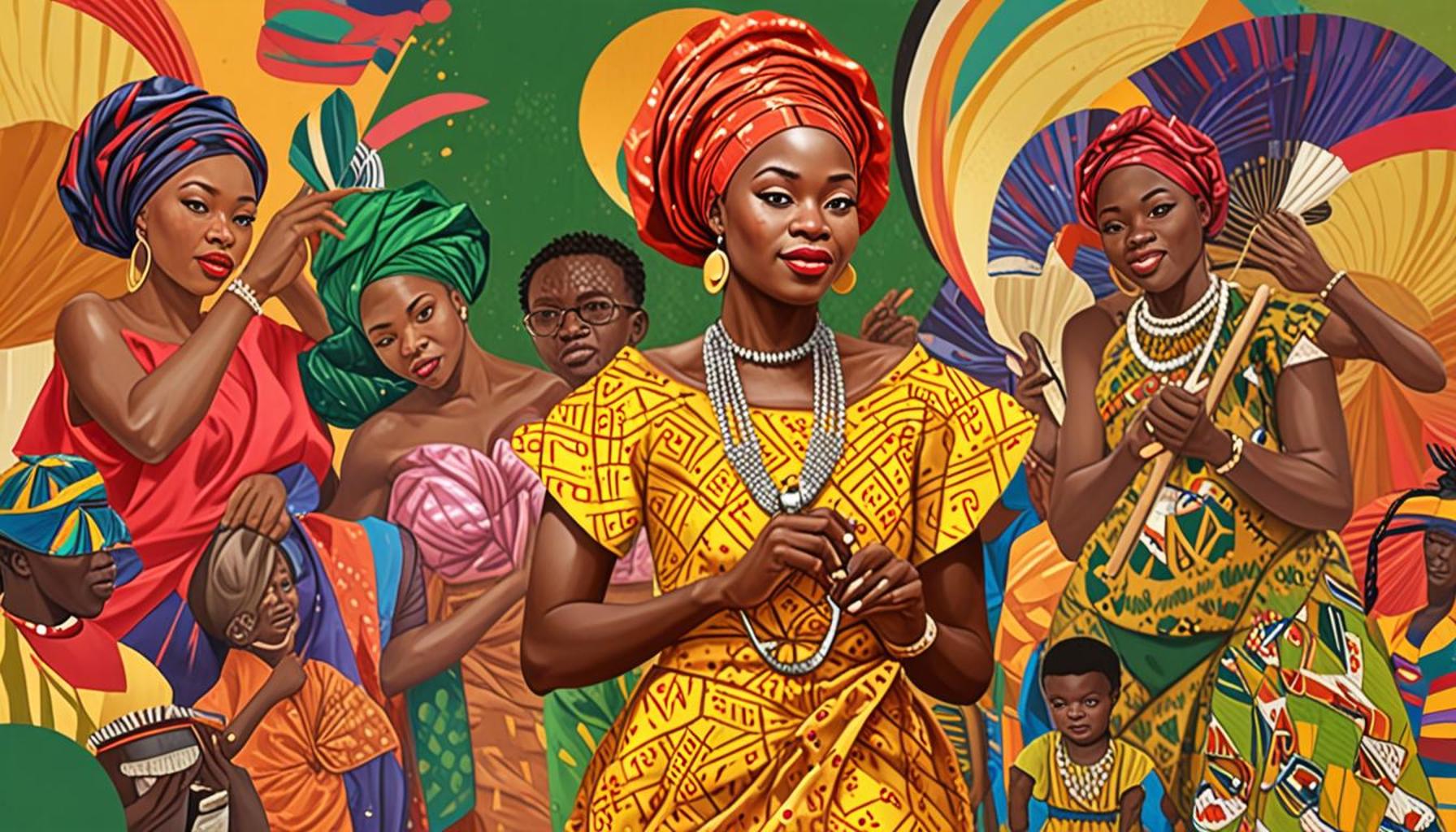
- Cultural Representation: The art scene in Nigeria showcases the stories and identities of various ethnic groups. For instance, the vibrant works of the Ijaw and Yoruba peoples encapsulate their historical narratives and cultural nuances, offering insights into their traditions and contemporary lifestyles. Art forms such as painting, sculpture, and textile design not only beautify spaces but also serve as a repository of cultural memory.
- Community Engagement: Collaborative art projects like community murals and public installations create a sense of belonging. Initiatives such as the “Art for Change” workshops bring together individuals from different backgrounds to co-create, allowing them to forge connections that foster a sense of unity despite their differences. Such projects often result in artwork that reflects collective aspirations and concerns, instilling pride and ownership among community members.
- Empowerment: Visual art provides a voice for the marginalized and underrepresented. For example, women’s art collectives across the country, like the women artisans in Enugu, harness their creative talents to express their struggles and triumphs, challenging traditional gender roles. This empowerment through art encourages individuals to share their stories and advocate for social justice.
Moreover, visual arts have the potential to confront societal norms and provoke meaningful conversations about pressing issues such as inequality, corruption, and environmental concerns. Artists in Nigeria often blend creativity with activism, using their work to critique social injustices and inspire change. The phenomenon of art activism is gaining momentum, with exhibitions and performances focusing on critical themes that resonate with the public, thereby transforming perceptions and sparking dialogue.
As we further explore the intricate relationship between visual arts and social inclusion, it becomes clear that the creative journey not only enriches individual lives but also reinforces the collective identity of communities. The impact of visual arts in Nigeria is profound, as it continues to break barriers in an ever-evolving society, encouraging everyone to engage with and appreciate the diverse threads that weave the fabric of Nigerian culture.
SEE ALSO: Click here to read another article
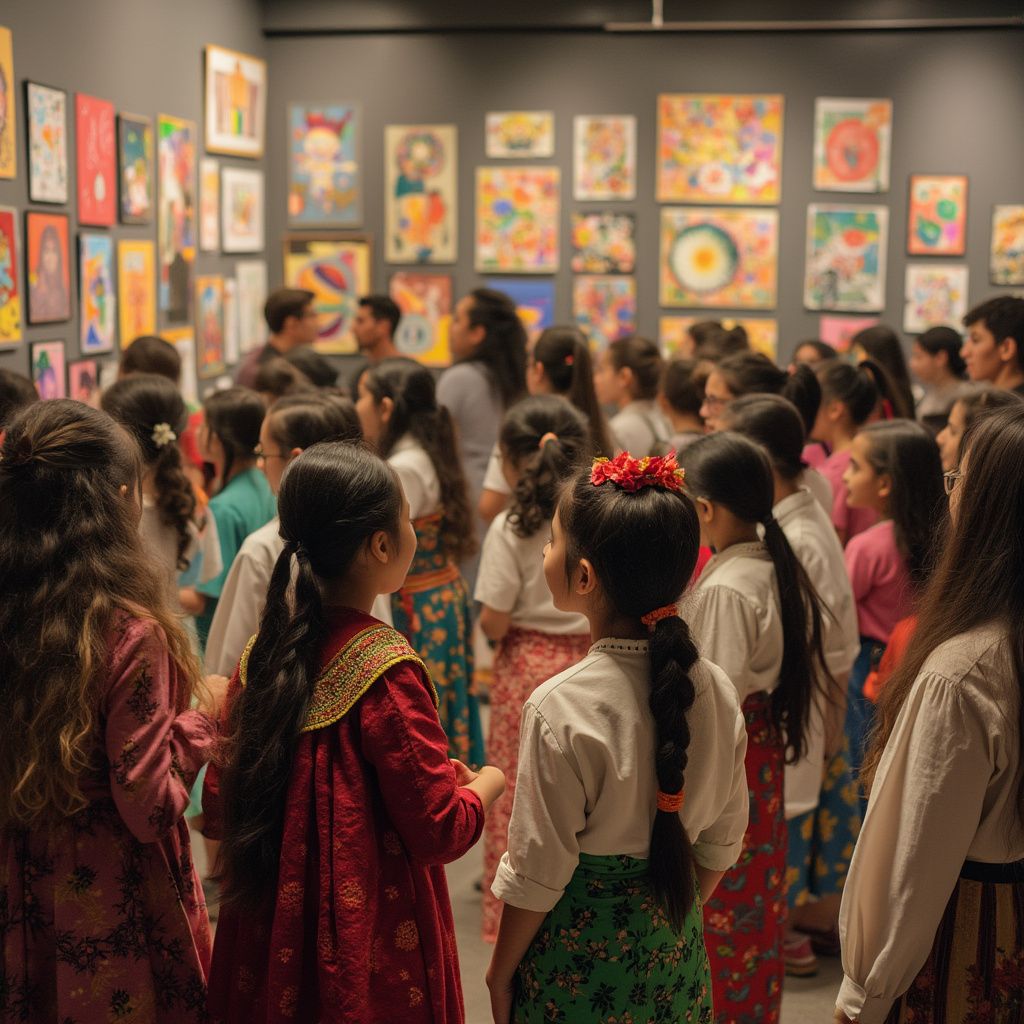
Visual Arts as a Catalyst for Dialogue
In Nigeria, the transformative power of visual arts goes beyond aesthetics; it serves as a critical avenue for fostering social inclusion through dialogue and shared experiences. The arts can break down barriers of misunderstanding and prejudice, transforming communities by allowing individuals to see each other’s realities through a creative lens. As art evolves, it offers a platform for storytelling and emotional expression, capturing the complexities of life in Nigeria’s diverse landscape.
One remarkable aspect of visual arts is its ability to engage youth in meaningful conversations about their identities and future. Projects such as “Art in the City,” which showcases the contributions of young artists from various backgrounds, help to cultivate a sense of solidarity and purpose. The initiative encourages young people to share their perspectives through different mediums—paintings, installations, and performances—bridging gaps between urban and rural narratives.
Empowering Marginalized Voices
The role of visual arts in empowering marginalized voices should not be overlooked. In many Nigerian communities, artists often spring from backgrounds where their stories are relegated to the periphery. Through visual arts, these individuals can reclaim their narratives and challenge dominant cultural paradigms. For instance, artists from the Niger Delta use traditional art forms, such as wood carving and painting, to address issues of environmental degradation and social injustice. These artworks convey powerful messages about the need for change in dialogue with policymakers and the general public.
Additionally, art forms like street art and graffiti often give voice to the disenfranchised, explicitly addressing themes such as corruption, poverty, and societal neglect. These artistic expressions can stir emotions, prompting viewers to reflect on their roles within society and inspiring action. It is, therefore, evident that visual arts play a significant role in building a narrative of resilience and empowerment, forging pathways to social inclusivity.
A Shared Identity Through Collaboration
A further function of visual arts is its potential to create a shared identity through collaborative artworks. Initiatives like community art events and workshops allow participants from different ethnic groups and social backgrounds to work together towards common goals. For instance, during the annual Lagos Art and Ideas Festival, local communities engage in collaborative mural projects that visually celebrate their histories while confronting contemporary challenges. These murals serve not just as art installations, but as symbols of unity and collective aspiration.
- Building Cross-Cultural Bridges: Collaborative projects emphasize the similarities that unite us rather than the differences that divide us, showcasing shared values, aspirations, and struggles.
- Creating Safe Spaces: Art-making often cultivates an atmosphere where participants feel secure enough to express themselves freely, facilitating empathy and understanding among diverse groups.
- Encouraging Active Participation: The act of creating art together demystifies the creative process, inviting more people to engage in culture and express their ideas and feelings.
In this respect, visual arts become a powerful mechanism for social cohesion, promoting inclusivity while celebrating the rich tapestry of Nigerian society. As we continue to explore this vital connection between creativity and social inclusion, it is essential to highlight how visual arts continue to serve as a bridge, allowing individuals to forge meaningful connections across various divides.
| Advantages | Description |
|---|---|
| Fostering Community Engagement | Visual arts initiatives can bring together diverse groups, fostering collaboration and community spirit. |
| Enhancing Self-Expression | Art provides a platform for individuals to share their stories, enhancing their sense of identity and belonging. |
| Accessibility to Therapy | Creative arts therapies can be instrumental in aiding emotional healing, making mental health resources accessible to marginalized communities. |
| Promoting Cultural Understanding | Art showcases diverse perspectives, encouraging appreciation and understanding among different cultural backgrounds. |
Visual arts serve as a vital tool for social integration, allowing individuals from various backgrounds to connect through shared creativity. Programs designed around visual arts not only beautify public spaces but also create opportunities for dialogue among participants. In cities, murals and installations often tell the stories of the community, transforming neighborhoods into vibrant cultural hubs.Engagement in visual arts also acts as a catalyst for economic opportunities. Local artists gain exposure and sales outlets, while communities benefit from increased foot traffic and tourism. Additionally, innovative programs, such as art workshops aimed at individuals with disabilities, exemplify how inclusivity can be actively pursued, reinforcing the belief that everyone has a voice worth hearing. By systematically breaking down barriers and embracing creativity, visual arts can profoundly influence social dynamics, urging us to consider each brushstroke as a powerful means to enhance unity and understanding in our increasingly diverse society.
LEARN MORE: This related article may interest you
Visual Arts in Education: A Tool for Social Change
In Nigeria, the integration of visual arts into educational systems has become increasingly recognized as a vital approach to fostering social inclusion. Schools and community organizations are embracing art education not only as a vehicle for exploring creativity but also for nurturing dialogue and understanding among students from diverse backgrounds. Programs that emphasize artistic collaboration and interdisciplinary projects create an enriched environment where students learn to appreciate different perspectives and cultures.
Art clubs and programs that engage children and young adults in visual arts initiatives promote the idea of expression as a fundamental right. Through activities such as mural painting in public spaces or community exhibitions, participants not only enhance their artistic skills but also gain a deeper understanding of their community’s social issues. For example, the initiative “Art for Change” has mobilized secondary school students in various states to collaborate in art projects that highlight themes of inclusivity and acceptance, sparking conversations about diversity and shared human experiences.
The Therapeutic Benefits of Visual Arts
Visual arts also play a vital role in promoting mental health and well-being, which is an essential aspect of social inclusion. Many individuals face trauma, stigma, or isolating experiences, whether stemming from socio-economic struggles, health conditions, or personal circumstances. Therapeutic art programs, often conducted in collaboration with local healthcare providers, use creative processes as tools for healing and self-discovery. For instance, art therapy workshops in urban areas have shown promising results in helping marginalized individuals express complex emotions and build resilience.
Moreover, research indicates that engaging in visual arts can significantly enhance self-esteem and social skills. Vulnerable populations, including those with disabilities or mental health challenges, find solace and empowerment through creating art. Organizations like “Visual Voices,” which focuses on providing classes for disabled artists, allow participants to engage in a supportive community that values their talents and perspectives, ultimately fostering inclusivity.
Art and Technology: Expanding Frontiers of Inclusion
As technology continues to evolve, the intersection of visual arts and digital platforms offers exciting new avenues for promoting social inclusion. Social media has emerged as a powerful tool for artists to share their works and connect across geographic barriers, fostering a sense of community in the digital space. Initiatives that leverage digital art platforms are particularly empowering for young Nigerians, enabling them to showcase their creativity to a global audience while addressing local themes.
- Online Collaborations: Digital art projects allow artists from various backgrounds to collaborate virtually, breaking down the barriers of distance and opportunity. This collaborative spirit fosters cross-cultural dialogues and understanding.
- Interactive Workshops: Virtual workshops and webinars focusing on visual arts bring together diverse participants who can share experiences and learn from each other, thus reinforcing the concept of inclusivity.
- Supportive Networks: Online art collectives provide support and resources for aspiring artists, nurturing a sense of belonging and shared purpose among individuals who might feel alienated in their local contexts.
The role of visual arts extends beyond mere expression; it is a formidable ally in promoting social inclusion across various settings. By breaking down barriers through creativity, visual arts are paving the way for individuals to come together, share experiences, and ultimately build a more inclusive society in Nigeria.
YOU MAY ALSO LIKE: Read read another article
Conclusion: The Transformative Power of Visual Arts
In summary, the role of visual arts in promoting social inclusion is both profound and multifaceted. As explored throughout this article, visual arts transcend mere aesthetics; they serve as a vital conduit for dialogue, understanding, and healing in a world often marked by division and misunderstanding. From educational initiatives that foster collaboration among diverse students to therapeutic programs that empower marginalized communities, the capacity of visual arts to break down barriers is evident.
Furthermore, the integration of technology into the creative landscape enhances opportunities for connection and expression among artists, particularly in Nigeria. Digital platforms not only provide a stage for emerging talent but also cultivate supportive networks that reinforce the sense of belonging crucial for social inclusion. As individuals engage with the visual arts, they explore their identities, share their stories, and confront societal challenges, thereby contributing to a richer, more inclusive cultural tapestry.
As we look to the future, it becomes imperative for policymakers, educators, and community leaders to recognize and invest in the transformative potential of visual arts. By fostering an environment where creativity thrives and diversity is celebrated, we can pave the way for a unified society that embraces all voices. The path to social inclusion is illuminated through the brushstrokes of creativity, urging us all to join in the collective effort to create a more inclusive and understanding world.