
The Role of Sunscreens in Preventing Premature Aging: Myths and Truths

The Impact of UV Exposure on Skin Aging
The sun’s ultraviolet (UV) rays pose a significant threat to our skin, leading not only to immediate discomfort but also to long-term harm. Prolonged exposure can accelerate the visible signs of aging, with symptoms like fine lines, wrinkles, and dark spots becoming all too familiar. Understanding sunscreens and how they function in this regard is crucial for anyone looking to maintain healthy, youthful skin.
One common misconception is that all sunscreens are the same. In reality, sunscreens vary widely in composition and effectiveness. Some products focus exclusively on blocking UVB rays, which are responsible for sunburn, while others provide broader protection against both UVA and UVB rays. UVA rays penetrate deeper into the skin and contribute significantly to premature aging and skin cancer. When choosing a sunscreen, it’s essential to look for products labeled as broad-spectrum, as these offer comprehensive protection against both types of harmful rays.
Another prevalent myth is that sunscreen is only necessary on sunny days. This belief could not be further from the truth. UV rays can penetrate clouds and even reflect off surfaces like water and snow. For instance, on a cloudy day, up to 80% of UV rays can still reach your skin. Therefore, wearing sunscreen should be a part of your daily routine regardless of the weather conditions.
Consumers often wonder, “You won’t tan if you wear sunscreen,” which brings us to another misunderstanding. While sunscreen reduces the risk of burning, some users may still experience a tan, albeit a safer one. The presence of sunscreen does not completely block sun exposure; rather, it mitigates the potential damage while still allowing for a natural glow, minus the painful consequences of sunburn.
Why Sunscreens Matter
On the more factual side, it is vital to acknowledge that SPF protects against UVB rays and that a recommended broad-spectrum sunscreen can effectively shield against UVA rays too. Regular application of sunscreen is a fundamental step that can significantly lower one’s risk of developing skin cancers, making it imperative to incorporate this practice into everyday life. Studies have shown that individuals who consistently use sunscreen reduce their risk of melanoma by up to 50% in certain instances.
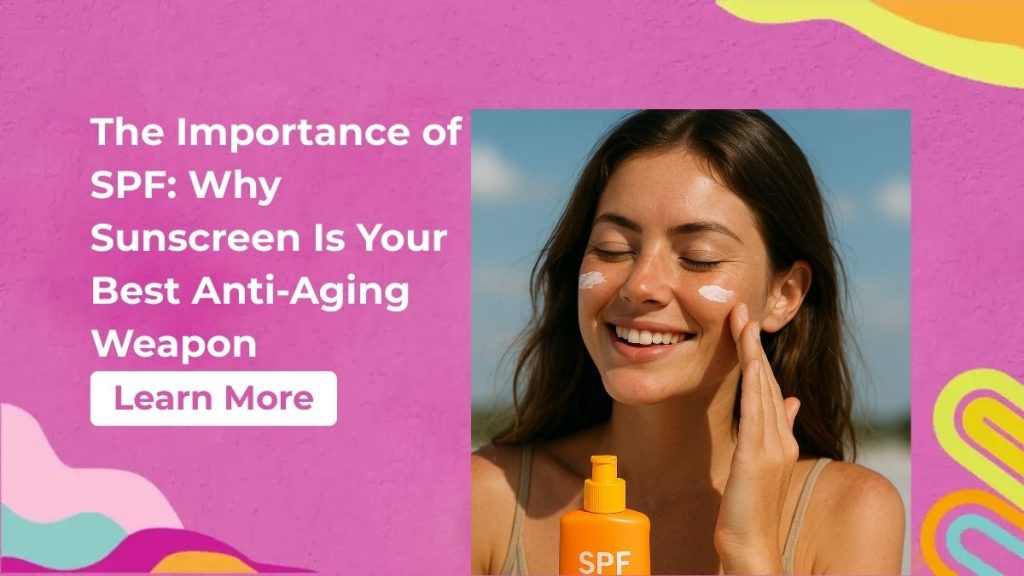
Another compelling reason to use sunscreen daily is its ability to enhance skin texture and tone over time. Many formulations are enriched with additional skincare benefits, including antioxidants and moisturizers. As a result, not only does sunscreen protect but it also contributes to the overall improvement and maintenance of skin health, cultivating a more vibrant and youthful appearance.
As we explore this intricate subject further, it becomes clear that dispelling myths and embracing the truths about sunscreens forms the foundation of an effective skincare strategy. Engaging in this dialogue about proper sun protection can empower individuals to take proactive steps in their skincare routines and ultimately achieve healthier, more resilient skin for years to come.
DIVE DEEPER: Click here to uncover more insights
Understanding Sunscreen Ingredients: Decoding the Labels
To make informed choices about sun protection, it’s essential to understand the ingredients in sunscreen products. Sunscreen formulations typically contain either physical (mineral) or chemical filters. Physical sunscreens contain ingredients such as zinc oxide or titanium dioxide, which create a barrier that reflects UV rays away from the skin. These products often start working immediately and are less likely to irritate sensitive skin, making them an excellent option for those seeking effective protection against premature aging caused by sun exposure.
On the other hand, chemical sunscreens absorb UV radiation through their active ingredients, which often include compounds like avobenzone, octisalate, and octinoxate. While these sunscreens can be lighter and easier to apply, it is crucial to choose products with the right combination of ingredients to ensure broad-spectrum protection against both UVA and UVB rays. When shopping, look for high-SPF ratings paired with a broad-spectrum designation to maximize effectiveness.
How Sunscreen Application Affects Aging
The application process itself also plays a crucial role in the effectiveness of sunscreen in preventing premature aging. Often, individuals are unaware of how much sunscreen is truly necessary, leading to inadequate coverage. Research suggests that for optimal protection, you should use about an ounce (the equivalent of a shot glass) for full body coverage. Furthermore, it is vital to apply sunscreen at least 15 minutes before sun exposure to allow the ingredients to bind to the skin properly.
To make the most out of your sunscreen routine, consider these important tips:
- Reapplication is Essential: Sunscreen should be reapplied every two hours and immediately after swimming or sweating.
- Don’t Skip Areas: Pay extra attention to common missed spots such as ears, feet, and the back of the neck.
- Layering with Other Products: Incorporate sunscreen as the final step of your skincare regimen to ensure that it acts as a shield against UV damage.
Another compelling factor that often goes overlooked is the skin’s cumulative exposure to sunlight over time. Even a few minutes of unprotected sun exposure can add up, contributing to the long-term signs of aging. Thus, integrating sunscreen into your daily skincare routine, regardless of outdoor activity level, forms a cornerstone strategy for preserving skin youthfulness.
Moving forward, we must continue to explore what constitutes effective sun care while unraveling common myths. By equipping ourselves with the necessary knowledge about the various formulations and application methods, we can harness sunscreen’s protective capabilities and stand resilient against premature aging.
The Role of Sunscreens in Preventing Premature Aging: Myths and Truths
Understanding the true impact of sunscreens on premature aging is essential for effective skincare. Despite various myths surrounding their use, research indicates that sunscreen plays a pivotal role in preventing the visible signs of aging. Here, we explore some common misconceptions and their truths.
| Category | Description |
|---|---|
| UV Protection | Sunscreens shield the skin from harmful UV rays, which can lead to fine lines and wrinkles. |
| Anti-Aging Ingredients | Many sunscreens incorporate antioxidants that fight free radicals, further enhancing skin health. |
Another popular misconception is that individuals with darker skin tones do not need sunscreen. Although melanin offers some natural protection against UV damage, it is not a substitute for sunscreen. In fact, people of all skin tones should wear broad-spectrum sunscreen to prevent skin damage, hyperpigmentation, and uneven skin tone.
Furthermore, regular application of sunscreen can help maintain an even skin tone and texture. Many users question whether sunscreen clogs pores or causes breakouts, but today’s formulations often include non-comedogenic ingredients designed to keep skin clear while providing adequate sun protection.
Finally, it’s essential to note that the effectiveness of sunscreen diminishes over time, especially with factors such as sweating and swimming. Therefore, it’s recommended to reapply every two hours or immediately after swimming or excessive sweating to maintain the protective benefits.
Embracing the correct use of sunscreen, along with adopting a diligent skincare routine, can significantly contribute to a youthful appearance, making knowledge of the myths and truths of sunscreen more critical than ever.
DIVE DEEPER: Click here to learn about genetics and skin aging
Debunking Common Myths About Sunscreens
As awareness of the importance of sun protection grows, so do the number of myths surrounding sunscreens. One of the most prevalent misconceptions is that wearing sunscreen is only necessary during sunny days or at the beach. In reality, up to 80% of UV rays can penetrate through clouds, meaning that even on overcast days, your skin is still vulnerable to damage. Regular use of sunscreen should be baked into your daily skincare routine, regardless of the weather conditions.
Another myth is that sunscreen is only needed in the summer months. However, studies reveal that UV radiation can affect your skin all year round, with a significant portion of skin aging attributed to cumulative sun exposure. During colder months, UV rays can reflect off snow and ice, increasing the risk of skin damage. Therefore, applying a broad-spectrum sunscreen with at least SPF 30 should remain a priority even in winter.
Understanding Broad-Spectrum Protection
It’s also critical to address the understanding of broad-spectrum protection. Many consumers believe that a high SPF alone will provide adequate protection. However, SPF measures only UVB rays, which are the primary cause of sunburn. UVA rays, on the other hand, penetrate the skin more deeply and are largely responsible for premature aging effects such as fine lines and hyperpigmentation. Look for sunscreens labeled as “broad-spectrum” to ensure protection against both UVA and UVB rays.
Further contributing to the confusion are concerns regarding the safety of sunscreen ingredients. Some potential users worry that chemicals in sunscreens can be harmful to their health or the environment. Recent research indicates that the FDA has assessed the safety of various sunscreen ingredients, and while concerns about certain components continue to arise, such as oxybenzone, the consensus remains that the benefits of protecting the skin from UV damage greatly outweigh the potential risks. It’s advisable to remain informed about newer formulations, opting for those that are reef-safe if that’s a concern.
Age-Related Changes and the Need for Sunscreen
Another point often misunderstood is that once one reaches a certain age, skincare becomes less vital. On the contrary, the need for protective measures increases as skin undergoes natural aging processes. Aging skin shows diminished natural defenses against UV rays, leading to higher susceptibility to sun damage. Furthermore, many adults experience changes in pigment production, leading to age spots and uneven skin tone—a condition exacerbated by sun exposure. Research has shown that consistent use of sunscreen can help delay these signs significantly.
It’s also worth noting that the type of sunscreen individuals choose can be influenced by their skin type. For instance, individuals with oily or acne-prone skin may gravitate towards oil-free or non-comedogenic formulations. On the other hand, those with dry skin may benefit from creamy sunscreens that offer additional moisturization. Identifying the right sunscreen that caters to your specific skin needs is crucial in establishing a consistent skincare regimen.
The conversation around sunscreen extends beyond mere application; it involves an ongoing dialogue about skin health, awareness of the surrounding environmental factors, and savvy consumer choices. By dispelling these myths surrounding sunscreen use, individuals can better equip themselves for combating premature aging, thus preserving skin health for years to come.
DISCOVER MORE: Click here to learn about the impact of sleep on your skin
Conclusion: The Essential Role of Sunscreens in Aging Prevention
In summary, the role of sunscreens in preventing premature aging cannot be overstated. The myths surrounding sunscreen use, from its necessity during cloudy days to misconceptions about SPF, highlight the need for better education and awareness. Beyond mere sunburn prevention, consistent application of broad-spectrum sunscreen is crucial to safeguarding against the deep-penetrating UVA rays that significantly contribute to visible skin aging.
As demonstrated, the cumulative effects of sun exposure can lead to irreversible skin damage, including fine lines, wrinkles, and hyperpigmentation. Therefore, incorporating sunscreen into your daily skincare regimen, regardless of the season, is vital for maintaining skin health and longevity. The selection of the right formula—whether it be for oily or dry skin types—further enhances adherence to this protective measure.
Moreover, understanding and navigating the concerns related to sunscreen ingredients is essential. While some chemicals may raise eyebrows, the overall benefits of UV protection significantly surpass potential risks. Investing in quality sunscreens, ideally those marked as broad-spectrum and reef-safe, not only promotes personal skin health but also aligns with broader environmental considerations.
Ultimately, as society grows increasingly aware of the importance of skincare, it is imperative for individuals to reevaluate their sun protection habits. By dispelling myths and embracing the truths of sunscreen use, we can collectively combat the effects of premature aging, achieving vibrant, youthful skin for years to come. So, let your journey toward healthier skin start today—sunscreen is not just a seasonal accessory; it’s a lifelong commitment.