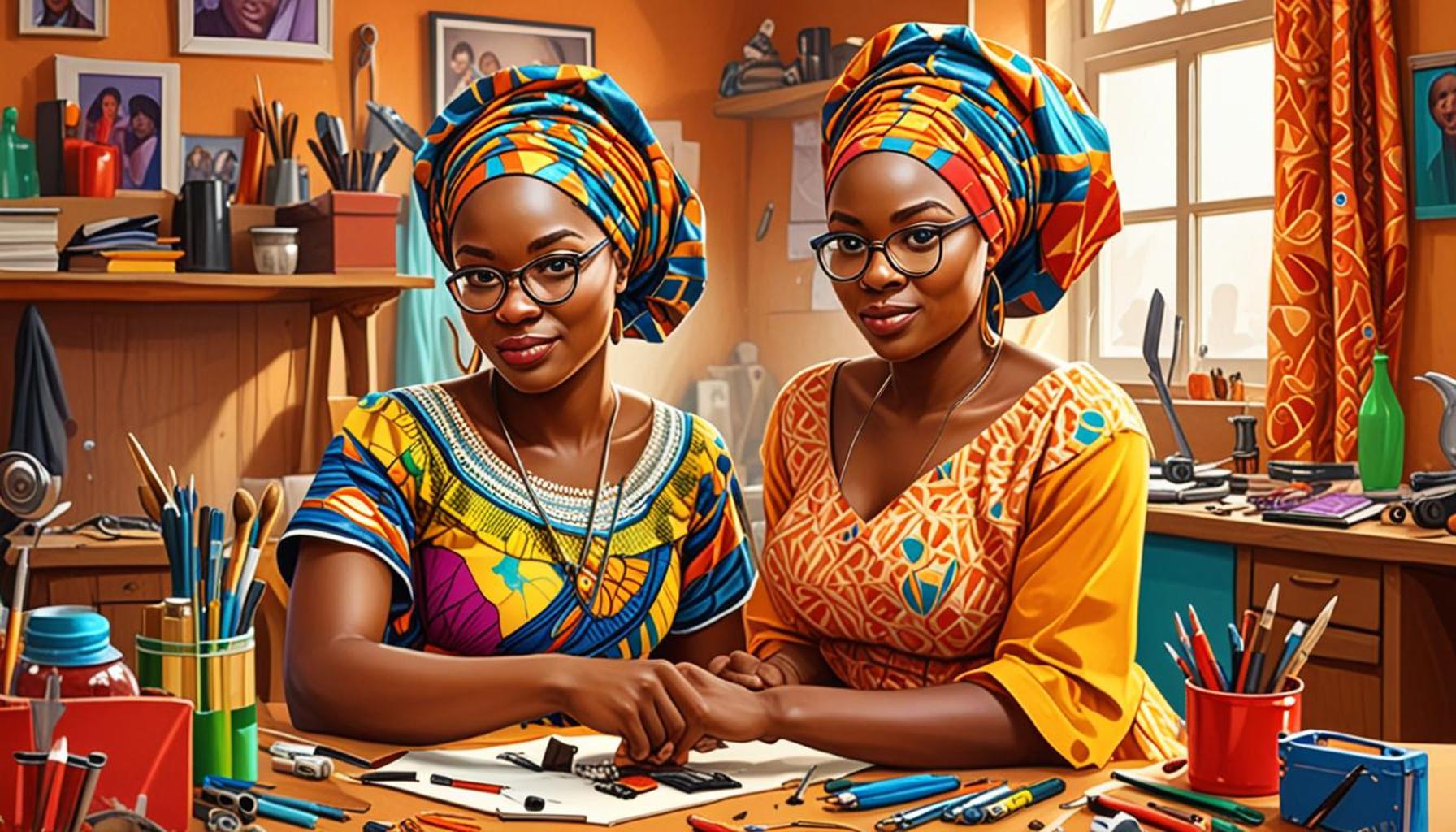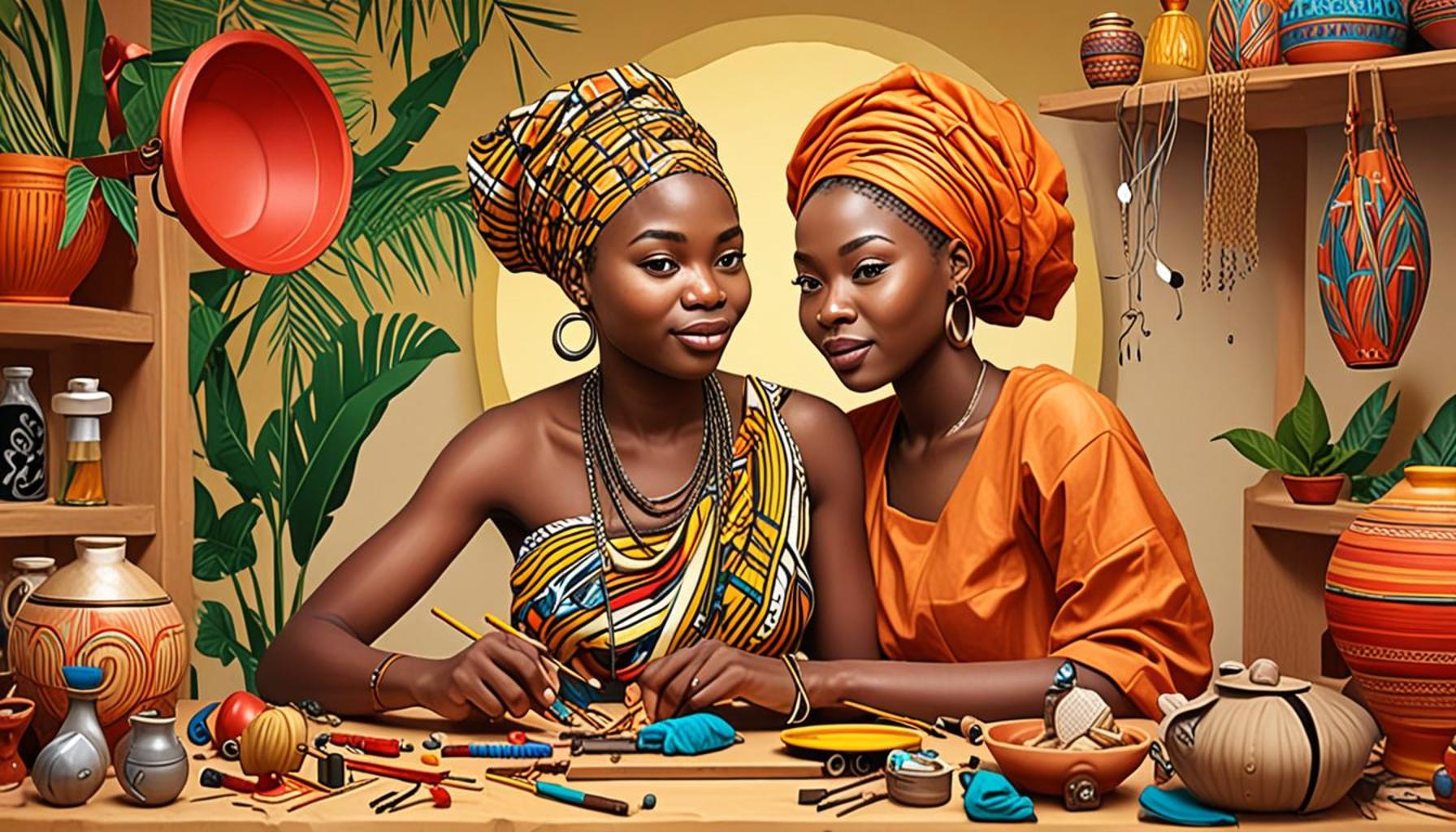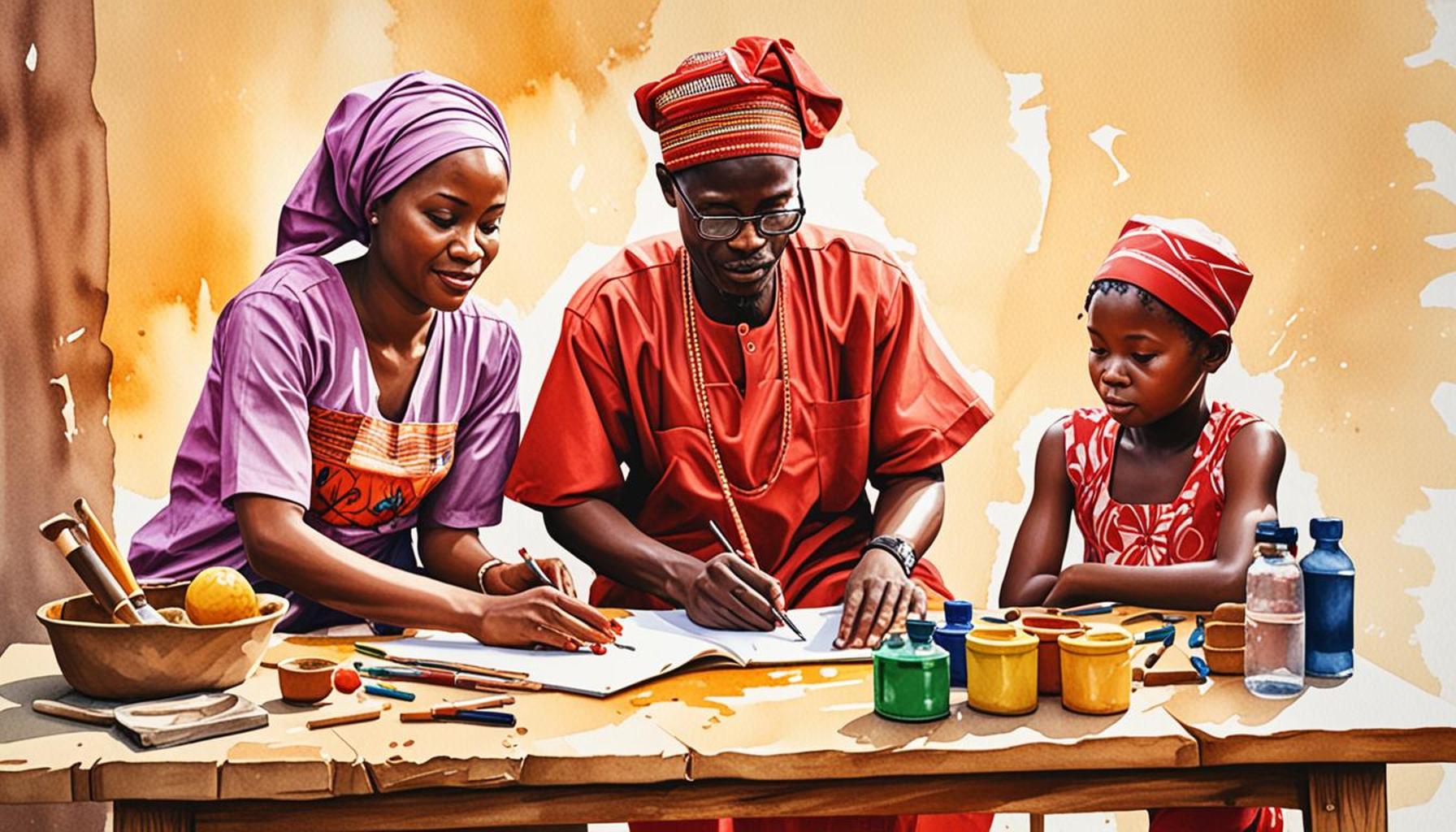
The Relationship between Handicrafts and Mental Health: Benefits of Creative Activities in Nigeria

Understanding the Therapeutic Benefits of Handicrafts
In recent years, especially amidst the pressures of modern life, mental health awareness has garnered increased attention in Nigeria. Crafts, particularly traditional handicrafts, have emerged as not only cultural emblems but also invaluable tools for enhancing mental well-being through the act of creation. Engaging in handicrafts encompasses a wider range of benefits that cater to both personal and communal healing.
The Creative Process as a Stress Reliever
One of the most notable aspects of engaging in crafts is stress reduction. Vividly recollecting the gentle rhythmic motion of weaving or the tactile sensation of molding clay can transport individuals away from their daily stresses. For example, artisans involved in traditional weaving often find their work to be meditative. The focus required to create intricate patterns actively guides their minds away from worries, allowing space for peace and reflection.
Boosting Mood and Self-Esteem
Moreover, the act of creating can stimulate the production of endorphins, the body’s natural mood elevators. Completing a craft project can instill a profound sense of accomplishment, significantly enhancing overall mood and boosting self-esteem. For instance, bead-making, prevalent in many Nigerian communities, offers not just a creative outlet but also an opportunity for artisans to sell their work and earn a livelihood. This not only nourishes their bank accounts but also fosters community pride and personal satisfaction.
Sharpening Focus and Encouraging Mindfulness
Additionally, participating in creative activities like pottery or textile art improves focus and concentration. Crafts require attention to detail, fostering a state of mindfulness that helps distract from the negativity often experienced in daily life. Artisans often report that immersing themselves in their work enables them to navigate emotional challenges with greater clarity.
The Cultural Importance of Traditional Crafts
In Nigeria, traditional crafts hold deep cultural significance. Weaving, pottery, and bead-making are not only artistic expressions but also forms of storytelling and preserving cultural heritage. As these crafts are passed down through generations, they act as a therapeutic bridge connecting individuals to their roots. This cultural connection is essential for community cohesion and personal identity, making the practice of handicrafts even more vital in today’s fast-paced environment.
As conversations around mental health continue to evolve, recognizing the role of handicrafts in emotional well-being becomes imperative. By encouraging community members to reconnect with artistic traditions, Nigerians can explore the profound positive impacts that creative activities have on mental health. It’s about reclaiming not just an art form, but also a path to richer emotional lives and healthier communities.
SEE ALSO: Click here to read another article
Exploring the Connection: How Handicrafts Foster Emotional Well-being
As the quest for mental health awareness gains traction in Nigeria, the role of creative activities through handicrafts plays a pivotal part in promoting emotional well-being. Studies indicate that artistic expression serves as a critical outlet for mental health, particularly in a country rich with diverse crafts. Whether it is making traditional garments, crafting intricate beadwork, or sculpting clay pots, the relationship between handicrafts and mental health becomes evident through various dimensions.
Community and Social Connectivity
Engaging in handicrafts fosters a strong sense of community. In Nigeria, many artisan groups come together to share techniques, stories, and resources, creating a support network that enhances social bonds. This interdependence is crucial as it combats feelings of isolation often associated with mental health struggles. Through communal activities, individuals not only learn new skills but also forge friendships and strengthen ties that contribute to overall emotional resilience.
Enhancing Cognitive Functions
Handicrafts also serve as a powerful tool for stimulating cognitive functions. Activities such as sewing or knitting require critical thinking, planning, and spatial awareness. These processes engage the brain in ways that enhance problem-solving skills and stimulate creativity. As artisans tackle challenges in their projects, they are training their minds to work through obstacles, which can translate into improved coping mechanisms for addressing life’s complexities.
The Role of Tradition in Mental Health
In many Nigerian communities, traditional handicrafts are more than just artistic pursuits; they are a connection to heritage. Participating in age-old crafts fosters a sense of belonging and identity, which can be incredibly grounding. This engagement with culture can be particularly beneficial for individuals grappling with issues such as low self-esteem or identity crisis. Craftsmanship becomes a form of celebration, instilling pride and a sense of purpose that bolsters emotional stability.
Benefits of Engaging in Handicraft Activities
The diverse benefits of participating in handicraft activities can be summarized as follows:
- Stress Relief: The physical act of creating can alleviate tension and promote relaxation.
- Emotional Healing: Crafts serve as an expressive outlet for emotions, facilitating catharsis.
- Cognitive Engagement: Crafting sharpens mental acuity and fosters greater concentration.
- Sensory Stimulation: Engaging multiple senses through craft activities can lead to enhanced mindfulness.
- Social Interaction: Group crafting promotes camaraderie, helping mitigate feelings of depression and isolation.
As Nigerians continue to navigate the intricate web of life, the inclusive nature of handicrafts invites individuals to experience a transformative journey toward improved mental health. Encouraging participation in these artistic expressions may hold the key not only to personal growth but also to crafting a more resilient society.
| Advantage | Description |
|---|---|
| Enhanced Emotional Well-being | Engaging in handicrafts can provide a strong outlet for emotions, helping to alleviate symptoms of anxiety and depression. |
| Cognitive Engagement | Creative tasks stimulate the brain, promoting better concentration and memory, which is particularly beneficial for older adults in Nigeria. |
| Social Connection | Handicraft activities often occur in group settings, fostering a sense of community and support that is essential for mental health. |
| Cultural Expression | Crafting allows individuals to connect with their cultural roots, creating a sense of identity and belonging that is vital for well-being. |
Participating in handicrafts offers significant advantages that contribute to improved mental health. One of the key benefits is enhanced emotional well-being, as engaging in creative processes provides individuals with a vital outlet for expression. This can lead to a noticeable decrease in anxiety and depression, especially in communities facing social and economic challenges.Furthermore, creativity promotes cognitive engagement, which is crucial for mental acuity. This is particularly true for the elderly population in Nigeria, where memory and concentration can decline with age. Crafting not only stimulates the mind but can also bridge generational gaps through shared learning experiences.Additionally, engaging in handicrafts can foster social connection. Many creative activities are conducted in group settings, allowing individuals to bond and build mutual support networks that are essential for mental well-being. Crafting communities can create a powerful sense of togetherness.Last but not least, the opportunity for cultural expression through handicrafts fosters a sense of identity and belonging. This cultural connection enhances self-esteem and promotes resilience, further highlighting the importance of handicrafts in maintaining mental health and well-being in Nigeria. Exploring these creative outlets can lead to transformative experiences that resonate deeply within the community.
ADDITIONAL INSIGHTS: Expand your understanding here
Handicrafts as a Tool for Mindfulness and Self-Expression
Handicrafts transcend mere creativity and introduce individuals to the therapeutic practice of mindfulness. In an increasingly fast-paced world, especially within urban Nigerian settings, taking time to engage in crafting activities can serve as a welcome respite. Activities such as weaving, embroidery, or pottery allow individuals to immerse themselves fully in the process, promoting a state of presence that calms the mind and enhances emotional clarity. According to research, this state of mindfulness not only reduces stress but can also alleviate symptoms of anxiety and depression, making the creation of handicrafts a form of daily meditation.
Cultural Significance and Personal Storytelling
Cultural identity plays a crucial role in the mental health benefits of handicrafts in Nigeria. Artisans often infuse their work with personal narratives and cultural symbolism that resonate deeply within their communities. For instance, Yoruba beadwork might tell stories of heritage, while Igbo pot-making may reflect local myths and traditions. Engaging with these crafts nurtures a sense of self-expression, allowing craftsmen and women to articulate their personal experiences, struggles, and triumphs. This form of storytelling through art becomes a healing mechanism, as individuals share their histories and engage with others who can relate to their journeys.
Empowerment through Skill Development
Participating in handicraft activities also leads to significant empowerment. Many Nigerian artisans, particularly women, have found their creative outlets to be a source of income and independence. By developing these skills, they can achieve financial stability, which in itself can be a powerful antidote to mental health challenges. Organizations across Nigeria are increasingly recognizing the potential of handicrafts as a means for economic development. By providing training and resources, they empower individuals to transform their passion into a livelihood while enhancing their mental well-being.
Research and Knowledge on Benefits of Handicrafts
Current research supports the numerous benefits of handicrafts on mental health. A report published by the Journal of Aesthetics and Art Therapy highlights that engaging in creative activities such as crafting can yield a decrease in cortisol levels (the stress hormone) while simultaneously enhancing serotonin production (the feel-good hormone). In Nigeria, collaborative projects involving handicrafts not only yield aesthetic products but also foster mental wellness. This dual benefit emphasizes how crafting can serve as both an economic enterprise and a mental health intervention.
- Community Workshops: Many local NGOs are organizing workshops that promote handicrafts as a means to engage communities and improve mental health outcomes.
- School Programs: Educational systems in Nigeria are incorporating arts and crafts sessions to help students express themselves, building in emotional resilience from a young age.
- Online Platforms: The rise of digital platforms encourages Nigerian artisans to share their skills globally, making them feel valued while connecting to a broader audience.
The relationship between handicrafts and mental health is a vibrant tapestry of identity, community, and personal empowerment. As more Nigerians explore creative pursuits, the positive impact on mental health may unravel, leading to a flourishing culture that embraces both art and well-being.
YOU MAY ALSO LIKE: Read read another article
In Conclusion
The intricate connection between handicrafts and mental health demonstrates remarkable potential for individual and communal healing in Nigeria. As we have explored, engaging in creative activities not only fosters mindfulness but also allows for self-expression deeply rooted in cultural identity. Handicrafts serve as a powerful vehicle for storytelling, enabling artisans and hobbyists alike to communicate personal and collective experiences in ways words often fail to capture.
Moreover, participation in such creative endeavors offers a dual benefit: it can enhance mental well-being while simultaneously contributing to economic empowerment. As artisans cultivate their skills, they elevate not only their personal circumstances but also infuse their communities with artistic and cultural vitality. This socioeconomic upliftment is particularly evident among groups traditionally marginalized, showcasing the importance of inclusivity in these creative spaces.
Research increasingly corroborates the mental health benefits of engaging with handicrafts, revealing a decrease in stress and anxiety levels. As Nigeria continues to embrace this narrative, initiatives like community workshops, school programs, and online platforms are vital in promoting these artistic avenues. They not only serve as pathways for healing but also connect generations, highlighting a rich tapestry of cultural heritage.
In this fast-evolving society, as individuals seek balance amidst the chaos, the landscape of handicrafts emerges as a promising resource. By incorporating creative practices into daily life, we foster a culture where mental health is prioritized, and artistic expression flourishes—unlocking the potential for a brighter, more connected future for all Nigerians.