
The Psychological Impact of Clutter and the Importance of Personal Organization

The Psychological Impact of Clutter
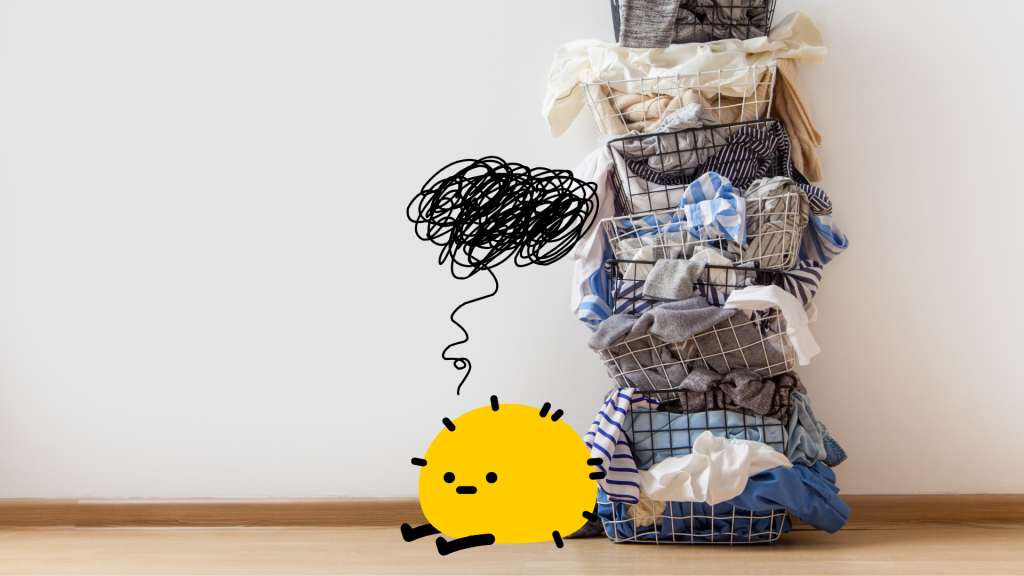
Living amidst chaos can significantly influence how we feel and think. Studies show that clutter not only distracts us but also increases stress and anxiety levels. Essentially, your environment mirrors your mental state, creating a feedback loop where a disordered space breeds disordered thoughts.
The Ripple Effects of Disorganization
When your space is cluttered, the implications extend far beyond mere aesthetics. The environment in which we dwell shapes our emotional and cognitive experiences, leading to several key issues:
- Decreased productivity: Difficulty focusing can hinder achieving personal and professional goals. A 2011 study by the Princeton University Neuroscience Institute found that cluttered environments make it harder for individuals to focus and process information, ultimately reducing productivity.
- Overwhelm: Excess items can lead to feelings of helplessness. This often manifests as decision fatigue, where even the simplest choices feel monumental, perpetuating a cycle of procrastination.
- Negative mood: Clutter can foster feelings of frustration and irritability. Researchers at UCLA found that cluttered homes are associated with higher levels of cortisol, the stress hormone, which can negatively affect overall mood and well-being.
Understanding the importance of personal organization is crucial for maintaining mental clarity and emotional well-being. Organized spaces create a sense of control and predictability in life. This organization doesn’t just foster a calm environment; it can also lead to improved happiness and fulfillment. For instance, many individuals report feeling more in control and less anxious after a decluttering session, demonstrating the profound psychological effects of a neat space.
Why Tackling Clutter Matters
Addressing clutter is more than just a chore; it can serve as a pathway to a healthier mind. The benefits of maintaining an orderly environment are manifold:
- Enhanced focus: A tidy environment significantly reduces distractions. With fewer items competing for attention, individuals can direct their cognitive resources toward completing tasks.
- Increased creativity: Having space can free up mental capacity for innovation and problem-solving. Many artists and writers assert that a clean workspace enhances their creative flow, allowing ideas to blossom.
- Rejuvenated energy: An organized area can inspire motivation and vigor. Just like a spring cleaning can breathe new life into a home, sorting through belongings can rejuvenate one’s sense of purpose and drive.
As we delve deeper into the psychological impacts of neglecting personal spaces, it becomes evident that creating order is not merely cosmetic—it’s essential for a fulfilling and balanced life. A clean and organized environment has profound implications, not just on our immediate surroundings but on our mental health and overall quality of life. This journey toward organization encourages a life where one can thrive rather than merely exist amidst clutter.
DISCOVER MORE: Click here to uncover the secrets of conscious consumption
The Psychological Impact of Clutter
Living amidst chaos can significantly influence how we feel and think. Studies show that clutter not only distracts us but also increases stress and anxiety levels. Essentially, your environment mirrors your mental state, creating a feedback loop where a disordered space breeds disordered thoughts.
The Ripple Effects of Disorganization
When your space is cluttered, the implications extend far beyond mere aesthetics. The environment in which we dwell shapes our emotional and cognitive experiences, leading to several key issues:
- Decreased productivity: Difficulty focusing can hinder achieving personal and professional goals. A 2011 study by the Princeton University Neuroscience Institute found that cluttered environments make it harder for individuals to focus and process information, ultimately reducing productivity.
- Overwhelm: Excess items can lead to feelings of helplessness. This often manifests as decision fatigue, where even the simplest choices feel monumental, perpetuating a cycle of procrastination.
- Negative mood: Clutter can foster feelings of frustration and irritability. Researchers at UCLA found that cluttered homes are associated with higher levels of cortisol, the stress hormone, which can negatively affect overall mood and well-being.
Understanding the importance of personal organization is crucial for maintaining mental clarity and emotional well-being. Organized spaces create a sense of control and predictability in life. This organization doesn’t just foster a calm environment; it can also lead to improved happiness and fulfillment. For instance, many individuals report feeling more in control and less anxious after a decluttering session, demonstrating the profound psychological effects of a neat space.
Why Tackling Clutter Matters
Addressing clutter is more than just a chore; it can serve as a pathway to a healthier mind. The benefits of maintaining an orderly environment are manifold:
- Enhanced focus: A tidy environment significantly reduces distractions. With fewer items competing for attention, individuals can direct their cognitive resources toward completing tasks.
- Increased creativity: Having space can free up mental capacity for innovation and problem-solving. Many artists and writers assert that a clean workspace enhances their creative flow, allowing ideas to blossom.
- Rejuvenated energy: An organized area can inspire motivation and vigor. Just like a spring cleaning can breathe new life into a home, sorting through belongings can rejuvenate one’s sense of purpose and drive.
As we delve deeper into the psychological impacts of neglecting personal spaces, it becomes evident that creating order is not merely cosmetic—it’s essential for a fulfilling and balanced life. A clean and organized environment has profound implications, not just on our immediate surroundings but on our mental health and overall quality of life. This journey toward organization encourages a life where one can thrive rather than merely exist amidst clutter.
| Category | Characteristics & Benefits |
|---|---|
| Psychological Effects of Clutter | Increased anxiety, reduced productivity, and a sense of overwhelm often accompany clutter. |
| Benefits of Personal Organization | Enhanced focus, improved time management, and a calmer environment that fosters creativity. |
| Organizational Strategies | Decluttering routines, prioritizing tasks, and using tools like planners can significantly improve mental clarity. |
| Long-term Impact | Developing organization skills leads to ongoing emotional stability and a more fulfilling lifestyle. |
The Psychological Impact of Clutter extends far beyond mere physical disarray. Research indicates that clutter can lead to heightened stress levels, negatively influencing overall well-being. Studies suggest that individuals living in cluttered environments report feelings of anxiety and distraction, ultimately leading to decreased productivity. On the flip side, embracing personal organization techniques can catalyze profound changes. The process of organizing not only provides immediate visual relief but also promises long-term benefits in mental clarity and emotional health. For instance, orderly spaces can enhance focus and foster creativity, enabling individuals to reach their full potential. Implementing organizational strategies like decluttering routines and task prioritization can significantly enrich personal efficiency. Engaging in these practices regularly cultivates a sense of control, leading to ongoing emotional stability and a greater sense of fulfillment. Continued exploration of such methods may yield transformative benefits.
DISCOVER MORE: Click here to learn how minimalism can transform your life
The Transformative Power of Personal Organization
Understanding the correlation between clutter and psychological well-being sheds light on the paramount importance of personal organization. Beyond merely tidying up one’s space, organization can drastically reshape an individual’s mental landscape, paving the way for improved mental health and productivity. By implementing organizational strategies, people can reclaim their environment—and consequently, their peace of mind.
Practical Strategies for Achieving Organization
Developing effective organizational habits can be transformative. Here are some practical strategies that individuals in the United States—and beyond—can adopt to regain control over their personal spaces:
- Set clear goals: Start with specific, attainable goals for both decluttering and organization. For example, aim to clear out one room or closet each weekend. Setting clear benchmarks helps mitigate overwhelm and creates a sense of accomplishment.
- Establish a routine: Consistency is key. Designate specific days or times each week dedicated to organizing tasks, even if they’re short. Forging a routine not only simplifies the process but also enforces accountability.
- Purge regularly: Every few months, assess items in your living space. Remember the “one-year rule”—if you haven’t used an item in over a year, it may be time to part ways. This practice helps keep clutter at bay and ensures that only meaningful items occupy your space.
Research from the American Psychological Association suggests that tactile engagement—like sorting through paper documents or reorganizing a bookshelf—can also lead to deeper cognitive and emotional clarity, aligning your physical environment with your mental state.
The Role of Minimalism
Another growing trend that intertwines with personal organization is the minimalist lifestyle. Minimalism is not merely about reducing possessions; it’s a commitment to focusing on what truly matters. A study published in the Journal of Environmental Psychology found that individuals embracing minimalism reported lower levels of stress and anxiety, emphasizing a direct correlation between reduced belongings and enhanced mental clarity.
Incorporating minimalist principles can also foster a sense of freedom and creativity. For those overwhelmed by choice, limiting the number of items can actually simplify decision-making processes, allowing individuals to dedicate mental resources to more meaningful pursuits. This is particularly relevant in a consumer-driven society, where constant access to goods can ignite feelings of inadequacy or comparison.
The Long-Term Benefits of an Organized Life
The benefits of achieving a clutter-free environment extend well beyond immediate relief. By actively engaging in personal organization, individuals can expect:
- Boosted self-esteem: Accomplishing organizing goals reinforces a sense of personal efficacy. Successfully decluttering can lead to increased self-confidence and a more positive self-image.
- Better relationships: A clean environment can ease interpersonal relationships. Whether it’s inviting friends over without embarrassment or reducing stress with roommates or family members, an organized space invites harmony.
- Long-term mental health sustainability: Studies indicate that consistently maintaining an organized space promotes long-term resilience against stress and anxiety. A study by the National Institute of Mental Health highlights a strong connection between organized environments and sustained mental wellness.
As individuals prioritize the practice of personal organization, the psychological benefits manifest in their relationships, work efficiency, and overall quality of life. Embracing this shift can cultivate a more intentional, grounded existence, where physical spaces reflect emotional tranquility.
DISCOVER MORE: Click here to deepen your understanding
Conclusion: Embracing Order for a Healthier Mind
As explored throughout this article, the psychological impact of clutter can be profound, affecting emotional well-being, stress levels, and overall life satisfaction. Personal organization is not merely a trend, but a vital practice that empowers individuals to regain control over their spaces—ultimately enhancing their mental health. The connection between a tidy environment and a peaceful mind is supported by numerous studies, revealing that those who engage in organizing their lives report improved clarity, focus, and emotional stability.
Implementing effective strategies—such as setting attainable goals, establishing routines, and regularly evaluating possessions—can foster an organized lifestyle that contributes to ongoing psychological benefits. Furthermore, embracing minimalism serves as a powerful tool that encourages individuals to prioritize meaningful experiences over material possessions, a practice correlated with lower anxiety levels and greater contentment.
As we navigate a world often inundated with constant distractions and consumerism, the shift towards personal organization can cultivate an intentional living environment that reflects inner peace and harmony. The long-term benefits extend beyond individual experience; they ripple outward, positively impacting relationships and communities. For those looking to cultivate a more fulfilling life, making organization a priority is essential—a journey that aligns the mind with a space of tranquility, allowing for the full pursuit of life’s potential.
In a society that frequently equates success with busyness and material accumulation, let us not forget the transformative power of decluttering and personal organization. By committing to these practices, individuals can foster environments that support their mental wellness, thus unlocking the promise of a richer, more intentional life.