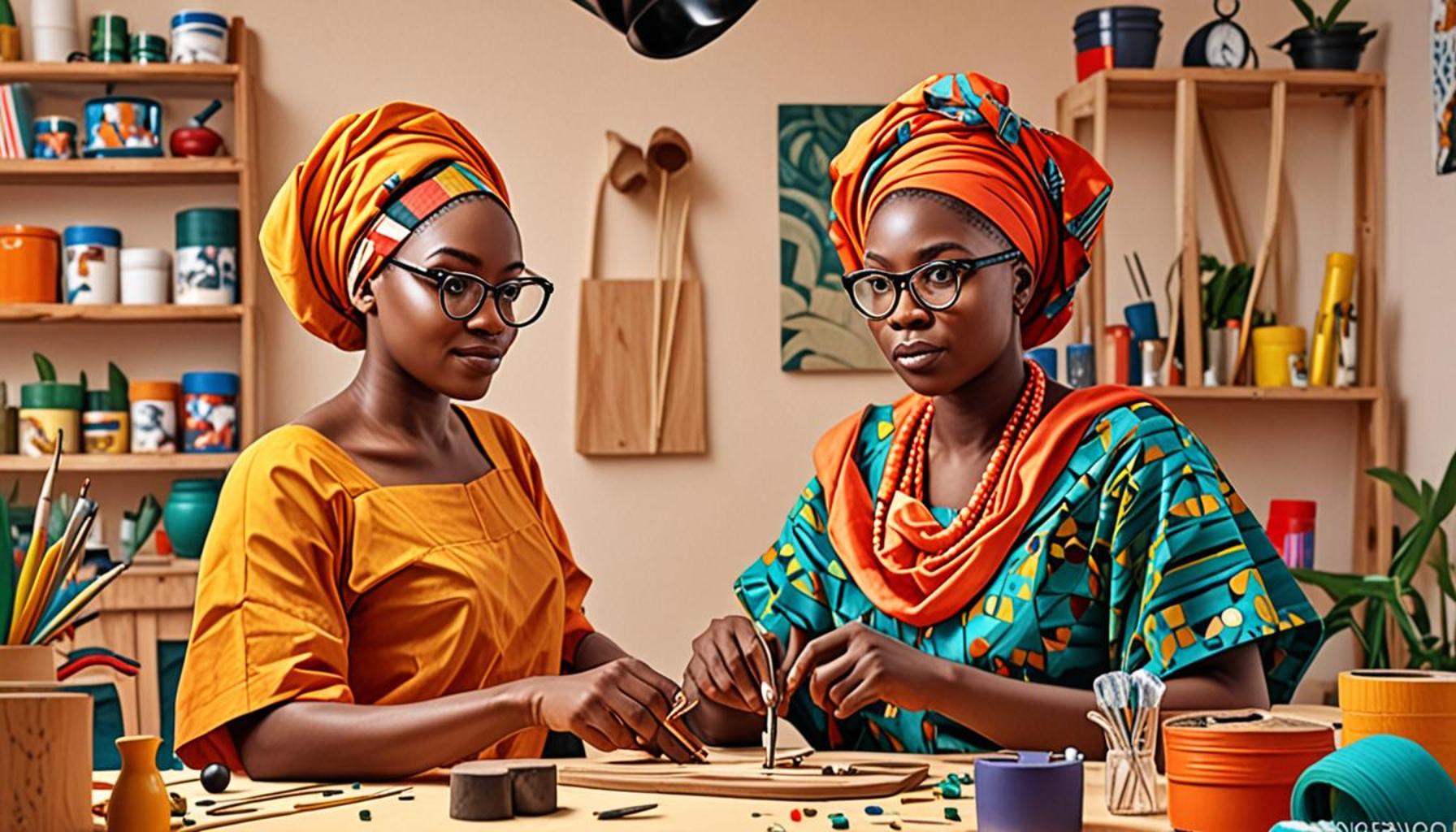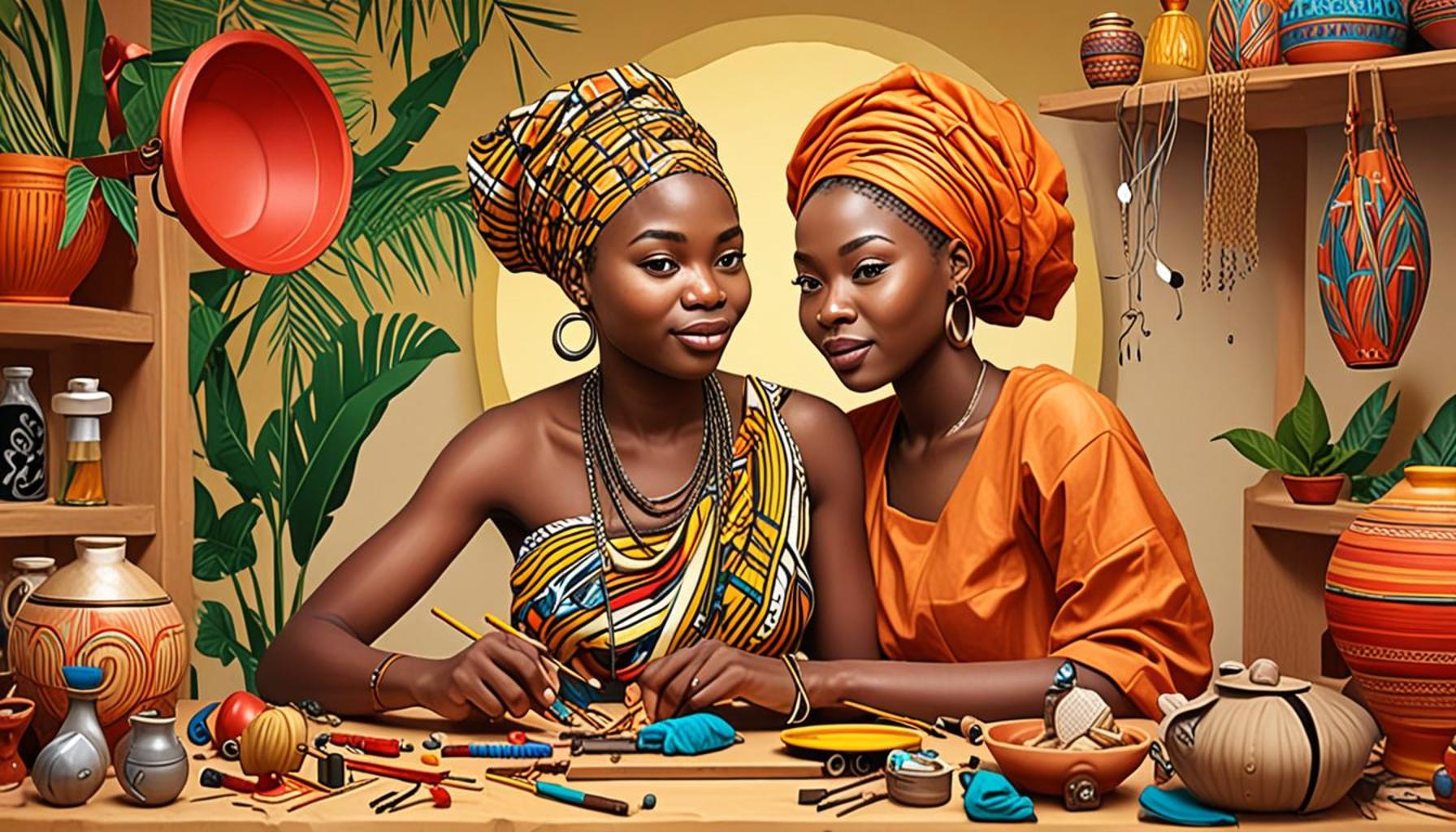
The Integration of Craft Skills in Rural Communities: Challenges and Opportunities
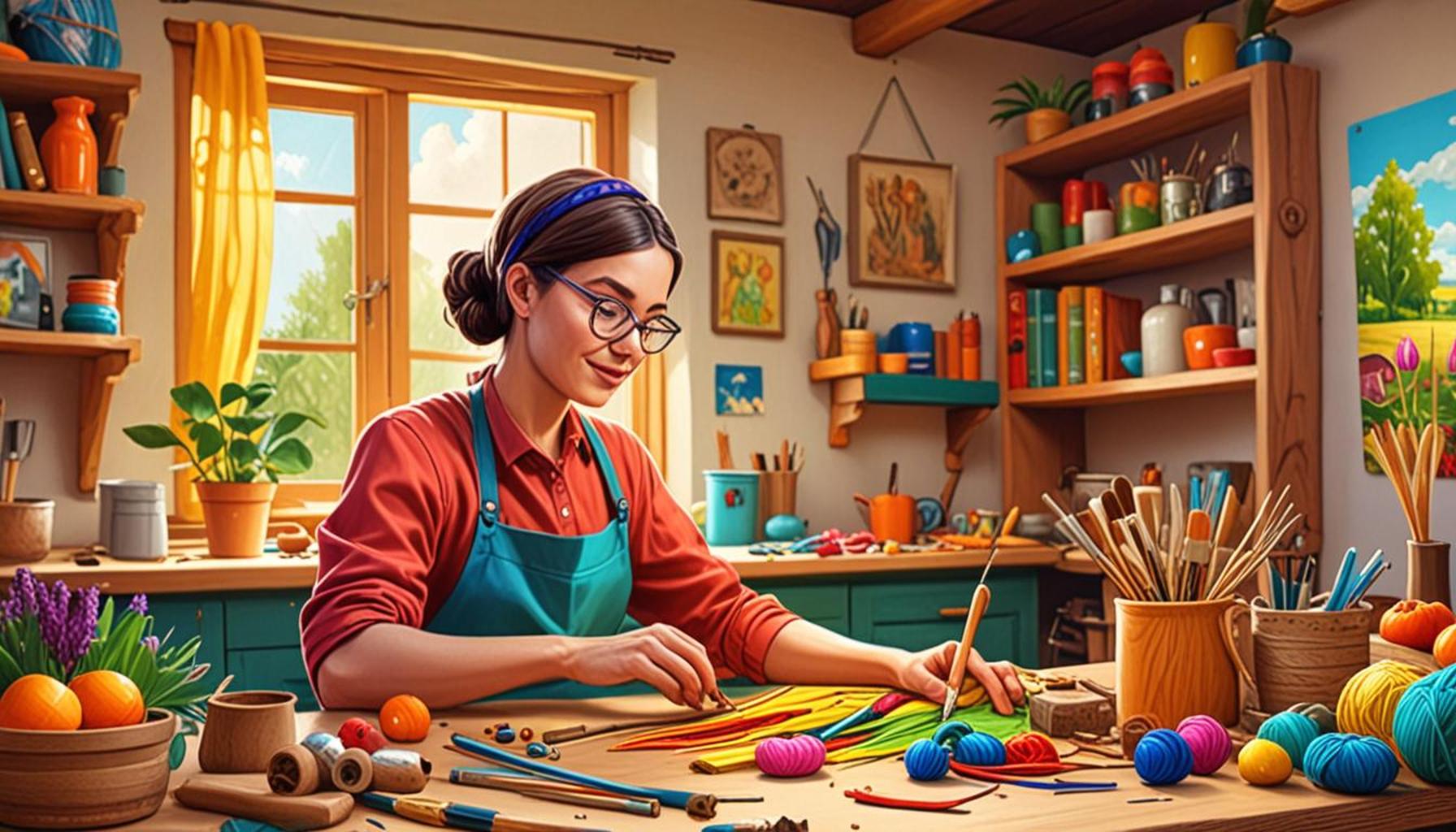
The Potential of Craft Skills in Rural Communities
In many rural communities across Nigeria, artisans wield an intrinsic ability to craft beautiful, functional pieces that reflect their cultural backgrounds and traditions. However, this art form is not merely an aesthetic endeavor; it serves as a crucial lifeline. As the tide of globalization presses on, traditional craft skills encounter a dual-edged sword—facing considerable challenges while simultaneously unlocking intriguing opportunities.
The Significance of Craft Skills
Craft skills are diverse and can range from producing handmade textiles to creating intricate pottery. The following practices highlight the breadth of craftsmanship:
- Weaving and textiles: Artisans in regions like the North produce vibrant Aso Oke fabrics, which are not only used in traditional ceremonies but also hold deep cultural significance.
- Pottery and ceramics: The legacy of pottery in places like Esan and the vibrant terracotta works in Ogun State showcase the richness of Nigeria’s artisanal output.
- Woodwork and carpentry: From crafting traditional furniture to intricate masks, woodwork encapsulates the skill and dedication of rural artisans.
- Metalwork and blacksmithing: Blacksmiths in locations like Akure create everything from tools to beautiful sculptures, often incorporating ancient techniques.
These craft skills not only provide income but also foster community identity and solidarity, creating a sense of belonging among artisans and their families.
Challenges Faced
Despite the cultural wealth that these skills represent, artisans face significant hurdles:
- Limited access to modern markets: Many talented artisans struggle to reach broader markets due to inadequate transport infrastructure and a lack of digital presence.
- Lack of technical training and resources: The absence of formal education and training programs hampers the artisans’ ability to innovate or enhance their skills.
- Competition from mass-produced goods: Affordable, factory-made products often overshadow artisanal creations, making it difficult for local crafts to compete on price.
In regions such as Nigeria, where cultural heritage is rich and diverse, these challenges can significantly cripple the growth potential of craft industries, leaving many artisans in precarious economic positions.
Opportunities on the Horizon
Amidst these challenges, there lies a pathway paved with potential. With the right support systems in place, craft skills can:
- Enhance community engagement: Craft fairs and exhibitions can unite communities, celebrating their shared history while promoting artisan goods.
- Attract tourism and local investment: Eco-tourism initiatives focused on local crafts can draw visitors who are eager to invest in authentic cultural experiences.
- Encourage sustainable practices: Emphasizing the use of locally sourced materials and traditional methods can shorten supply chains and create a more sustainable model for artisan industries.
By addressing these challenges, rural communities not only have the potential to safeguard their craft skills but also to nurture them into thriving livelihoods, allowing them to flourish in a swiftly evolving economy. Such efforts could ensure that the voice of traditional craftsmanship not only survives but reverberates through generations to come.
YOU MAY ALSO LIKE: Read read another article
Bridging the Gap: Understanding the Role of Craft Skills
As globalization reshapes economies and lifestyles, the importance of craft skills in rural communities emerges as a pivotal focal point. These skills, deeply rooted in cultural traditions and practices, are essential not only for economic sustenance but also for the preservation of cultural identity. A Multifaceted examination of craft skills reveals that they serve as a vehicle for personal expression, community cohesion, and economic viability.
The Link Between Craft Skills and Economic Development
In Nigeria, the craft industry has the potential to play a significant role in local economies if harnessed effectively. Artisans frequently represent the backbone of rural economies, engaging in handicrafts, pottery, weaving, and other unique traditions. However, for these skills to translate into substantial economic benefits, several factors must come into play:
- Market accessibility: Rural artisans often find themselves cut off from larger markets, limiting their ability to sell products at competitive prices.
- Innovation and adaptation: Standing out in a crowded market requires not only skill but the ability to innovate and adapt traditional techniques to modern preferences.
- Collaboration and networking: Building networks between artisans allows for knowledge exchange and shared resources, fostering a greater collective voice in the marketplace.
Artisanal ventures contribute significantly to community income while strengthening cultural narratives. With rural artisans increasingly recognized for their distinct craftsmanship, they hold the potential to attract a niche consumer base in both local and international markets.
Empowering Artisans Through Education and Training
Education and access to training programs are crucial to empowering these artisans. The lack of formal training often leads to stagnation in skills, preventing artisans from innovating or improving their craft. By introducing educational initiatives focusing on:
- Skill enhancement: Workshops and mentorship programs can provide artisans with advanced techniques and exposure to new materials.
- Business acumen: Training in marketing, sales strategies, and financial management can equip artisans to manage their businesses more effectively.
- Digital literacy: Familiarizing artisans with e-commerce platforms can facilitate the expansion of their market reach beyond local confines.
The introduction of training programs tailored specifically to the challenges faced by rural artisans could bridge the gap between traditional craft skills and modern market demands, allowing them to thrive in a competitive environment.
Addressing Cultural Preservation and Sustainability
As globalization introduces new consumer habits, the preservation of cultural heritage remains a pressing concern. This is where craft skills play a crucial role in embedding tradition into everyday life. Initiatives aimed at promoting sustainability—such as the use of indigenous materials and eco-friendly practices—enable artisans to maintain cultural authenticity while appealing to an increasing demographic of environmentally-conscious consumers. Furthermore, by fostering a renewed appreciation for local craftsmanship, rural communities can aim to revitalize their cultural heritage, ensuring that traditional techniques and stories are passed down through generations, ultimately contributing to cultural continuity.
In summary, while the challenges faced by artisans in rural areas are significant, the potential for crafting a sustainable and thriving economic model through the integration of craft skills is not only possible but essential for the community’s future.
| Advantage | Description |
|---|---|
| Economic Empowerment | Craft skills foster entrepreneurship, enabling rural individuals to generate income through local crafts. |
| Community Cohesion | Engaging in crafts promotes teamwork and strengthens relationships within communities, leading to collaborative efforts. |
The integration of craft skills in rural communities brings forth significant economic empowerment. Individuals can harness their traditional craft abilities not only for personal gain but also as a means to sustain their local economies. Craft entrepreneurship circulates money within the community, providing a foundation for economic growth. Moreover, the production of these crafts can attract tourism, offering broader market access.Additionally, craft skills enhance community cohesion. When individuals engage in crafting together, they foster bonds that lead to collective problem-solving and shared resources. This collaborative spirit is essential in overcoming challenges and seizing opportunities within rural settings. By integrating craft skills into the community framework, we witness not just individual advancements but a unified movement towards holistic development, ensuring a sustainable future for rural populations eager to preserve and celebrate their heritage.
ADDITIONAL INSIGHTS: Expand your understanding here
Navigating the Landscape: Market Integration and Consumer Awareness
The integration of craft skills into rural economies is not solely about enhancing production; it also requires a strategic approach to market accessibility. For artisans to thrive, they must navigate a marketplace that increasingly favors mass production over traditional craftsmanship. Rural artisans face notable challenges as they compete with cheaper, machine-made alternatives flooding both local and international markets. As such, understanding consumer preferences and building brand identities centered around authentic craftsmanship become central tenets in achieving market integration.
The Rise of Ethical Consumerism
A growing trend across the globe is the rise of ethical consumerism, where buyers consciously seek products that embody sustainability, ethical production practices, and cultural significance. This shift constitutes a substantial opportunity for rural artisans in Nigeria by creating a niche for unique and story-rich handcrafted items. However, artisans must effectively communicate the values and narratives that their craft embodies to appeal to these conscious consumers.
- Storytelling: Crafting compelling narratives around products can create emotional connections with consumers, enhancing perceived value.
- Transparency: Artisans who include information about their materials sourcing and production processes can foster trust and inspire purchase decisions among ethical consumers.
- Collaborations with brands: Partnerships with eco-conscious and socially responsible brands can furnish artisans with greater visibility and access to wider markets.
While the desire for authentic, ethically-produced goods is on the rise, rural artisans must actively engage in this narrative-building exercise to ensure that their crafts do not become mere commodities but stand as representations of cultural heritage.
The Role of Social Media and Digital Marketing
In an increasingly digital world, the role of social media cannot be overstated. Artisans equipped with the knowledge and tools to leverage platforms such as Instagram, Facebook, and TikTok can showcase their crafts far beyond local markets. This digital presence creates a visual dialogue of their skills and attract potential customers from various demographics, including diaspora communities eager to reconnect with their roots.
The impact of social media marketing includes:
- Direct customer engagement: Artisans can interact directly with consumers, garner feedback, and understand market demands.
- Cost-effective marketing: Social media offers a platform for artisans to market their products without the heavy financial investment associated with traditional advertising.
- Craft community building: Online communities can foster collaboration among artisans, leading to greater resource sharing and innovation.
Regulatory Support and Policies for Craft Skills
In addition to the grassroots efforts of artisans and communities, governmental and institutional support plays a critical role in addressing existing challenges. Policies that create an enabling environment for artisans are paramount for the growth and integration of craft skills into local economies. These policies can include:
- Grants and funding: Financial support for artisans can help them invest in better tools, materials, and training programs.
- Market access initiatives: Developing platforms for artisans to showcase their products, both nationally and internationally, is essential for their economic viability.
- Protection of intellectual property: Assuring that traditional designs and techniques are legally protected can empower artisans and deter exploitation.
As rural artisans continue to navigate the complexities of integrating their craft skills into broader economic frameworks, the support of governmental and non-governmental organizations remains crucial. By enhancing awareness of their offerings and advocating for favorable policies, artisans can not only survive but thrive in a dynamic marketplace.
LEARN MORE: This related article may interest you
Conclusion: Embracing Craft Skills for Rural Resilience
The integration of craft skills within rural communities presents a complex tapestry of both challenges and opportunities. As the demand for unique, ethically-produced goods rises, rural artisans stand at a pivotal crossroads. By effectively harnessing the power of storytelling, transparency, and innovative collaborations, they can elevate their craft from mere products to treasured cultural artifacts that resonate deeply with consumers. The emergence of digital platforms offers an unprecedented opportunity for artisans to showcase their work globally, thereby expanding their market reach beyond local borders.
Moreover, the role of governmental support in providing essential resources cannot be overstated. Initiatives such as grants, market access programs, and legal protections for intellectual property are critical in creating an ecosystem where artisan skills can flourish. This dual approach—leveraging individual creativity while calling for structural support—holds the potential to rejuvenate rural economies and preserve rich cultural heritages.
In conclusion, the integration of craft skills in rural communities is not just about sustaining traditions; it is about empowering individuals, fostering economic resilience, and shaping narratives that capture the essence of local cultures. By addressing the challenges with an eye toward collaborative solutions and embracing the shifting landscape of consumer preferences, Nigeria’s artisans can forge a future where craftsmanship thrives alongside modern innovation.