
The Influence of Pollution and Environment on Skin Health: Strategies for Preventing Aging

The Connection Between Pollution and Skin Aging
Exposure to pollution and environmental toxins has increasingly become a significant concern for skincare enthusiasts and health experts alike. In many urban environments across the United States, escalating levels of air pollution are impacting not only overall health but also the aesthetic appearance of the skin. These pollutants can lead to a range of issues including a premature aging effect, a noticeable dullness, and an exacerbation of various skin conditions such as eczema and acne.
Understanding the specific factors that contribute to skin aging in polluted environments is vital for maintaining skin vitality. For instance, airborne pollutants—including particulate matter and heavy metals—can penetrate the epidermis and provoke inflammation. This chronic inflammation can accelerate the breakdown of collagen and elastin, which are essential for maintaining skin elasticity and firmness. Furthermore, UV radiation effectively compounds the damage inflicted by these environmental stressors, leading to a faster appearance of fine lines and wrinkles.
Additionally, humidity levels play a role in skin hydration. In regions where pollution is rampant, fluctuations in humidity can lead to increased skin dryness and irritation, creating a vicious cycle that exacerbates the early signs of aging. When the skin’s barrier function is compromised, moisture escapes, leaving skin looking parched and lifeless.
Given these risks, a proactive approach to skincare is essential for individuals exposed to polluted environments. Implementing a routine that specifically addresses the effects of pollution can rejuvenate skin health and restore its vitality. For example, daily cleansing is imperative; using a gentle yet effective cleanser can remove the accumulation of impurities that settle on the skin, allowing it to breathe and recover.
Moreover, incorporating antioxidant-rich products—such as serums infused with vitamins C and E—can help combat the oxidative stress that pollution triggers within skin cells. These antioxidants work to neutralize free radicals, which can otherwise lead to cellular damage and contribute to signs of aging.
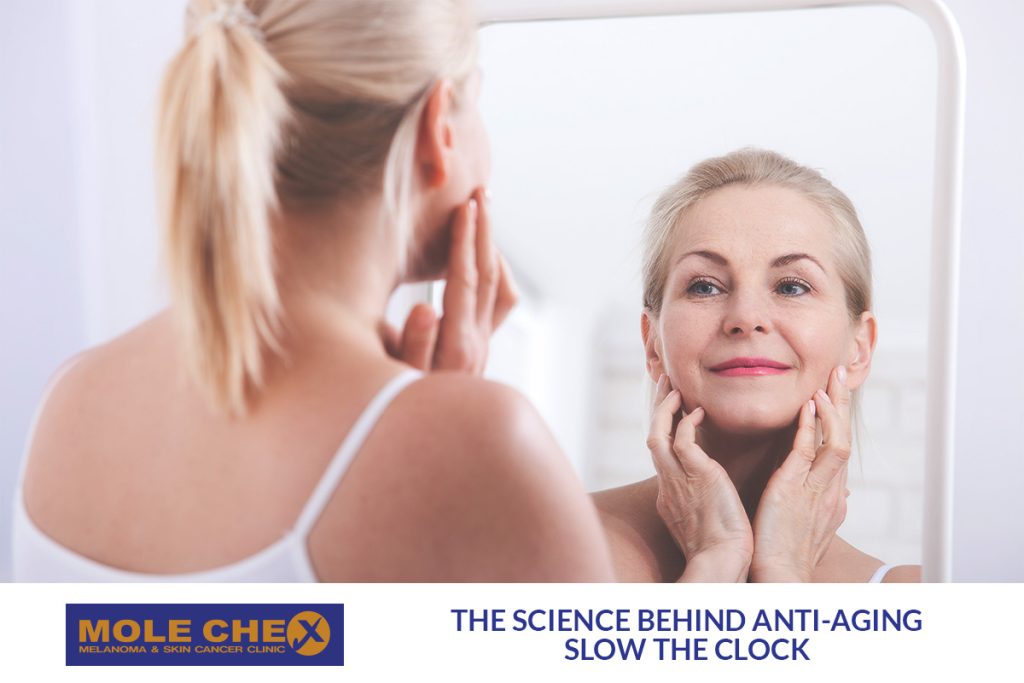
In addition to cleansing and incorporating antioxidants, consistent hydration is crucial. Using moisturizers formulated with hyaluronic acid or glycerin can help lock in moisture, maintaining skin’s suppleness amid harsh environmental factors.
By integrating such practices into a daily routine, individuals not only protect their skin from the adverse impacts of pollution but also create a foundation for healthier, more resilient skin. With informed knowledge and dedicated care, the signs of aging can be gracefully mitigated, empowering individuals to embrace their natural beauty in the face of urban environmental challenges.
DISCOVER MORE: Click here for natural makeup tips
Understanding the Effects of Pollution on Skin Health
The intricate relationship between pollution and skin health cannot be overstated. As cities in the United States grapple with rising levels of air pollution, the repercussions extend beyond respiratory ailments and environmental concerns. Research indicates that exposure to pollutants such as soot, nitrogen dioxide, and particulate matter significantly impacts the skin’s quality, leading to accelerated aging and various dermatological issues.
One of the most alarming effects of pollutants is their ability to disrupt the skin’s natural barrier function. This barrier is critical for protecting against harmful agents while maintaining essential moisture. When compromised, the skin becomes vulnerable to irritants, resulting in inflammatory responses that can manifest as conditions like eczema, rosacea, and accelerated aging signs. A reminder of these issues can be seen in the populations residing in major urban centers, where environmental studies show a correlation between high pollution levels and increased rates of skin-related complaints.
The role of UV exposure further complicates the landscape of skin health. The sun’s rays have a notorious capacity to amplify the destructive effects of pollution. When combined, UV radiation and pollutants can cause oxidative stress, a process that accelerates the formation of wrinkles, age spots, and a loss of skin elasticity. This synergy underscores why individuals living in polluted urban areas must adopt precautions now more than ever.
Strategies for Protecting Your Skin
Faced with these challenges, it becomes imperative to prioritize skin protection through strategic interventions. Consider the following strategies to help fortify your skin against the adverse impacts of pollution:
- Regular Cleansing: Start and end your day with a thorough cleansing routine. This helps eliminate dirt, pollutants, and excess oils that accumulate on the skin. Look for gentle cleansers that are effective yet non-stripping.
- Daily Antioxidants: Incorporate serums that contain antioxidants such as vitamin C and green tea extract. These ingredients play a vital role in neutralizing free radicals produced by pollution, providing essential support for skin health.
- Moisturizing: Choose a good quality moisturizer with hydrating ingredients like hyaluronic acid, which helps maintain skin hydration and combats dryness. Supplementing your skincare routine with a heavier cream at night can further aid in moisture retention.
- Physical Sunscreen: Always apply a broad-spectrum sunscreen with an SPF of 30 or higher before heading outdoors. Look for formulations that specifically offer protection against environmental stressors combined with UV defense.
- Dietary Considerations: Maintain a diet rich in antioxidants by consuming a variety of colorful fruits and vegetables. Omega-3 fatty acids, often found in fish, can also help reduce inflammation from polluted environments.
Incorporating these strategies into your daily routine can greatly contribute to skin health and longevity, paving the way for a more resilient complexion. In doing so, individuals not only shield their skin from pollution-related damage but also embrace the possibility of preserving their youthful appearance amidst challenging environmental conditions.
As the world becomes increasingly industrialized, the direct relationship between pollution and skin health has garnered attention from dermatologists and environmental scientists alike. Pollution—ranging from particulate matter in the air to toxic chemicals in consumer products—can accelerate the aging process of the skin. Exposure to these environmental factors can lead to oxidative stress, inflammation, and a weakened skin barrier, resulting in premature fine lines, wrinkles, and uneven skin tone. Incorporating protective strategies can significantly mitigate these adverse effects. Firstly, a robust skincare routine is crucial. Products enriched with antioxidants, such as vitamins C and E, can help counteract the damage caused by free radicals. Furthermore, moisturizers containing hyaluronic acid strengthen the skin’s hydration levels, which is often depleted due to harsh environmental factors.Another essential strategy is protecting the skin against ultraviolet (UV) radiation, which can exacerbate the effects of pollution. Daily use of broad-spectrum sunscreens is a non-negotiable step in preventing skin aging. Incorporating physical barriers such as sunglasses and hats can also shield the skin from both UV exposure and airborne pollutants.Diet plays a pivotal role as well. Consuming a diet rich in fruits, vegetables, and healthy fats helps promote skin vitality. Foods high in omega-3 fatty acids and polyphenols can bolster the skin’s defense against environmental stressors. Additionally, staying adequately hydrated supports overall skin health and resilience.Beyond topical treatments and dietary adjustments, environmental awareness is vital. Choosing to live in less polluted areas, when possible, and supporting policies aimed at reducing pollution can yield long-term benefits for skin health.As research continues to unveil the intricate connections between the environment and skin health, adopting multifaceted strategies for prevention remains of utmost importance for those caring about their skin’s longevity. Measures taken today can assist in maintaining youthful, vibrant skin despite the challenges posed by a polluted world.
DIVE DEEPER: Click here to discover the synergy of aromatherapy and skincare
Understanding Environmental Factors Beyond Pollution
While air pollution receives a significant amount of attention regarding its impact on skin health, other environmental factors must be considered when discussing strategies for preventing skin aging. Elements such as climate, humidity, and seasonal changes also play essential roles in determining skin’s resilience and appearance.
Extreme weather conditions—whether they involve severe cold, high heat, or fluctuating humidity levels—can drastically affect the skin’s condition. For instance, dry winter air can lead to moisture depletion, causing the skin to become flaky and exacerbating signs of aging. In contrast, excessive heat and humidity can over-stimulate oil production, potentially resulting in breakouts and dullness. Research suggests that individuals living in areas with extreme seasonal variations may experience heightened skin sensitivity and irritation, making it vital to tailor skincare routines to address these environmental changes.
Customizing Skincare Routines
To combat the effects of changing environmental conditions, it is essential to customize your skincare methods according to seasonal needs:
- Seasonal Layering: Adopt a multi-layer approach during colder months with the use of rich, emollient creams that serve as a barrier against dry air. In warmer months, consider lighter formulations while ensuring hydration remains a priority with lightweight serums.
- Humidifiers: In areas where winter air is extremely dry, the use of humidifiers at home can infuse additional moisture into the air, helping to alleviate dry skin conditions.
- Sensitive Skin Solutions: If exposure to temperature variations leads to sensitive or reactive skin, opt for calming treatments containing niacinamide or aloe vera to soothe irritation and redness.
Additionally, urban living can bring about unique environmental challenges. For example, urban heat islands—areas that are significantly warmer than their rural surroundings due to human activities—can impact skin health by encouraging sweat accumulation and potential clogged pores. This makes it crucial for city dwellers to remain vigilant about their skincare habits, ensuring that they are equipped to manage both pollution and the urban climate’s unique demands.
The Role of Stress and Lifestyle Choices
In tandem with environmental factors, stress plays a formidable role in skin aging. Chronic stress can lead to hormonal imbalances that precipitate inflammatory responses in the skin, culminating in manifesting concerns situated at the crossroads of pollution and mental health. Studies indicate that individuals experiencing high levels of stress often develop skin conditions such as psoriasis and acne, which can become exacerbated by polluted environments.
Mindfulness and self-care techniques like yoga, meditation, or exercise can act as powerful adjuncts to skincare regimens, promoting not just improved mental well-being but also healthier skin. Engaging in these practices can help control cortisol levels and reduce inflammation, further supporting the skin’s appearance and ability to combat aging.
By being aware of both the environmental influences and individual lifestyle factors that can impact skin health, individuals can adopt a comprehensive approach to skin care. Proactively adjusting routines and addressing stressors allows for a more resilient complexion in the face of pollution and other environmental challenges.
DISCOVER MORE: Click here for insights
Conclusion
In an era defined by rapid urbanization and industrialization, pollution and environmental factors have emerged as critical influencers of skin health and aging. The intricate relationship between elements such as air quality, climate variations, and personal stress levels shapes not only the appearance of our skin but also its overall resilience. Recognizing that our skin functions as the body’s protective barrier, understanding how to combat the effects of pollution and environmental stressors is essential for maintaining youthful vitality.
Implementing tailored skincare routines and being mindful of seasonal and climactic shifts can significantly mitigate the toll that our surroundings exert on skin integrity. Customized strategies, such as moisture-rich formulations during harsh winters and lightweight serums for humid summers, can enhance our defenses against the elements. Additionally, lifestyle choices that promote mental well-being, like practicing mindfulness and engaging in physical activities, can further provide skin health benefits by reducing inflammation and stress-related skin issues.
Ultimately, staying informed about the impacts of environmental factors on skin health empowers individuals to make proactive decisions that not only promote a radiant complexion but also support overall well-being. As we further explore the intersection of pollution, skincare, and aging, a comprehensive approach that emphasizes adaptation and resilience becomes paramount. With the right knowledge and strategies, we can navigate the complexities of our environment and preserve the youthful essence of our skin for years to come.