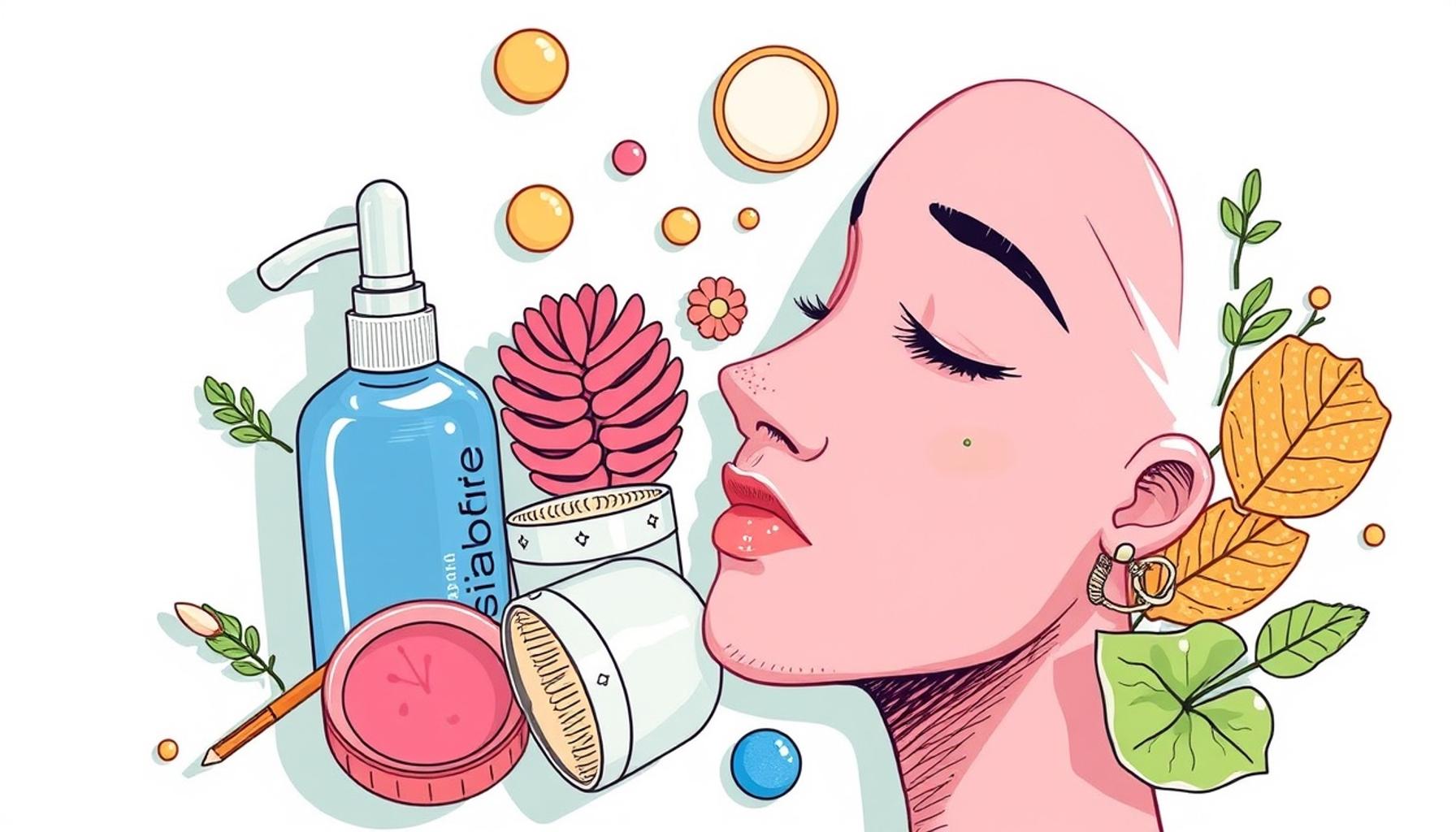
The Importance of a Skincare Routine in Acne Prevention

Understanding Acne and Its Prevention
Acne is an incredibly common skin condition that affects millions, especially among young adults and teenagers. It arises from several factors, including excess oil production, clogged pores, and hormonal changes. While it may sometimes seem like an unavoidable part of growing up, establishing a consistent skincare routine is crucial in acne prevention and overall skin health.
Why a Skincare Routine Matters
A well-designed skincare routine can be your first line of defense against breakouts. Consistency is key; daily practices can significantly reduce the risk of acne flare-ups. Here are some key aspects to consider:
- Cleansing: Regular cleansing removes dirt, oil, and impurities from the skin’s surface, preventing clogged pores. For optimal results, it’s advisable to cleanse your face twice daily—once in the morning to remove overnight sebum buildup and once at night to wash away dirt accumulated throughout the day.
- Exfoliation: Incorporating exfoliants can help eliminate dead skin cells that may contribute to acne. Chemical exfoliants, such as alpha hydroxy acids (AHAs) and beta hydroxy acids (BHAs), are particularly effective as they can penetrate deeper into the pores. Many dermatologists recommend exfoliating 1-3 times a week, depending on your skin type, to avoid irritation.
- Moisturizing: Keeping the skin hydrated is essential in balancing oil production and can help prevent over-drying that often leads to your skin producing even more oil. Look for an oil-free moisturizer specifically formulated for acne-prone skin to maintain hydration without exacerbating breakouts.
Moreover, a custom skincare routine allows for the integration of products targeting specific skin concerns. For instance, ingredients such as salicylic acid, known for its ability to penetrate pores and reduce oil, benzoyl peroxide, which kills acne-causing bacteria, and retinoids, which can promote cell turnover, can all play important roles in combatting acne. Using these ingredients thoughtfully can create a powerful defense against breakouts.
The Bigger Picture
While skincare routines can significantly reduce the frequency and severity of acne, it’s essential that they are tailored to individual skin types. For example, someone with oily skin may benefit from lightweight, oil-free products, whereas someone with dry skin may need richer formulations. Understanding your unique skin needs can lead to a more effective regimen. With statistics showing that about 85% of people will experience acne at some point in their lives, it becomes imperative to find the right prevention strategy.
In addition to a solid skincare routine, factors such as diet, stress levels, and environment can influence acne. Emerging research suggests that high-glycemic foods and dairy may exacerbate acne for some individuals. Therefore, considering a holistic approach by examining lifestyle choices can further enhance your skincare efforts and lead to clearer skin.

In conclusion, while acne is a common concern, it is conquerable. A combination of diligent skincare practices, personalized product selection, and attention to overall lifestyle can make a remarkable difference in the quest for clearer skin. Exploring these pathways not only empowers individuals to improve their skin health but also sheds light on the intricate relationship between our skincare choices and overall well-being.
DISCOVER MORE: Click here to explore cutting-edge acne solutions
The Role of Essential Skincare Components in Acne Prevention
Taking proactive steps in establishing a skincare routine is essential for managing and preventing acne. Each component of such a routine offers unique benefits that can contribute to healthier skin and minimize acne flare-ups. As individuals seek to understand the importance of a skincare routine in acne prevention, several critical elements deserve closer examination.
Cleansing: The Foundation of Skin Care
At the core of any effective skincare regimen is a cleansing routine. Cleansing serves to rid the skin of excess oils, dirt, and environmental pollutants that accumulate throughout the day. Acne-prone skin, in particular, can become a breeding ground for bacteria and clogged pores when not properly cleansed. According to the American Academy of Dermatology, using a gentle, non-comedogenic cleanser can drastically improve skin quality. A routine that emphasizes cleansing twice daily helps manage oil levels and keep pores clear.
The Power of Exfoliation
Many individuals overlook the importance of exfoliation, yet it can be a game-changer in acne prevention. Regular exfoliation removes dead skin cells that contribute to pore blockage, helping fresh, clear skin surface. Opting for chemical exfoliants, such as AHAs and BHAs, can enhance results by penetrating deeper into the skin compared to physical scrubs. Exfoliating just 1-3 times a week can yield significant reductions in breakouts while promoting skin rejuvenation.
Moisturizing: Balancing Act
Contrary to popular belief, even oily and acne-prone skin requires moisturizing to maintain its health. Proper hydration helps prevent the skin from becoming overly dry, which can paradoxically increase oil production and lead to more breakouts. Selecting a lightweight, oil-free moisturizer specifically designed for acne treatment not only hydrates but also provides essential nutrients that support overall skin health. Research suggests that individuals who maintain adequate moisture levels often experience fewer acne outbreaks.
The Importance of Targeted Treatments
Beyond the basic steps of cleansing, exfoliating, and moisturizing, integrating targeted treatments into a skincare routine can provide substantial benefits. Ingredients like salicylic acid, benzoyl peroxide, and retinoids have gained recognition for their effectiveness in tackling acne. Each ingredient offers unique properties: salicylic acid works to eliminate excess oil, benzoyl peroxide targets acne-causing bacteria, and retinoids promote cell turnover. Understanding your skincare needs and choosing the right products catered to your skin type can greatly enhance acne prevention efforts.
Understanding Skin Types for Customized Care
It is crucial to recognize that not all skin types respond in the same way to various products. Knowing your skin type—whether oily, dry, or combination—can guide you in selecting the most effective acne prevention products. For instance, those with oily skin may thrive on gels and lighter formulas, whereas individuals with dry skin may require more nourishing creams. Tailoring your skincare regimen to cater to your unique needs is essential for maximizing the effectiveness of your routine.
By focusing on the foundational aspects of a skincare routine, individuals can implement proactive measures in the battle against acne. Emphasizing cleansing, exfoliation, moisturizing, and targeted treatments while considering individual skin types can significantly contribute to achieving clearer, healthier skin.
| Advantage | Description |
|---|---|
| Prevention of Breakouts | A consistent skincare routine helps to remove excess oil and impurities that lead to clogged pores, significantly reducing the likelihood of acne breakouts. |
| Balanced Skin Hydration | Using proper moisturizers ensures that the skin retains optimal hydration, preventing overproduction of oil that often triggers acne. |
The routine also includes important steps like exfoliation, which removes dead skin cells, preventing them from accumulating and causing blockages in hair follicles. Incorporating products with active ingredients, such as salicylic acid or benzoyl peroxide, can further enhance the effectiveness of acne prevention strategies. Regularly using sunscreen is crucial too, as UV exposure can worsen scarring or hyperpigmentation from previous breakouts.Adopting a holistic approach, such as maintaining a balanced diet rich in nutrients that promote skin health, can also play a vital role. For instance, foods high in omega-3 fatty acids may help reduce inflammation, while antioxidants can protect skin cells from damage.
DISCOVER MORE: Click here to enhance your nighttime routine
Integrating Lifestyle Factors into Your Skincare Routine
While an effective skincare routine is crucial for acne prevention, it is equally important to consider how lifestyle factors play a pivotal role in skin health. Nutrition, stress management, and adequate sleep are components that can significantly impact the effectiveness of any skincare regimen. Connecting these lifestyle elements with skincare strategies not only enhances skin appearance but also fosters overall well-being.
The Impact of Nutrition on Skin Health
What you eat can influence your skin’s condition more than you might realize. Research has shown that diets high in refined sugars and dairy may correlate with increased acne prevalence. On the other hand, a diet rich in fruits, vegetables, whole grains, and healthy fats has been linked to healthier skin. Foods rich in antioxidants and omega-3 fatty acids, such as salmon, walnuts, and spinach, can support skin healing and reduce inflammation. Additionally, hydration plays an essential role; drinking adequate water helps maintain skin hydration and aids in flushing out toxins that could trigger breakouts.
Stress Management: A Hidden Trigger
Stress can be a sneaky contributor to acne flare-ups. When we are under pressure, our bodies release cortisol, a hormone that can stimulate oil production in the skin, leading to increased acne outbreaks. Integrating stress-reducing practices, such as mindfulness exercises, yoga, or regular physical activity, can help regulate stress levels and improve skin health. A holistic approach that combines skincare with stress management techniques enhances the probability of maintaining clearer skin.
The Importance of Quality Sleep
Sleep may seem like a trivial aspect of skincare but obtaining adequate rest is vital for overall skin regeneration. During sleep, the body repairs itself and promotes cell turnover, which is essential for maintaining healthy skin. Insufficient sleep can lead to increased stress and hormone imbalances, worsening acne conditions. Aim for 7-9 hours of quality sleep each night, and consider establishing a bedtime routine that encourages relaxation, such as aromatherapy or reading, to improve sleep quality.
Avoiding Skin Irritants
In addition to following a consistent skincare routine, being mindful of skin irritants is crucial in minimizing acne. Harsh soaps, overly aggressive scrubs, and even certain makeup products can inflame and irritate acne-prone skin. Opt for non-comedogenic and fragrance-free products that are specifically formulated for sensitive or acne-prone skin. Additionally, ensure to clean your makeup brushes regularly to prevent bacteria buildup, which can exacerbate breakouts.
Consistency is Key
Finally, commitment to a personalized skincare routine is essential for effective acne management. Results may not be immediate; consistency is paramount for achieving lasting changes in skin health. Understanding that skincare is a journey rather than a quick fix allows individuals to cultivate patience, recognize progress, and make necessary adjustments over time.
By integrating these lifestyle factors into your skincare routine, individuals can pave the way toward achieving clearer skin and bolstering acne prevention efforts. A comprehensive approach that transcends topical treatments and fosters holistic well-being is key to long-lasting results in managing acne.
DISCOVER MORE: Click here to unlock natural solutions
Conclusion: Embracing a Holistic Approach to Acne Prevention
In summary, the significance of a well-structured skincare routine in acne prevention cannot be overstated. It serves as the first line of defense against breakouts, enabling individuals to maintain skin clarity and minimize the occurrence of acne. However, fostering skin health transcends mere topical applications. The interplay between nutrition, stress management, and skincare practices creates a holistic foundation vital for effective acne control.
The incorporation of nutrient-rich foods, tailored stress-relief strategies, and adequate sleep forms a triad that significantly enhances skin well-being. A diet high in fruits, vegetables, and healthy fats not only nourishes the skin but also mitigates inflammation. A spirited focus on managing stress through mindfulness and relaxation techniques can help balance hormone levels and curb unwanted oil production, further supporting clearer skin. Additionally, quality sleep acts as a restorative phase for the body, inviting repair and rejuvenation that is essential for skin health.
As enthusiasts embark on their skincare journey, understanding that consistency is paramount is critical. While immediate results may not be guaranteed, embracing a persistent and patient approach yields valuable changes over time. This comprehensive, multifaceted perspective empowers individuals to take control of their skin health, leading to not only a clearer complexion but also improved overall well-being.
Ultimately, recognizing the interconnectedness of lifestyle factors with skincare routines unlocks a pathway to sustained acne prevention and fosters lasting confidence in one’s skin. So, take a moment to evaluate your skincare habits alongside your lifestyle choices; your skin will thank you.