
Spaces that Inspire: Creating Intentional Environments for a Fuller and More Organized Life
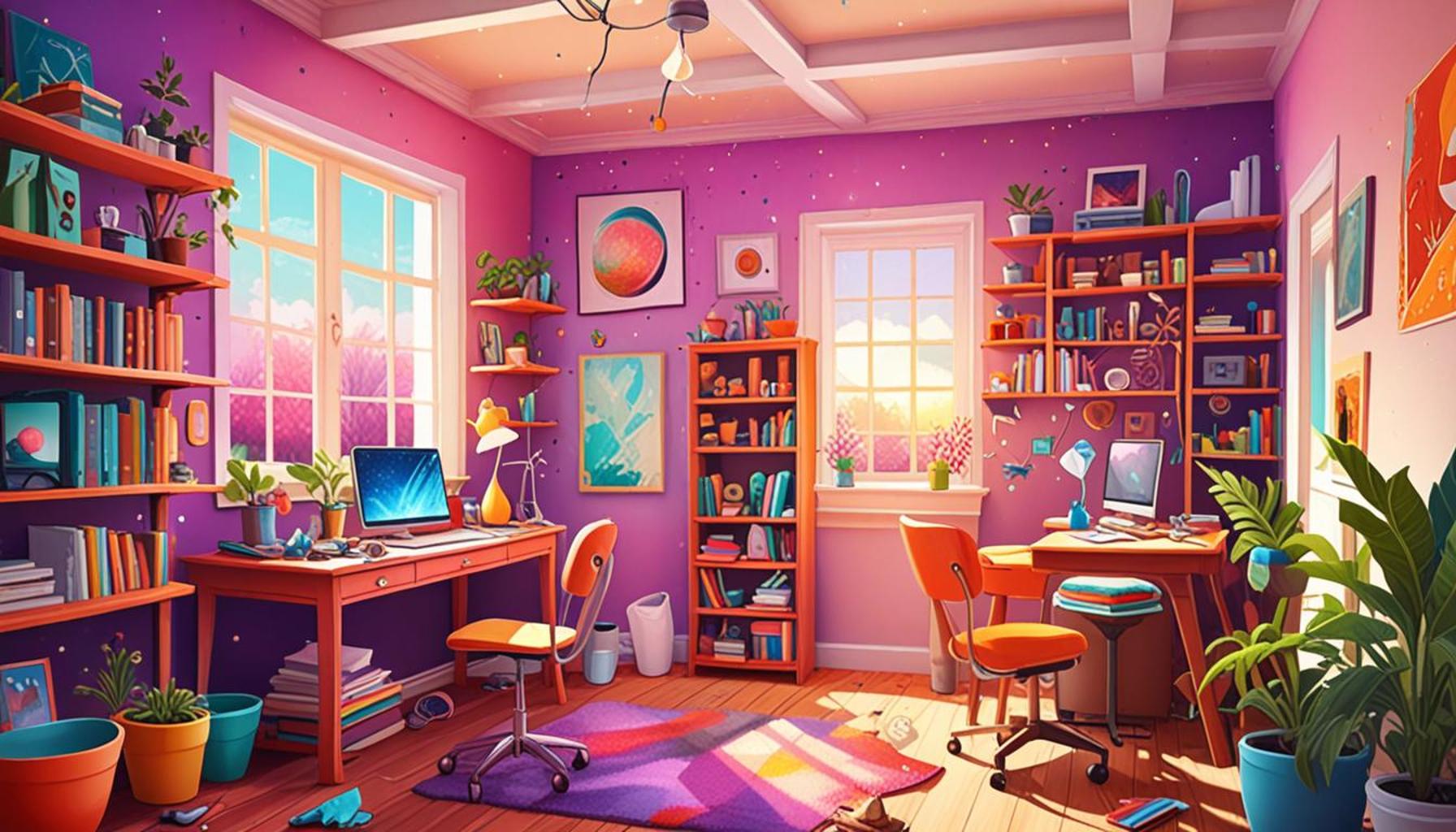
Unlocking the Power of Your Environment
Our surroundings wield significant influence over our daily experiences and overall happiness. The environments we inhabit—whether they are homes, offices, or recreational spaces—can either invigorate us or drain our energy. Understanding how to optimize these spaces is key to enhancing productivity, creativity, and well-being.
Creating intentional environments involves thoughtfully designing spaces that resonate with our personal values and aspirations. This process requires us to consider various components that contribute to a harmonious atmosphere. Here are several crucial aspects to contemplate:
- Color Psychology: The colors that surround us can profoundly impact our emotions and behaviors. Studies show that blues ensconce us in tranquility, making them ideal for bedrooms or meditation spaces. Conversely, vibrant shades of yellow can awaken creativity and stimulate mental activity, making them suitable for workspaces. For example, tech companies like Google often utilize bright colors in their office settings to inspire innovation and collaboration.
- Natural Elements: Bringing nature indoors is another powerful way to elevate mood and cognitive function. Research indicates that exposure to natural light boosts serotonin production, which can lead to increased happiness and improved focus. Adding indoor plants not only purifies the air but also fosters a connection with the outdoors. A simple snake plant or peace lily can make a significant difference in a predominantly urban setting, promoting a sense of calm.
- Decluttering: The impact of a tidy environment cannot be overstated. A well-organized space reduces anxiety and enhances concentration. Studies from the Princeton Neuroscience Institute suggest that clutter can impede our ability to focus and process information. Tools like minimalist storage solutions or a bi-annual decluttering ritual can help maintain an orderly space, leading to a clearer mind and smoother workflow.
By consciously reshaping our environments with these principles in mind, we can unlock our potential for creativity, bolster motivation, and maintain equilibrium in our lives. Such changes may initially appear minor, but they can cascade into substantial transformations that redefine how we interact with our surroundings.
Are you prepared to embark on a journey of transformation? The possibilities for creating inspirational spaces that reflect your essence are endless. Consider exploring different designs, engaging with local indoor gardening workshops, or delving into the science behind color choices. Your environment holds the key to a fuller, more organized life, waiting to be unlocked.
DISCOVER MORE: Click here to learn about minimalism in interior design
Designing for Purpose: Key Elements of Inspiring Spaces
To create spaces that inspire, we must delve into the fundamental elements that shape our environments. Each component plays a vital role in cultivating an atmosphere filled with intention and purpose. By focusing on aspects such as lighting, layout, and sensory experiences, we can enhance not only our productivity but also our emotional well-being. Here are essential elements to consider when designing your intentional environment:
- Lighting Solutions: Lighting can dramatically alter the mood and functionality of a space. Natural light is particularly valuable; its exposure has been shown to enhance mood and energy levels. When designing for your home or office, incorporate large windows or skylights to harness sunlight. For evening settings, opt for warm, ambient lighting to foster relaxation. Additionally, task lighting—like desk lamps or adjustable sconces—can help focus your attention on specific activities, ensuring a more productive workflow.
- Flexible Layouts: The arrangement of furniture and objects within a space can significantly affect how we interact with our environment. An open layout often promotes collaboration and communication, making it ideal for workspaces. Traditional offices have evolved to accommodate this shift, with companies like WeWork leading the charge in creating shared work environments that encourage teamwork. At home, consider decluttering and repositioning furniture to create smooth pathways and cozy nooks that invite engagement, relaxation, and creativity.
- Sensory Engagement: Our senses play a crucial role in establishing a connection with our environment. Thoughtfully chosen materials, textures, and scents can evoke powerful emotions and memories. For instance, adding soft textiles like cushions or area rugs can create a more inviting atmosphere. Similarly, incorporating essential oil diffusers or scented candles can fill a space with calming fragrances, transforming your surroundings into a sanctuary. Engaging the senses fosters a welcoming space that can significantly improve mood and focus.
- Personalization: Lastly, a truly inspirational environment reflects your unique identity and values. Incorporating personal items—such as photographs, artwork, or mementos—can create a sense of belonging and serve as motivational reminders of your journey. This personal touch not only enhances the aesthetics of your space but also creates emotional connections that are crucial for a positive atmosphere.
By paying attention to these essential elements—lighting, layout, sensory engagement, and personalization—we can craft environments that ignite inspiration and promote a balanced lifestyle. Each change, whether small or large, contributes to an overarching vision of a fuller and more organized life. Engaging with these principles will not only enhance the functionality of your space but also support your ambitions and values in profound ways. As we embark on this journey toward creating intentional environments, the true potential of our spaces begins to unfold.
| Category 1 | Category 2 |
|---|---|
| Natural Light Utilization | Enhances Mood and Productivity |
| Biophilic Design | Promotes Connection to Nature |
| Decluttering Techniques | Improves Focus and Organization |
| Multi-Functional Spaces | Maximizes Space and Utility |
Creating spaces that inspire requires not just aesthetics but a deep understanding of how our environments impact our daily lives. Natural light utilization can dramatically improve our mood and boost productivity, making it essential in both work and living spaces. Incorporating biophilic design elements, such as plants or natural materials, fosters a connection to nature that enhances well-being.Implementing decluttering techniques is crucial for reducing distractions and improving focus. This can lead to a more organized life, as a clean environment allows for mental clarity. Finally, embracing multi-functional spaces can help maximize available area while providing diverse utility, ensuring that our environments truly support our dynamic lifestyles. Each of these elements contributes to a fuller, more intentional existence, compelling readers to explore further into the art of space optimization.
DISCOVER MORE: Click here to learn about emotional detachment
The Power of Color and Nature: Elevating Inspirational Spaces
Beyond lighting, layout, sensory engagement, and personalization, two additional elements significantly impact how we perceive our environments: color and nature. Each of these components can shape our mood and thoughts in subtle yet transformative ways. By harnessing the influence of color theory and integrating natural elements, we can foster spaces that not only inspire but also rejuvenate our spirits.
- The Psychology of Color: Color can profoundly affect our emotions and behavior. According to color psychology, colors like blue can evoke feelings of calmness and tranquility, while vibrant shades of yellow can promote creativity and energy. When designing an inspiring space, consider the activities that will take place within it and select colors that align with the desired atmosphere. For example, a home office might benefit from cool greens or tranquil blues to promote focus, while a creative studio could incorporate bright oranges or reds to stimulate innovative thinking. Applying a strategic color palette can guide emotional responses, thus fostering inspiration.
- Bringing the Outdoors In: The connection between nature and well-being is well-documented. Numerous studies indicate that exposure to nature can reduce stress and enhance mood. Incorporating elements of nature into our spaces can create a more grounded and peaceful environment. This could involve adding indoor plants, which not only improve air quality but also inject life and color into a space. Moreover, natural materials such as wood, bamboo, or stone can lend a sense of warmth and authenticity. Biophilic design—an approach centered around the innate human connection with nature—can be implemented through features like green walls, large indoor plants, or even incorporating natural light through expansive windows. All of these act as reminders of the outdoors, contributing to an atmosphere that inspires and uplifts.
- Functional Zones: While aesthetics are important, organizing your space into functional zones can directly impact productivity and inspiration. Designating specific areas for various activities—such as reading, brainstorming, or relaxing—allows individuals to shift their mindset and behavior depending on their environment. Utilizing furniture that serves multiple purposes, such as a convertible sofa or modular shelving, can also help define these zones while keeping the space uncluttered and adaptable. This intentional organization encourages a sense of harmony, helping inhabitants navigate their environment with ease and purpose.
- Mindful Soundscapes: Sound is another often-overlooked aspect of our environments that can influence our overall experience. Creating a soundscape that promotes focus and calm can enhance productivity and clarity. Consider using soothing background music, nature sounds, or white noise machines in your intentional space. Alternatively, mindfulness practices, such as meditation or simple breathing exercises accompanied by peaceful acoustic sounds, can help cultivate a serene atmosphere that nourishes creativity and relaxation. Ensuring your environment resonates with an appropriate soundscape can further enhance your inspirational zones.
As we explore the importance of color and nature and the benefits of functional zoning and mindful soundscapes, it becomes clear that these additional layers contribute significantly to the overall design of intentional spaces. Each choice, when made with purpose, fosters a harmonious setting that fuels inspiration, enabling us to live fuller and more organized lives. The synergy between these elements invites us to reflect on how our environments shape not only our daily activities but also our very essence.
DISCOVER MORE: Click here to learn how decluttering can save you money
Conclusion: Transforming Spaces for a Brighter Future
In our pursuit of a more organized and fulfilling life, the significance of intentional environments cannot be understated. By thoughtfully considering elements such as color, the integration of natural elements, the establishment of functional zones, and the creation of mindful soundscapes, we can craft spaces that not only reflect our personal aesthetics but also enhance our well-being and productivity. The interplay of these components encourages us to take a more active role in shaping our surroundings, leading to environments that truly inspire and invigorate our lives.
Moreover, as we embrace the insights of color psychology and the therapeutic benefits of nature, we summon a powerful toolkit to combat the stresses of modern living. Each decision we make in designing our spaces—be it choosing a peaceful palette or inviting greenery indoors—serves as a building block to foster creativity and tranquility. The emerging trend of biophilic design speaks to our innate desire to connect with nature, reinforcing that our physical settings have a profound impact on our mental landscapes.
Ultimately, the journey toward creating spaces that inspire is both personal and expansive, opening up pathways for reflection and growth. As we continue to curate our environments, let us embrace the potential they hold to transform daily life into a rich tapestry of experiences that energize and uplift us. Whether at home, in the workplace, or within community settings, intentional design urges us to cultivate spaces that are not merely backdrops, but active participants in our journey toward a more organized and fulfilling existence.