Smart Storage Systems: How to Use Technology to Increase Spatial Efficiency
Transforming How We Work and Live
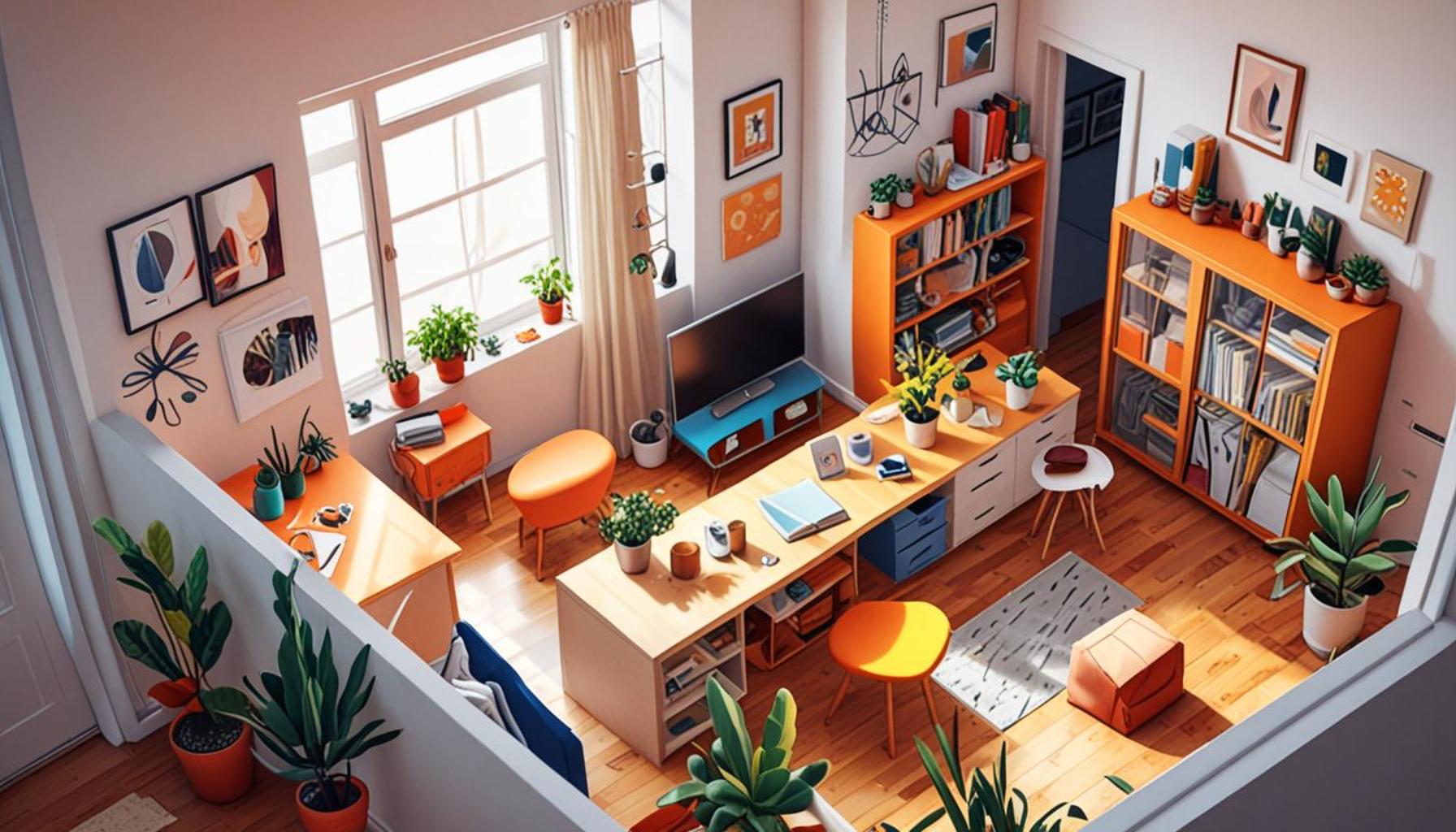
In the quest for efficiency, the necessity to maximize space in both residential and commercial environments has never been more pronounced. With urbanization leading to smaller living quarters and increased demand for multifunctional office spaces, smart storage systems have become vital allies in the fight against clutter and inefficiency.
Innovative technological advancements are paving the way for an overhaul in how we manage our belongings. Among these advancements are:
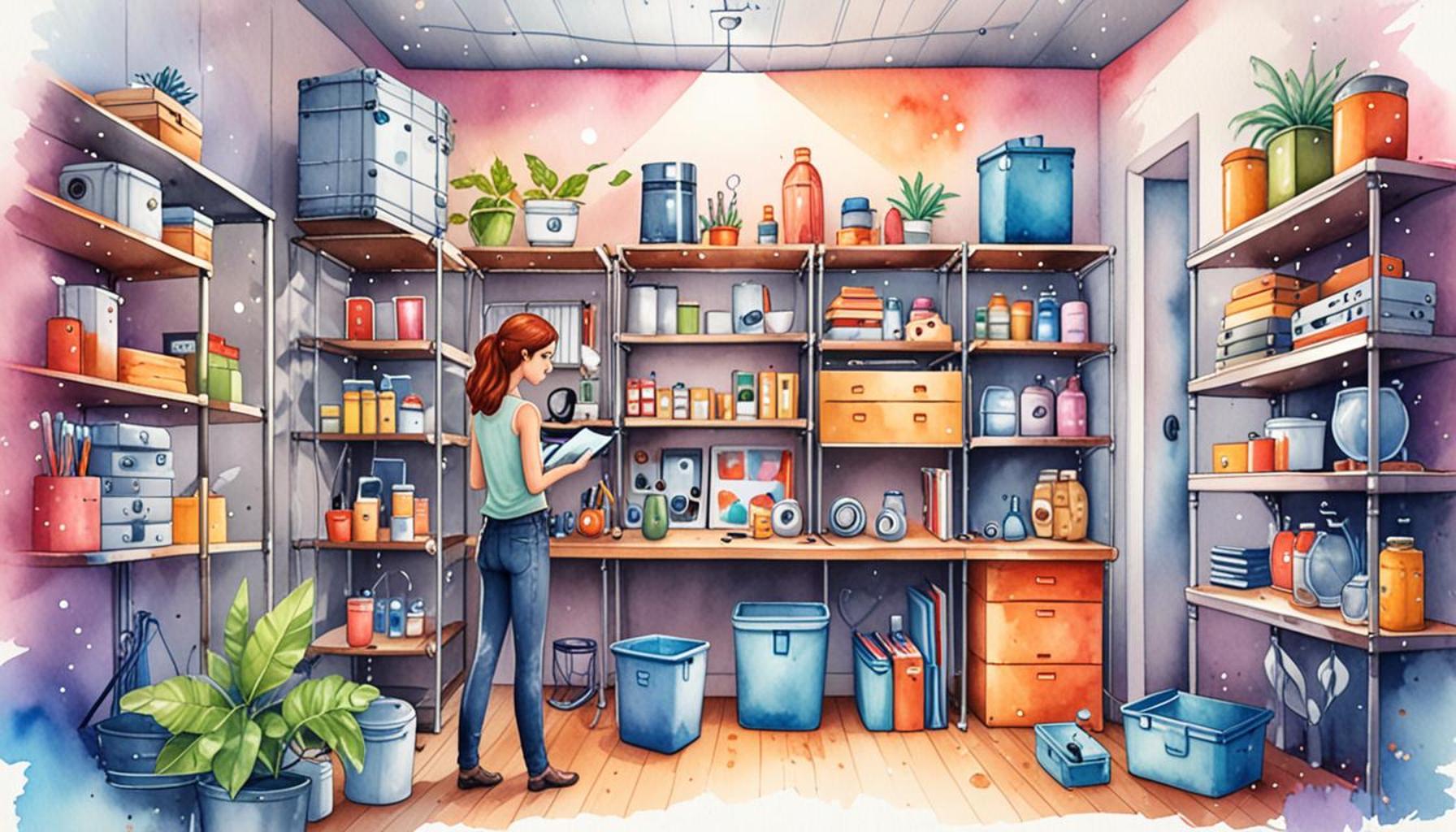
- Automated shelving units that can be remotely controlled via smartphone apps or integrated with home automation systems. These units can adjust their height and spacing with a simple command, allowing for rapid reconfiguration based on current needs. For example, in a retail environment, an automated system can instantly rearrange products to showcase seasonal items.
- App-enabled storage solutions that not only offer a place to keep items but also help manage inventory. These systems can track what is stored where, notify users when stocks are low, and even suggest optimal storage arrangements based on user habits. In a kitchen, a smart pantry could provide suggestions for recipes based on available ingredients, minimizing food waste.
- Customized modular designs that can adapt to varying needs make these systems exceptionally versatile. For instance, a modular closet can be easily reconfigured to support different types of clothing and accessories, catering to changing fashion styles or seasonal requirements.
Implementing these smart storage systems can drastically transform our interactions with our spaces. Consider the example of a small apartment in New York City, where square footage is at a premium. A dynamic shelving unit can create a library that doubles as a media center, completely changing the functionality of the room. Similarly, in commercial settings, efficient office design equipped with smart storage can enhance collaboration among team members, leading to a marked improvement in productivity.
Moreover, the use of smart storage solutions contributes to an overarching sense of well-being. Clutter is often linked to stress, so by leveraging technology to keep environments organized, individuals can create serene, revitalizing spaces that foster creativity and focus.
This exploration into the world of smart storage systems does more than present new products; it invites individuals and businesses to reimagine their environments. By embracing these sophisticated solutions, you unlock the potential for unmatched efficiency, ensuring you never feel cramped or overwhelmed again. The revolution in spatial management is here, beckoning those curious enough to investigate further.
DISCOVER MORE: Click here to learn how to declutter your life
The Intersection of Technology and Design
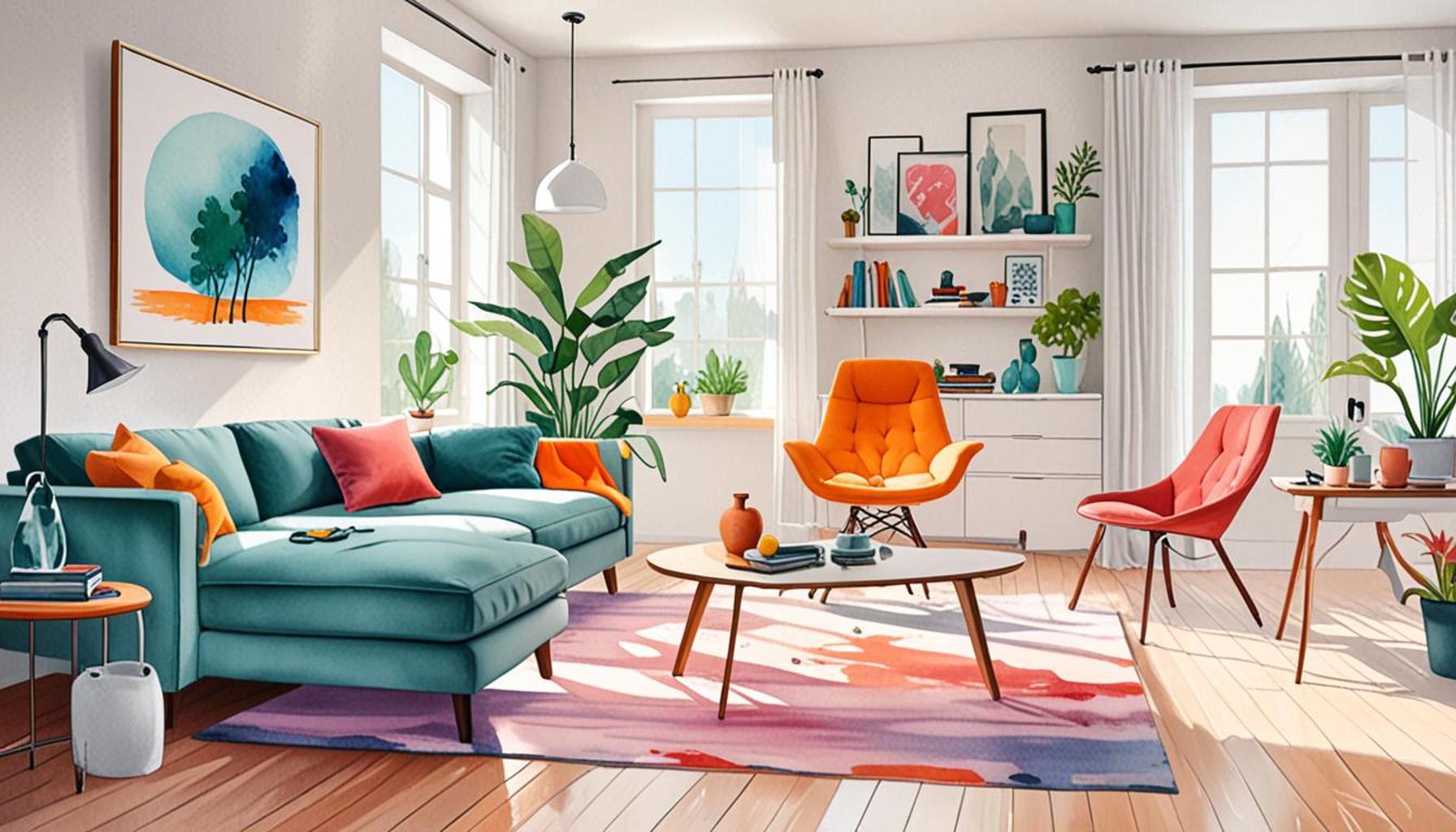
The rise of smart storage systems is transforming not only how we store our belongings but also how we interact with our spaces. With urban living spaces becoming more compact, there has never been a better time to consider integrating technology into storage solutions. These systems not only help in decluttering but also enhance our overall quality of life by optimizing available space.
At the forefront of this movement are various technologies that redefine storage across different environments. Here are some compelling innovations in smart storage systems:
- Smart Closets: Equipped with inventory management features, smart closets can monitor clothing and accessories, providing alerts when it’s time to donate or replace items. They often come with app integrations that enable users to visualize outfit combinations, making dressing up in the morning a hassle-free experience.
- Under-Bed Storage Units: Utilizing the often-overlooked space beneath beds, these smart storage solutions allow for maximum use of vertical space. Featuring automated systems that can raise or lower items with a mere tap on a smartphone, they make accessing seasonal clothing or extra bedding simpler than ever.
- Vertical Gardens: Combining aesthetics with utility, vertical garden units are an innovative solution for urban dwellers who wish to introduce greenery into their homes while saving floor space. Some models include smart sensors that monitor moisture levels, automatically watering the plants as necessary.
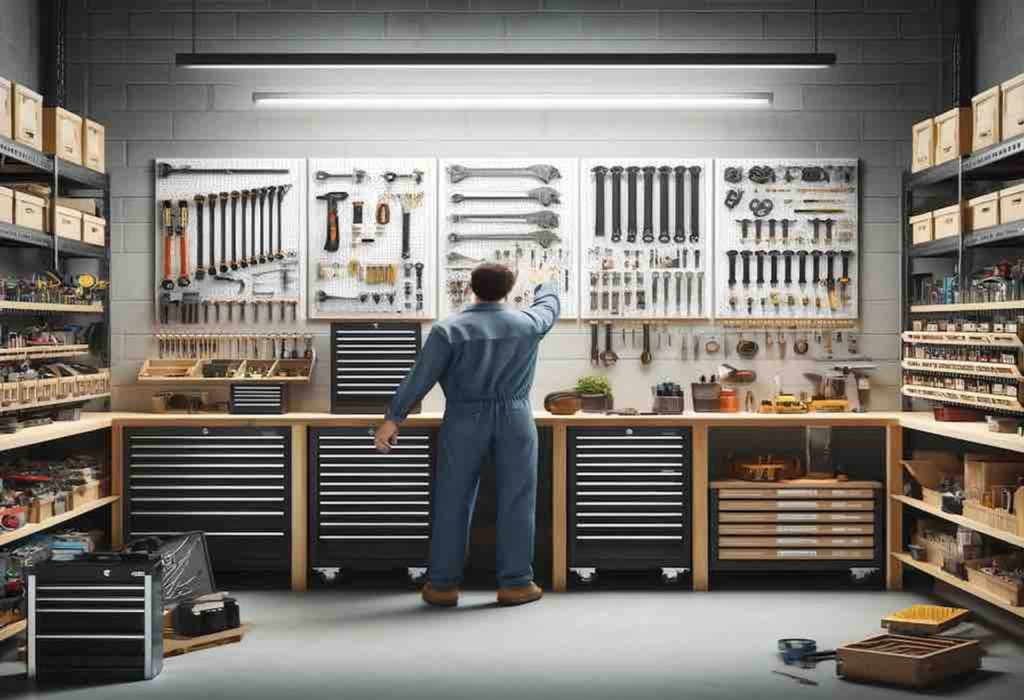
A smart garage can also revolutionize how homeowners engage with their vehicles and storage. From automated shelving that can accommodate tools and equipment to smart bins that sort and compress recycling or trash, garages are being reimagined as multifunctional hubs. These enhancements not only improve organization but also allow for a cleaner environment, thus amplifying the benefits of living with less clutter.
Consider the example of a bustling city like San Francisco, where many individuals grapple with limited storage options. Implementing a combination of automated shelving and app-enabled cabinets could simplify daily routines, allowing residents to cultivate a serene space amid the chaos of urban life.
In workplaces, smart storage systems are equally impactful. Many businesses are shifting towards flexible office designs, where shared spaces require adaptable storage solutions. By integrating modular shelving that can scale up or down depending on team size or projects, companies are fostering a collaborative culture that keeps employees engaged and focused.
But the advantages of smart storage solutions extend beyond mere organization. With a reduction in clutter, individuals can experience a marked improvement in mental health. Less mess often means less stress, leading to enhanced productivity and creativity. By embracing smart storage technologies, both individuals and businesses can create environments that are not only functional but also uplifting and inspiring.
Discovering the Dimensions of Smart Storage Solutions
Smart storage systems are revolutionizing how we manage space—both at home and in commercial environments. By leveraging technology to optimize space, these systems ensure that every square foot is used efficiently. From automated shelving to app-controlled cabinets, modern solutions showcase remarkable innovation.One of the most fascinating advancements is the integration of smart sensors. These sensors can monitor inventory, track usage patterns, and alert users about available space. This real-time feedback allows for better planning and organization. Moreover, businesses can reduce operational costs by minimizing the overhead associated with clutter and poor space management. Another compelling aspect of smart storage is its adaptability. Modular systems can easily be reconfigured to meet changing needs, responding to evolving trends in lifestyle and business. This flexibility promotes sustainable practices: through efficient space usage, consumers can embrace minimalism and reduce their environmental footprint.In addition, software-based solutions provide enhanced data analytics, helping users make informed decisions about storage needs and ultimately increasing spatial efficiency. Smart storage is not just about maximizing space; it’s about creating an environment that fosters productivity and organization. Taking the plunge into the world of smart storage systems allows individuals and businesses alike to experience the multitude of benefits these innovative technologies bring to the table, paving the way for a more organized future.
| Category | Description |
|---|---|
| Smart Sensors | Real-time monitoring of space usage and inventory levels. |
| Modular Solutions | Flexible designs that adapt to changing storage needs. |
Embracing smart technology in storage not only optimizes the use of space but also enhances quality of life. The possibilities are endless, and one can only imagine where innovation will take us next in this evolving realm.
DISCOVER MORE: Click here for strategies to declutter your home
Transforming Spaces with Intelligent Solutions
As urban populations continue to soar, the need for efficient spatial management is more pressing than ever. Smart storage systems are not just innovative trends; they are essential solutions that alleviate the challenges presented by modern-day living. For instance, companies like California Closets have launched customizable smart systems that can be tailored to fit individual needs while also providing a sleek, modern aesthetic.
One particularly fascinating development is the rise of IoT-Enabled Storage Units. These units use sensors and connectivity to monitor usage patterns and provide insights on how to best utilize space. Imagine a pantry that tracks inventory levels and sends notifications to your phone when you’re running low on essential items. This not only prevents waste but also minimizes unnecessary trips to the grocery store, thus saving both time and money.
Moreover, incorporating AI-driven algorithms can enhance the experience further. For instance, apps that analyze your shopping habits and storage needs can help users make smarter purchasing decisions. By recommending items that fit currently available storage or suggesting alternative storage solutions, these AI systems transform the mundane task of organizing into a seamless experience.
Additionally, the appeal of smart furniture cannot be overlooked. Many contemporary designs include built-in storage solutions that are visually appealing yet functional. Take, for example, a coffee table equipped with drawers or hidden compartments for books, gadgets, and other items. Hidden storage spaces in furniture allow for an aesthetically pleasing setup while ensuring that clutter is strategically concealed.
For those residing in smaller living quarters, innovations like multi-functional furniture and wall-mounted systems are game-changers. Murphy beds, for example, fold away to create more usable space during the day while still providing a comfortable sleeping area at night. Similarly, wall-mounted shelves can serve multiple purposes by holding decorative items while also providing storage space for books and other essentials, thus maximizing vertical space effectively.
Enabling collaborative storage solutions within households, especially those with shared living arrangements, is also gaining traction. Technologies allowing housemates to communicate regarding shared items or space availability foster a spirit of collaboration. Imagine a shared digital platform where roommates can list what belongs to whom, making it easier to manage common space while reducing conflicts over clutter.
According to a report by the Furniture Today, smart furniture sales have surged, with projections estimating a remarkable annual growth rate of 20% over the next five years. This sharp rise underscores the urgency and necessity of adopting intelligent storage solutions, particularly in urban centers where space is limited. Cities like New York and Los Angeles exemplify this trend, where unique spatial challenges call for innovative solutions beyond traditional approaches.
Combining elements of style, functionality, and technology, smart storage systems are redefining our homes and offices. As technology continues to advance, the possibilities for increasing spatial efficiency will only expand, offering exciting new ways to enhance the spaces we inhabit daily. As we embrace these innovations, we are not only reshaping our physical environments but also enhancing our overall lifestyle in the process.
DISCOVER MORE: Click here to dive deeper into minimalism in clothing
Embracing the Future of Efficient Living
In conclusion, the integration of smart storage systems into our everyday environments presents a transformative opportunity for maximizing spatial efficiency. As we delve deeper into technological advancements like IoT-enabled storage units and AI-driven solutions, we unlock the potential to not only streamline our living and working spaces but also to enhance our overall quality of life. By using data to optimize organization and employing innovative designs—such as multi-functional furniture and wall-mounted storage—we can create environments that are both aesthetically pleasing and functional.
As urban living spaces become more compact, the adoption of smart storage technologies is crucial. With projections indicating significant growth in smart furniture and management solutions, it is clear that these systems are becoming a mainstay in modern residences. Residents of bustling metropolitan areas, where every square foot counts, must embrace these innovations not only as a means of organization but as essential tools for harmonious living.
Thus, by investing in these smart storage solutions, we are not simply keeping our spaces tidy; we are pioneering a movement towards more thoughtful living. As you explore options in smart storage systems, consider how these technologies can free up valuable space and foster a lifestyle rooted in efficiency and creativity. The future of spatial management lies in our willingness to adapt and innovate—so let us embrace these advancements for a better tomorrow.