Rhythms and Colors: How Art and Music Influence Popular Culture in Nigeria
The Interplay of Art and Music in Shaping Nigerian Identity
In Nigeria, the intersection of art and music creates a vibrant cultural tapestry that reflects the nation’s rich history and diversity. These forms of expressions not only serve as entertainment but also as powerful vehicles for social change, uniting people across different backgrounds and ideologies. From the bustling streets of Lagos to remote communities in the north, the cultural heartbeat of Nigeria is undeniably influenced by these creative realms.
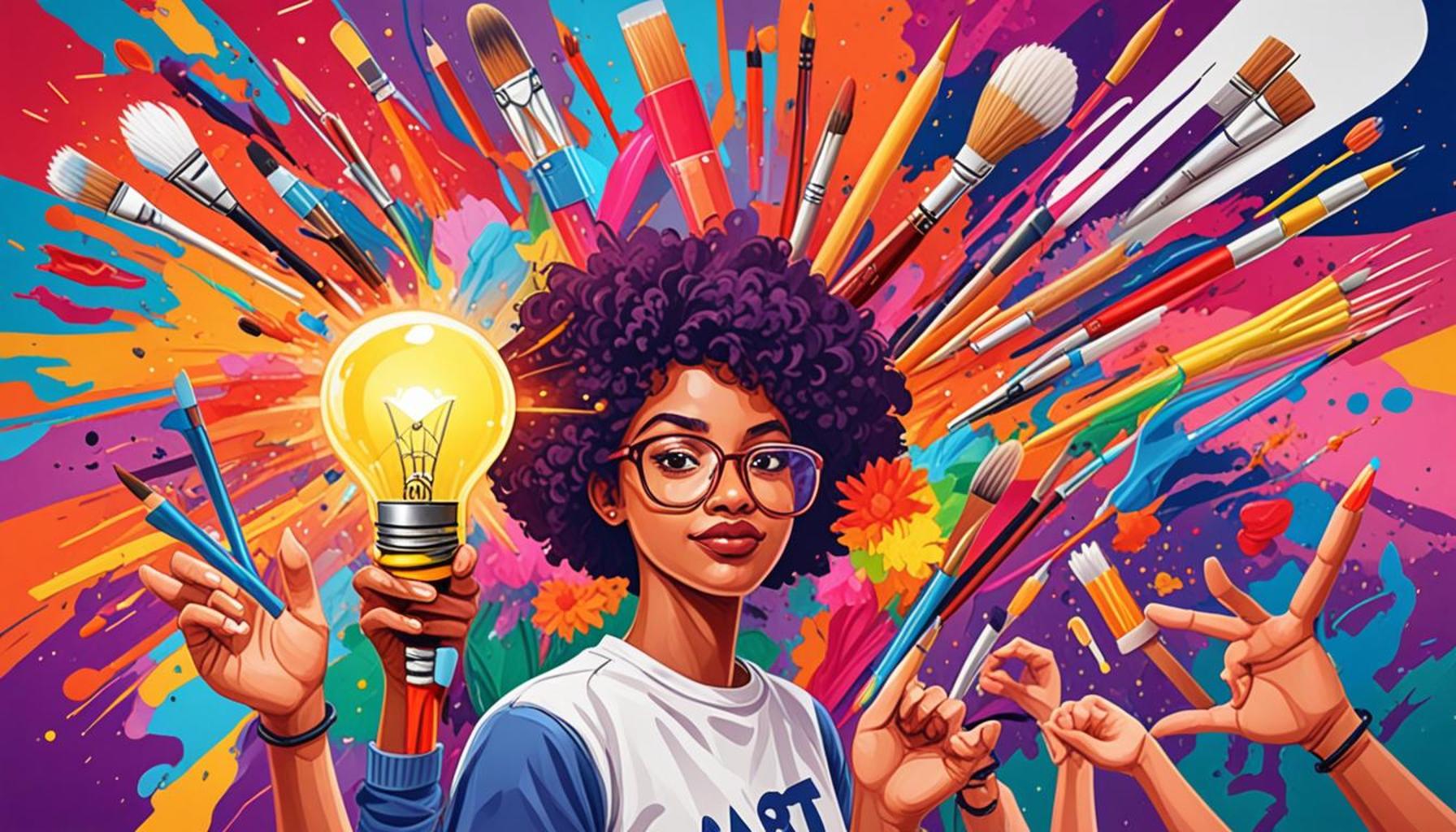
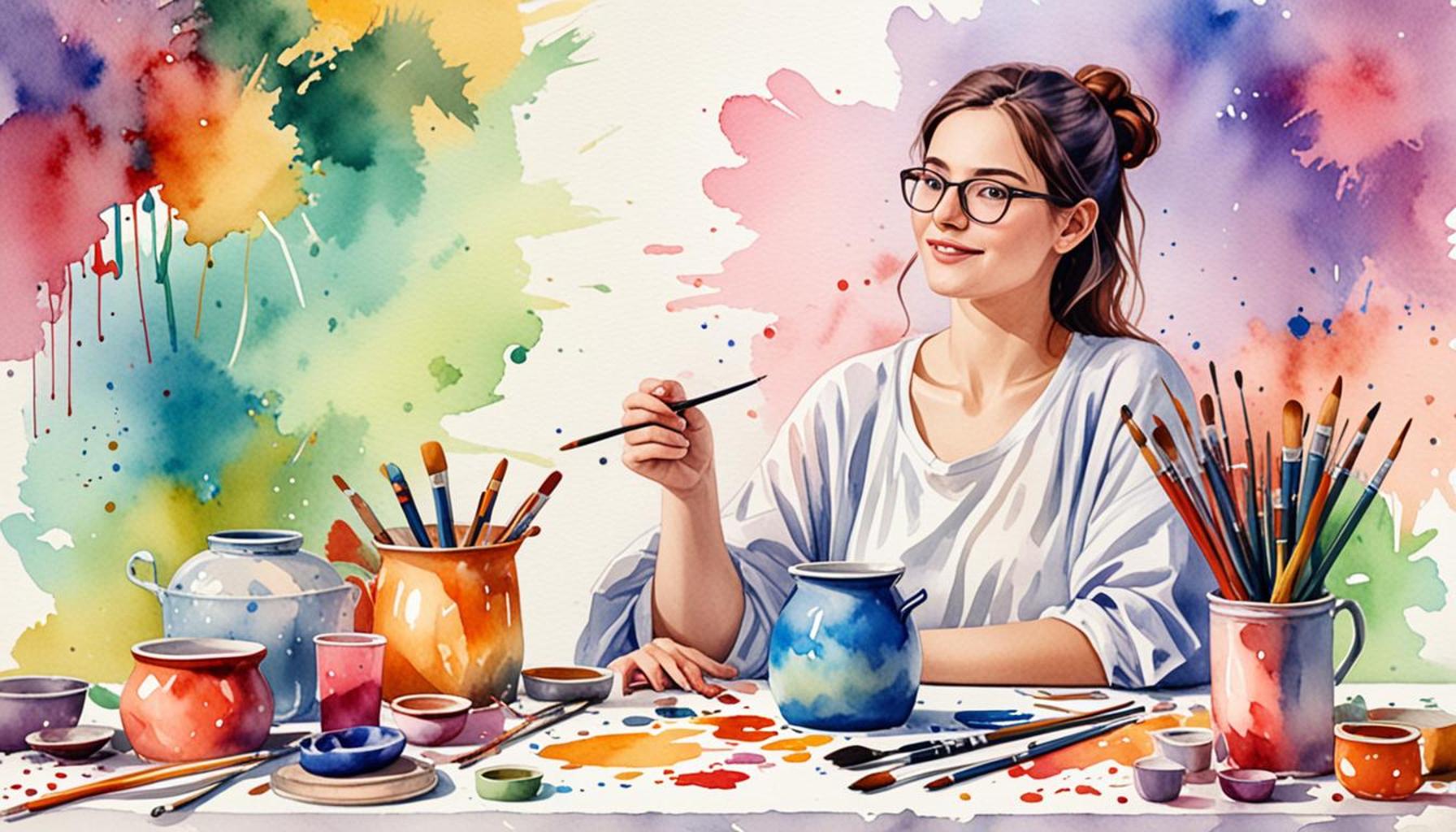
Visual Arts in Nigeria range from traditional crafts to contemporary installations. For example, the renowned artist El Anatsui utilizes recycled materials to create stunning sculptures that comment on issues of consumption and waste, blending traditional techniques with modern critiques. Meanwhile, vibrant street art can be seen in urban areas like Lagos, where murals narrate stories about the everyday lives, struggles, and aspirations of the local population. These pieces not only beautify public spaces but also provoke conversation and reflection among Nigerians.
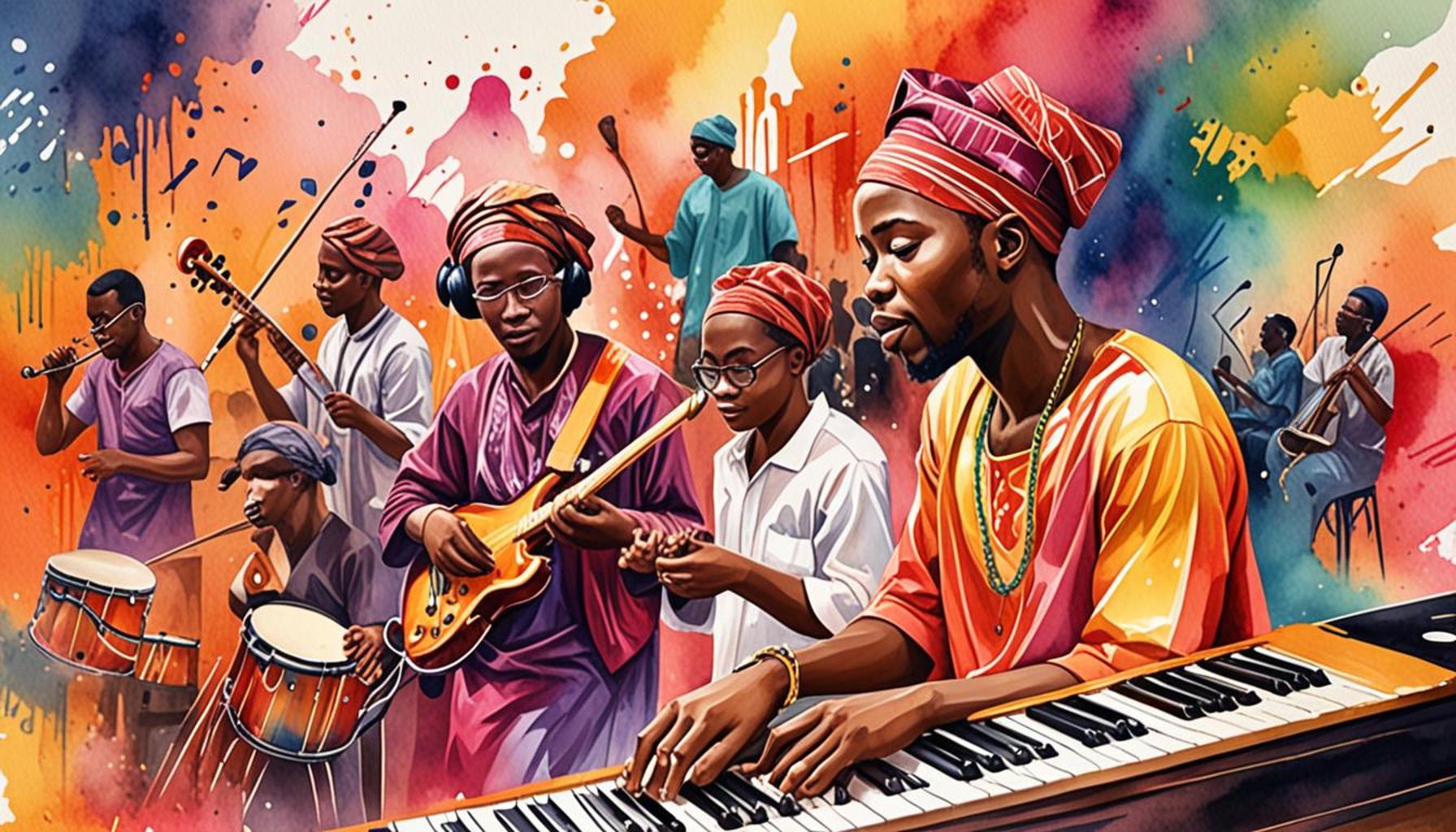
Music Genres like Afrobeats, Highlife, and Juju play crucial roles in Nigerian society, resonating with both the young and the old. Artists like Wizkid and Tiwa Savage have popularized Afrobeats globally, showcasing how Nigerian music can transcend borders. Music festivals such as the annual Lagos Jazz Series and the Afrochella celebration in Accra highlight these genres, drawing international audiences and elevating local talent. The lyrics often encapsulate social issues, narrating stories about love, politics, and resistance, thus contributing to the cultural dialogue within and outside the country.
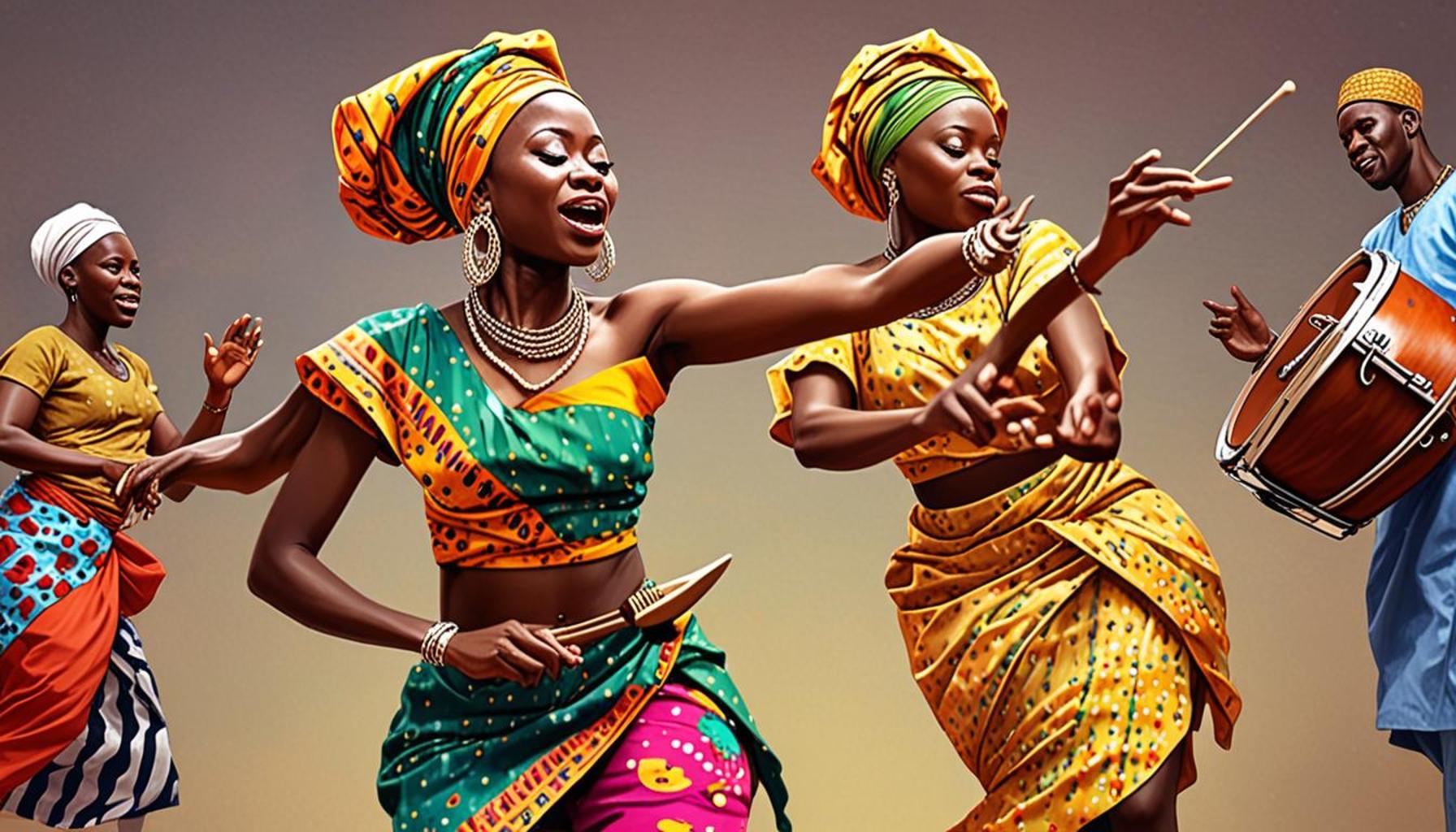
Fashion, too, reflects this amalgamation of influences. Traditional attires like the buba and gele are constantly being reimagined with modern twists influenced by musical icons. Collaborations between fashion designers and musicians, such as the partnership between Duro Olowu and Ladipoe, showcase how music can inform and inspire fashion trends, leading to stunning creations displayed on both local and international runways.
The synergy of these elements—visual arts, music, and fashion—creates a rich cultural narrative that defines modern Nigerian identity. Artists and musicians challenge societal norms and provide a voice for the voiceless, creating an environment ripe for discussion and enlightenment. As popular culture evolves, understanding these influences becomes essential in appreciating the multifaceted identity of Nigeria and its people.
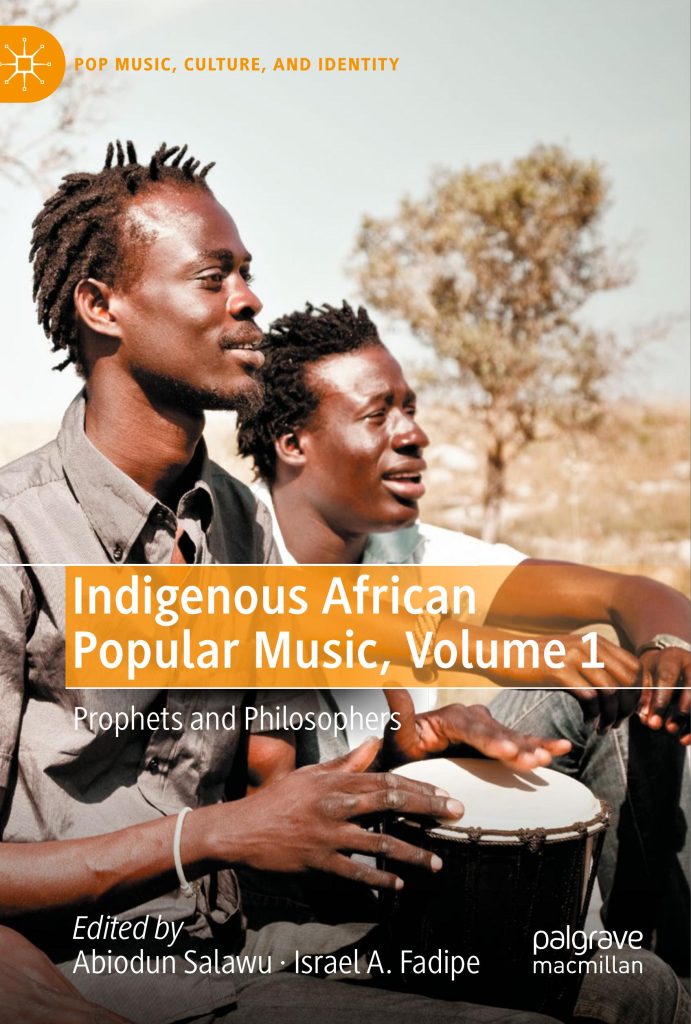
Join us in delving deeper into how these elements intertwine and continually shape the narrative of Nigeria’s multifaceted cultural landscape, inviting both local and international audiences to engage with and celebrate this captivating heritage.
LEARN MORE: This related article may interest you
The Dynamic Influence of Nigerian Music on Visual Arts
Nigerian music is not just a soundtrack to daily life; it is a powerful force that influences various forms of art across the nation. The genres that thrive in Nigeria, from Afrobeats to Fuji and highlife, evoke emotions and draw upon rich historical narratives that resonate with the people. The rhythms and melodies not only inspire musicians but also spark creativity in visual artists, fashion designers, and even filmmakers, creating a symphony of cultural expression.
One notable example of this influence is the collaboration between musicians and visual artists. Musicians often partner with graphic designers to create album covers that encapsulate the essence of their music. A striking example is Wizkid’s album “Made in Lagos,” which features artwork that blends traditional motifs with contemporary aesthetics, capturing the pulsating life of Lagos city. The visual representation of music allows listeners to engage with the content on a deeper level, making art a crucial companion to auditory experiences.
The impact of music doesn’t stop at album artwork. Nigerian music videos often showcase elaborate sets and visually stunning costumes that reflect the current trends in fashion and art. For instance, the music video for Tiwa Savage’s “49-99” features vibrant colors and distinct cultural symbols, making it a feast for the eyes while sending powerful messages about societal issues. These visual narratives draw viewers in, making music a conduit for storytelling that resonates beyond sound.
Art Movements Influenced by Music
Various art movements in Nigeria have emerged under the influence of its music scene. When examining the relationship between sound and visuals, one observes that:
- Street Art: Murals and graffiti echo themes from popular songs, addressing social issues such as poverty and corruption. This urban art form enables artists to amplify their voices, offering commentaries through colors and imagery.
- Performance Art: Artists often incorporate music into their performances, bridging the gap between visual arts and auditory experiences. Dance performances accompanied by live music create immersive environments that engage audiences on multiple levels.
- Fashion Forward: The realm of fashion is increasingly intertwined with the music industry, creating a trend where music artists set fashion standards. Their influence can lead to the emergence of new styles that reflect the swaying beats of their songs.
The relationship between music and visual arts in Nigeria is a dynamic interplay, where each form continuously shapes and informs the other. This synergy is not only limited to artistic expressions; it extends into daily life, influencing public personalities, fashion trends, and even politics. Understanding this connection allows one to appreciate the multifaceted layers of Nigeria’s cultural landscape and the creativity that thrives within it.
The influence of music on visual arts serves as a testament to how intertwined these two forms of expression are in defining Nigerian identity. As we further explore the colorful narratives that unfold within this realm, the impact of art on music will also come to light, illustrating the reciprocal relationship that enriches popular culture in Nigeria.
| Cultural Expression | Impact on Society |
|---|---|
| Art and Music Fusion | Creates a unique identity |
| Empowerment through Creativity | Fosters community connection |
The creative synergy between art and music in Nigeria serves as a vibrant cultural expression that resonates deeply within its society. This fusion not only cultivates a distinctive cultural identity but also acts as a catalyst for expression and empowerment. As artists channel their experiences into their works, they reflect the realities of everyday life, from traditional narratives to contemporary challenges, making art and music relevant and relatable to their audiences.Moreover, the impact of this cultural duality extends beyond mere entertainment; it fosters a sense of community. Collaborative projects and performances bring together diverse groups, bridging social divides and enhancing communal ties. Festivals celebrating these forms encourage a dialogue among generations and foster pride in heritage. As the world increasingly celebrates Nigerian arts on international platforms, the influence of these cultural expressions continues to shape the perception of Nigerian popular culture globally, inviting curiosity and exploration from those eager to understand its rich tapestry.
RECOMMENDED: Check out this similar article
The Interplay of Visual Expressions and Musical Narratives
While Nigerian music significantly influences visual arts, it’s essential to recognize how visual culture also shapes musical narratives. The vibrant hues and ideologies captured within artistic practices resonate deeply within the lyrics and themes of songs, creating a dialogue that injects life into Nigeria’s cultural landscape. From album graphics to live performances, the impact of these visual forms extends beyond aesthetics, driving conversations around identity, unity, and socio-political issues.
A standout feature of this interplay is seen in the contemporary art movements that draw inspiration from traditional music, artists like Yinka Shonibare incorporate elements of African patterns into their installations, highlighting themes of colonialism and identity. These visual pieces often serve as an artistic commentary on songs by Nigerian musicians who address similar themes, illustrating the convergence of both realms. For instance, the work of Shonibare can be paralleled with the lyrics of Burna Boy, whose music often critiques historical injustices and celebrates African pride. This reciprocal influence turns visual art into an extension of music, allowing listeners and viewers to engage with cultural narratives on multiple levels.
The Role of Digital Art in Music Promotion
The digital age has revolutionized the relationship between art and music in Nigeria, especially through the rise of social media and streaming platforms. Musicians, like Simi and Omah Lay, utilize vibrant digital artwork and animations to promote their music, giving fans visual content that enhances the musical experience. This approach not only attracts attention but also enables artists to convey messages that may not be captured through audio alone.
- Social Media Aesthetics: Instagram and Twitter have become platforms where artists showcase their collaborations with graphic designers. The visual identity of a musician is just as crucial as their sound, dictating how they are perceived in the competitive entertainment industry.
- Graphic Storytelling: Some artists are experimenting with storytelling through animated music videos that blend visuals directly with lyrics. This format allows for a unique interpretation of songs, where imagery draws on cultural symbols that resonate with the audience, deepening their connection to the music.
- Fashion as Art: Fashion designers are also influenced by musical styles, creating collections that echo the aesthetics of popular music genres. Nigerian fashion labels often launch clothing lines inspired by the latest hits, making music an integral part of their design processes.
The creative synergy between visuals and sound reflects the vibrant dynamism of Nigerian culture. Artists across different mediums are increasingly collaborating to craft experiences that transcend traditional boundaries. For example, the emergence of art exhibitions focused on music’s impact demonstrates how both forms are vital in shaping the cultural narrative.
As we delve deeper into the various layers of this relationship, it becomes apparent how crucial these artistic expressions are in promoting social awareness, celebrating heritage, and fostering a sense of community. The amalgamation of art and music not only enriches Nigeria’s popular culture but also offers a platform for expression in a society constantly in flux. Exploring this interconnectedness of rhythms and colors opens new avenues for both artists and audiences, inviting them to participate in the ongoing dialogue of cultural evolution.
LEARN MORE: This related article may interest you
Conclusion
In summation, the vibrant tapestry of art and music in Nigeria is a dynamic interplay that shapes and reflects the nation’s popular culture. The fascinating relationship between visual expressions and musical narratives illustrates how these two mediums not only enhance each other but also engage deeply with larger socio-political themes, heritage, and identity. From the collaborations that bring forth electrifying album covers to the evocative performances that intertwine visual artistry, it is evident that each discipline supports and amplifies the voices of the other.
Moreover, the advent of digital platforms has unlocked new channels for creativity, allowing artists to explore innovative promotional strategies that enrich the consumer experience. The strategic use of social media not only establishes a recognizable visual identity for musicians but also empowers them to tell compelling stories that resonate with audiences on multiple levels. This evolution reflects a broader cultural dialogue that encourages exploration, creativity, and unity within the community.
As we navigate through the rhythms and colors of Nigeria’s artistic landscape, one thing remains clear: the fusion of art and music is not merely a backdrop but rather a vital pulse that drives societal reflections and transformations. Engaging with this vibrant cultural symbiosis opens up new avenues of understanding, inviting both artists and audiences to partake in the ongoing conversation about cultural evolution and identity in Nigeria. Ultimately, as we continue to celebrate this rich heritage, we bear witness to a living canvas that is continually shaped by the creative energies of its people.