Paper Sculpture Techniques: Creating Three-Dimensional Art with Simplicity
Unlocking the Art of Paper Sculpture
In an era where visual communication is often saturated with digital imagery, the tactile and manual nature of paper sculpture techniques harkens back to a simpler form of artistry. Engaging with paper through hands-on creations allows artists and hobbyists alike to forge a connection to their materials while promoting eco-friendly practices. The beauty of this art form is that it invites everyone, regardless of skill level, to explore their creative instincts with just a few basic supplies.
Among the diverse array of methods within paper sculpture, here are four prominent techniques that can ignite your imagination:
- Origami: This ancient Japanese discipline revolves around transforming a flat square of paper into a complex three-dimensional object using only folds. Artists can create anything from delicate cranes to intricate flowers, showcasing precision and patience. For example, the Japanese art of folding origami has not only become a popular pastime in Nigeria but has also been integrated into educational settings to teach math concepts through creative expression.
- Quilling: By coiling and shaping strips of paper, quilling allows for the creation of elaborate designs, such as floral patterns, animals, or even portraits. This technique is often seen in decorative crafts for special occasions such as weddings and birthdays, where artists can personalize items like greeting cards or picture frames, adding a heartfelt touch.
- Paper Mâché: Utilizing a mixture of paper, glue, and sometimes water, artists can construct substantial artworks and sculptures. Paper mâché lends itself well to community projects or even children’s workshops, providing an avenue for storytelling through the structures created. In Nigeria, traditional art forms may be incorporated into paper mâché to relay cultural narratives.
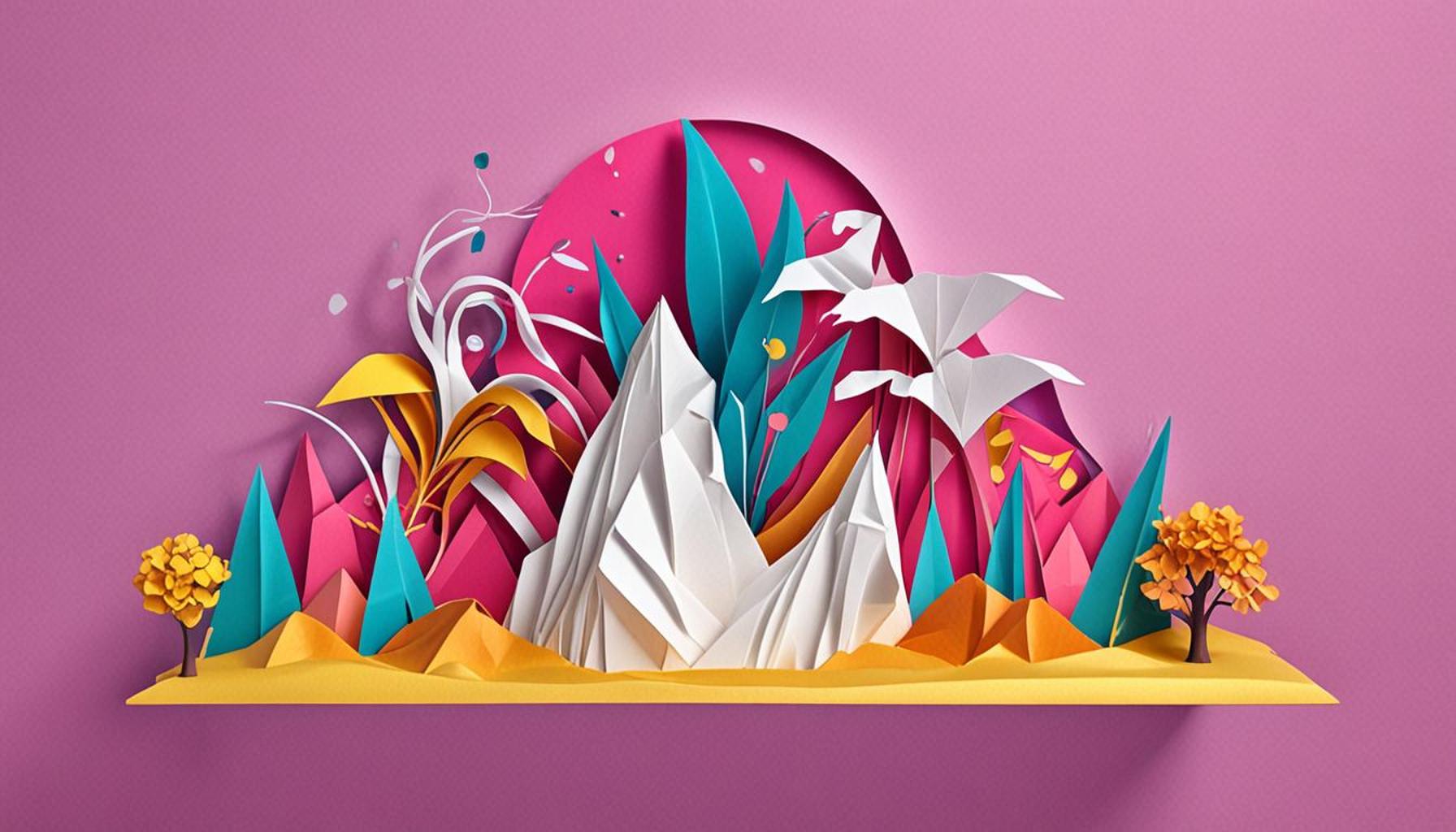
- Cut-Out Sculptures: This technique involves crafting dimension and depth by cutting intricate designs into paper, which can then be layered to create a three-dimensional effect. Artists might depict cultural symbols or narratives from Nigerian folklore, lending a sense of identity to their works.
The cultural landscape of Nigeria is witnessing a growing appreciation for paper art as it resonates with both local themes and modern artistic exploration. Artists are increasingly embracing this medium to tell stories about their heritage while demonstrating resourcefulness, as crafting with paper requires minimal investment. Local workshops and art fairs are popping up, showcasing the talents of both amateurs and seasoned paper artists, nurturing community bonds through shared creativity.
More than just a creative outlet, exploring paper sculpture can serve as a therapeutic escape from the hustle of everyday life. Engaging in these techniques can enhance fine motor skills and cognitive abilities, making it a rewarding pursuit for individuals seeking both relaxation and artistic growth. Each fold, roll, or cut adds depth not only to the paper but also to the artist’s journey of self-discovery.
As you embark on your own paper sculpture adventure, you might find that the simplicity of working with paper opens up a world of opportunities to express your unique perspective. Whether through traditional methods or innovative new approaches, the only limit is your imagination.
ADDITIONAL INSIGHTS: Expand your understanding here
Exploring Key Paper Sculpture Techniques
Understanding the fundamental paper sculpture techniques adds depth to artistic expression and allows for creative exploration across varying genres. The four techniques mentioned earlier serve as a gateway, yet they only scratch the surface of the endless possibilities that paper art holds. Each method is not merely a way to manipulate paper; it is a journey that reveals stories, emotions, and cultural identities.
As artists in Nigeria and beyond embrace these methods, they are also reshaping perceptions of what constitutes art in everyday life. Below, we delve deeper into the intricacies of each technique and how they can inspire both personal creations and community engagement:
- Origami: Beyond just folding paper, origami breathes life into flat sheets by enabling artists to express their imagination through complex designs. Recently, Nigerian schools have recognized origami not only as a form of art but also as an educational tool, weaving in mathematics through geometric shapes. This technique encourages patience and problem-solving, essential skills for young minds.
- Quilling: This technique invites artists to play with color, shape, and form. By manipulating paper strips with a tool to create coils and curls, artists can produce stunning decorative pieces. Nigerian quillers have taken to integrating traditional motifs and contemporary elements, resulting in unique designs that resonate with cultural significance.
- Paper Mâché: With its rich history and versatility, paper mâché allows creators to construct large, hollow forms that can serve both practical and artistic purposes. Community projects that utilize this method often result in collaborative sculptures reflecting the collective culture, history, and narratives of local areas. Engaging youth in these projects fosters teamwork and promotes cultural awareness.
- Cut-Out Sculptures: This technique requires precision and an artistic eye, as it entails creating layered designs from sheets of paper. Nigerian artists have mastered the art of cut-out sculptures to depict intricate folklore, showcasing themes from the rich tapestry of the country’s stories. This creative approach not only brings to life historical narratives but also preserves them for future generations.
What makes paper sculpture techniques particularly appealing in Nigeria is their accessibility. With minimal tools required—ensuring affordability for aspiring artists—the medium invites participation from diverse communities. Workshops and festivals celebrating paper art have emerged across cities, allowing enthusiasts to come together and share not only their creations but also the stories behind them.
Engaging with these paper sculpture techniques fosters a sense of belonging and creativity. As you dive into this craft, remember it is not solely about producing art; it is an opportunity to connect with your heritage and contribute to the evolving narrative of Nigerian artistry.
| Advantages | Description |
|---|---|
| Enhanced Creativity | Paper sculpture techniques allow artists to explore various forms and dimensions, sparking innovation and unique artistic expressions. |
| Accessibility | Utilizing common materials such as paper provides an affordable entry point for new and seasoned artists alike to create three-dimensional art. |
Exploring the vast world of paper sculpture techniques unveils a treasure trove of creative potential. These methods not only encourage artists to think outside the box, but they also facilitate the conversion of a flat medium into a captivating, multi-dimensional work of art. By manipulating paper in various ways—folding, cutting, layering—artists can breathe life into their ideas, making the impossible seem possible. Moreover, this art form stands out for its accessibility. With simple materials easily sourced from art supply stores or even your home, artists have the chance to experiment with form and texture. Beginners can start their journey into the arts without overwhelming costs, making three-dimensional art a realistic goal for many. The joy of creating tangible objects from paper provides not just a creative outlet, but also a building block for future artistic endeavors. As one dives deeper into these techniques, discovering the nuances of paper manipulation, the creations can become increasingly intricate, drawing the interest of both artists and art appreciators alike. Each piece creates an avenue for ongoing exploration within the vast landscape of artistry.
YOU MAY ALSO LIKE: Read read another article
Innovative Uses of Paper Sculpture Techniques
In the realm of paper sculpture techniques, innovation plays a pivotal role in breathing new life into traditional practices. Artists and craftspeople, many of whom are emerging from autochthonous backgrounds, are marrying these techniques with technology and contemporary aesthetics, pushing boundaries and challenging notions of what paper art can achieve. The following highlights how creativity is redefined through innovative approaches, particularly in Nigeria:
- Paper Engineering: This dynamic blend of art and engineering allows artists to create intricate moving sculptures. By incorporating kinetic elements into their designs, Nigerian artists are crafting pieces that move, shift, and respond to the environment around them. For instance, workshops in cities like Lagos have begun integrating this method into educational settings, enabling students to understand mechanics while channeling their artistic expression.
- Mixed Media Art: Combining paper sculpture with materials such as fabric, metal, and recycled objects is becoming increasingly popular. Artists like Kenechi Ugochukwu have attained recognition for their ability to harmoniously blend these mediums, creating artwork that reflects the urban landscape and its socio-political narratives. Such mixed media pieces stir conversation and draw attention to pressing community issues while captivating the viewer with their visual complexity.
- Environmental Focus: As awareness about sustainability grows, many paper artists in Nigeria are championing the use of eco-friendly materials. Repurposing old newspapers, magazines, and cardboard not only helps in reducing waste but also adds an emotional layer to the artwork. This technique reverberates with a cultural ethos that values resourcefulness and creative recycling—important principles in both art and everyday life.
- Community Art Projects: The collective spirit inherent in paper sculpture techniques encourages collaborative projects that connect diverse groups. Initiatives led by local artists engage children’s homes and community centers, where participants come together to craft large-scale sculptures that tell communal stories. These creations often serve as public installations, instilling pride and unity in cultural expressions.
Moreover, the advent of social media platforms is enabling a cross-pollination of ideas in the realm of paper sculpture. Artists are no longer bound by geographical limitations; they can share techniques, exhibit their work, and gain recognition on larger scales. Online platforms have emerged as key players in promoting the art form, and collaborations with international artists have ignited a fusion of styles that have global appeal.
The accessibility of digital resources—tutorials, blogs, and forums—has empowered aspiring paper artists to hone their skills, bridging the gap between creativity and professional craftsmanship. Nigerian artists are harnessing this wealth of information, often merging traditional practices with new methods learned online, thereby enriching the local art scene while catering to an audience eager for innovation.
As techniques evolve and new ideas materialize, paper sculpture continues to thrive as a means of storytelling, education, and community engagement. Embracing these fresh perspectives cultivates a diverse artistic environment where every voice has the potential to contribute to the broader narrative of Nigerian arts and crafts.
YOU MAY ALSO LIKE: Read read another article
Conclusion: The Future of Paper Sculpture Techniques
In exploring the dynamic world of paper sculpture techniques, we uncover a medium that celebrates both simplicity and complexity, inviting artists and enthusiasts alike to challenge their creativity. As highlighted throughout this article, the fusion of traditional practices with contemporary innovations is transforming the landscape of paper art, particularly in Nigeria. Artists are not just creating three-dimensional pieces; they are forging narratives that resonate with cultural identity and social discourse.
The integration of technology through techniques like paper engineering and mixed media art showcases an exciting evolution where craftsmanship meets mechanical ingenuity. Furthermore, the sustainable shift towards eco-friendly materials highlights a growing awareness of environmental responsibility, allowing artists to engage with pressing global issues through their work.
As communities come together to participate in collaborative art projects, the collective spirit of creation fosters unity and pride, transforming neighborhoods into vibrant art hubs. Importantly, the global accessibility of digital resources has democratized the art-making process, empowering newcomers and seasoned artists to share and refine their skills, expanding the reach of this expressive medium beyond geographical confines.
Ultimately, the journey of paper sculpture is just beginning. As artists continue to innovate and share their stories, there remains an untapped potential waiting to be explored. With each folded layer and cut piece, narratives emerge, urging us all to look deeper into the heart of creativity. For those aspiring to delve into this art form, the possibilities are endless, inviting a future filled with artistic exploration and community engagement.