Mirrors and Space Illusions: How to Use Reflections to Enhance Minimalist Environments
The Transformative Role of Mirrors in Minimalist Design
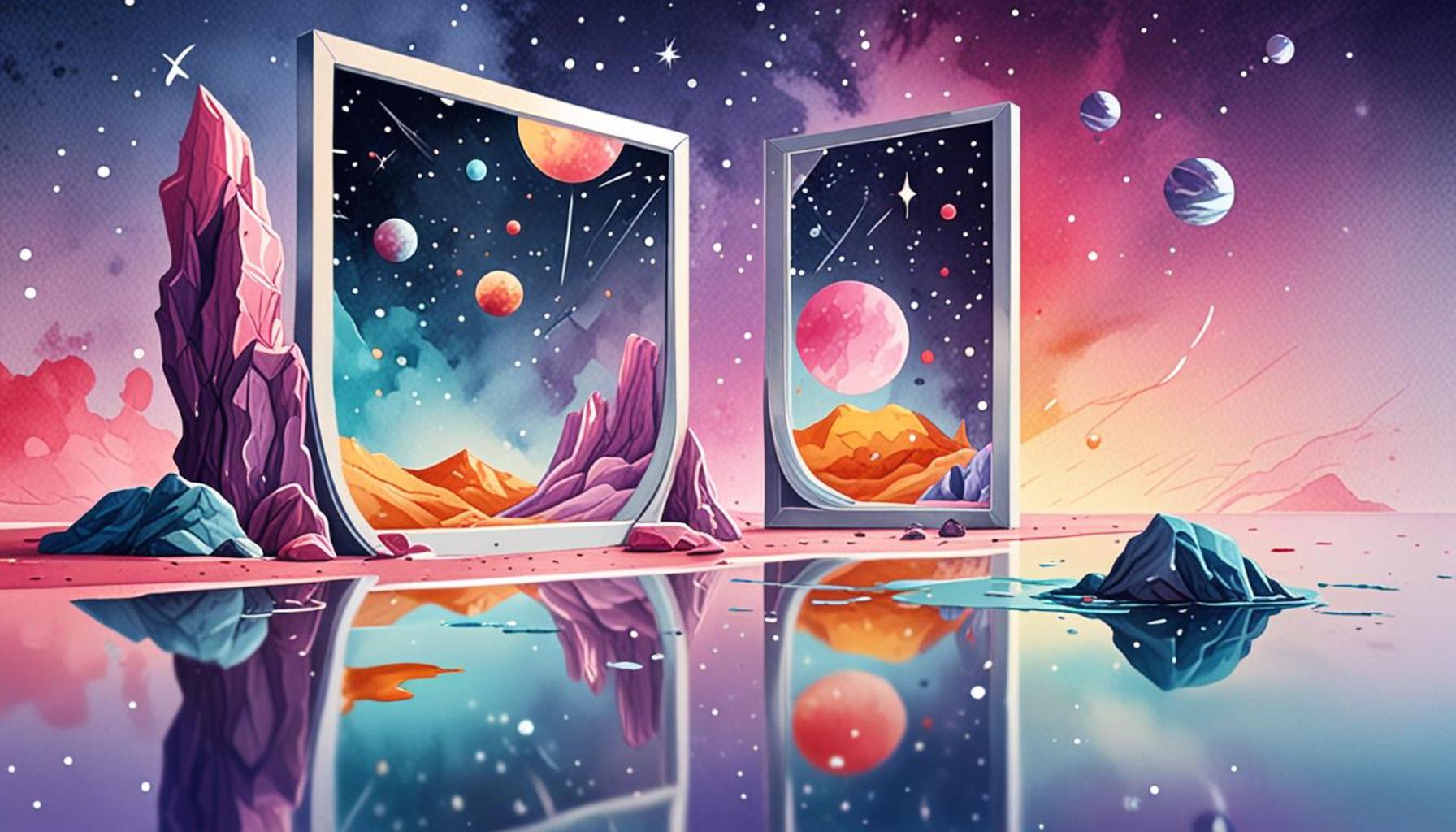
In the realm of minimalist design, where sophistication meets simplicity, the use of mirrors emerges as a transformative element. Minimalism emphasizes the beauty of essential forms, and mirrors serve as both functional and artistic pieces that can enhance the spatial dynamics of any environment.
One of the primary advantages of utilizing mirrors in minimalist interiors is their ability to increase light in a room. By reflecting natural light from windows or openings, mirrors can make a compact area feel airy and open. For instance, in a small apartment or studio, placing a large mirror opposite a window can illuminate the space substantially, allowing sunlight to bounce around, creating a warm and inviting atmosphere.
Moreover, mirrors contribute to depth perception, effectively tricking the eye into perceiving a room as larger than its actual dimensions. This is particularly beneficial in urban settings where space is often at a premium. A well-placed mirror can visually extend a narrow hallway or make a snug living room feel expansive. A clever example is using mirrored sliding closet doors; they not only serve a purpose but also reflect the room, enhancing its open feel.
Furthermore, mirrors can amplify visual interest in minimalist decor. A striking mirror acts as an artistic focal point, drawing attention without overwhelming the senses. For example, a round, sunburst mirror can add a touch of mid-century charm to an otherwise plain wall, or an oversized rectangular mirror can add architectural interest while acting as a functional piece.
Design Techniques for Effective Mirror Use
When incorporating mirrors into your minimalist design, several techniques can elevate the aesthetic:
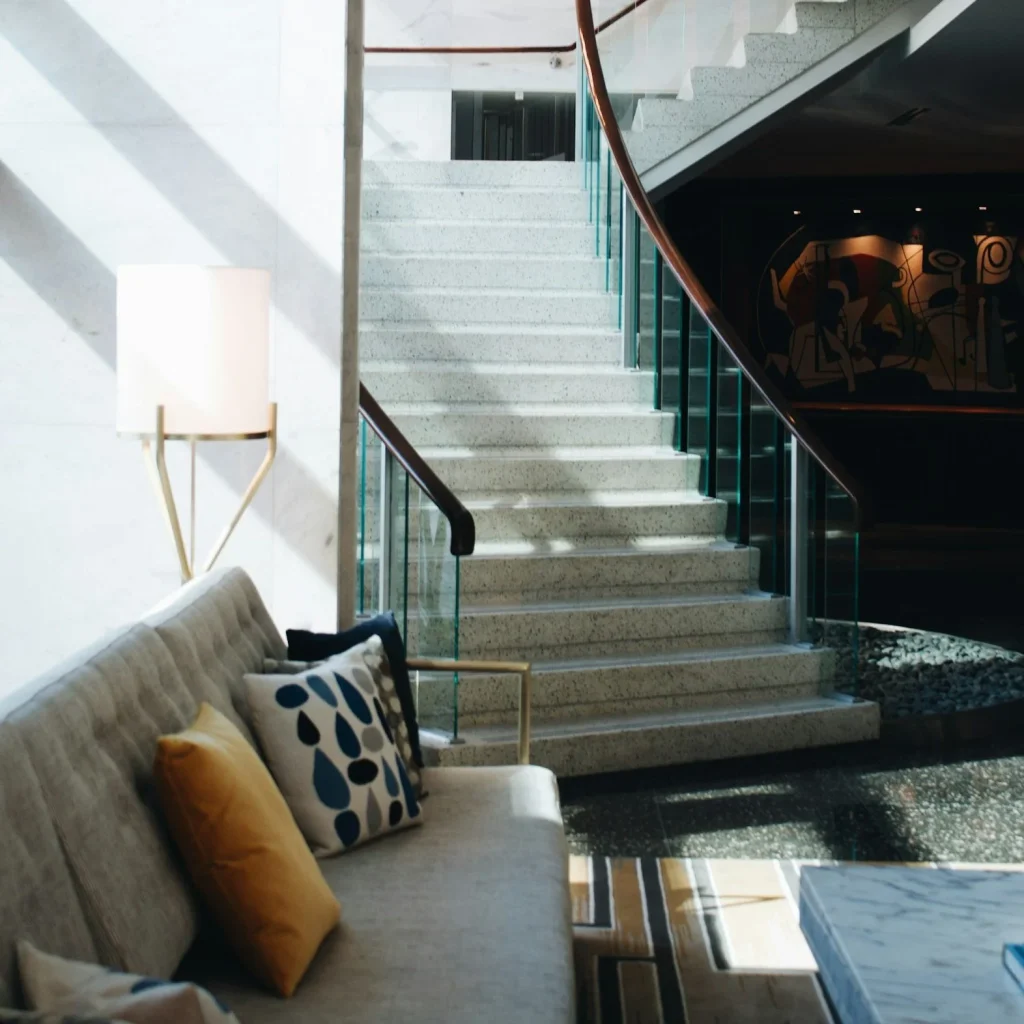
- Full-length Mirrors: These are ideal not only for practical uses like dressing but also for giving the illusion of height, which can be especially beneficial in rooms with low ceilings.
- Mirrored Furniture: Items such as coffee tables or accent chairs with mirrored surfaces introduce a hint of elegance while ensuring the overall feel remains uncluttered and chic.
- Gallery Walls: Select a variety of mirrors in different shapes and sizes to create a captivating gallery. This approach can turn a simple wall into a stunning display that invites contemplation and admiration.
As we explore the myriad applications of mirrors, it becomes clear that these reflective surfaces are not merely decorative but are instrumental in creating a harmonious environment. By thoughtfully integrating mirrors into your home or workspace, you can maintain the essence of a minimalist aesthetic while simultaneously enhancing the overall experience of the space. Embrace the power of reflections and discover the difference they can make in your everyday surroundings.
DISCOVER MORE: Click here to see how decluttering can enhance your productivity
Maximizing Space Through Strategic Mirror Placement
In the pursuit of achieving a minimalist environment, the strategic placement of mirrors can significantly alter the perception of space and light within a room. Positioning mirrors correctly allows homeowners to maximize their living areas while maintaining an uncluttered aesthetic. For instance, placing a mirror at the end of a narrow corridor can create an illusion of depth, essentially pulling the eye into the space and making it feel longer and more inviting.
Additionally, mirrors can play a pivotal role in enhancing the overall ambiance of a room. The reflective surfaces can not only amplify natural light, creating an airy effect, but also reflect colors and textures from other elements in the space. This reflection can offer a cohesive look that ties together various design elements, making a minimalist space feel well-thought-out and harmonious.
When crafting an inviting minimalist interior, consider the following ideas for mirror placement:
- Natural Light Reflection: Position mirrors across from windows to harness natural light. This can brighten dark corners and make the overall atmosphere more welcoming.
- Corner Placement: A mirror positioned in a corner can create a dramatic effect, drawing focus and increasing the perception of space without crowding the room.
- Vertical vs. Horizontal Mirrors: Use vertical mirrors to enhance the sense of height in rooms with lower ceilings or horizontal mirrors in spaces with high ceilings to bring balance and proportion.
Another important consideration is the frame style of the mirror, as it can greatly impact the feel of your minimalist space. A sleek, frameless design creates an unobtrusive look, while a more sculptural frame can add a pop of interest without overwhelming the minimalist aesthetic. Choosing the right frame can enhance the décor, acting as a statement piece that resonates with the surrounding elements.
Mirrors can also work in tandem with color palettes. In a room dominated by neutral tones, a mirror with a colored frame or a unique shape can introduce subtle vibrancy, adding an extra layer of depth. Moreover, these reflective surfaces can be utilized to echo other hues in the room, seamlessly integrating mirrors into the overall design scheme.
Ultimately, the art of using mirrors in minimalist environments lies in balance and intention. By carefully selecting and placing mirrors, you can transform your space into a haven of tranquility and style, where every reflection serves a purpose. Remember, in the world of minimalist design, less is often more, and mirrors can be the perfect allies in achieving that ideal.
| Category | Advantages |
|---|---|
| Visual Expansion | Mirrors create an illusion of more space, making smaller areas feel expansive and airy. This is essential in minimalist design, where every inch counts. |
| Light Reflection | Using mirrors enhances natural light distribution, brightening shadowy corners and improving overall ambiance, ideal for minimalist environments that rely on simplicity. |
Exploring the dynamic use of mirrors within minimalist spaces reveals fascinating benefits that go beyond mere aesthetics. The clever placement of reflective surfaces can redefine how you perceive your living or working environment. Accessibility to light is arguably one of the most significant advantages. When strategically positioned, mirrors can harness and amplify sunlight, seamlessly blending with the minimalist philosophy that advocates for clarity and openness. Additionally, mirrors can also serve as an artistic focal point, drawing attention to specific elements of your decor while maintaining the simplicity characteristic of minimalism. For instance, a large, beautifully framed mirror can act as both a functional object and a statement piece, inviting subtle elegance into the space. Furthermore, as we delve deeper into the world of design, we find that layering reflections effectively creates a sense of depth and dimension, transforming flat walls into gateways of visual storytelling. This technique not only enhances the aesthetic appeal but also fosters a sense of tranquility, making rooms feel more inviting and less cluttered. By integrating such reflections thoughtfully, the transition towards a minimalist setup becomes not just about fewer items, but about creating harmony and flow within one’s surroundings. Choosing the right mirrors can also support the concept of energy flow in a room, encouraging movement and interaction while eliminating stagnant spaces. From functional enhancements to aesthetic flourishes, integrating mirrors in minimalist environments is both an art and a science, meriting further exploration into innovative designs and placements.
DISCOVER MORE: Click here to delve deeper
Creating Depth with Mirrors: Techniques and Tips
Beyond merely adding light and dimension, mirrors can be powerful tools to create an illusion of depth within a minimalist environment. Layering reflections creates a multidimensional effect that can breathe life into an otherwise flat or one-dimensional space. To achieve this, consider utilizing mirrors not just on walls but also in unexpected areas such as cabinets or sliding doors. Reflective surfaces can open up smaller rooms by allowing glimpses of adjacent spaces, contributing to a greater sense of flow and continuity.
In addition, mirrors can enhance the visual interest of an area through thoughtful arrangement. For example, a grouping of smaller mirrors can act as a cohesive artwork while also reflecting various angles of the room, adding complexity without introducing clutter. Utilizing mirrors of varying shapes and sizes within a single wall affirms the minimalist ethos while serving as a dynamic focal point. Consider using shapes like circles, rectangles, and ovals to break the monotony and guide the viewer’s eye around the space.
Color is another aspect that can further emphasize the depth and functionality of mirrors in design. A tint or gradient applied to the glass can subtly alter reflections, adding a dash of personality and warmth. For instance, a smoked mirror brings sophistication while slightly darkening a room’s ambiance, perfect for intimate settings such as bedrooms or living rooms. On the other hand, a mirrored surface with a robust tint can serve as a statement piece, transforming a standard element into an unexpected highlight.
To enhance the functionality of mirrors, consider integrating them with lighting fixtures. Strategically placed sconces, floor lamps, or even LEDs can dramatically elevate the reflective quality of mirrors. Lighting not only magnifies the reflection but can also soften the harshness typical of a stark environment. For example, soft, diffused lighting directed at a mirror can cast intriguing shadows and patterns, creating a serene atmosphere while enhancing spaciousness.
Moreover, consider the role of mirrors in defining zones within open spaces. In an open-concept area, a well-placed mirror can delineate areas such as a dining room from a living room, providing organization to a fluid design. This technique is particularly effective in urban dwellings where maximizing every square foot is essential. By manipulating visual boundaries with mirrors, one can maintain the open feel while ensuring each area serves a distinct purpose.
When incorporating mirrors into your minimalist design, maintenance is key. While the reflective surfaces can enhance elegance and light, they require regular upkeep to remain visually engaging. Fingerprints, dust, and smudges can quickly detract from the spaciousness that mirrors are intended to provide. Investing in quality cleaning supplies or techniques tailored for mirrors will ensure that they remain pristine and functional, preserving the aura of sophistication and simplicity in your home.
Overall, the imaginative use of mirrors can turn mundane spaces into captivating environments, leading to a multifaceted experience that aligns harmoniously with the principles of minimalism. The right placement, practical usage, and a little creativity can transform a simple reflection into an artistic expression of space and light, echoing the minimalist lifestyle with every glance.
DISCOVER MORE: Click here to learn helpful strategies
Conclusion: Embracing the Art of Reflection
In conclusion, mirrors emerge as transformative elements within minimalist environments, wielding the power to enhance spatial perception and aesthetic appeal. By strategically employing reflective surfaces, one can create a harmonious blend of light, depth, and functionality that speaks to minimalist principles. The techniques discussed, such as layering reflections, varied arrangements, and thoughtful color application, highlight the versatility of mirrors in elevating a space’s character while maintaining simplicity.
Moreover, the integration of lighting and zoning tactics with mirrors not only enhances visual dynamism but also fosters a seamless flow throughout open spaces. As a result, mirrors become not just decorative accessories but essential tools that define areas, promote spaciousness, and incite curiosity within a home. Understanding the maintenance necessary to keep these surfaces pristine is crucial for preserving their contributions to an elegant and uncluttered environment.
The potential of mirrors allows for a unique interplay of reflections and light that can be both captivating and functional, shedding new light on the minimalist philosophy. As designers and homeowners further explore innovative ways to incorporate mirrors into their spaces, the realm of possibilities continues to expand. Thus, by embracing the art of reflection, one can unlock new dimensions in minimalist design, ultimately crafting spaces that are not only visually stimulating but also deeply reflective of modern living.