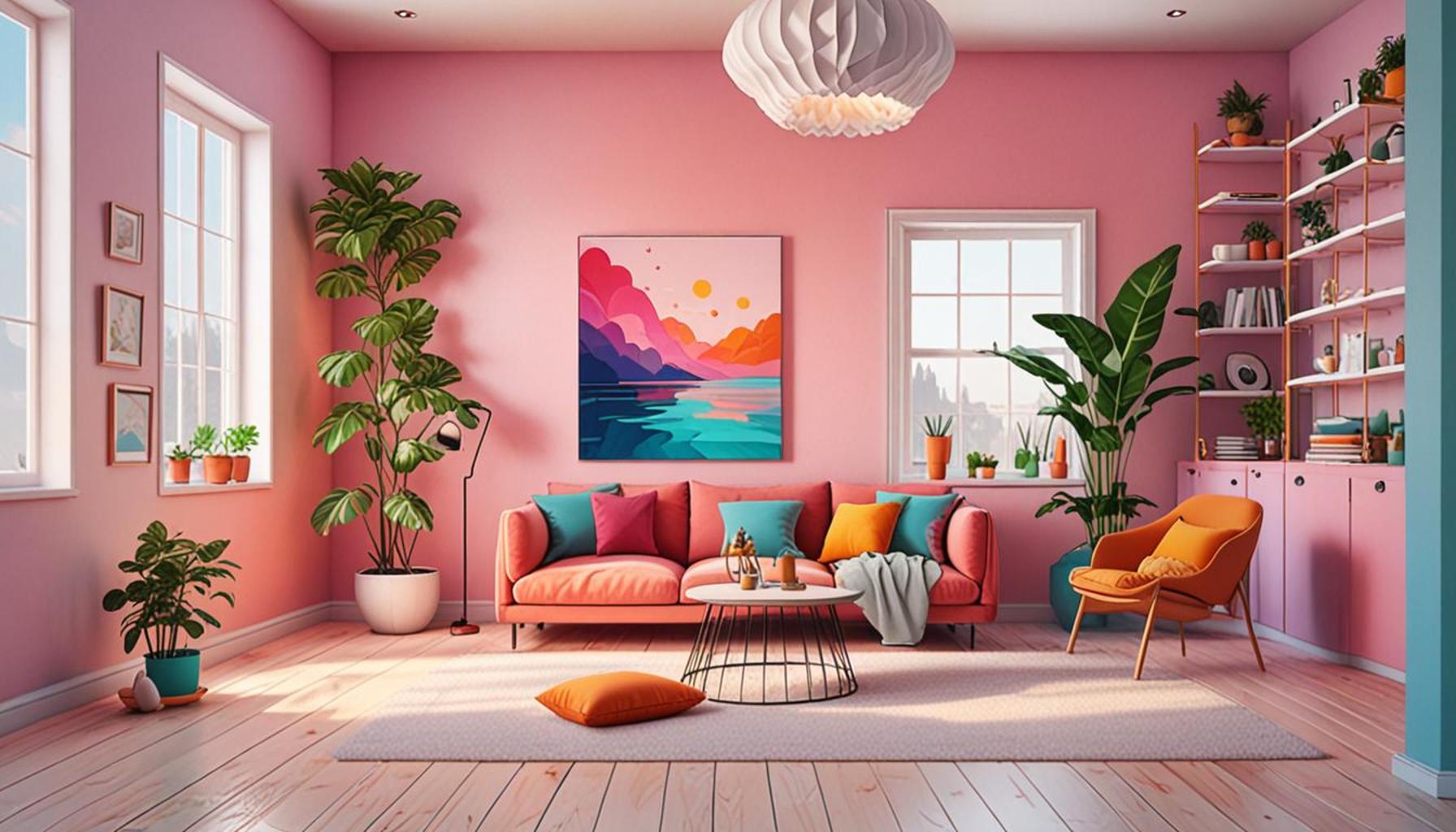
Minimalism and Self-Care: Creating Spaces and Routines that Nourish the Soul
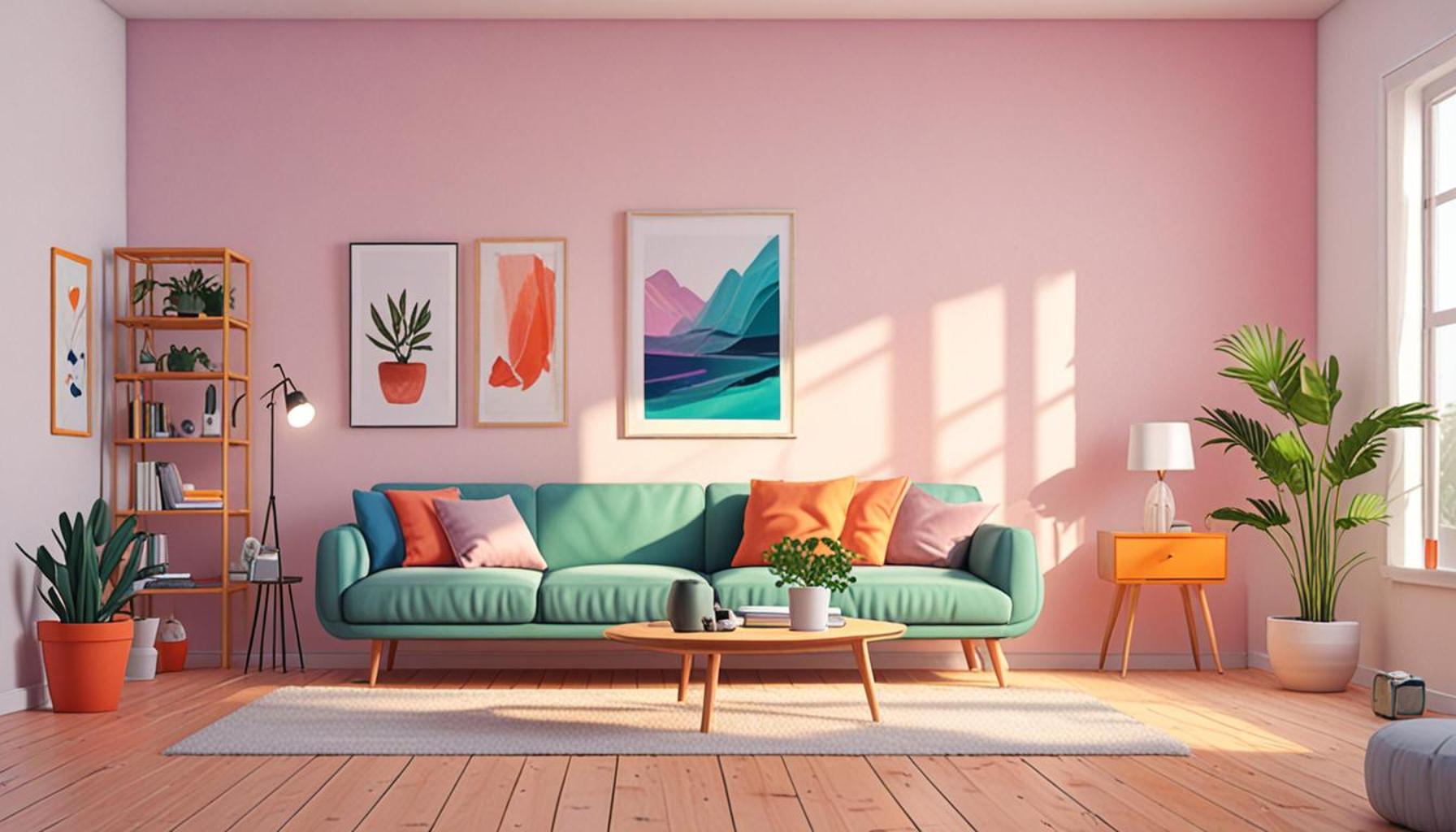
The Power of Minimalism in Self-Care
In an era characterized by constant connectivity and overwhelming choices, embracing a minimalist approach can provide a much-needed respite. By focusing on what is truly essential, we can foster a healthier mind and a more balanced life. Minimalism, encompassing both lifestyle choices and mental practices, encourages us to eliminate distractions and streamline our daily experiences. So, how can the concepts of minimalism and self-care be intertwined to improve our mental well-being?
One key element of this journey is decluttering. This is not merely about organizing your living space; it’s about creating a sanctuary that reflects your values and serves your needs. Studies suggest that our environments significantly influence our mood and productivity. When we remove items that no longer serve a function or bring joy, we simultaneously clear our minds. For example, consider donating clothes you haven’t worn in the past year; this act not only frees up space but also contributes to a sense of accomplishment and clarity.
Another aspect is intentional living. This involves critically assessing how we spend our time, ensuring it aligns with our core values and aspirations. Instead of scattering your energy across numerous activities that drain you, focus on a few that truly enrich your life. For instance, choosing to spend quality time with family over attending yet another social event can lead to more fulfilling relationships and emotional resilience. Setting boundaries around your commitments gives you the freedom to engage with life more meaningfully.
Mindful routines form another cornerstone of minimalism in self-care. By adopting simple daily practices—like morning meditation, a short walk, or journaling—you can anchor your day in calmness and clarity. These short moments of mindfulness can create space for reflection and gratitude, enhancing overall emotional well-being. Research has shown that regular mindfulness practice can reduce anxiety and improve mood, suggesting that even five minutes a day can yield significant benefits.
As you delve deeper into minimalism, you may encounter methods to further nourish your soul. For instance, creating a serene, plant-filled environment can amplify feelings of peace, while streamlining your routines can transform mundane tasks into enriching experiences. Remember, minimalism transcends physical aesthetics—it’s fundamentally about cultivating a lifestyle that prioritizes your well-being.
As you embark on this transformative journey, you will likely discern the profound connections between your surroundings and your emotional state. By adopting a minimalist approach to self-care, you open doors to enhanced clarity, focus, and ultimately, joy. Explore this intersection of simplicity and self-nourishment, and begin crafting spaces and practices that not only reflect who you are but also contribute to a healthier mind.
DISCOVER MORE: Click here to enhance your productivity
Embracing Decluttering for Mental Clarity
One of the most transformative steps towards a minimalist lifestyle is decluttering. This process extends beyond simply tidying up; it is a holistic approach aimed at redefining your environment to support a healthy state of mind. According to a study from the Princeton University Neuroscience Institute, clutter can significantly affect our ability to focus and process information. Therefore, taking a critical look at the items occupying your space becomes paramount. A clutter-free environment can lead to a clutter-free mind.
Start by assessing your possessions with a three-pronged approach:
- Utility: Does the item serve a purpose in your daily life?
- Joy: Does this object bring you happiness?
- Sentiment: Is the item infused with emotional significance you wish to preserve?
Once you categorize your belongings, decide what to keep and what to discard or donate. For instance, if your closet is overflowing, aim to remove pieces that no longer fit, are out of style, or simply haven’t been worn in the last year. This act of letting go can be liberating, as you make space for the things that truly matter, both physically and emotionally.
Another crucial aspect of minimalism in self-care is intentional living. Assess your daily activities and commitments to identify what aligns with your core values. Rather than saying yes to every obligation that comes your way, take a moment to evaluate the importance of each request. Are you attending social gatherings out of obligation, or committing to projects that do not inspire you? By curating your schedule to include only those activities that resonate with your personal goals and passions, you can cultivate a life brimming with purpose.
For example, if family time is a priority, consider blocking off time each week to engage in meaningful activities with loved ones—whether that’s a game night, a shared meal, or outdoor adventure. These intentional commitments often prove more rewarding than fleeting experiences that do not nurture your spirit.
Lastly, integrating mindful routines into your daily life can have a significant impact on your well-being. Routines centered around simplicity foster opportunities for reflection and self-care. Simple activities like
- Morning meditation: Start your day grounded and centered.
- Nature walks: Connect with the outdoors and your surroundings.
- Journaling: Reflect on your thoughts, feelings, and aspirations.
Engaging in these practices, even for just a few moments each day, creates a rhythm that nurtures emotional resilience. Research supports that consistent mindfulness can lead to a decrease in stress, increase focus, and improve overall mood. By prioritizing moments of calm in the chaos of everyday life, you begin to cultivate a nourishing environment for your soul.
As you explore minimalist approaches in creating spaces and routines, you may uncover new avenues for enriching your journey of self-care. The essence of minimalism lies in a deep understanding of your own needs, supporting a lifestyle that aligns with your values while promoting a sense of well-being.
Embracing Minimalism in Daily Routines
As we delve deeper into the philosophy of minimalism, it’s essential to understand its impact on our daily routines and self-care practices. A minimalist approach encourages us to simplify our environments and routines, creating spaces that act as sanctuaries for our well-being. By removing distractions and clutter, we can enhance our ability to focus on what truly matters—our mental health and emotional balance.
Creating Purposeful Spaces
The design of our living and working environments profoundly influences our state of mind. When we adopt a minimalist style, we can curate spaces that inspire calmness and clarity. This might include using a neutral color palette, embracing natural light, and selecting furniture or decorations that resonate with our personal values and aesthetics. Each item in a minimal space is chosen deliberately, providing a sense of purpose and belonging.
Routines that Foster Connection
Alongside physical spaces, our daily routines are pivotal to nurturing our souls. Incorporating rituals such as mindfulness meditation, journaling, or nature walks can enhance our sense of presence and self-awareness. These activities cultivate a connection to our inner selves and the world around us. Engaging in self-care practices through minimalism allows us to prioritize quality over quantity, ensuring every action taken is beneficial for our well-being.
The Mental Benefits of a Minimalist Lifestyle
Research supports the mental health benefits associated with adopting a minimalist lifestyle. Studies have shown that individuals who embrace minimalism often experience reduced anxiety and stress levels. This lifestyle encourages individuals to focus on mindfulness, helping them to appreciate the present moment. Moreover, a simplified life can lead to increased physical health by promoting a more active lifestyle and healthy habits.To summarize, embracing minimalism and self-care is about creating supportive environments and routines that nourish our souls, allowing us to thrive in today’s complex world. Explore how these practices can transform your daily life by leaning into simplicity and intentionality.
| Category 1 | Category 2 |
|---|---|
| Physical Environment | Decluttering enhances mental clarity. |
| Daily Routines | Mindful practices improve emotional resilience. |
By understanding and implementing these concepts, one can embark on a transformative journey toward simplicity and self-compassion.
DISCOVER MORE: Click here to delve deeper
Curating a Sanctuary: The Art of Space Design
After embracing decluttering and intentionally redesigning your daily commitments, the next powerful step in the journey of minimalism is curating your space. A well-designed environment can significantly influence your mood, productivity, and general well-being. By focusing on creating sanctuaries within your home, you not only elevate the aesthetics but also establish spaces that nourish your soul.
Start by considering the concept of zoning. This involves creating distinct areas within your home dedicated to specific activities, such as relaxation, creativity, or productivity. For instance, if you have a limited living space, find ways to visually and functionally differentiate these zones. Use furniture arrangement, rugs, or even color schemes to signify transitions from one area to another. A reading nook filled with pillows and soft lighting can serve as an inviting retreat, while a workspace can include a clean desk and inspiring artwork, fostering creativity and focus.
Natural elements can play a significant role in the effectiveness of your curated spaces. Incorporating biophilic design—a concept that emphasizes the connection between humans and nature—into your home can be profoundly beneficial. Studies have shown that exposure to plants and natural light enhances mood and reduces stress levels. Consider integrating plants that require minimal upkeep, such as succulents or snake plants, which can serve as both décor and air purifiers. Additionally, allow natural light to filter into your spaces as much as possible, enhancing the ambiance and promoting a sense of tranquility.
Your physical space is also greatly influenced by the color palette you choose. Gentle and muted tones tend to create calming atmospheres, while vibrant colors can energize your spirit. Experiment with wall colors, textiles, and décor to ensure that your environment reflects your personality and preferences. A well-thought-out color scheme works in tandem with your routines, making spaces where you unwind feel inherently more restful.
The Power of Rituals within Minimalism
In addition to curating your physical surroundings, integrating meaningful rituals into your daily routine enhances your self-care practice. Minimalism invites you to distill activities down to their essential value—exploring what truly nourishes you and contributes to your well-being. Simple acts can become rituals by assigning personal significance to them. For instance, savoring a cup of herbal tea each morning while watching the sunrise transforms a mundane action into a moment of gratitude and reflection.
Consider designing evening rituals that allow you to unwind and disconnect from the demands of daily life. This may involve practices such as stretching, lighting a candle, or practicing deep breathing exercises. By anchoring your evenings with meaningful habits, you create an environment conducive to relaxation and self-awareness, which can improve your sleeping patterns and overall mental clarity.
Exploring the overlap between self-care and minimalism leads to greater fulfillment as you align your actions with your values. As you implement these changes in your spaces and routines, you’ll discover that the practice of minimalism is less about deprivation and more about intentionality—curating the life you desire through conscious choices. This transformative process redefines self-care as not only a luxury but a necessary aspect of maintaining a healthy balance in life.
DIVE DEEPER: Click here to uncover more insights</
Embracing Minimalism for a Nourished Soul
In a world often dominated by excess, the fusion of minimalism and self-care provides a refreshing pathway toward inner peace and fulfillment. As we delve into the principles of intentional living, it becomes clear that curating our environments and routines is not just an aesthetic pursuit, but a profound act of self-love. By creating spaces that promote tranquility and joy, we actively cultivate a sanctuary for our minds and souls.
The significance of zoning our living areas into functional sanctuaries cannot be overstated. Each dedicated space becomes a foundation for nurturing, whether it’s a tranquil reading nook or a vibrant workspace. Coupled with the integration of natural elements and a soothing color palette, these spaces can elevate our day-to-day experiences significantly. This intentional design transports the concept of home from mere shelter to a haven of well-being.
Moreover, establishing meaningful rituals transforms our routines, encouraging mindful moments amidst life’s chaos. Simple practices, whether it’s enjoying a morning tea or winding down with soothing sounds, create anchors for reflection and gratitude. These rituals echo the essence of minimalism—discerning what truly nourishes our hearts and aligns with our values.
Ultimately, embracing minimalism is about striking a balance between physical possessions and mental clarity. By shedding the unneeded and focusing on what uplifts us, we not only enhance our environments but enrich our lives. The journey of minimalism and self-care, therefore, is not merely about limiting ourselves; it is about celebrating intentional choices that nourish the soul, bringing forth a life of purpose, clarity, and wellness.