Layered Organization: The Art of Using Boxes and Dividers to Maximize Storage
In a world where space often comes at a premium, mastering the art of storage is essential. The concept of layered organization has gained traction among homeowners and professional organizers alike, offering a strategic approach to maximizing every inch of available area. Whether you’re tackling a cluttered garage, a crowded closet, or a busy office, understanding how to utilize boxes and dividers effectively can transform chaos into order.
Why Layered Organization Matters
The benefits of adopting a layered organization strategy are numerous:
- Efficiency: Streamlined access to items not only saves time but also reduces stress. When everything is in its place, locating a tool in a garage or a shoe in your closet can happen in seconds instead of minutes.
- Visual Appeal: Organized spaces can enhance the aesthetic of your home, making it more inviting and pleasant. A well-organized kitchen with neatly stacked dishes and uniformly stored pantry items not only feels relaxing but can also inspire creativity in cooking.
- Maximized Space: Proper use of boxes and dividers makes full use of both vertical and horizontal spaces. For instance, utilizing stackable bins allows you to create additional storage in previously unused areas, such as the tops of cabinets or under the bed.
Essential Tools for Success
To effectively implement layered organization, consider incorporating the following tools into your strategy:
- Clear Containers: These containers make it easy to see contents at a glance, eliminating the time spent rummaging through opaque bins. For example, clear bins for office supplies—like pens, paperclips, and sticky notes—allow for quick identification and access.
- Drawer Dividers: Perfect for keeping small items neatly sorted, dividers can be used in kitchen drawers to separate utensils or office drawers to organize paperwork. With everything compartmentalized, it becomes more straightforward to maintain order.
- Labeling Systems: Labels help identify and locate items quickly, ensuring lasting organization. Employing a labeling method in your garage or closet can provide clarity—especially when you have multiple containers holding similar items.
As you delve deeper into the art of layered organization, prepare to uncover innovative techniques that will redefine your storage solutions. For instance, consider creating a seasonal storage strategy where items are rotated based on your immediate needs, such as holiday decorations or summer gear. With a bit of planning and the right tools, you can craft an organized environment that enhances your daily life.
Embark on a journey where practicality meets creativity and discover how to maximize your spaces effectively. The art of layered organization not only brings tangible benefits but also fosters a mindset of efficiency and harmony in your living or working environment.
DISCOVER MORE: Click here to learn how simplicity can improve your life
Implementing the Principles of Layered Organization
Once you recognize the need for layered organization in your space, the next step is to establish a solid groundwork. Begin by assessing your current storage challenges and identifying key areas where boxes and dividers can be utilized effectively. This initial evaluation will set the stage for an organized environment that not only looks good but operates efficiently.
To successfully transform your cluttered spaces, consider the following practical steps:
- Declutter First: Before introducing boxes and dividers, it’s crucial to eliminate items you no longer need. Conduct a thorough review of your belongings, and sort them into categories: keep, donate, and discard. This decluttering process will not only streamline your storage efforts but also provide a clearer understanding of the space you have to work with.
- Assess Your Storage Needs: Evaluate what types of items you need to store. Analyze the size, shape, and frequency of use for each category. For example, if you find that certain seasonal clothing only gets worn a few times a year, you may want to reserve space in a less accessible area, such as up high on a closet shelf.
- Choose the Right Types of Boxes: When selecting storage boxes, think about material and functionality. From durable plastic bins that can withstand moisture in garages to elegant fabric boxes ideal for living rooms, choose options that complement both your storage needs and the aesthetic of your home. Stackable boxes are a fantastic choice for optimizing vertical space.
- Strategic Placement of Dividers: Utilize dividers in drawers or boxes to categorize smaller items and keep them from becoming jumbled. For instance, a kitchen drawer equipped with dividers can separate utensils from small gadgets, ensuring that everything has its designated spot. This not only saves time when searching for items but also helps maintain the organization over time.
The key to layered organization lies in balancing accessibility with efficient storage. Once you’ve sorted and chosen your storage tools, consider creating zones within your space. Group similar items together—designate a section for crafting supplies, a corner for seasonal decorations, or a designated “office” area for all paperwork and office essentials. Such zoning helps to maintain an organized system where you can easily retrieve what you need without digging through stacks of unrelated items.
In addition, it’s beneficial to periodically reassess your organizational system. Life changes can lead to an influx of new items or shifting needs, and your storage solutions may require adjustment. Aim to refine your layered organization approach every six months to a year, ensuring that your space remains functional and welcoming.
By implementing these fundamental principles, you will create a harmonious environment in which boxes and dividers play an instrumental role in maximizing storage. This careful selection and placement of organizational tools lead not only to a more pleasant atmosphere but also to increased productivity, as you spend less time searching for items and more time enjoying your organized space.
Layered Organization Techniques for Every Space
Implementing the principles of layered organization can transform any space, be it a small apartment, a large home, or even an office. The smart use of boxes and dividers not only maximizes storage but also enhances accessibility, enabling you to find items quickly and easily. Here are some practical examples of how to harness these organizational strategies effectively:
- Kitchen Cabinets: Using tiered racks and small boxes to categorize spices, baking essentials, and cooking utensils can prevent chaos. Each box serves as a compartment, making it easy to locate items without rummaging through everything.
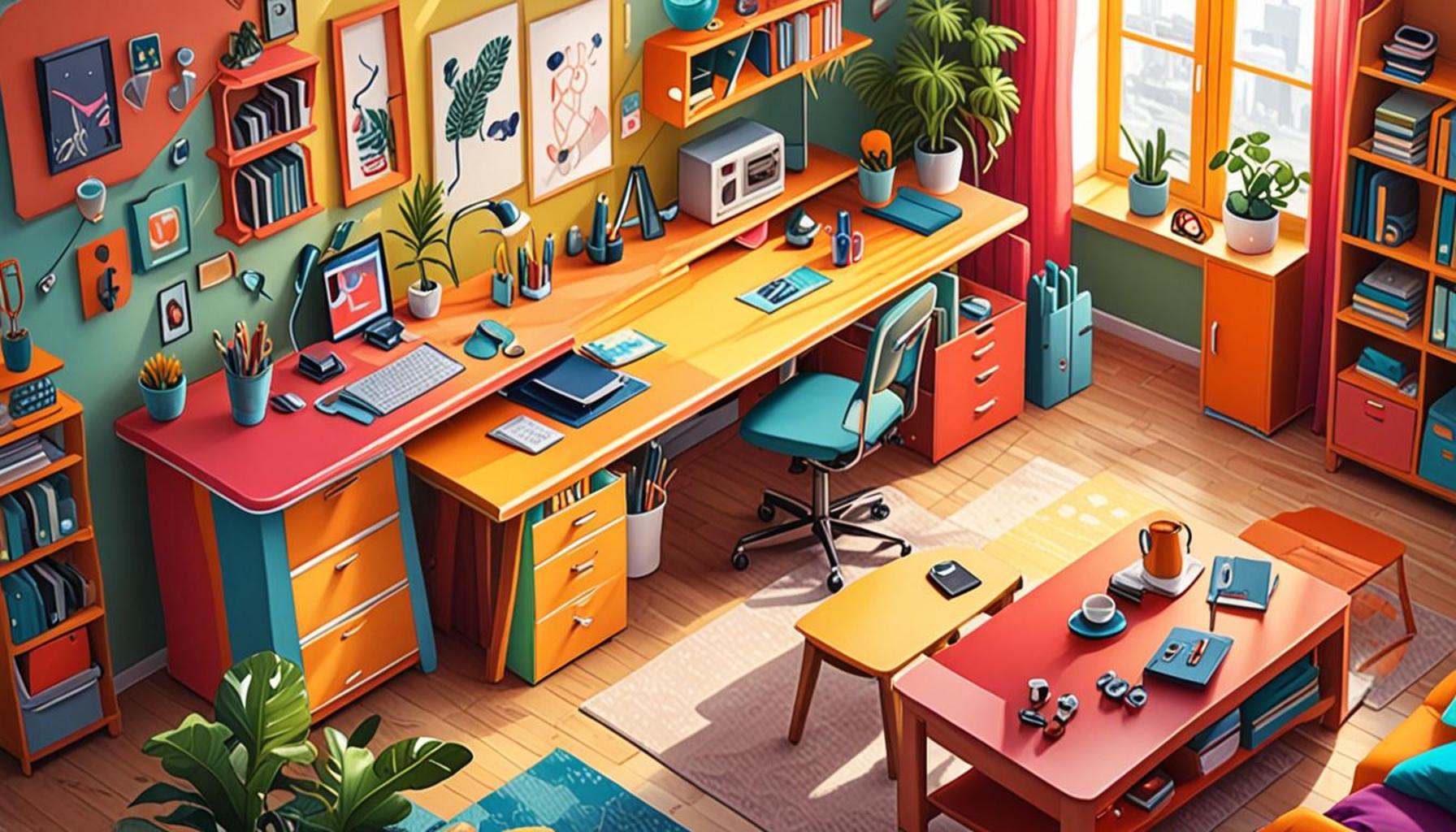
- Home Offices: Incorporate desktop organizers that utilize dividers to separate documents, stationery, and tech accessories. This approach maintains a clutter-free environment that fosters productivity.
- Closets: Invest in stackable bins to separate various clothing types. This method not only saves space but also keeps seasonal items neatly stored away, ready for use when needed.
- Children’s Rooms: Clearly label boxes for toys, books, and art supplies. Utilizing colorful boxes encourages kids to participate in the cleanup, instilling good organizational habits early on.
By implementing these layered organization techniques, you can achieve a harmonious balance within your spaces, ultimately leading to greater satisfaction and efficiency in your daily activities.
| Category | Overview |
|---|---|
| Kitchen Organization | Utilizes boxes and dividers for easy access to kitchen items. |
| Workspace Efficiency | Reduces clutter and enhances focus through separated storage. |
DISCOVER MORE: Click here to boost your productivity
Maximize Your Space: Creative Strategies for Implementation
Having established the foundational steps for layered organization, it’s time to dive deeper into specific strategies that not only enhance the aesthetic appeal of your spaces but also optimize functionality. Using boxes and dividers creatively can elevate your organizational game, allowing for easy access to your belongings and a fluid balance in your living or working environment.
Visual Appeal Through Transparency: When selecting storage containers, consider utilizing clear storage boxes. These boxes allow you to easily see what’s inside without opening each one. This not only saves time but also encourages a tidy appearance. Use labels on these boxes to categorize contents, whether for seasonal decor, hobby supplies, or office documents. According to a study by the National Association of Professional Organizers, a well-organized space can increase productivity by up to 30%.
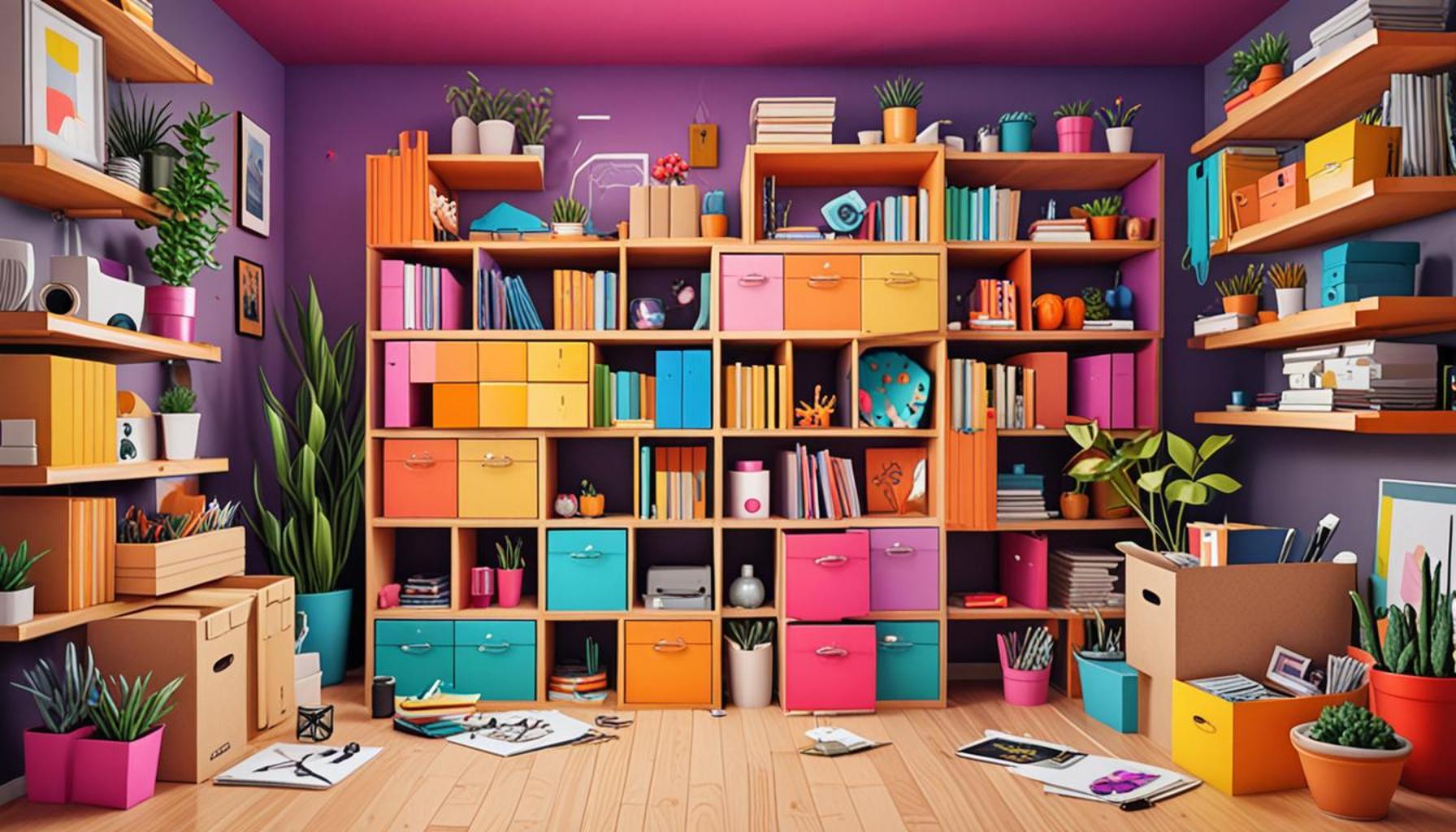
Leverage Vertical Space: One of the most underutilized aspects of organization is the vertical space in our homes. Consider wall-mounted boxes or shelving systems created with boxes that fit snugly. This approach encourages the use of lifting and stacking, making items more accessible while taking advantage of height. Install floating shelves in the living room to display decorative boxes filled with remote controls or chargers. As a bonus, these wall systems keep surfaces clear, providing both beauty and functionality.
Utilizing Drawer Dividers: In kitchens, the strategic use of drawer dividers can motivate you to cook more often, as organized utensils and gadgets are easy to grab. You might implement adjustable dividers for a custom fit, tailoring the space to accommodate varying sizes of utensils, cutlery, and more. Additionally, consider dividers with compartments for specialty items like spice packets or grilling tools, giving you quick access when ready to cook.
Box Innovations: Look to innovative box designs that cater specifically to your lifestyle. For example, consider nesting boxes that can be stacked within each other when not in use, saving space. Pet owners might find canine or feline-themed baskets or bins that double as decor while keeping pet supplies hidden. In your home office, use file boxes that resemble attractive decor to maintain a professional appearance while efficiently storing documents.
Labeling Beyond the Obvious: Effective labeling goes beyond identifying box contents. Think creatively about labels; consider color-coding by category or using icons for quick visual recognition. Research shows that visually distinctive storage aids memory retention, meaning that eye-catching labels can assist both you and family members in identifying items swiftly. When labels are engaging, they not only pinpoint contents but can also make the organization process fun.
Multi-Functional Furniture: Transformational furniture pieces can also play a major role in layered organization. Consider ottomans or coffee tables with hidden storage compartments. These pieces enable you to keep items like blankets or books tucked away while maintaining a chic living area. Such dual-purpose furniture is prevalent in modern design trends, marrying aesthetics with functionality seamlessly.
These creative strategies for utilizing boxes and dividers demonstrate that layered organization is not just about practicality but also about embracing a style that reflects your personal preferences. In doing so, you can create a space that is not only organized but also inspiring and engaging, making every area of your home a pleasure to navigate.
DISCOVER MORE: Click here to learn about the future of mindful consumption
Conclusion: Embrace the Power of Layered Organization
In conclusion, layered organization through the skillful use of boxes and dividers emerges as a transformative approach to maximizing storage in both homes and workplaces. This technique not only yields remarkable efficiency but also enhances the overall aesthetic of your environment. By integrating creative storage solutions, such as transparent containers and customizable dividers, you can easily streamline your space, making it visually appealing while maintaining functionality.
Moreover, exploring multi-functional furniture and innovative box designs allows you to adapt your storage solutions to your lifestyle, ensuring that every item is accessible and neatly tucked away. The incorporation of thoughtful labeling further enhances your organizational efforts, creating a more efficient system that encourages productivity and reduces time wasted searching for items. The versatility of layered organization means that it can be tailored to fit any space, making it a valuable tool for maximizing every square inch, particularly in smaller areas.
As you embark on your journey to create an organized oasis, remember that layered organization is not merely about tidiness; it reflects an intentional design that aligns with your personal aesthetics. Take the principles outlined in this article and adapt them to suit your unique needs. With mindful implementation, you can turn cluttered spaces into inspiring environments that invigorate your daily life. Dive into the art of using boxes and dividers, and discover how personalized organization becomes an essential part of your lifestyle.