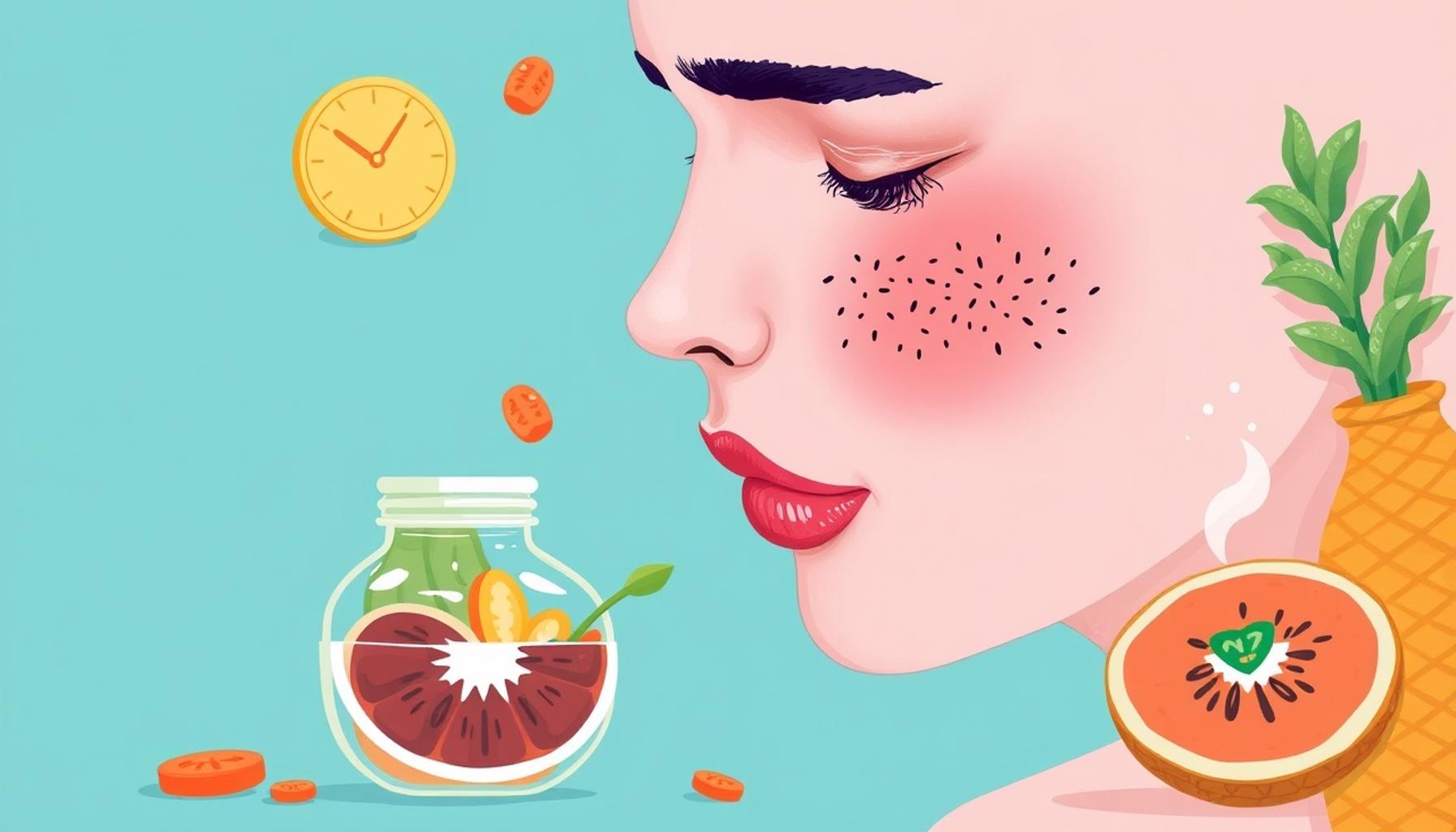
How Diet Affects Acne: Foods that Help and Harm
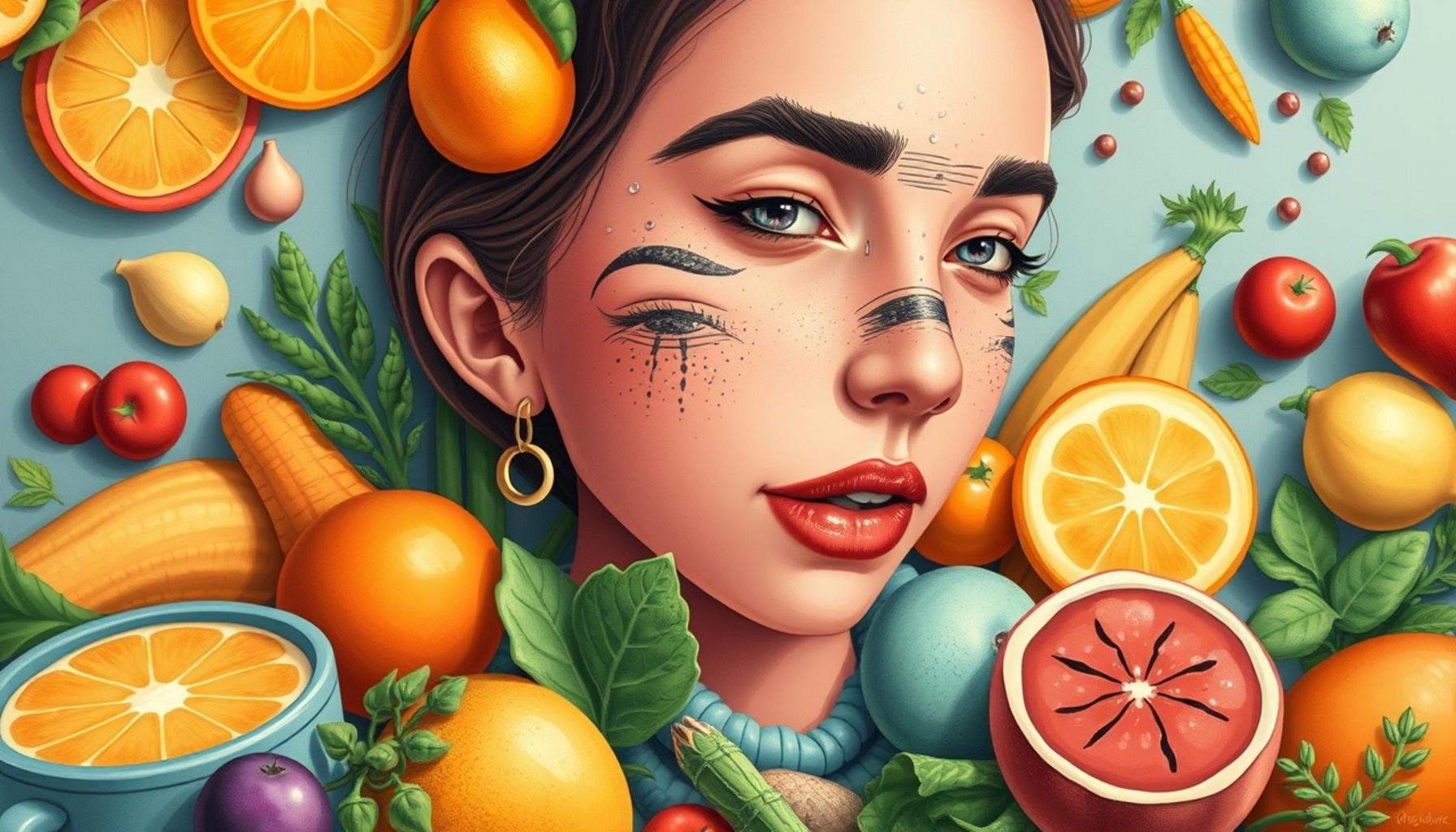
The Dietary Influence on Acne: A Closer Look
Acne is not only a cosmetic issue but also a pressing concern for many individuals. Affecting both teenagers and adults alike, it often leads to emotional distress and diminished self-esteem. While it is widely acknowledged that hormonal fluctuations, genetics, and stress can contribute to acne outbreaks, emerging research highlights the undeniable influence of diet on skin health. The connection between the foods we consume and the condition of our skin is intricate and deserving of in-depth exploration.
Studies have demonstrated that certain types of food can significantly impact acne symptoms. For instance, high glycemic index (GI) foods—such as white bread, sugary cereals, and sodas—have been linked to increased acne severity. These foods cause rapid spikes in blood sugar, prompting the body to produce more insulin. Elevated insulin levels can lead to increased oil production and, consequently, clogged pores. Additionally, a diet high in dairy products, particularly skim milk, has been associated with higher rates of acne in some studies. The hormones present in dairy may trigger inflammatory responses, exacerbating skin issues for those sensitive to them.
On the positive side, certain foods are noted for their potential acne-fighting properties. Foods rich in omega-3 fatty acids, such as salmon, walnuts, and flaxseeds, may help reduce inflammation and improve skin health. Research suggests that omega-3s can lower the production of inflammatory cytokines, which are involved in acne development. Additionally, antioxidants found in fruits and vegetables—like berries, spinach, and artichokes—also play a protective role by combating oxidative stress and inflammation. Whole grains, packed with fiber and nutrients, can help regulate blood sugar levels, potentially mitigating the risk of insulin spikes that contribute to acne flare-ups.
If you are keen on improving your skin’s appearance, it might be worthwhile to analyze your personal dietary habits. Consider keeping a food diary to track what you consume and note any relationship between your diet and the condition of your skin. This heightened awareness can empower you to make informed dietary choices that might lead to clearer skin over time.
In this article, we will further dissect the categories of foods that either aid or hinder skin clarity. From scientific insights to practical dietary recommendations, we aim to elevate your understanding of how nutrition can serve as a powerful ally in the quest for healthy, vibrant skin. With a nuanced perspective on the foods you eat, you may discover innovative strategies to enhance not only your complexion but also your overall well-being.
DIVE DEEPER: Click here to learn about eco-friendly sunscreen alternatives
Identifying the Culprits: Harmful Foods for Acne
Understanding how diet influences acne involves recognizing specific foods that can aggravate this common skin condition. Among these, high glycemic index (GI) foods emerge as significant offenders. Typically, these include processed carbohydrates and sugar-laden snacks that rapidly elevate blood sugar levels. Now, one might wonder how this process influences acne. When you consume such foods, your body responds by releasing insulin to manage the high blood sugar. Elevated insulin levels can lead to increased oil production in the skin, which can subsequently clog pores and foster the perfect environment for acne-causing bacteria.
Some common high GI foods include:
- White bread and pastries
- Sweetened beverages like sodas and energy drinks
- Chips and crackers
- Breakfast cereals with high sugar content
Additionally, dairy products play a controversial role in acne. Research has indicated that individuals who consume higher quantities of dairy, especially skim milk, may experience more frequent breakouts. The debate around dairy stems from the hormones and growth factors present in milk, which may trigger inflammatory responses in some individuals. Although the evidence is not conclusive for everyone, those who notice a correlation between dairy intake and skin flare-ups may consider reducing their consumption.
Moreover, it is essential to address the impact of fatty and processed foods. A diet high in trans fats and saturated fats, often found in fried foods and fast-food items, can exacerbate inflammation in the body. This inflammation not only affects overall health but may also lead to worsening acne symptoms. It is advisable for individuals prone to breakouts to limit their intake of these foods, opting instead for healthier cooking methods, such as grilling or baking, that use heart-healthy oils like olive oil.
On the flip side, awareness of food allergies or intolerances can play a crucial role in managing acne. Some people may be sensitive to gluten or specific additives often found in processed foods. Keeping a meticulous food diary may assist in unearthing these hidden triggers. By making informed choices about what to eat, individuals can potentially decrease both the frequency and severity of their acne episodes.
As we navigate through the problematic dietary habits that can lead to acne flare-ups, it’s equally important to explore the foods that can help clear skin and promote a healthier complexion. The next section of our discussion will delve into these beneficial food choices that may serve as allies in the battle against acne.
As we delve deeper into the intricate relationship between diet and acne, it’s essential to highlight specific foods that have been shown to either exacerbate or alleviate skin conditions. Studies indicate that certain dietary patterns can significantly influence inflammation in the body, thus impacting acne severity.One group of foods frequently associated with acne worsening includes high-glycemic-index carbohydrates. These items, such as white bread, sugary snacks, and processed cereals, lead to rapid spikes in blood sugar, triggering an increase in insulin levels. This hormonal swing can stimulate sebum production and encourage the proliferation of acne-causing bacteria. Furthermore, the dairy category is often scrutinized as well; some research has suggested a link between milk products, particularly skim milk, and acne prevalence. The reasons are thought to lie in hormones present in milk, which may contribute to breakouts.Conversely, there exists a plethora of foods known to be beneficial for skin health. For example, fatty fish rich in omega-3 fatty acids, such as salmon and sardines, are heralded for their anti-inflammatory properties. These healthy fats can help soothe the skin and reduce the severity of acne. Similarly, whole grains, fruits, and vegetables pack antioxidants and fibers that support good skin health, reducing inflammation and promoting stable blood sugar levels.Moreover, certain vitamins and minerals play crucial roles in maintaining skin integrity. For instance, vitamin A found in bright orange and green vegetables is essential for skin repair and renewal. Zinc, another vital mineral, has shown promise in reducing acne lesions due to its anti-inflammatory effects.Understanding how these specific foods impact skin health can empower individuals to make more informed dietary choices. By incorporating more skin-friendly foods into their daily meals, one can pave the way for a clearer complexion and overall improved health. Given the interconnection between diet and acne, exploring this subject further may unveil personalized strategies for better skin health and nutrition. For a clearer view of how various foods interact with acne, refer to the following table encapsulating their effects.
| Food Category | Impact on Acne |
|---|---|
| High-Glycemic Foods | May worsen acne due to insulin spikes. |
| Fatty Fish | Rich in omega-3s, reduces inflammation. |
Examining these connections helps paint a fuller picture of how our diet plays a pivotal role in skin health, opening the door to further exploration of nutrition’s influence on acne and overall wellness.
DISCOVER MORE: Click here to learn about the latest beauty technology
Foods that Promote Clear Skin: Allies in the Fight Against Acne
As we transition from the culprit foods that can exacerbate acne, it’s equally crucial to highlight those that may aid in achieving clearer skin. Research and anecdotal evidence suggest that certain nutrient-rich foods can help reduce inflammation, regulate hormones, and improve overall skin health, providing a more holistic approach to acne management.
One of the most celebrated groups of foods for skin health is fruits and vegetables. These nutrient powerhouses are laden with vitamins, minerals, and antioxidants that help combat free radicals, which can cause cellular damage and exacerbate skin issues.
- Berries such as blueberries, strawberries, and raspberries are high in antioxidants, specifically vitamin C, which is essential for the body’s repair processes and can help diminish acne scars over time.
- Leafy greens like spinach and kale are rich in vitamins A and E, both of which are known for their anti-inflammatory properties. These nutrients support skin health by helping maintain cell turnover and reducing the risk of clogged pores.
- Sweet potatoes and other orange and yellow vegetables are abundant in beta-carotene. This antioxidant can help protect the skin from sun damage and is converted into vitamin A in the body, promoting healthy skin cell production.
In addition to fruits and vegetables, omega-3 fatty acids have been widely studied for their anti-inflammatory effects, making them beneficial for individuals dealing with acne. Fatty fish, such as salmon and mackerel, are excellent sources of these healthy fats. Not only do they help mitigate inflammation, but they also assist in maintaining skin hydration and elasticity.
Furthermore, whole grains present an excellent alternative to processed carbohydrates. Foods like oatmeal, quinoa, and brown rice have a low glycemic index, helping to maintain steady blood sugar levels and preventing the subsequent insulin spikes associated with high-GI foods. These grains are also a great source of fiber, which aids in detoxification and can contribute to clearer skin.
Moreover, probiotics are increasingly gaining attention for their role in gut health and, consequently, skin health. Foods like yogurt, kefir, and kimchi can help balance gut flora, which may reduce inflammation not just in the gut but throughout the body, including the skin. Studies suggest a strong gut-skin connection, hinting that improving digestive health may lead to fewer breakouts.
Finally, let’s not overlook the importance of hydration in maintaining skin health. Drinking an adequate amount of water can help keep the skin moisturized and flush out toxins, reducing the likelihood of acne formation. Herbal teas and infusions can also provide additional antioxidants and anti-inflammatory compounds, further supporting the skin.
In summary, while culprits like high-glycemic foods and dairy can worsen acne, a well-balanced diet inclusive of fruits, vegetables, healthy fats, whole grains, and probiotics may serve as valuable allies in promoting clear skin. By being mindful of food choices, individuals may significantly influence their skin’s health and appearance.
DISCOVER MORE: Click here to learn about natural ingredients
Conclusion: Navigating the Dietary Path to Clearer Skin
Understanding the relationship between diet and acne is a vital step in achieving healthier skin. While certain foods can exacerbate acne, it’s important to recognize those that can foster a clearer complexion. As discussed, a diet rich in fruits, vegetables, healthy fats, whole grains, and probiotics plays a significant role in mitigating inflammation and promoting skin vitality.
By integrating nutrient-dense foods like omega-3-rich fish and antioxidant-packed berries into your daily meals, you can support your skin’s natural defenses while minimizing the chances of breakouts. On the other hand, avoiding high-glycemic foods and excessive dairy intake can further reduce potential aggravators of acne.
Moreover, the gut-skin connection is an emerging area of research that underscores the importance of digestive health in maintaining skin integrity. As science continues to reveal the intricate links between the foods we consume and our skin’s health, it becomes increasingly clear that adopting a holistic approach can yield positive results.
Ultimately, it’s essential for individuals to listen to their bodies, experiment with different dietary strategies, and consult with healthcare professionals when necessary. By navigating your food choices with an informed perspective, you not only empower yourself in the fight against acne but also cultivate a lifestyle that contributes to overall well-being. As you embark on this journey, remember that small, consistent changes can lead to significant improvements in your skin’s appearance and health.