Flexible Spaces: Designing Environments that Adapt to Everyday Needs
The Evolution of Our Living and Working Environments
As our lifestyles transform, so too must the environments we inhabit. With the increasing demand for spaces that can adapt to a variety of functions, the idea of flexible spaces has gained immense traction. These areas are crafted not only for utility but also for enhancing individual experiences, facilitating a harmonious integration of work, leisure, and relaxation.
Key Features of Flexible Spaces
To fully understand the potential of flexible spaces, it’s essential to explore the pivotal features that characterize them:
- Modular Furniture: This type of furniture is designed for easy rearrangement, allowing users to create multiple configurations that cater to different needs. For example, a sofa that can be transformed into separate seating areas or a coffee table that doubles as a workspace illustrates the versatility that modular pieces bring to a room.
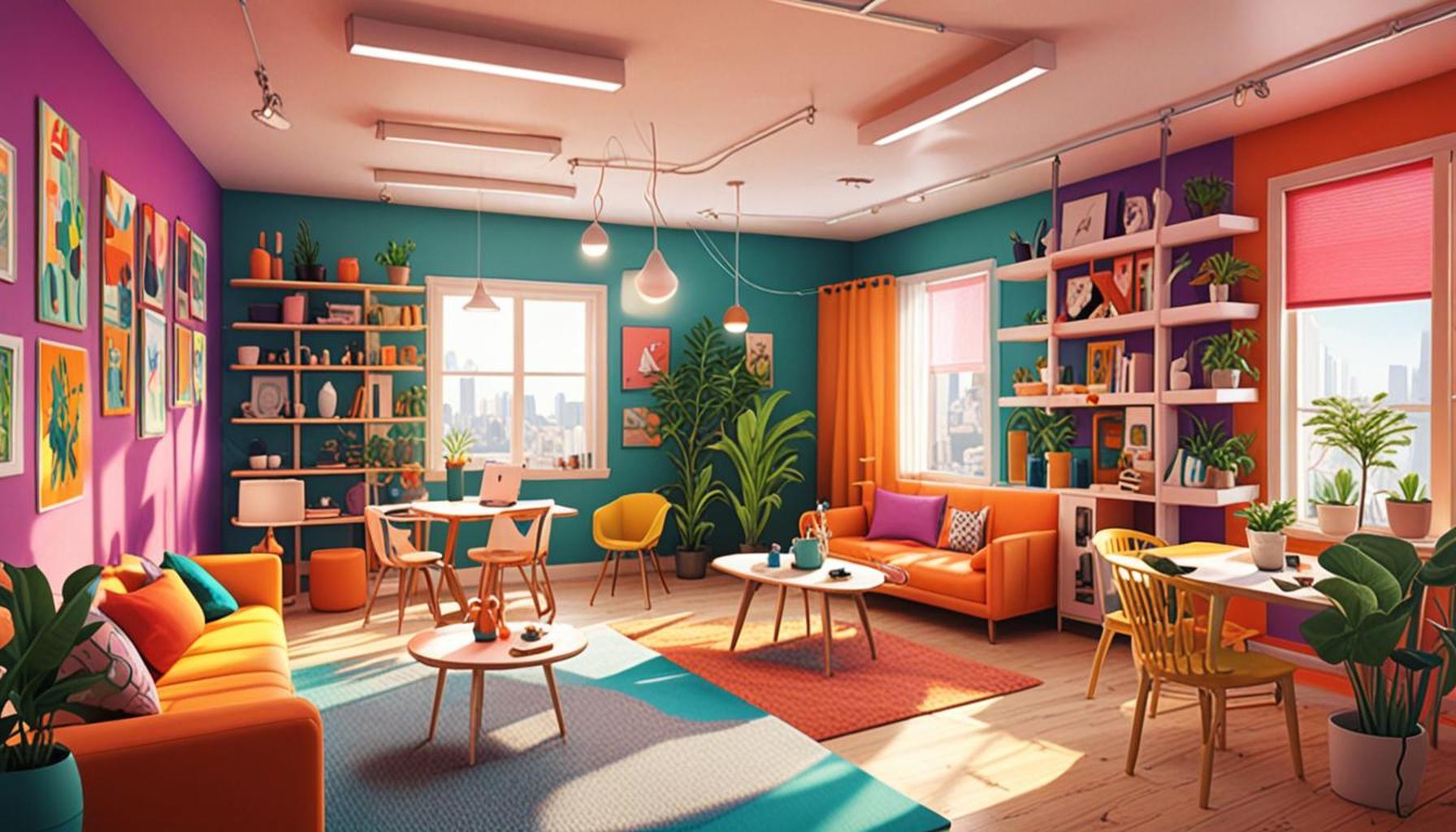
- Multi-Purpose Areas: Flexible spaces may incorporate zones that serve various functions. These can range from an active area for physical exercise to a quiet zone for focused work. In many American homes, the traditional living room has evolved into a multifunctional space where family members can entertain guests, work on projects, and even practice yoga.
- Adaptive Lighting: With advancements in technology, smart lighting systems have become essential elements of flexible space design. These systems can automatically adjust the brightness and hue to suit different activities, whether it’s creating a warm glow for movie nights or bright, cool light for early morning work sessions.
Why Flexible Spaces Matter
Flexible spaces are invaluable for a wide range of users. Families with children can create safe play zones that can easily be reconfigured for adult gatherings, while remote workers benefit from dedicated quiet spaces that enhance productivity. In urban settings across the United States, where every square foot counts, the design of flexible spaces facilitates efficient living, helping to accommodate growing populations and evolving lifestyle demands.
The concept also highlights how architectural and interior designs can align with modern trends. For instance, the rise in remote work during the pandemic prompted many individuals to rethink how they utilize their homes. Studies show that individuals working from home report higher productivity levels when they have a defined workspace that is distinct yet integrated into the living environment.
In conclusion, delving into the core elements of flexible space design reveals innovative solutions that cater to our ever-changing needs. By embracing these principles, we can create environments that not only serve immediate purposes but also adapt and evolve, enriching our daily lives. Join us as we investigate these transformative spaces further, exploring the principles and practices that will shape future living and working environments.
DISCOVER MORE: Click here to learn how to create an optimal study space
The Impact of Flexible Spaces on Lifestyle and Productivity
As we peel back the layers of flexible spaces, it’s important to consider the broader implications they hold for our lifestyles and productivity. In a world defined by rapid change and increasing complexity, the necessity for adaptable environments has never been clearer. This shift in how we interact with our spaces can notably enhance our day-to-day experiences, improving not only efficiency but also overall well-being.
Cognitive Benefits of Flexible Space Design
Research suggests that environments designed for adaptability can lead to improved cognitive function. Incorporating flexible spaces in work and home settings helps to reduce mental clutter and enhance focus. Specifically, the ability to transition from work mode to relaxation mode within the same environment allows individuals to mentally separate tasks, which is crucial for maintaining productivity and creativity.
Moreover, flexible spaces can cater to the diverse needs of users. For instance, during the day, a dining room can function as a bustling workspace, replete with technology for video conferences, while in the evening, it can seamlessly transform into an intimate dinner setting. This transition is not only functional but creates a sense of comfort and ownership over one’s living space.
Trends Shaping Flexible Space Design
The rise of co-working spaces reflects a broader trend towards flexibility in professional environments. These shared spaces encourage collaboration and innovation, moving away from the traditional cubicle setup. Professional environments across the U.S. are adopting features that include:
- Open Floor Plans: Promoting interaction among team members by reducing barriers and creating fluid movement between different work zones.
- Breakout Areas: Small, designated sections set aside for informal meetings or brainstorming sessions, enhancing the spirit of collaboration.
- Technology Integration: Equipped with charging stations, smartboards, and telepresence tools, these spaces keep pace with the demands of modern work.
As cities evolve, this push for flexible designs also extends into residential spaces. Architects and designers are increasingly focusing on layouts that prioritize transformable functionalities—offering solutions such as foldable walls, kitchen islands that convert into dining tables, and guest rooms that can be hidden away when not in use. This emphasis on innovation ensures homes can adapt to the changing dynamics of family life, accommodating everything from remote learning to home entertainment seamlessly.
In essence, the exploration of flexible spaces reveals a landscape rich with opportunities for improved productivity and lifestyle satisfaction. By understanding and implementing key elements of flexible design, we can harness the power of our environments to support our ever-evolving needs. As we delve deeper into this fascinating concept, it becomes clear that flexible spaces are not merely a trend but a foundational element of modern living and working.
| Advantages | Description |
|---|---|
| Adaptability | Flexible spaces can be easily reconfigured to serve different purposes, enhancing functionality and user experience. |
| Sustainability | Environmentally-friendly designs reduce material waste and energy consumption, promoting sustainable living. |
In today’s fast-paced world, the need for versatile environments has never been greater. Flexible spaces are designed to adapt seamlessly to the varying needs of daily life, which can range from home offices to family gathering areas. These adaptable spaces foster a sense of community and connectivity, facilitating collaboration among family and friends. Furthermore, the importance of sustainability cannot be overlooked; designs that prioritize eco-friendliness lead to reduced environmental impact. Achieving such flexibility and sustainability ties into larger principles of modern architecture, making them essential for any forward-thinking design approach. By exploring the innovations in this field, readers can discover effective strategies for creating adaptable spaces that not only meet current needs but also anticipate future challenges.
DISCOVER MORE: Click here to learn about the journey of letting go</p
Embracing Sustainability in Flexible Space Design
As we explore the multifaceted aspects of flexible spaces, an essential element comes to the forefront: sustainability. Today’s designers and architects are increasingly weaving eco-friendly principles into the fabric of adaptable environments, recognizing that the ability to modify spaces not only benefits users but also the planet. This commitment to sustainability aligns with the growing demand for greener living and work spaces, making it an integral component of modern design.
Eco-Friendly Material Choices
The selection of materials plays a critical role in the sustainability of flexible spaces. Designers are now turning to recycled and renewable materials, such as reclaimed wood, recycled metals, and bamboo, which minimize the environmental impact. These materials are not only durable but also lend a unique aesthetic character to the space, showcasing a commitment to responsible consumption.
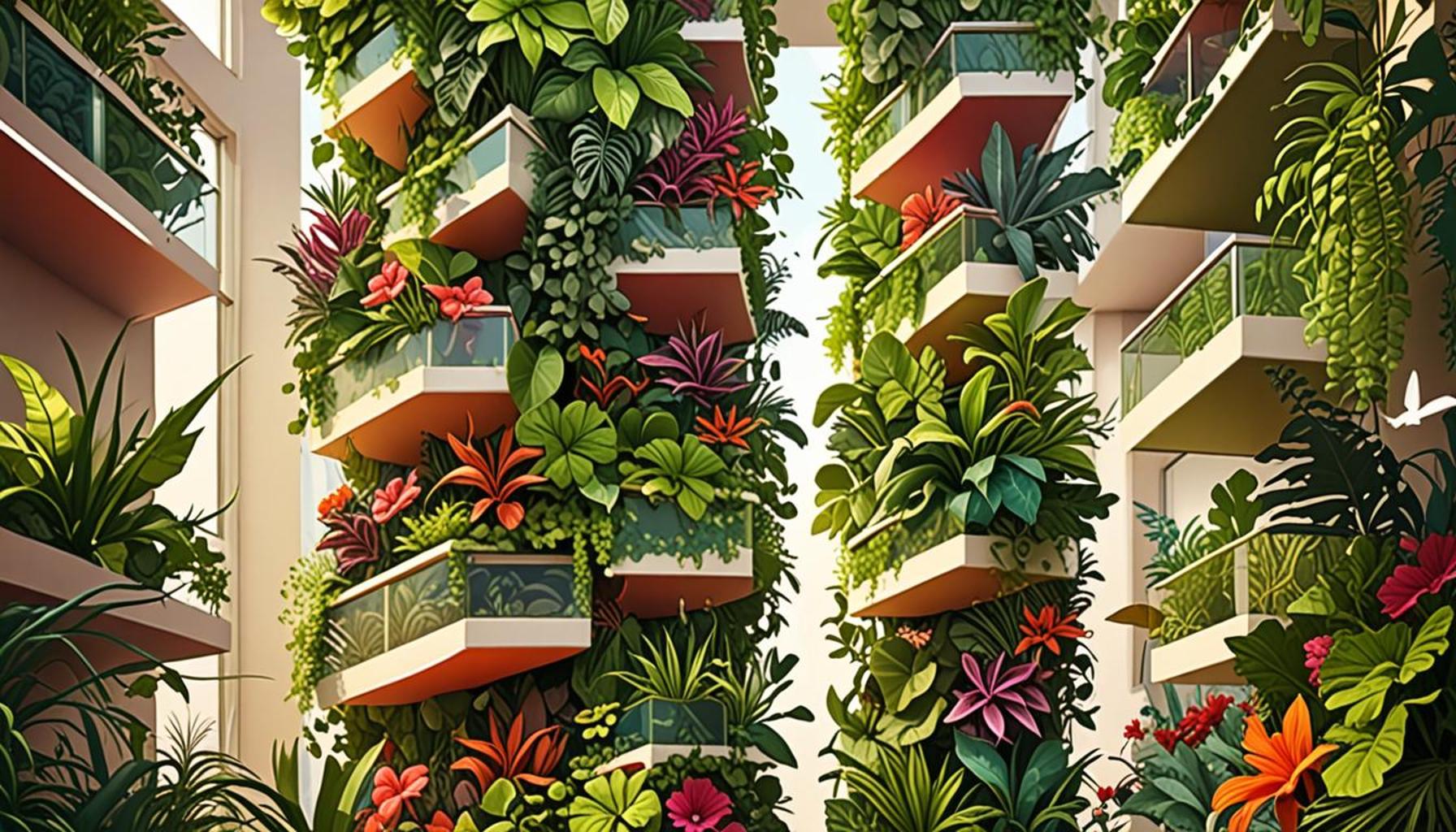
Moreover, the integration of biophilic design elements within flexible spaces—such as green walls, large windows for natural light, and indoor gardens—provides a dual benefit. Not only do these features enhance the inhabitants’ connection to nature, they also improve indoor air quality and create a calming atmosphere that boosts well-being and productivity.
The Role of Technology in Sustainability
In the age of smart technologies, flexible spaces are increasingly employing automation to optimize energy use. Systems that control lighting, temperature, and even window shades based on natural light and occupancy can significantly reduce energy consumption. For instance, smart thermostats can adapt heating or cooling based on whether anyone is present, promoting an efficient use of resources while creating comfort for users.
It is also becoming commonplace to implement solar power solutions in flexible designs. Photovoltaic panels can be incorporated into roofs or even as standalone structures, harnessing sunlight to power the adaptable environment. The addition of energy storage systems allows for the use of renewable energy during non-peak hours, further enhancing sustainability. Cities across the United States, such as San Diego and Seattle, are leading the charge in promoting solar integration into new construction, showcasing that flexible spaces and environmental responsibility go hand in hand.
Community-Centric Flexible Spaces
The notion of flexibility extends beyond individual environments; it also encompasses community-centric designs. Mixed-use developments that combine living, working, and recreational spaces are gaining popularity, particularly in urban areas. These settings foster interaction and connectivity among residents, creating a shared sense of belonging.
Furthermore, community flexible spaces—such as parks that can host events, or public halls that double as coworking spaces—cater to diverse needs and enable voices to be heard. This collective approach not only enhances the social fabric of neighborhoods but also promotes sustainable urban growth. Cities like Austin and Portland exemplify this trend, championing developments that prioritize flexibility and community engagement.
In summary, the integration of sustainability into the design of flexible spaces is reshaping our understanding of both functionality and responsibility. As more people embrace these adaptable environments, the ripple effects can be felt through improved well-being, enhanced productivity, and a collective commitment to our planet.
DISCOVER MORE: Click here to simplify your space
Redefining the Future of Living and Workspaces
In conclusion, the concept of flexible spaces is not merely a trend, but a pivotal shift in how we conceive our environments. As urban landscapes continue to evolve, the need for adaptable settings that cater to diverse lifestyles and functionalities becomes increasingly apparent. By integrating principles of sustainability, employing smart technologies, and fostering community engagement, designers are crafting spaces that serve not just individual users but also the wider community.
The move towards using eco-friendly materials and biophilic design not only enhances the functionality of these spaces but also nurtures our intrinsic connection to nature. Furthermore, implementing cutting-edge technologies ensures that energy consumption is minimized, promoting a healthier planet. The rise of mixed-use developments, particularly in vibrant cities across the United States, showcases how flexible environments can blur the lines between residential, commercial, and recreational realms, encouraging a sense of belonging and interaction among users.
As we navigate the complexities of modern life, the significance of designing environments that adapt to everyday needs cannot be overstated. As more communities embrace these ideas, we may witness a paradigm shift that inspires sustainable living and enhances our quality of life. Consequently, the future of design lies in our ability to create spaces that work harmoniously with both people and the planet, ultimately enriching our daily experiences. The journey toward this ideal is just beginning, and it invites us all to explore what possibilities lie ahead.