
Facial Treatments and the Influence of Diet on Skin Health

The Role of Diet in Enhancing Skin Treatments
In the quest for healthy, radiant skin, many people focus on topical applications and professional facial treatments. However, a comprehensive approach that includes dietary choices can make a significant difference. Our skin, which undergoes constant renewal and repair processes, is deeply influenced not only by genetic factors but also by lifestyle habits, particularly nutrition.
A variety of studies have shown a compelling link between the foods we consume and the overall health of our skin. For instance, staying adequately hydrated is paramount; water is crucial for maintaining skin elasticity, enabling skin cells to retain moisture and remain plump. This is especially important after treatments such as chemical peels and microdermabrasion, which may leave the skin feeling temporarily dry and sensitive.
Essential Nutrients for Skin Health
Beyond hydration, specific vitamins and minerals are key players in skin repair and rejuvenation. Vitamin C, found in citrus fruits and berries, is instrumental in collagen production, which helps to maintain skin’s firmness and elasticity. Similarly, Vitamin E, present in nuts and seeds, serves as a powerful antioxidant that protects the skin from oxidative damage caused by UV exposure and environmental pollutants. Zinc, a mineral that can be found in foods like legumes and whole grains, promotes skin healing and can help manage acne.
On the other hand, consuming excessive amounts of processed foods laden with sugars and unhealthy fats can lead to skin issues such as acne flare-ups and inflammation. Popular snacks like chips and sugary beverages not only affect overall health but can wreak havoc on skin texture and appearance.
Food Choices that Promote Radiant Skin
Incorporating nutrient-dense foods into your diet can enhance the effects of dermatological treatments, boosting skin health substantially. For instance, berries are packed with antioxidants that combat free radicals, while leafy greens such as spinach and kale provide crucial vitamins and minerals that support skin vitality. Likewise, fatty fish, rich in omega-3 fatty acids, are important for maintaining skin moisture and preventing dryness, particularly in the hotter months when skin can become parched.
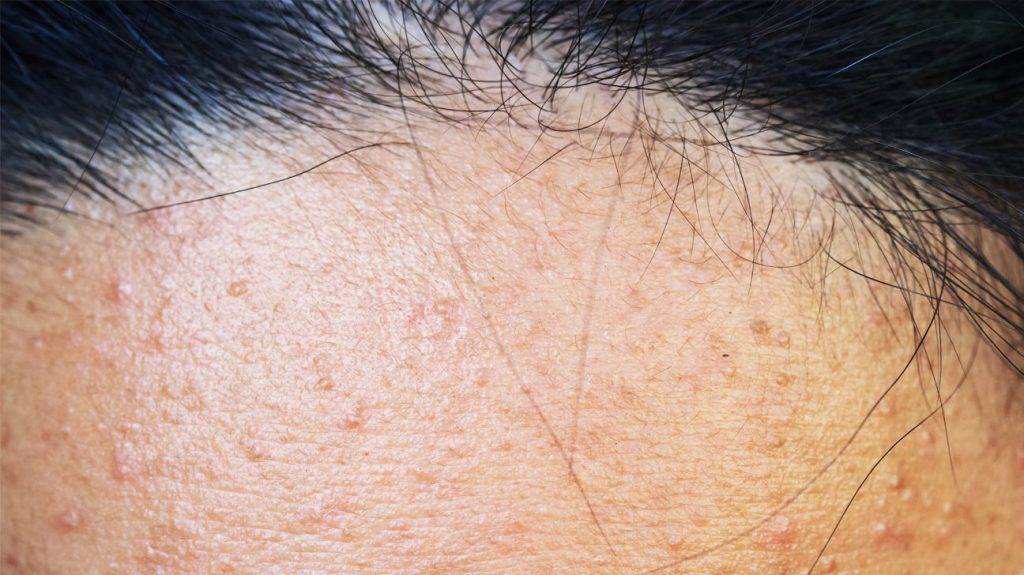
Ultimately, understanding the vital connection between diet and skin health empowers individuals to make informed choices that go beyond topical treatments. It encourages a holistic approach to skincare, effectively transforming not just how the skin appears, but how it feels from within. As we explore this interconnectedness further, it becomes clear that our daily food selections significantly shape the future of our skin’s health and luminosity.
DIVE DEEPER: Click here to discover more sustainable skincare trends
Understanding the Synergy Between Diet and Skin Treatments
The realm of facial treatments has expanded dramatically, offering various options for those seeking to enhance their skin’s appearance and health. Yet, the efficacy of these treatments can significantly rise when paired with a mindful approach to nutrition. The skin, the body’s largest organ, reflects our internal health, making it crucial to recognize that what we put into our bodies can complement and even amplify the results of external skincare treatments.
Antioxidants play a pivotal role in this synergy, counteracting the damaging effects of free radicals produced by environmental stressors. Foods rich in antioxidants, such as dark chocolate and colorful fruits, can help reduce inflammation and promote skin repair. For instance, studies have shown that the antioxidants in blueberries improve skin health and appearance, especially following treatments such as facials and microneedling, which aim to rejuvenate the skin.
The Impact of Sugar and Processed Foods
While nutrient-rich foods contribute to skin vitality, a diet high in sugar and processed ingredients can sabotage even the most advanced skincare treatments. Refined sugars can trigger a process called glycation, which damages collagen and elastin fibers, leading to premature aging and dull skin. For many individuals, reducing sugar intake can lead to noticeable improvements in skin clarity and texture.
- Processed snacks: Items such as chips and cookies often contain trans fats and excessive sodium, which can exacerbate skin issues like breakouts and puffiness.
- Soft drinks: Sugary beverages not only contribute to weight gain but also increase the likelihood of acne flare-ups and overall skin dullness.
- Fast food: High in unhealthy fats and additives, fast food may lead to inflammation, which can manifest in the skin as redness and irritation.
In contrast, focusing on whole foods can foster a supportive relationship with skin health. Consuming a diet rich in whole grains, lean proteins, and plenty of fruits and vegetables lays a robust foundation for skin rejuvenation. Foods like quinoa and fish are excellent sources of nutrients that minimize inflammation and promote recovery after cosmetic procedures.
Hydration: A Foundation for Skin Treatment Success
Alongside a nutritious diet, hydration cannot be overstated. Drinking adequate amounts of water is essential for supporting skin elasticity. Particularly after facial procedures that alter the skin’s surface, sufficient hydration can expedite healing and ensure that skin retains moisture effectively. Including hydrating foods, such as cucumbers and watermelon, can further amplify your fluid intake and contribute to a glowing complexion.
Recognizing how intertwined diet and facial treatments are empowers individuals to take a holistic approach toward skincare. As we delve further into exploring additional dietary choices and their specific influence on skin health, one thing remains clear: nourishing our bodies with the right foods is just as crucial as the serums, creams, and professional treatments we choose to apply externally.
| Advantages of Facial Treatments | Influence of Diet on Skin Health |
|---|---|
| Improved Skin Texture | Nutrients from a balanced diet boost collagen production. |
| Targeted Treatments for Skin Issues | Foods rich in antioxidants can combat free radicals. |
| Rejuvenation and Hydration | Hydration from water-rich fruits improves skin elasticity. |
| Relaxation and Stress Relief | Certain vitamins and minerals help regulate skin stress responses. |
Incorporating regular facial treatments into your skincare routine reveals substantial benefits, including enhanced texture and immediate hydration. Additionally, targeting specific skin issues through in-clinic procedures can lead to profound improvements. Conversely, the food you consume plays an equally critical role in your skin health. A diet laden with antioxidants, vitamins, and hydration can drastically alter the way your skin looks and feels. For example, antioxidants like Vitamin C and E can fend off damaging free radicals, while adequate hydration helps maintain skin elasticity. Foods rich in omega-3 fatty acids, such as fish and flaxseeds, are known to support anti-inflammatory responses, which can lead to a clearer complexion. When exploring neighborhoods of skin treatments, consider how a synergistic approach combining both skincare regimens and eating habits could unveil your skin’s true potential. This fusion of beauty treatments and diet mindfulness serves both functions, promising not just transient enhancements but also a deeper foundation for lasting beauty. Explore further to uncover hidden strategies that align diet with effective facial care, leading to skin that glows with health and vitality.
DISCOVER MORE: Click here to learn about the latest findings
Nutrients That Nourish the Skin from Within
Beyond just avoiding harmful foods, integrating specific nutrients into your diet is key to enhancing the results of various facial treatments. Vitamins and minerals are not only essential for overall health but also play a significant role in maintaining skin elasticity, hydration, and repair.
Vitamin C: The Skin’s Guardian
Vitamin C, renowned for its antioxidant properties, is vital for collagen synthesis, which keeps the skin firm and youthful. Incorporating sources such as oranges, strawberries, and bell peppers into your diet can provide an ample supply of this essential nutrient. Moreover, a diet rich in Vitamin C can amplify the benefits of facial treatments that involve chemical peels or microdermabrasion, as these procedures can deplete the skin’s vitamin levels temporarily. Similarly, products containing Vitamin C serum used in conjunction can enhance skin brightness and texture.
Omega-3 Fatty Acids: The Anti-Inflammatory Heroes
Next on the list are omega-3 fatty acids, primarily found in fatty fish like salmon, walnuts, and flaxseeds. These essential fats have been shown to reduce inflammation and promote a more balanced skin tone, crucial for individuals undergoing treatments like laser therapy which may initially cause redness. The anti-inflammatory properties of omega-3s also help in managing conditions like eczema and acne, commonly experienced during skincare regimens.
Zinc: A Mineral for Healing
A lesser-known but crucial component in maintaining skin health is zinc. This mineral supports cellular repair and has been linked to improving acne symptoms and speeding up healing from skin treatments. Foods like pumpkin seeds, chickpeas, and lentils provide a good source of zinc. Incorporating these into your meals may help mitigate side effects from treatments like dermal fillers and other injectable procedures, promoting a quicker recovery while improving overall skin texture.
Vitamin E: Protecting the Skin Barrier
Vitamin E is another powerful antioxidant that helps protect the skin barrier by neutralizing free radicals. Found in nuts, seeds, and green leafy vegetables, vitamin E can be particularly beneficial post-treatment. For example, after a facial, it is not uncommon for skin to feel vulnerable, and consuming foods rich in this vitamin can help maintain hydration and support the skin’s healing process.
The Role of Probiotics in Skin Health
While most often associated with gut health, probiotics play an essential role in skin health as well. Fermented foods like yogurt, kimchi, and sauerkraut can improve the overall microbiome, which may lead to reduced skin issues such as acne and rosacea. Consuming probiotic-rich foods can give your skincare regimen a boost by enhancing the skin’s natural defenses, making it an ideal companion to treatments designed to refresh and regenerate.
Crafting a Holistic Approach
Ultimately, understanding which nutrients positively influence your skin can help in crafting a holistic skincare routine that incorporates facial treatments and diet. Monitoring your diet to include an array of vitamins, minerals, and healthy fats can unlock the full potential of any cosmetic procedures you undertake. As consumers become increasingly aware of the synergies between nutrition and skincare, the necessity of this dual approach becomes ever more apparent.
DISCOVER MORE: Click here to learn about genetics and skin aging
Conclusion: Bridging Facials and Nutrition for Optimal Skin Health
As we navigate the complex relationship between facial treatments and diet, it becomes increasingly clear that a synergistic approach is essential for achieving radiant and healthy skin. Understanding the impact of nutrient-rich foods can profoundly influence the effectiveness of various cosmetic procedures, from chemical peels to laser therapies. Incorporating vitamins such as Vitamin C and Vitamin E, as well as omega-3 fatty acids and zinc, can enhance not only our skin’s resilience but also its healing capacity, ensuring that post-treatment recovery is swift and effective.
The crucial role of probiotics in promoting a healthy microbiome further emphasizes the need for a comprehensive approach to skincare. By fostering both internal health through nutrition and external care via facial treatments, individuals can unlock their skin’s full potential. Ultimately, adopting a lifestyle that appreciates this dual influence is key, as it will lead to a more vibrant complexion and improved skin health in the long run.
In a world where beauty and health often intersect, it is vital to recognize that our choices on the plate play a significant role in our skin’s appearance and vitality. For those eager to enhance their skincare regimen, embracing a diet filled with nourishing foods can provide a solid foundation that optimizes the benefits of any facial treatment. As the conversation around skincare evolves, striving for a balance between aesthetics and nutrition may pave the way for healthier, more beautiful skin.