Emerging Technologies in Acne Treatment: What’s New?

Innovative Avenues in Acne Treatment
Acne continues to be a significant concern for millions of individuals across the United States, manifesting as a persistent skin issue that often affects self-esteem and overall quality of life. As awareness around this condition magnifies, so does the pursuit for better treatment options. Exciting innovations are emerging, transforming the way we approach acne care and providing hope to those battling this common skin condition.
Among these advancements, several technologies stand out for their promise in improving treatment efficacy:
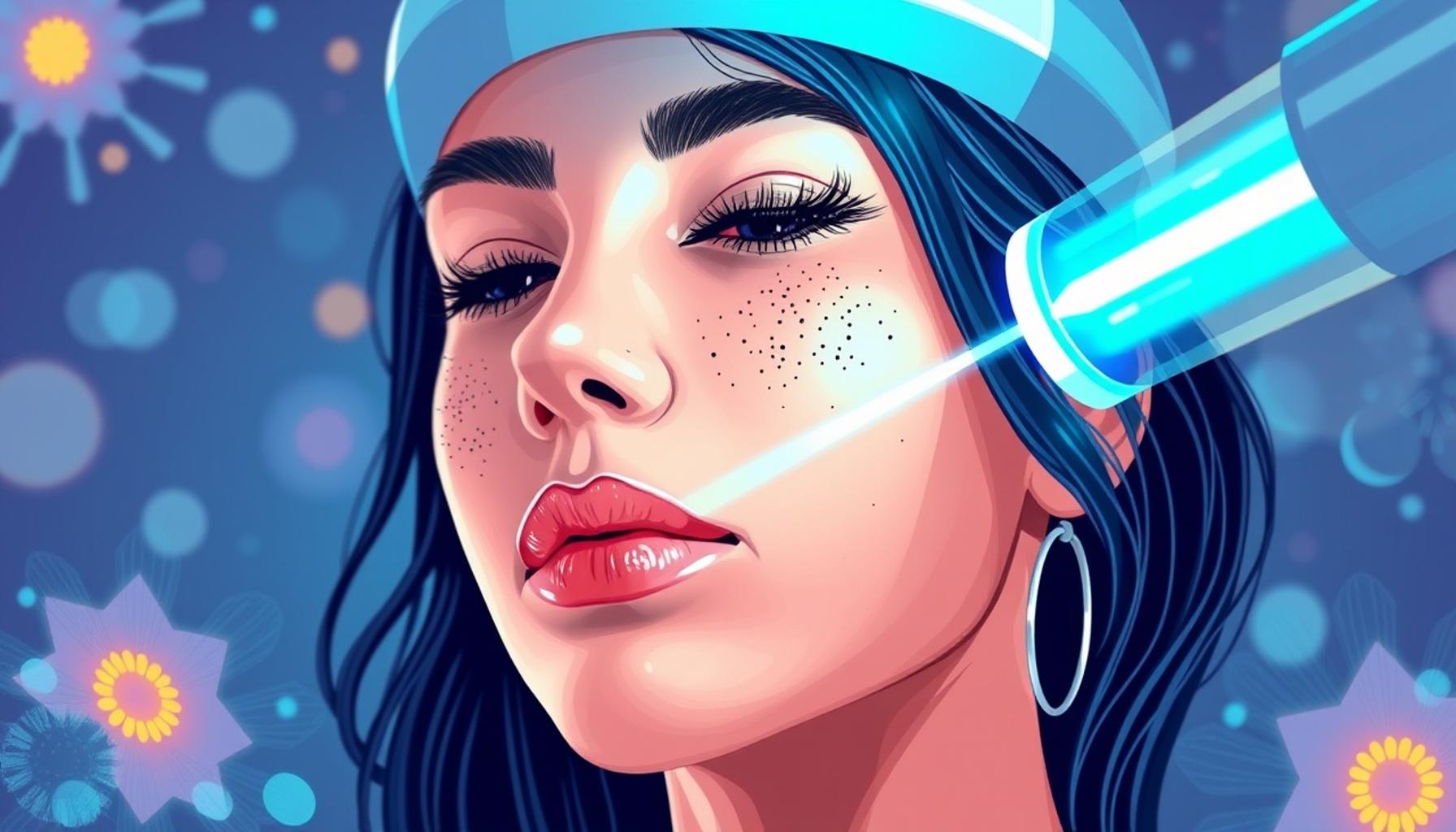
- Blue Light Therapy: This technique employs specific wavelengths of light to effectively target Propionibacterium acnes, the bacteria responsible for triggering inflammation and acne breakouts. Clinical studies have demonstrated that blue light therapy not only reduces the number of active lesions but also minimizes the risk of recurrence, making it a compelling option for those seeking a non-invasive solution.
- Microneedling: This procedure involves creating controlled micro-injuries in the skin using fine needles, which stimulates the production of collagen and elastin. As a result, microneedling has been shown to significantly reduce the appearance of acne scars and enhance overall skin texture. The treatment can be tailored to individual needs, making it suitable for diverse skin types.
- Wearable Devices: The rise of smart technology has introduced wearables designed to monitor skin conditions in real-time. These devices collect data about skin hydration, oil levels, and environmental factors, enabling users to receive personalized treatment recommendations. For instance, some devices can alert users when their skin exhibits signs of stress or irritation, prompting them to adjust their skincare routine accordingly.
The implications of these innovations extend beyond mere treatment. They represent a shift toward more personalized approaches that consider an individual’s unique skin type and concerns. This evolution is particularly crucial given the multifaceted nature of acne, which can vary significantly from one person to another.
The future of acne management looks promising as these technologies advance, offering not just hope but practical solutions for various skin challenges. Staying informed about emerging treatments and innovations is vital for anyone affected by acne. By understanding these new options, individuals can make educated choices about their skin health and embrace improved care.
Join us in exploring these remarkable developments to gain insight into the evolving landscape of acne treatments. With ongoing research and technological advancements, the path toward clearer skin is becoming more attainable and hopeful than ever before.
FOR MORE INSIGHTS: Click here to discover how to nourish your skin from the inside out</
New Frontiers in Acne Treatment
As the dermatological landscape continues to evolve, emerging technologies in acne treatment are offering more than just temporary solutions; they are paving the way for sustained skin health. While traditional methods such as topical medications and oral antibiotics have been prevalent, the new wave of innovations seeks to enhance the effectiveness, safety, and experience of acne treatment. Below, we delve into some of the most exciting advancements that are revolutionizing acne care.
Advanced Laser Treatments
One of the most notable technologies making waves in acne treatment is advanced laser therapy. Various types of lasers, such as the Erbium YAG laser and the pulsed dye laser, have shown effectiveness in targeting active acne and reducing the appearance of scars. These treatments work by precisely targeting the sebaceous glands, minimizing oil production, and reducing inflammation. Furthermore, they promote skin healing without significant downtime, allowing individuals to resume their daily activities promptly.
Teledermatology
Another intriguing development is the advent of teledermatology, which has gained traction, especially in light of the COVID-19 pandemic. This technology allows patients to consult with dermatologists remotely through video consultations or by sending photos of their skin concerns. The convenience of telehealth not only increases access to skin care specialists but also enables dermatologists to assess and recommend acne treatments more efficiently. Patients can receive tailored advice without the need to visit a clinic, which has significantly benefited those in remote or underserved areas.
Artificial Intelligence in Acne Diagnosis
Artificial Intelligence (AI) is also creating significant waves in the field of dermatology. State-of-the-art algorithms can analyze images of acne lesions with exceptional accuracy, providing dermatologists with diagnostic support. By using vast datasets, AI can help identify different types and stages of acne more efficiently than a human eye alone. This technology promises to enhance precision in treatment recommendations, supporting personalized treatment plans based on individual skin characteristics.
At-Home Treatment Innovations
The market has seen a surge in at-home treatment devices that utilize advanced technologies to combat acne effectively. For instance, some devices employ radiofrequency and LED light therapy, providing users with the convenience of professional treatment in the comfort of their homes. These innovations cater to a growing audience that seeks effective solutions while maintaining their daily routines, reducing the barrier to consistent care.
As we explore these emerging technologies in acne treatment, it’s clear that the future holds immense promise. Each of these innovations not only addresses the symptoms of acne but also centers on long-term skin health. The responsibility now falls on patients to stay informed and proactively seek out these burgeoning options to embark on a journey toward clearer, healthier skin.
Emerging Technologies in Acne Treatment: What’s New?
The field of acne treatment is witnessing a revolutionary shift with the advent of new technologies that promise enhanced efficacy and personalized approaches. Among the significant advancements are laser therapies, which harness specific wavelengths of light to kill acne-causing bacteria and reduce inflammation in the skin. This method not only promotes faster healing but also minimizes scarring, appealing to individuals of all ages seeking effective solutions.
| Technology | Description |
|---|---|
| LED Therapy | Utilizes specific light wavelengths to target and kill bacteria on the skin. |
| Microneedling | Stimulates collagen production, improving skin texture and reducing acne scars. |
Furthermore, integrated AI technologies in skin analysis are gaining traction. By employing algorithms to assess skin conditions, these systems help dermatologists offer tailored treatments that align with individual patient needs. This personalized approach not only boosts confidence but also enhances the effectiveness of treatments, ensuring that patients see the most significant results. With these developments, the future of acne treatment looks promising, merging technology with dermatological science to tackle one of the most common skin concerns with unprecedented precision.
As we explore these advanced treatments, it’s evident there is a growing trend toward combining traditional methods with innovative technologies. This hybrid approach is not only more effective but also significantly reduces recovery time, encouraging patients to seek timely interventions. Embracing these emerging technologies could be the key to finally conquering stubborn acne.
Dive Deeper: Click here to discover night hydration secrets
Innovative Approaches Creating Lasting Change
The advances in acne treatment are not limited to high-tech devices and virtual consultations; they also encompass novel approaches that further the understanding of acne’s root causes. This new knowledge is resulting in a shift toward more integrated and holistic treatment methods.
Microbiome Research in Acne Treatment
An area of rapid development within dermatology is research concerning the skin microbiome. Scientists are now discovering that the bacteria residing on our skin play a crucial role in acne development. Innovations in acne treatment are beginning to incorporate probiotics and prebiotics designed to support a healthy skin microbiome. Studies suggest that these substances can help restore bacterial balance, potentially reducing acne breakouts. Some new skincare products are being formulated specifically to nourish the microbiome, leading clinicians to anticipate a paradigm shift as microbiome-focused treatments gain traction.
Personalized Drug Delivery Systems
Another exciting development is the emergence of targeted drug delivery systems. These innovative methods allow active ingredients in acne medications to be delivered precisely where needed, minimizing side effects and enhancing efficacy. Technologies such as microneedling combined with drug delivery can create microchannels in the skin that facilitate the direct application of treatment, ensuring higher concentrations of the medication penetrate deeply into the pores. Such precision could effectively enhance the outcomes of conventional treatments while reducing the risk of systemic side effects.
3D Skin Models
In a groundbreaking move towards personalized skincare, researchers are now leveraging 3D skin models that replicate human skin conditions. These models enable scientists to study acne in a controlled environment and test new therapies more efficiently. The applications are immense; pharmaceutical companies can use these models to expedite testing before moving to clinical trials, ultimately accelerating the availability of novel acne treatments to consumers. This approach not only reduces the risk in early-stage development but could revolutionize the speed at which new therapies make it to market.
Technological Enhancements in Dermatological Procedures
Moreover, the ongoing evolution of dermatological procedures has incorporated advanced technologies like Augmented Reality (AR) and Virtual Reality (VR). These tools are being utilized to train dermatology residents and improve treatment techniques. For instance, AR applications can overlay 3D models of skin conditions on patients, allowing practitioners to visualize the underlying issues and create more effective treatment plans. Such advancements not only enrich education but also elevate the quality of care that patients receive.
Telehealth Integration with Mobile Apps
The growing trend of mobile health applications further empowers patients in managing their acne. These apps often incorporate AI-driven analysis tools that allow users to track their skin’s progress, remind them to apply treatments, and provide educational content suited to their unique conditions. By integrating telehealth services, patients can maintain ongoing communication with their healthcare providers, ensuring that treatment strategies can be adjusted promptly as their skin evolves.
As researchers, technologists, and healthcare providers collaborate in these various avenues of innovation, it becomes increasingly clear that the future of acne treatment is not only bright but increasingly tailored to the individual. Emerging technologies are reshaping the landscape of acne management, promising a future where skin health is accessible, comprehensible, and effectively addressed.
DISCOVER MORE: Click here to learn about probiotics and skin clarity
Conclusion: The Future of Acne Treatment is Here
The landscape of acne treatment is evolving rapidly as emerging technologies pave the way for more effective, personalized, and comprehensive approaches to managing this common skin condition. Innovations such as microbiome research, targeted drug delivery systems, 3D skin models, and augmented reality applications are not just enhancing existing therapies but also reimagining how we understand and treat acne fundamentally.
As we witness the integration of mobile health applications and telehealth capabilities, patients are becoming more empowered and engaged in their treatment journeys. This shift is not only facilitating seamless communication with healthcare providers but also giving patients the tools to monitor their progress and adjust their care based on real-time feedback.
Moreover, the incorporation of advanced technologies in dermatological education and treatment techniques is ensuring that practitioners are well-equipped to deliver the highest quality of care to their patients. As these technologies continue to advance and researchers uncover more about the underlying mechanisms of acne, the prospect of achieving clearer skin for millions seems increasingly attainable.
Ultimately, the convergence of science and technology heralds a new era in acne management, where treatments are tailored to the individual and rooted in cutting-edge research. For those seeking answers to their skincare challenges, now is the time to explore the wealth of knowledge emerging in this dynamic field. Stay informed and engaged with the latest advancements, as the future of acne treatment holds tremendous promise for clearer, healthier skin.