
Creativity in Ceramics: Exploring New Approaches to Shaping and Firing
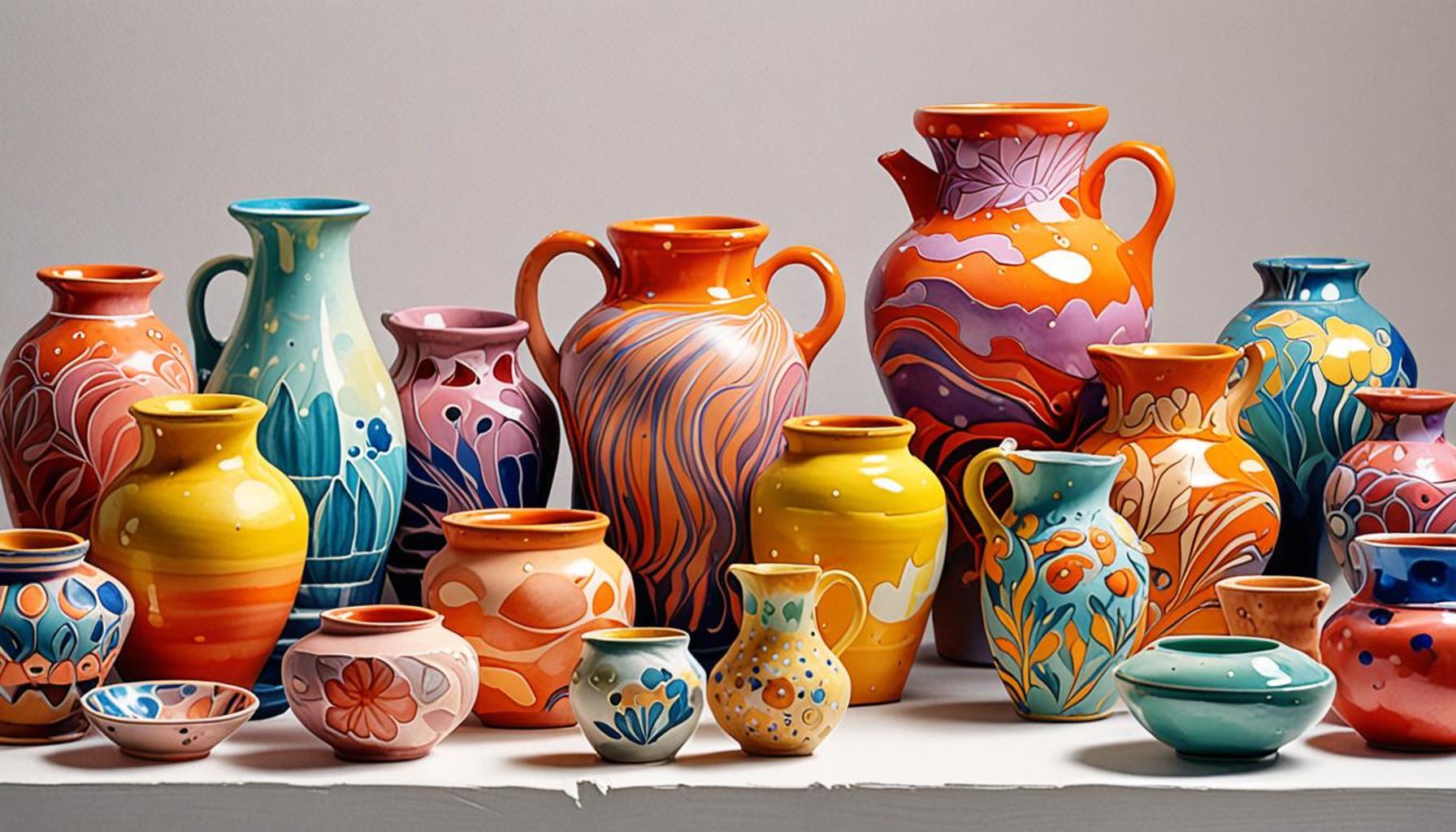
Exploring the Evolution of Ceramic Practices
The world of ceramics is experiencing a transformative shift, as artists and artisans explore innovative methods of shaping and firing their creations. This dynamic field is no longer confined to traditional techniques; it is instead embracing a fusion of science and artistry that enhances creativity and pushes the boundaries of what is possible in ceramic art.
In Nigeria, ceramic art boasts a rich history, marked by the impressive work of the Nok civilization, famous for its terracotta sculptures. However, contemporary practices in the country are now redefining this heritage and pushing artistic boundaries. These innovative approaches can be seen through several modern techniques:
- Raku Firing: This Japanese technique has become increasingly popular among Nigerian ceramists for its distinctive glazing effects. Artists utilize rapid heating and cooling processes to create unpredictable yet striking finishes. Local artists have started incorporating Raku techniques, resulting in vibrant, metallic glazes that reflect Nigeria’s colorful culture.
- 3D Printing: This cutting-edge technology is revolutionizing ceramic artistry by enabling artisans to create intricate designs with unprecedented precision. For instance, artists can now produce complex geometric patterns and forms that were previously unimaginable through traditional methods. With tools like filament clay and various ceramics materials, local creatives are beginning to experiment with customizable pieces that reflect contemporary tastes.
- Alternative Firing Methods: Techniques such as pit firing and sagger firing are gaining traction, offering artists diverse textures and finishes that tell unique stories. For example, pit firing involves using natural materials like sawdust or leaves, which contribute organic, earthy tones to the work. This method resonates with the Nigerian tradition of connection to the earth, allowing artists to incorporate regional materials that are meaningful to their heritage.
These innovative techniques exemplify how local artists are successfully fusing traditional narratives with modern methodologies, challenging prevalent perceptions and redefining ceramic aesthetics in the process. The juxtaposition of old and new allows audiences to perceive ceramics through a fresh lens, emphasizing the timelessness of this craft.
From the vibrant art scene in Lagos, where galleries exhibit contemporary ceramics alongside traditional pieces, to rural workshops that stay true to age-old practices while exploring modern adaptations, the spirit of innovation in ceramics is palpable. Emerging artists are not only reviving ancient methods but are also integrating new technologies and concepts that speak to the global art community. This dialogue creates a richer cultural tapestry that invites both budding artists and seasoned potters to rethink their creative processes, offering them tools and perspectives to expand their artistic expression.
Join us as we delve into the captivating interplay of materials and techniques, leading you to discover the inspiring stories behind each piece of ceramic art and the artisans who breathe life into clay.
RECOMMENDED: Check out this similar article
Revitalizing Ancient Techniques with Modern Innovations
The renaissance in ceramic art is fueled in part by an artistic license that encourages experimentation. While traditional methods stand as a testament to the craft’s rich heritage, contemporary ceramists in Nigeria and beyond are not shying away from merging these methods with modern innovations. This intersection of past and future is vividly portrayed in the creativity surrounding shaping and firing techniques.
One of the fascinating aspects of this creative journey is the revival of ancient techniques such as hand building and slab construction. These methods allow artists the freedom to shape their work organically, emphasizing the tactile nature of clay. Artists often draw inspiration from Nigeria’s diverse cultural landscapes, incorporating traditional patterns and storytelling into their designs. By using these timeless methods, artisans not only honor their lineage but also reinterpret their narratives to resonate with today’s audiences.
Alongside traditional shaping methods, cutting-edge technology plays a significant role in the evolving ceramic landscape. Here are some noteworthy contemporary approaches that redefine the ceramic experience:
- Digital Design Software: Many ceramists are turning to 3D modeling software to create virtual prototypes before crafting physical pieces. This allows for an intricate exploration of design possibilities, making it easier to visualize the relationship between form and function in their work. For example, artists can sketch complex tea sets or sculptural installations that blend function and aesthetics.
- Hybrid Materials: The usage of alternative materials, such as recycled plastics or volcanic ash, is gaining momentum among Nigerian ceramists. Combining traditional clay with these sustainable resources not only enhances the structural integrity of the works but also aligns creators with contemporary environmental values. This synergy identifies ceramics as a vessel for storytelling while addressing pressing environmental challenges.
- Experimental Glazing Techniques: Beyond classic glazing, artists are exploring the impact of various natural and chemical additives to create unique surface effects. For instance, the incorporation of local minerals and oxides can produce spectacular visual results while celebrating regional resources—bringing the land into the aesthetic dialogue of their pieces.
The exploration of these innovative approaches to shaping and firing ceramics captivates the imagination and encourages more artists to break from conventional molds. This shift not only broadens their creative horizons but also cultivates a deeper connection to their cultural roots. As a result, the blend of local narratives with contemporary techniques showcases the rich potential for storytelling within ceramic art.
As artists embrace these innovations, viewers are invited to experience ceramics not merely as functional objects but as dynamic expressions of creativity and culture. The evolving narrative of ceramics, anchored in tradition yet propelled by modern practices, serves as a prime example of how art can continuously transform and inspire. Stay tuned as we delve deeper into the myriad of influences that shape this vibrant and ever-evolving medium.
| Advantages of Modern Shaping Techniques | Impact on Artistic Expression |
|---|---|
| Innovative tools and technologies | Enable unique designs and forms |
| Accessibility for artisans | Encourages diverse artistic styles |
The evolution in captivating shaping techniques plays a pivotal role in advancing the field of ceramics. With the introduction of 3D printing, artisans can push the envelope of creativity, crafting intricate and elaborate structures that were once thought to be impossible. This technology not only serves established ceramists but also democratizes artistry, making it easier for novices to explore their creativity without the usual constraints of traditional methods.Moreover, new methods of firing and glazing significantly influence the outcome of ceramic pieces. Techniques like Raku, which results in striking color variations and unexpected textures, captivate both creators and audiences alike. By experimenting with alternative firing processes, artists can achieve distinctive visual and tactile qualities, enriching their expressions. Through exploring new firing approaches, ceramists breathe life into their pieces, transforming clay into dynamic art forms, and constantly inviting exploration and innovation.
RECOMMENDED: Check out this similar article
Harnessing Nature’s Influence in Ceramics
In the quest for creativity in ceramics, many artists are actively turning to nature as both a muse and a material source. This affinity for the environment fosters a captivating interaction between the natural world and traditional ceramic practices. Nigerian ceramists, in particular, are discovering innovative ways to emulate and incorporate elements from their surroundings into their work, ultimately pushing the boundaries of shaping and firing techniques.
One emerging approach is the use of natural pigments and local clays found across Nigeria’s diverse landscapes. Artists are increasingly sourcing their materials from specific geographical locations, which not only adds a layer of authenticity to each piece but also tells a story connected to the land itself. For instance, some ceramists utilize clay from riverbanks or hillsides, embedding the textures and hues of their environment directly into their work. This local sourcing fosters a sustainable practice that celebrates the rich geological diversity of Nigeria while minimizing the carbon footprint associated with imported materials.
Moreover, the firing process has also come under creative scrutiny. Traditional kilns are now being reimagined with an eco-conscious twist. For example, wood-firing kilns are being utilized in areas where artisans can access abundant local timber. This technique not only produces distinctive finishing effects due to the interaction between ash and clay but also symbolizes a deep respect for nature and its resources. The results often yield stunning surface variations, imbuing the pottery with a sense of warmth and organic texture that conventional firing methods may not achieve.
Artists are also experimenting with alternative firing techniques such as raku and pit firing. Raku, a Japanese technique that involves removing pottery from the kiln while still hot, allows for rapid cooling and cracking, which can reveal unique, unexpected patterns and colors on the surface of the ceramics. This spontaneity offers an exciting departure from more controlled kiln firings. Similarly, pit firing, an ancient method that uses a fire pit to bury and fire the pieces with combustible materials, imbues the ceramics with rich, earthy tones and a distinct historical feel, connecting modern art forms with ancient practices.
Collaboration is another avenue through which creativity flows. Many contemporary ceramists are joining forces with artisans from other fields, such as jewelry making or textile design, to produce hybrid art forms that seamlessly integrate multiple disciplines. For example, by incorporating textile patterns into ceramic surfaces or infusing jewelry techniques into clay shaping, artists create pieces that transcend conventional classifications and tell multifaceted stories. This collaborative spirit further enriches the ceramic landscape, allowing for innovative designs and a broader audience appeal.
The interplay between natural resources, alternative firing methods, and interdisciplinary collaborations showcases the profound potential for creativity within ceramics. As ceramists in Nigeria continue to explore these avenues, their works hold the promise of not only being visually stunning but also rich with cultural significance and environmental awareness. This dynamic exploration ensures that ceramics remain a relevant and evolving medium, consistently engaging both creators and audiences alike.
RECOMMENDED: Check out this similar article
Conclusion: The Evolving Landscape of Ceramics
The vibrant world of ceramics is experiencing a renaissance driven by innovative approaches that redefine shaping and firing techniques. As artists in Nigeria and beyond explore the fusion of traditional methods and modern sensibilities, they reveal the dynamic relationship between creativity and the medium. By harnessing local resources such as natural pigments and local clays, ceramists not only craft unique pieces but also pay homage to their cultural heritage and environmental responsibility.
The experimentation with alternative firing methods like wood-firing, raku, and pit firing has opened new avenues for artistic expression, giving ceramics a distinctive identity that resonates with contemporary audiences. These practices encourage spontaneity and organic beauty, transforming each piece into a narrative entwined with nature’s influence and the artisan’s touch.
Furthermore, the trend of collaboration across artistic disciplines enriches the ceramic field, leading to hybrid forms that challenge conventions and expand aesthetic boundaries. This interplay fosters an inclusive artistic community, where diverse skills merge to create innovative, multifaceted works that captivate inquisitive minds.
As Nigeria’s ceramists endeavor to find inspiration in both their landscapes and the fusion of ideas, it becomes clear that the exploration of creativity in ceramics is not merely a trend; it is a vital dialogue that emphasizes sustainability, cultural significance, and artistic evolution. As audiences engage with these pieces, they are invited to perceive ceramics through a fresh lens, acknowledging each work as a testament to an artist’s journey and the enduring power of creativity.