
Creating Open Spaces: How Natural Lighting Contributes to Spatial Efficiency
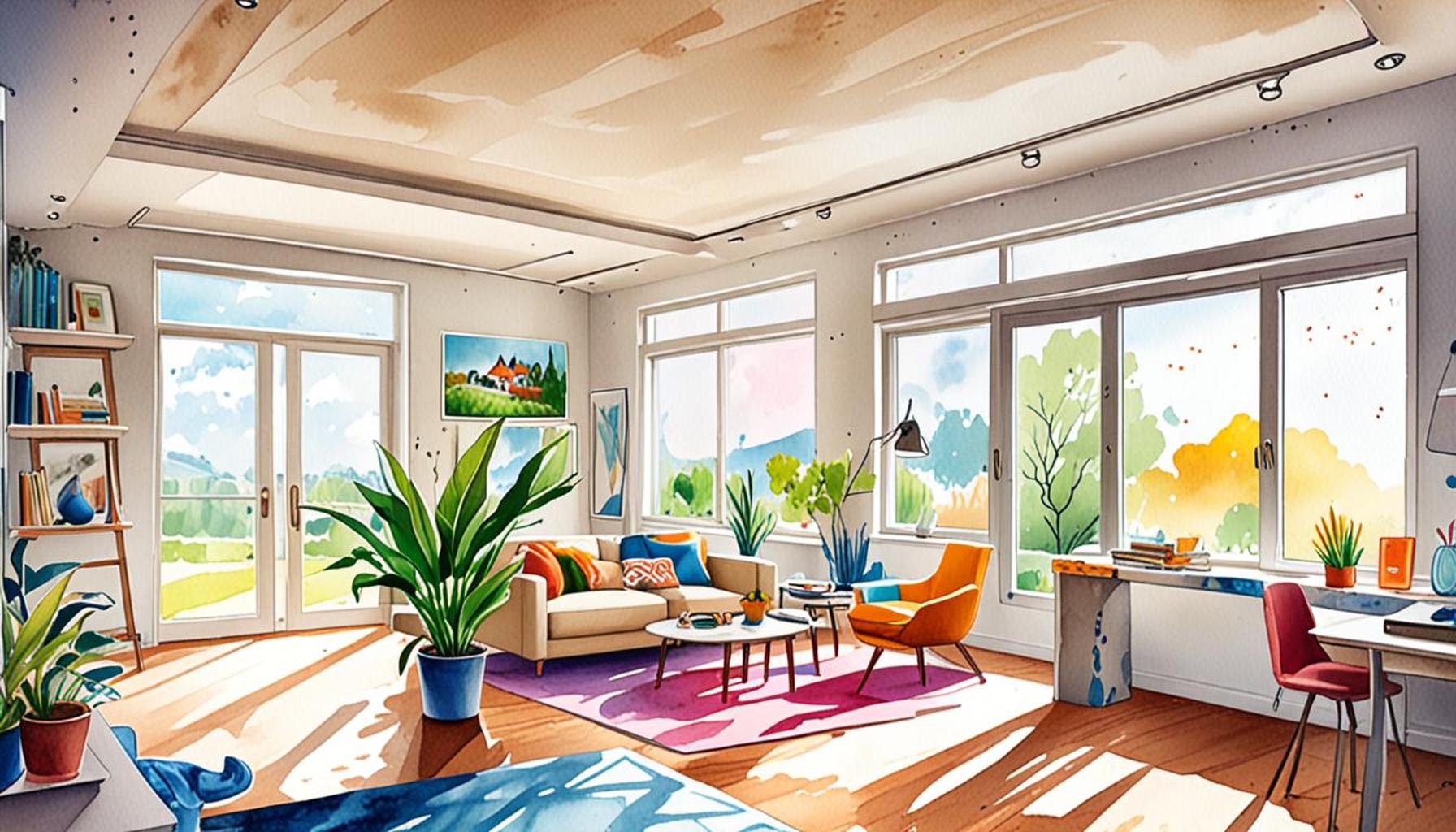
The Role of Natural Light in Modern Urban Design
In today’s urban landscape, the quest for spatial efficiency has never been more crucial. One of the most significant yet often overlooked factors in designing open spaces is natural lighting. This powerful element transforms not only how spaces look but also influences their functionality, the well-being of occupants, and overall energy consumption.
Enhancing Aesthetic Appeal
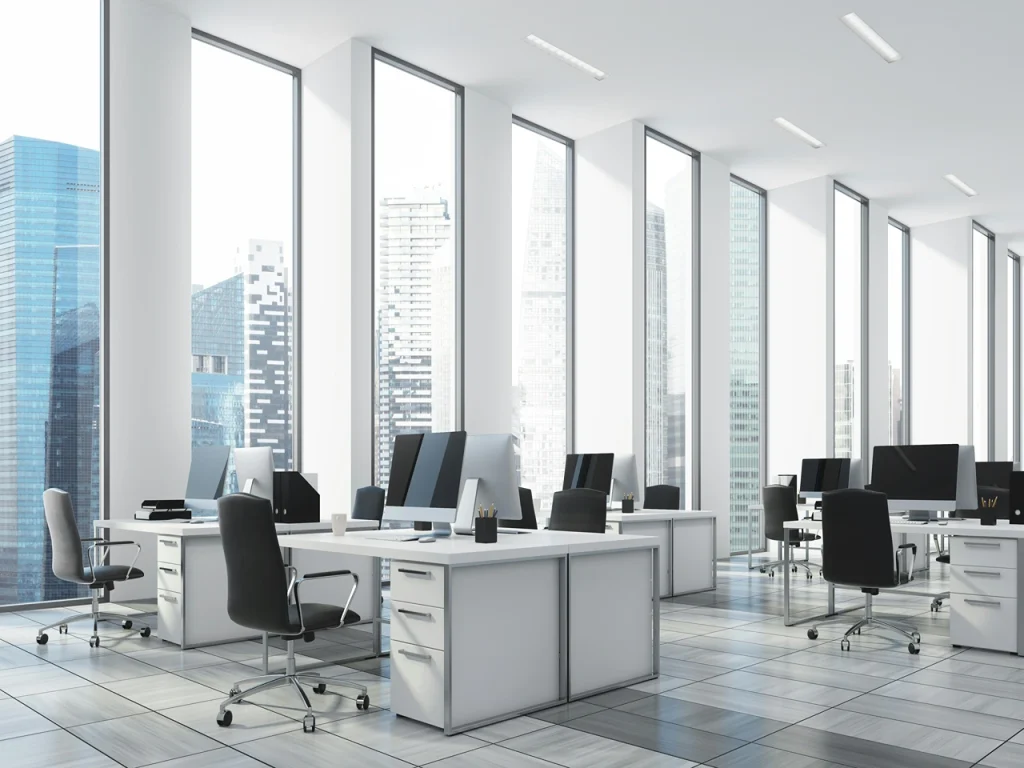
Natural light is an architect’s secret weapon, as it adds warmth and character to interiors. Picture a once-dull office illuminated by sunlight spilling through large windows; it can dramatically shift the atmosphere, creating a welcoming and invigorating environment. For example, the iconic Apple Park in Cupertino, California, features vast expanses of glass that allow sunlight to flood the workspaces, inspiring creativity and enhancing the aesthetic appeal. The connection to the outdoors through natural light can also lead to a greater appreciation of the surrounding landscape and the changing seasons.
Boosting Productivity
Research supports the notion that natural light can significantly improve productivity levels. Studies have shown that employees working in environments with ample daylight are often more motivated and focused, leading to better performance outcomes. For instance, a study conducted by the Harvard Business Review found that employees working in spaces with natural light had a 15% increase in productivity compared to those in artificially lit environments. Such findings underscore the importance of incorporating design elements that prioritize access to daylight.
Improving Health
Access to daylight can reduce eye strain and lead to better overall health. Natural light helps regulate circadian rhythms, which can improve sleep quality and mental health. When individuals are exposed to adequate sunlight during the day, they tend to have better mood stability and energy levels. A prime example of effective natural lighting design can be seen in numerous healthcare facilities, such as the Cleveland Clinic, where the emphasis on large windows and light-filled spaces has been linked to reduced recovery times for patients.
Energy Efficiency and Environmental Impact
- Energy Efficiency: By leveraging sunlight through the strategic placement of windows and skylights, buildings can significantly reduce their reliance on artificial lighting. This not only results in lower energy bills but also contributes to a smaller carbon footprint.
- Social Interaction: Open spaces that utilize natural light create inviting areas for collaboration, fostering social interaction and a sense of community. Spaces designed for public use, such as parks and community centers, benefit immensely from daylight, as it encourages outdoor activities and gatherings.
- Environmental Impact: Increasing natural light in buildings can lead to substantial reductions in energy costs and overall environmental impact. According to the U.S. Department of Energy, incorporating daylighting strategies in design can decrease energy consumption by as much as 30%.
As we continue to explore the role of natural lighting in modern architecture, it becomes evident that thoughtful design can lead to a harmonious blend of beauty and utility. The shift towards maximizing natural light is not merely a trend; it is a necessary evolution that redefines our urban environments for future generations, offering both aesthetic and practical benefits that can enhance our daily lives.
DISCOVER MORE: Click here to uncover the financial perks of decluttering
Natural Light: A Catalyst for Open Space Design
As urban areas continue to expand, the need for well-designed open spaces has become increasingly critical. One of the primary elements that enhance the efficacy of these spaces is natural lighting. By strategically harnessing daylight, designers can transform mundane areas into vibrant and inviting environments. This transformation goes beyond aesthetics—natural light plays a pivotal role in guiding how people interact with spaces, all while contributing to sustainable design practices that benefit the environment.
The Importance of Daylight in Public Spaces
Public spaces are the heart of a community, and their successful design hinges on creating a welcoming atmosphere. Natural lighting can significantly impact the user experience in parks, plazas, and community gathering spaces. For instance, research shows that parks flooded with natural light draw larger crowds, promote outdoor activities, and encourage community engagement. An exemplary case is Pier 57 in New York City, where the integration of large windows and open-air structures allows natural light to illuminate the gathering areas, fostering a vibrant social environment.
Natural Light and Design Cohesion
Incorporating natural light into urban design fosters a seamless connection between indoor and outdoor spaces. By utilizing floor-to-ceiling windows and open-air concepts, architects can create fluid transitions that integrate the surrounding landscape with the built environment. This cohesive design approach not only enhances aesthetic appeal but also maximizes spatial efficiency. For example, the California Academy of Sciences in San Francisco features a stunning green roof and abundant natural lighting, which harmonizes the building’s functions with its ecological surroundings, resulting in an engaging visitor experience.
Key Benefits of Natural Light in Open Spaces
- Enhanced User Experience: Spaces that leverage natural lighting feel more spacious and inviting, leading to increased visitor satisfaction.
- Community Engagement: Open areas that are well-lit encourage social interaction and serve as hubs for community activities.
- Sustainability: Utilizing natural light reduces dependence on artificial lighting, leading to lower energy costs and a reduced environmental impact.
- Design Flexibility: Natural light creates an adaptable environment, allowing spaces to be multifunctional and accommodating various activities throughout the day.
The significance of natural lighting in the realm of open space design cannot be overstated. By prioritizing daylight in urban planning, communities can cultivate not only aesthetically pleasing environments but also vibrant and engaging public spaces that elevate the quality of life for their inhabitants. As we continue to witness advancements in sustainable architecture and urban design, the trend toward maximizing natural light stands as a critical component of creating efficient and harmonious open spaces.
Creating Open Spaces: How Natural Lighting Contributes to Spatial Efficiency
Natural lighting is not merely an aesthetic choice; it’s a vital component in maximizing spatial efficiency in any living or working environment. The relationship between light and space is evident in how we perceive our surroundings, and leveraging this can lead to profound benefits that go beyond the surface.
One significant advantage of utilizing natural light is its ability to create an illusion of spaciousness. Rooms flooded with sunlight appear larger and more inviting, which can alter the way occupants interact with the space. Industrial and residential designs often incorporate large windows, skylights, and open floor plans to maximize light penetration, contributing to a feeling of expansiveness that enhances overall well-being.
Moreover, natural light has been linked to increased productivity and improved mood among occupants. Environments filled with natural illumination allow for reduced reliance on artificial lighting, which can contribute to energy savings and a decreased carbon footprint. Thus, embracing open spaces and well-lit areas can lead, not only to emotional benefits but also to tangible resource savings over time.
Furthermore, the strategic use of daylight can streamline the layout of spaces. For professionals working in design and architecture, understanding the angles and intensity of sun exposure becomes crucial. This knowledge enables them to craft layouts that not only facilitate movement but also enhance visibility and usability of each area.
Design strategies, such as orienting buildings to capture the sun’s path, can transform standard offices or residences into vibrant hubs of innovation and creativity. By integrating biophilic design elements—natural materials, greenery, and views of nature—alongside daylight, architects are paving the way for spaces that are not just efficient in function but also nourishing for the mind and body.
| Aspect | Details |
|---|---|
| Illusion of Space | Natural light creates an expansive atmosphere, making areas feel larger. |
| Productivity Boost | Exposure to natural light enhances mood, leading to increased productivity. |
| Energy Efficiency | Reduced need for artificial lighting, resulting in lower energy costs. |
In conclusion, as we explore the implications of natural lighting and spatial design, it becomes clear that the integration of light into open spaces is not just a trend—it’s a necessary approach for efficient living and working environments. This methodology invites architects, designers, and inhabitants alike to reconsider the way we engage with our surroundings, ultimately fostering a more harmonious relationship with our built environment.
DISCOVER MORE: Click here to learn how a clutter-free space can boost your creativity
Transformative Effects of Natural Light on Urban Living
The effects of natural lighting extend beyond mere aesthetics; they significantly enhance the functionality of open spaces. As architects and urban planners embark on visionary projects, they increasingly realize that the integration of daylight fosters not only energy efficiency but also improves the well-being of individuals. This shift in understanding paves the way for innovative urban environments that prioritize spatial efficiency, ensuring that every square foot serves both environmental and social purposes.
Psychological and Health Benefits
Exposure to natural light has profound psychological benefits, notably in enhancing mood and productivity. Studies indicate that individuals spending time in well-lit environments report lower levels of stress and higher satisfaction rates. In open spaces such as community parks and outdoor venues, sunlight exposure can encourage mental well-being and physical activity. For example, programs promoting yoga or fitness classes in sunlight-flooded parks not only increase participation but also enhance participants’ overall experience. This approach underscores the need for design strategies that leverage daylight to transform parks into wellness-centric hubs.
The Role of Seasonal Changes in Space Utilization
A further dimension of natural light in open spaces lies in its ability to adapt with seasonal transitions. In regions with distinct seasonal variations, the angle and intensity of sunlight change dramatically, impacting how these spaces are used throughout the year. By incorporating design elements such as movable shade structures or reflective surfaces, planners can optimize light levels, providing comfort regardless of the season. For instance, the widely acclaimed High Line park in New York City employs such techniques to provide variability in visitor experiences throughout the year, ensuring that sunlight enhances aesthetic enjoyment while keeping spaces cool during the peak summer months.
Natural Light and Economic Value
From an economic perspective, projects that emphasize natural lighting tend to increase property values and local commerce. Well-lit public areas improve safety perceptions, which can drive foot traffic and attract businesses. An example can be seen in the revitalization of the Los Angeles River where extensive landscaping and design that allows for natural light have led to a surge in nearby property value and local business growth. The deliberate focus on light-rich environments facilitates an economic ecosystem that benefits the entire community.
Innovative Technologies Enhancing Natural Lighting
The intersection of technology and open space design has led to innovative approaches aimed at enhancing natural lighting. Smart building and site technologies now allow for real-time data collection on light patterns, which can guide design decisions to optimize the use of sunlight. For example, daylight-responsive lighting systems that adjust the artificial light levels based on the available natural light create a harmonious balance. This technology is becoming prominent in urban design and is evident in progressive cities like Seattle and San Francisco, where urban planners are blending sustainability with intelligence to create responsive public environments.
Ultimately, as cities evolve and respond to the pressing demands of urbanization, the role of natural light in open spaces cannot be ignored. Its ability to enhance mental health, adapt to seasonal changes, and elevate economic performance ensures that it remains a cornerstone in the planning of future urban landscapes. Through careful integration of light into urban design, cities will foster environments that resonate with vitality and efficiency.
DISCOVER MORE: Click here to find your peace
Conclusion
In conclusion, the integration of natural lighting into open spaces serves as a transformative force, enhancing both spatial efficiency and user experience. The multifaceted advantages of daylight—ranging from psychological upliftment to economic benefits—highlight the necessity for urban planners and architects to consider light as a vital element in their designs. As we observe spaces that embrace sunlight, we see not just better aesthetics but a deeper commitment to creating environments that foster well-being, community interaction, and enhanced productivity.
Furthermore, as innovative technologies evolve, the possibilities for optimizing natural light grow exponentially. With data-driven approaches that tailor designs to specific light patterns, cities can cultivate public spaces that are adaptable and responsive. This adaptability becomes increasingly important as urban landscapes confront the challenges of population density and climate change. Emphasizing sunlight in urban design not only leads to the revitalization of existing spaces but also fuels new developments that thrive under daylight.
Ultimately, prioritizing natural lighting in urban planning results in open spaces that harmoniously blend functionality and aesthetic appeal—energizing communities and promoting sustainability. As cities adapt to future demands, the strategic use of light will undoubtedly play a critical role in shaping vibrant, efficient spaces that resonate with life and vitality.