Cores and Textures: How to Choose Palettes That Enhance the Sense of Space in Minimalist Environments
Understanding the Elements of Minimalist Design
In the realm of interior design, achieving a sense of spaciousness within minimalist environments is both an art and a science. The strategic use of colors and textures can transform a simple room into an expansive retreat. Understanding how these elements work together is crucial for maximizing both aesthetic appeal and functionality.
When selecting palettes for minimalist designs, there are several crucial aspects to keep in mind:
- Color Temperature: Cool tones, like blues and greens, tend to create a calming atmosphere, making spaces feel tranquil and serene. In contrast, warm tones, such as yellows and reds, invite energy and can invigorate the environment. For instance, a soft blue accent wall can make a living room feel open and airy, while warm yellow throw pillows might add vibrancy without overwhelming the sense of space.
- Contrast Levels: High contrast can add excitement to a minimalist design, drawing the eye to specific areas, while low contrast creates a serene, cohesive look. Imagine a stark white room complemented by deep black furniture; the bold contrast becomes a statement that doesn’t detract from the minimalist ethos.
- Texture Variety: Combining smooth and rough textures adds depth and interest, preventing visual monotony. For example, placing a sleek glass coffee table next to a textured wool rug can create a dynamic interplay that engages the senses and enhances the minimalist aesthetic.
Minimalist environments often suffer from a perceived lack of personality due to their simplistic nature. However, carefully curated color choices and textural contrasts can significantly enhance the feeling of space and character. Here are additional insights to ponder as you navigate your design journey:
- Light Colors: Light colors, such as soft whites and pastels, enhance brightness and openness, making areas feel more expansive. Using these shades on walls and larger furniture pieces can establish a bright canvas for your home.
- Natural Materials: Incorporating materials like wood and stone introduces organic warmth. For example, a reclaimed wood coffee table can create a bridge between simplicity and comfort, adding a touch of nature and warmth to an otherwise minimalist room.
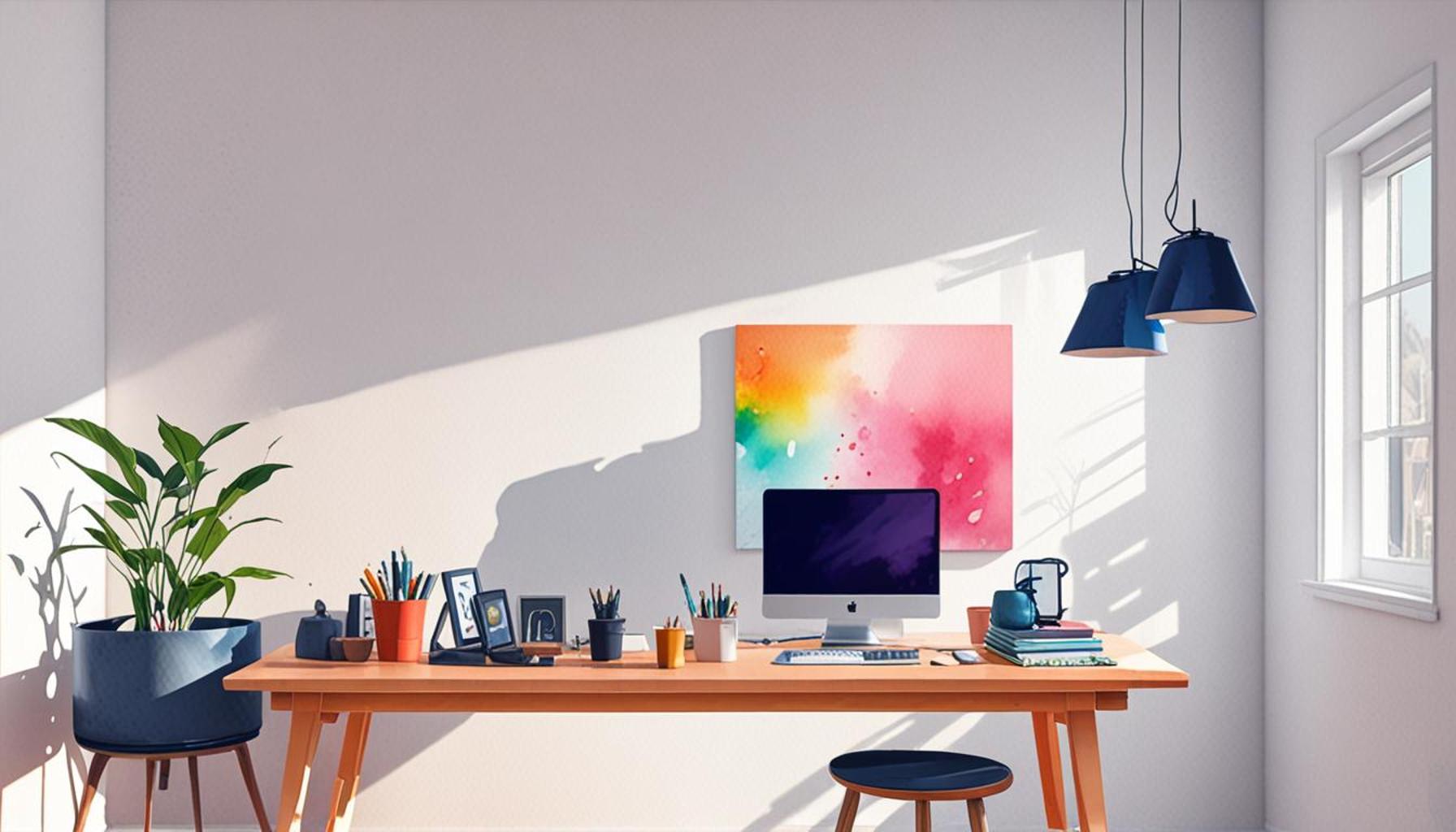
- Accents: Thoughtfully placed accents, whether in the form of artwork, plants, or decorative items, provide focal points that guide the eye through the space. A bold piece of artwork or a singularly vibrant plant can serve as an anchor, adding intrigue without cluttering the ambiance.
Embarking on the journey of color and texture selection in your minimalist space will not only enhance its aesthetic appeal but also invite a unique atmosphere that promotes tranquility. By exploring these design fundamentals, you can cultivate your own serene oasis that resonates with both style and comfort. Dive deeper into the art of palette selection, and discover how even the simplest of elements can lead to extraordinary environments.
DISCOVER MORE: Click here to learn about mindful decluttering
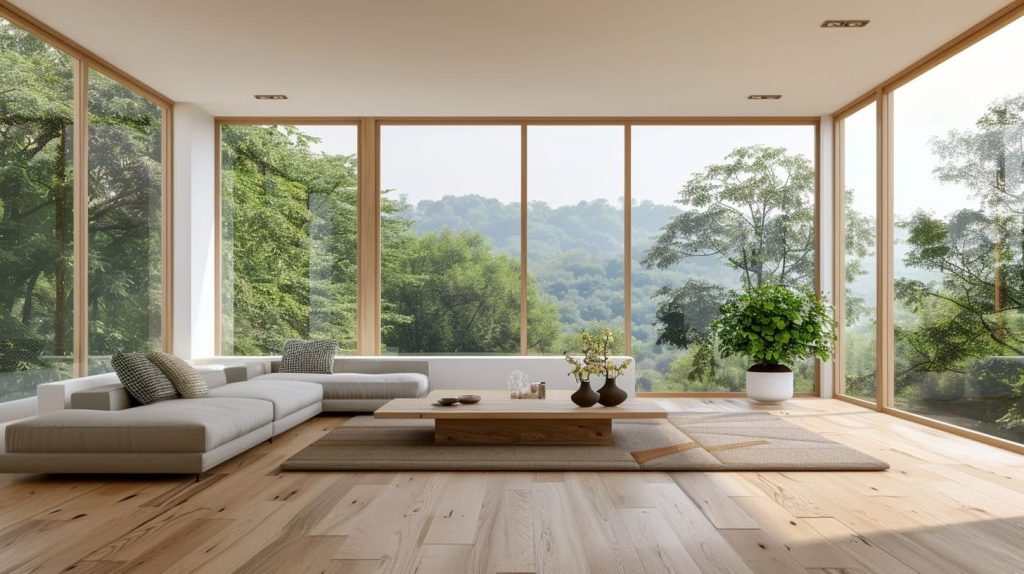
Choosing the Right Color Palette for Minimalist Spaces
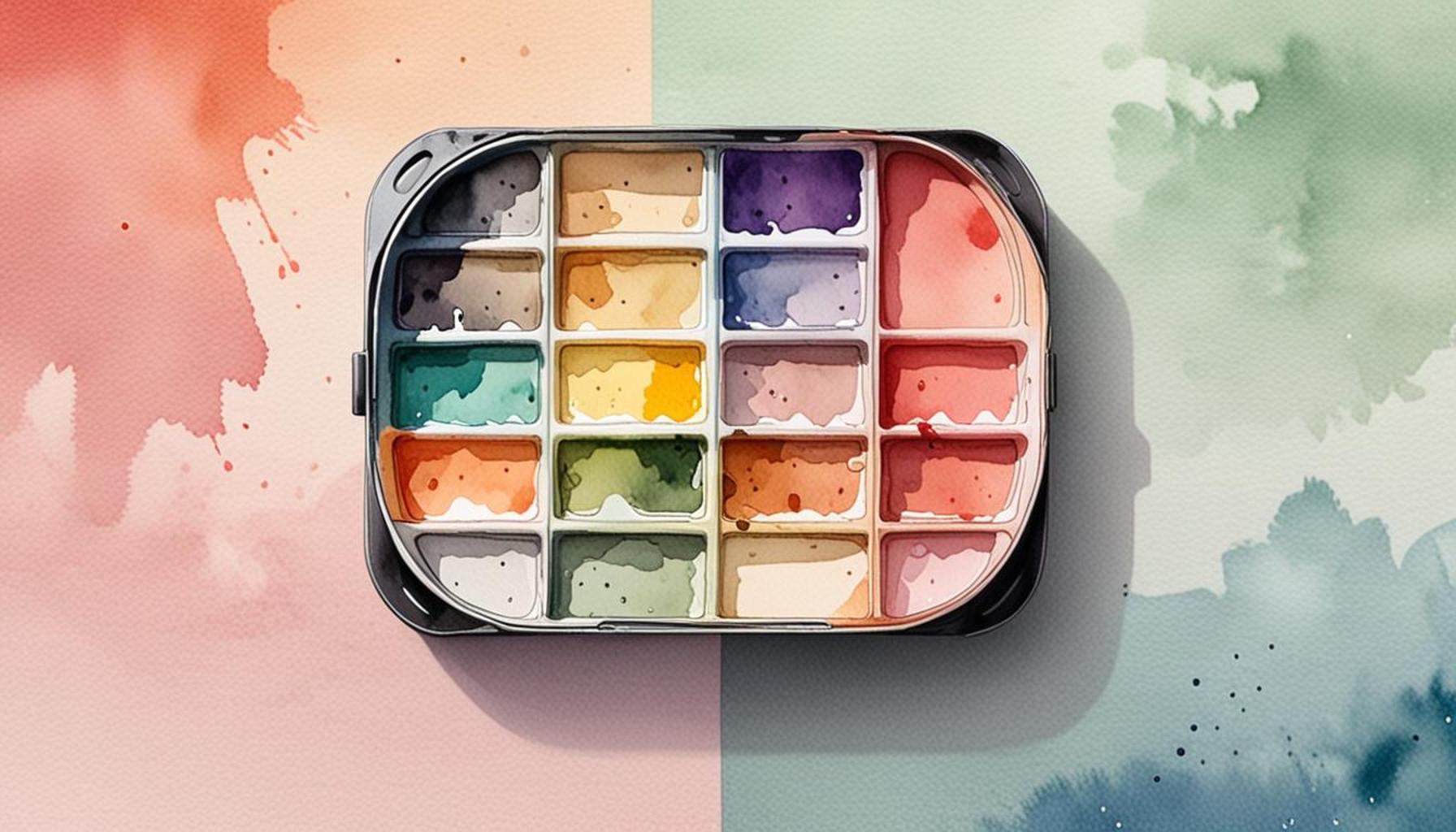
When it comes to minimalist design, color is a powerful tool that can shape perceptions of space. The right palette can make a room appear not only larger but also more cohesive and inviting. To begin harnessing this potential, consider these factors:
- Neutral Bases: A foundation of neutral colors serves as a blank canvas, allowing other design elements to shine. Shades like soft beige, dove gray, and crisp white are versatile and can complement a variety of textures and accent colors. By employing a predominant neutral base, you can create a fluid, open environment that sets the stage for strategic accents.
- Monochromatic Schemes: A monochromatic color scheme—varied shades of a single hue—can enhance the illusion of depth and space. For instance, utilizing different tones of blue throughout a room, from pale sky to deep navy, can create a harmonious aesthetic while visually elongating the walls. This technique also reduces visual clutter, a key aspect of minimalist living.
- Accent Walls: Introducing an accent wall can bring dynamism to a minimalist space without overwhelming it. Consider a bold color or a unique texture, like a matte finish or refined wallpaper. This focal point encourages exploration and adds a sense of layering without compromising the simplicity of the overall design.
Besides the color choices, the way these colors interact with light is vital in shaping the atmosphere. Natural light can dramatically alter the perception of color; thus, it’s essential to take lighting into account when selecting your palette. Here are some insights into optimizing color and light:
- Light Reflection: Surfaces with a high reflectivity, such as glossy paint or glass, can bounce light around the room, enhancing brightness and the sensation of an airy space. Soft satin finishes on walls can also help reflect light while maintaining a sophisticated look.
- Dimming the Mood: Conversely, darker colors absorb light, which can create a cozy ambiance but may also make a space feel smaller. To counter this effect, combine dark shades with ample lighting or incorporate lighter accents to maintain balance.
- Seasonal Variations: Many people overlook how colors can shift with the seasons. Warmer tones may be particularly appealing during colder months, while cooler shades can refresh a space in summer. Being mindful of color and texture changes can keep your minimalist environment feeling vibrant and dynamic year-round.
Ultimately, the key to successfully choosing a color palette in minimalist environments rests on balancing between your desired atmosphere and functional simplicity. From soft color gradients to impactful textural contrasts, every choice contributes to how space is perceived and experienced. As you delve into developing these color strategies, remember that minimalism is not solely defined by simplicity but by thoughtful intention that fosters style, comfort, and openness.
| Advantage | Description |
|---|---|
| Enhanced Spatial Perception | Choosing specific color palettes combined with textures can significantly influence how we perceive space. Light colors, like soft whites and pastels, tend to create a sense of openness compared to darker hues. |
| Texture Variation | Incorporating various textures alongside minimalist color schemes adds depth and interest to a space. Smooth surfaces contrast with rougher textures, creating visual intrigue without overwhelming the senses. |
When considering the complex relationship between color and texture, it becomes evident that they are not merely decorative elements; they are architectural tools that enhance a minimalist setting. The meticulous selection of a color palette not only customizes the aesthetic but also drastically impacts how one interacts with a given environment. For instance, the seamless integration of gentle earth tones can evoke a tranquil atmosphere, ideal for a minimalist approach. Moreover, the combination of textures in furnishings and décor can lead to an engaging sensory experience, pushing the boundaries of minimalism into a realm of subtle sophistication. Textures like linens, woods, and metals can provide unique contrasts that draw attention to the aesthetic value of simplicity. In tandem with light-reflecting colors, these elements can manipulate ambient light, ultimately expanding the perceived dimensions of a space. The careful balance of color and texture is essential in crafting minimalist environments that are not just functional but deeply emotive, allowing inhabitants to experience an enhanced sense of space and serenity.
DISCOVER MORE: Click here to learn innovative decluttering techniques
Incorporating Textures for Depth and Interest
While color is undeniably significant in establishing the sense of space in minimalist environments, the role of texture cannot be overlooked. Textures add valuable tactile elements that enhance visual depth and complexity, making a minimalist space feel more inviting and layered. Here are several ways to integrate texture into your minimalist design:
- Natural Materials: Wood, stone, and concrete are excellent choices for introducing texture without overwhelming the minimalist aesthetic. For example, a reclaimed wood accent wall can provide warmth and character against a neutral backdrop. Additionally, stone countertops or concrete flooring offer a sophisticated contrast that bolsters a clean design approach while retaining an organic feel.
- Textile Variety: Incorporating different fabrics—like a soft wool throw, linen cushions, or cotton drapes—can help create a welcoming atmosphere. Layering textiles not only enhances comfort but also breaks the monotony of flat surfaces. When choosing fabrics, consider opting for muted tones or subtle patterns that harmonize with your color palette while adding dimensionality.
- Rug Placement: Area rugs serve as a fantastic means to delineate spaces within open floor plans—a common feature in minimalist homes. A textured rug in a natural fiber, such as jute or sisal, can anchor a seating area while infusing additional warmth. The interplay between the rug and surrounding décor solidifies a sense of space and invites interaction.
Creating Cohesion Through Layering
Effective design in minimalist spaces often hinges on the concept of layering, wherein various textures, colors, and materials work together cohesively. Layering can facilitate the effective flow of a room while maintaining that essential minimalism. Consider the following strategies:
- Visual Cohesion: To achieve a unified look, use color and texture in layers that mirror or complement one another. For instance, if your walls are painted in a soft gray, you might select a charcoal sofa and accent pillows featuring different patterns that include both gray and white. This technique creates a seamless visual pathway and maximizes the feeling of openness.
- Contrasting Textures: Experimenting with contrasting textures can elicit an unexpected depth that is essential in a minimalist environment. Pairing smooth surfaces like glass or lacquered wood with rougher elements—think textiles or unpolished stones—manifests intriguing contrasts that catch the eye. This dynamic allows for an exploration of visual interests while respecting minimalist principles.
- Accent Furniture: The selection of contemporary furniture plays a pivotal role in establishing texture and space. Opt for streamlined pieces, such as a minimalist dining table with a matte finish, to maintain openness. Supplement this with a sculptural lounge chair that features unique textures, allowing for personality to shine through in a subtle manner.
Overall, by thoughtfully combining colors with varied textures, you can construct a minimalist environment that feels expansive and inviting. Each layer contributes to a comprehensive narrative of space and simplicity, ensuring that every design choice enriches the experience without overwhelming the senses.
DISCOVER MORE: Click here to enhance your space
Conclusion: Mastering Minimalism with Color and Texture
In the world of minimalist design, the careful selection of colors and textures plays a pivotal role in creating an ambiance that feels spacious and inviting. By choosing a harmonious color palette that embraces soft neutrals and muted tones, you enhance the perception of openness, allowing light and air to flow freely throughout the space. The strategic implementation of texture, whether through natural materials like wood and stone or layered textiles, introduces depth and complexity without compromising the essence of minimalism.
Moreover, layering different elements can evoke a sense of visual interest that draws the eye and nurtures a welcoming vibe. Consider experimenting with contrasting textures and cohesive color schemes to create a dynamic yet balanced environment. Accent furniture, alongside thoughtful rug placements, can serve as focal points that add personality while maintaining a minimalist aesthetic.
As you explore the nuances of color and texture, remember that each design decision should contribute to a comprehensive narrative—one that speaks to the beauty of simplicity while enhancing the sense of space in your home. Whether you live in a compact apartment or a spacious loft, the principles outlined can guide you in crafting a tranquil and aesthetically pleasing sanctuary. Ultimately, mastering the art of minimalism with colors and textures invites a fresh perspective on living, breathing new life into every corner of your minimalist environment. Continue to redefine your space, keeping in mind that the thoughtful interplay between color and texture is the key to a harmonious and expansive home.