Clutter Removal for Caregivers: Strategies for Organizing Spaces for the Elderly or Disabled
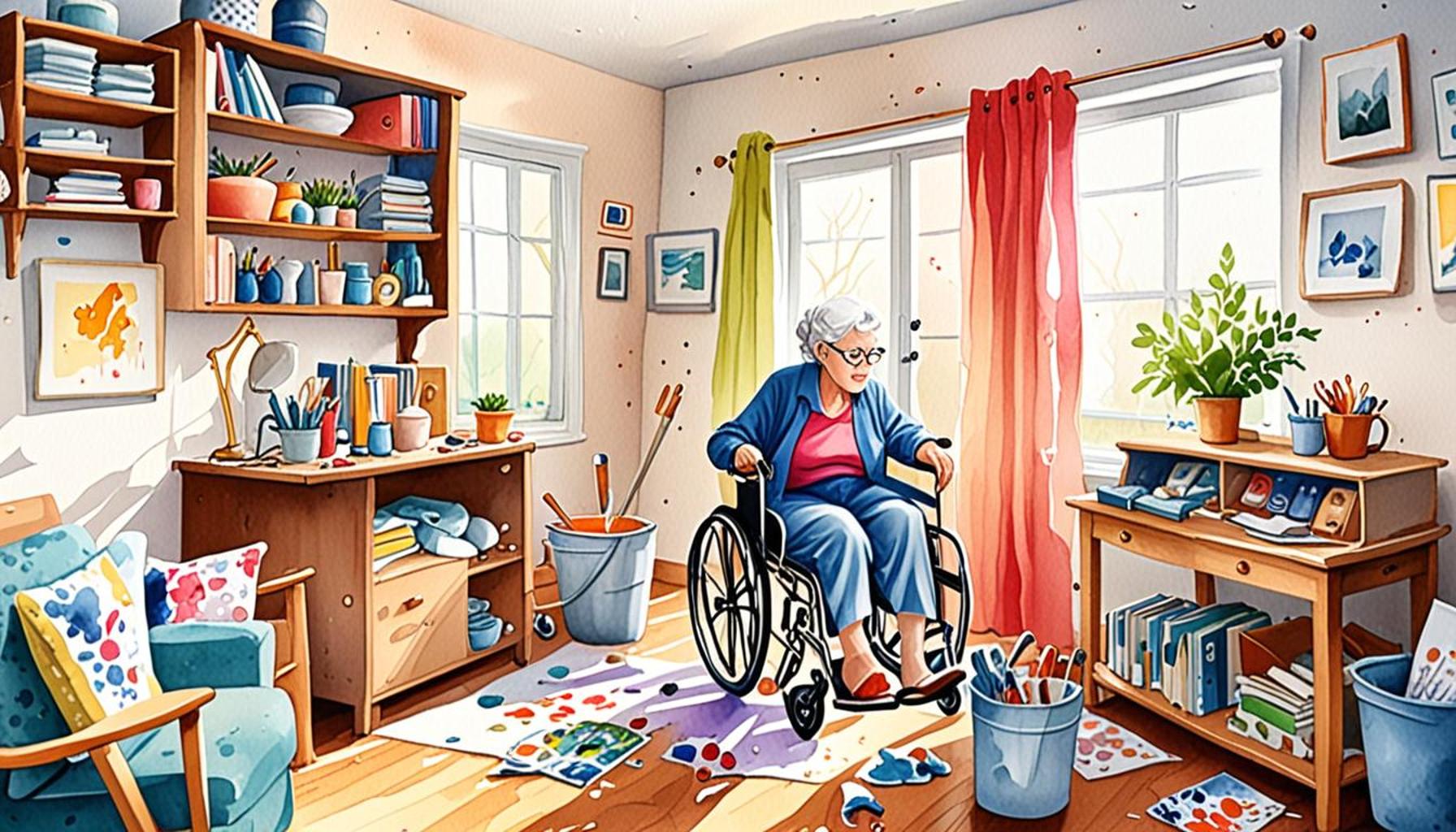
Understanding the Importance of an Organized Environment
For caregivers, creating an organized environment is crucial in managing the care of elderly or disabled individuals. A decluttered space not only enhances safety but also promotes a sense of calm and independence. This article explores effective strategies for organizing living areas to ensure comfort and accessibility. Caregivers often face the challenge of optimizing their clients’ living spaces to accommodate physical limitations while empowering them to maintain a level of autonomy.
Establishing Zones
One of the first steps in organizing a living space is to establish zones, which involves designating specific areas for different activities such as eating, resting, and hobbies. For example, having a dedicated dining area with accessible seating allows the individual to enjoy meals comfortably, while a nearby cozy reading nook can serve as a retreat for leisure. By clearly defining these zones, caregivers help the person they are caring for navigate their space with more confidence, as they know where everything is and what the designated function of each area is.
Utilizing Vertical Space
Another effective strategy is utilizing vertical space. Many homes, especially those that are smaller, can benefit immensely from well-placed shelving and wall-mounted organizers. For instance, installing easy-to-reach shelves for books or decorative items not only frees up floor space but also makes it easier for elderly individuals to access their belongings without straining themselves. Additionally, overhead organizers in closets can be valuable for storing seasonal or infrequently used items, keeping them out of the way yet accessible when needed.
Minimizing Duplicates
Minimizing duplicates is essential in creating a manageable living environment. Caregivers should regularly evaluate necessary items to prevent overcrowding and facilitate easier navigation. For instance, maintaining only one set of essential kitchen utensils instead of multiple will reduce confusion and make cooking safer. By closely assessing what items are truly needed, caregivers can create a more organized, efficient, and inviting space that promotes a smoother day-to-day routine.
Organizing for the elderly or disabled goes beyond aesthetics; it is a vital component of caregiving that enhances quality of life. Research indicates that a well-organized space can significantly reduce risks of accidents, such as falls, which are a major concern for this demographic. Additionally, implementing specific strategies tailored to the individual’s needs helps cultivate a greater sense of control over their environment, making complex tasks feel achievable and minimizing stress levels.
In this article, we will delve into practical and innovative methods of clutter removal that can transform any caregiving situation. From thoughtfully sorting through belongings to creating a supportive atmosphere that encourages independence, caregivers can play a key role in ensuring that spaces are not only tidy but also functional and inviting. Understanding the individual’s preferences and capabilities will go a long way in fostering a secure and comfortable living environment, ultimately enhancing their well-being and quality of life.
Practical Steps for Effective Clutter Removal
When it comes to clutter removal for the elderly or disabled, having a clear, actionable strategy is key. Caregivers can employ several practical steps to create an organized and accessible living environment that caters to the unique needs of each individual. These steps not only help to declutter but also facilitate a sense of belonging and independence. Here, we outline some of the most effective methods to implement.
Sorting and Categorizing Belongings
The first step in a successful decluttering process is sorting and categorizing belongings. Caregivers should assess the items in each room and categorize them based on their functionality and frequency of use. This can be done using the following categories:
- Essential Items: These are daily necessities such as medications, personal hygiene products, and frequently used kitchen items.
- Seasonal Items: Clothing or decorations that are used only at certain times of the year can be packed away to free up space.
- Sentimental Items: While these items may hold emotional value, it is essential to limit their number to avoid overwhelming the space.
- Unnecessary Items: Items that are broken, outdated, or rarely used should be evaluated for potential donation or disposal.
Engaging the individual in the sorting process is essential. This not only fosters a sense of control but also enhances emotional well-being. By encouraging them to make decisions about what to keep or discard, caregivers can ensure that the space reflects the individual’s preferences.
Incorporating Smart Storage Solutions
In addition to sorting, incorporating smart storage solutions can significantly declutter spaces. Caregivers can utilize bins, baskets, and drawer dividers to keep items organized and easily accessible. For example:
- Clear Bins: Transparent storage bins allow individuals to quickly identify the contents without having to dig through clutter.
- Drawer Organizers: These are ideal for keeping utensils, tools, and personal items neatly arranged.
- Rolling Carts: These serve as portable storage units that can easily be moved from room to room, providing flexibility.
Utilizing these smart solutions makes it easier for caregivers to maintain an organized environment and enables the elderly or disabled individuals to find what they need without added stress. An organized space reduces the likelihood of accidents and enhances the individual’s quality of life by fostering independence.
Ultimately, the goal of clutter removal is to create a living space that promotes safety and accessibility while honoring the individual’s way of living. By implementing thoughtful organization strategies, caregivers can contribute significantly to the well-being and comfort of their clients, making every day a bit more manageable.
| Category | Benefits |
|---|---|
| Enhanced Safety | Reducing clutter can minimize the risk of falls and accidents, particularly important for the elderly or disabled. |
| Increased Functionality | Organized spaces allow for easier access to necessary items, helping caregivers and their loved ones maintain independence. |
Expanding on the strategies for organizing spaces, it’s crucial to consider the role of storage solutions. Utilizing vertical space, decluttering regularly, and employing labeled storage can be game-changers in creating a user-friendly environment for caregivers and those they assist.Implementing the ‘one in, one out’ rule can be particularly effective. For every new item brought into a space, another should be removed. This helps to keep clutter at bay and ensures that only necessary items are retained. Incorporating mobile storage units can also provide flexibility, allowing for adaptations as needs change.Moreover, involving the elderly or disabled individual in the process fosters a sense of control and ownership over their space, which can significantly enhance their well-being. Creating a routine for regular cleanup and organizing can encourage a healthier, more engaged lifestyle.Lastly, exploring community resources such as local charities or services that assist with decluttering can relieve some of the burdens that caregivers may face, making the entire process more manageable and effective.
Empowering Independence Through Thoughtful Design
Beyond sorting and storage, thoughtful design plays a pivotal role in the clutter removal process for elderly or disabled individuals. An environment that caters to their specific needs can empower them, improve their self-confidence, and enhance their overall quality of life. Here are several design strategies that caregivers can adopt to create functional and accessible living spaces.
Creating Open Pathways
One of the most important considerations in any living space for the elderly or disabled is the layout. Creating open pathways is essential to ensure safe and easy movement throughout the home. Furniture should be arranged to avoid cluttered and cramped areas, thus allowing individuals to navigate with minimal obstacles. It is recommended to maintain at least 36 inches of clear width for walking paths, which benefits those using mobility aids such as walkers or wheelchairs.
Additionally, consider using non-slip area rugs or opting for carpet-free zones to minimize the risk of trips and falls. By prioritizing space and clear pathways, caregivers can foster an environment that promotes both freedom of movement and safety.
Enhancing Visibility and Accessibility
Visibility and accessibility are crucial when decluttering spaces for the elderly or disabled. Caregivers should take into account the varying levels of mobility and visual impairments that individuals may experience. Proper lighting, for instance, can drastically improve a person’s ability to navigate their surroundings. Installing LED motion-sensor lights in dark hallways or around furniture can provide safety and peace of mind.
Storage solutions must also consider ease of access. For example, placing frequently used items at waist height can prevent unnecessary bending and reaching. Clear labeling of storage bins and shelves ensures that all items are easy to identify, while also reducing frustration when searching for needed items.
Utilizing Multi-functional Furniture
Multi-functional furniture is another excellent way to declutter living spaces while enhancing utility and comfort. Items such as couches that convert into beds or ottomans with hidden storage compartments can significantly reduce clutter while serving multiple purposes. Furthermore, caregivers should consider lightweight furniture that can be easily moved to adapt to the needs of the individual, particularly if they require more space for activities.
In the kitchen, employing pull-out shelves or lazy Susans in cabinets can improve accessibility and encourage independence during meal preparation. The integration of adaptable furniture not only provides practical solutions but also emphasizes a sense of ownership and personalization in the space.
Implementing a Maintenance Routine
Lastly, implementing a maintenance routine is crucial in managing clutter over time. Caregivers can establish a weekly schedule to reassess the living space and encourage the individual to participate in maintaining organization. Simple tasks such as organizing drawers, clearing countertops, and decluttering can become an enjoyable activity rather than a chore when approached collaboratively.
By prioritizing regular maintenance, caregivers can ensure that the space remains tidy and manageable, allowing individuals to navigate their homes with ease and confidence. Employing these strategies not only streamlines clutter removal but ultimately enhances the dignity and autonomy of those who require assistance.
Conclusion: Fostering Well-Being Through Thoughtful Clutter Management
As caregivers, the responsibility of fostering a safe and comforting environment for elderly or disabled individuals cannot be overstated. Clutter removal is not merely about tidying up; it is a transformative strategy that enhances safety, promotes independence, and improves overall quality of life. By implementing intentional design strategies such as creating open pathways, enhancing visibility and accessibility, utilizing multi-functional furniture, and establishing a regular maintenance routine, caregivers can significantly impact the daily experiences of those they support.
More than just physical organization, these strategies represent a commitment to improving the emotional and psychological well-being of individuals. A clutter-free space allows seniors and disabled individuals to move with confidence and engage in their surroundings without barriers. This promotes a sense of ownership, privacy, and autonomy that is crucial for self-esteem and dignity.
It is essential for caregivers to continuously educate themselves on innovative organization techniques and adapt to the unique needs of each individual. By staying informed about the latest clutter management trends and safety solutions, caregivers can ensure they are providing the best possible support. Ultimately, the goal is not only to create a functional and organized living space but also to empower individuals, fostering their independence and enhancing their quality of life.
As you delve deeper into the art of clutter removal, remember that every small change can make a significant difference. For those dedicated to making life easier for the elderly and disabled, the journey toward effective organization is one filled with opportunities for growth, understanding, and profound impact.