
Clutter and Relationships: Navigating the Impact of Disorganization on Family Dynamics
The Hidden Impact of Clutter on Family Dynamics
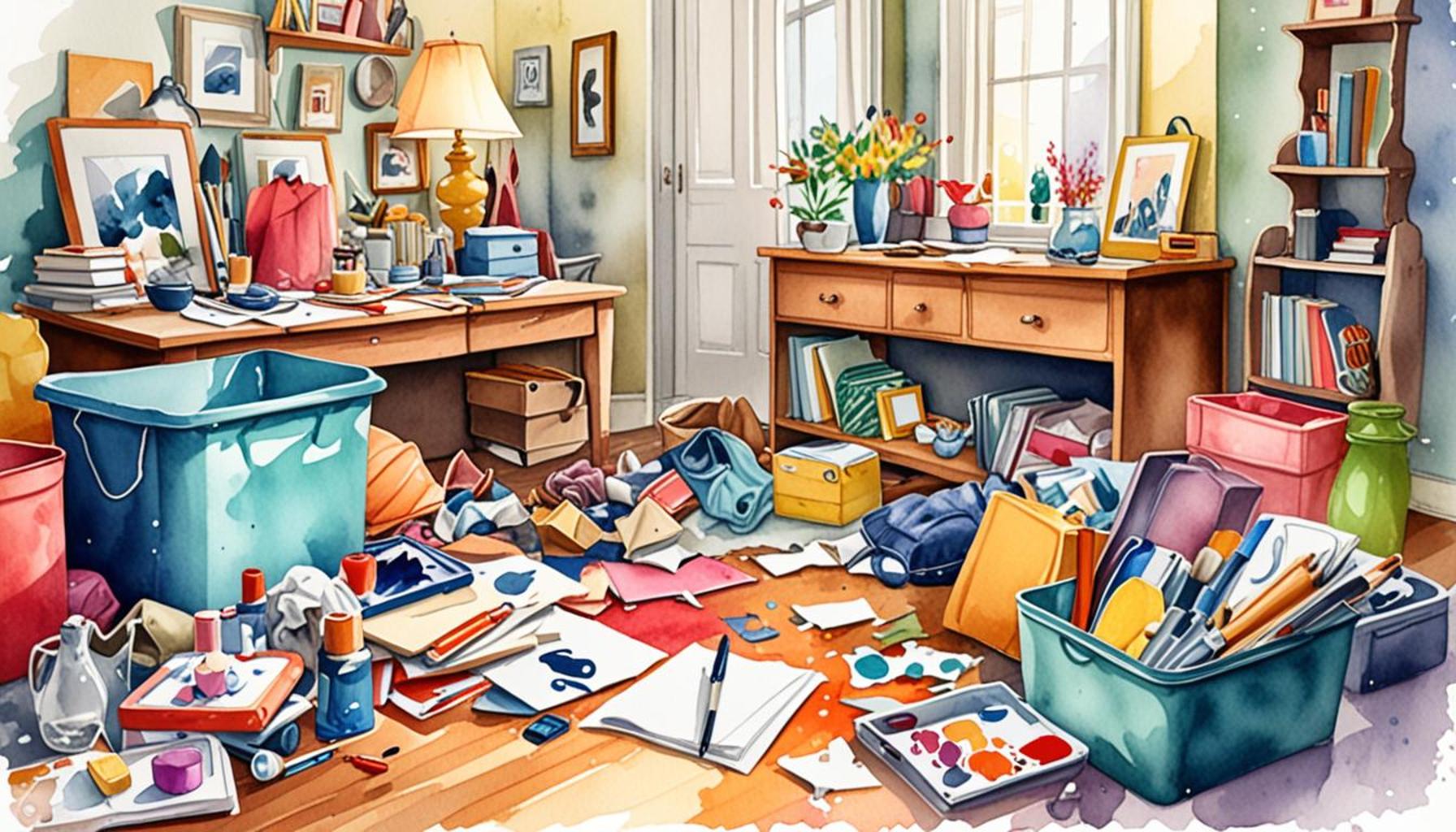
In many households across the United States, clutter is not merely a nuisance; it serves as a silent shaper of the family dynamics within those spaces. Our living environments often mirror the emotional landscape of our relationships. When disorganization sets in, the consequences can extend far beyond an untidy room, leading to a cascade of interpersonal issues that can strain family units.
One of the most prominent ways clutter affects family relationships is through increased stress levels. A chaotic environment can elevate anxiety among family members. For instance, imagine coming home after a tiring day at work, only to be greeted by piles of unwashed dishes, overflowing laundry baskets, and scattered toys. This overwhelming sight can lead to frustration and irritability, sparking conflicts over who is responsible for the mess. According to a study published in the Personality and Social Psychology Bulletin, individuals living in cluttered homes report higher levels of stress and fatigue compared to those who maintain organized spaces.
Another significant effect of clutter is the decreased communication within the family. When the atmosphere is laden with disarray, family members may consciously or subconsciously avoid interactions, fearing an escalation of tensions related to tidiness. For example, parents might choose to spend time in separate rooms rather than tackle messes together, leading to feelings of isolation and disengagement. Over time, this avoidance can erode communication, creating a rift in what would otherwise be an actively engaged family unit.
Furthermore, clutter often leads to less quality time spent together. Spaces laden with disorganization are less inviting for family gatherings or activities. Consider a family game night or movie marathon that gets derailed because the living room is a chaotic mix of old toys, cluttered furniture, or scattered belongings. Instead of bonding over shared experiences, family members may find themselves retreating to their individual spaces, creating a sense of disconnection. This impedes the creation of cherished memories that solidify family bonds.
As families navigate their daily routines, the implications of clutter do not just impact immediate interactions; they manifest in systemic ways that can foster blame and resentment. Family members might point fingers at each other, attributing the prevailing mess to one another, ultimately straining relationships further. Understanding the multifaceted nature of these dynamics is essential for promoting healthier interactions within the family unit.
Moreover, research underscores that messy homes often generate a sense of chaos that can affect emotional well-being. A tidy and well-maintained space is frequently associated with improved mental health, leading to enhanced overall family satisfaction. Exploring the intricate relationship between clutter and family dynamics opens a window to valuable insights that can help families cultivate stronger, more meaningful connections. By addressing clutter with intention and collective effort, families stand to benefit not only from a cleaner home but also from a more harmonious and supportive environment.
DIVE DEEPER: Click here to discover more strategies
Understanding the Layers of Clutter’s Impact
The ramifications of clutter extend beyond the practical challenges of managing physical space; they strike at the very core of family dynamics. As families juggle various responsibilities and activities, disorganization can create a feedback loop of negativity and tension. It’s essential to dissect these layers of impact to better comprehend how disorganization can influence interpersonal relationships.
Emotional Toll and Mental Health
One of the critical aspects of the clutter-conundrum is its toll on mental health. Research indicates that individuals residing in cluttered environments often report heightened feelings of anxiety and depression. A cluttered home can serve as a constant reminder of unfinished tasks and unresolved conflicts, preventing family members from fully engaging with one another. This ongoing distraction builds a barrier between family members, who may struggle to focus on essential discussions when wrestling with the visual noise of a disorganized space.
Moreover, the emotional baggage associated with clutter can manifest in several ways, including:
- Increased irritability: Family members may find themselves on edge, responding with frustration to minor inconveniences.
- Overwhelm and helplessness: The sheer volume of clutter may cause family members to feel powerless, often leading to avoidance rather than proactive solutions.
- Depression and withdrawal: When spaces become uninviting, individuals may retreat into isolation rather than seek connection.
The Role of Communication
Clutter can also play a significant role in compromising effective communication. The inability to find items when needed or the emotional weight of clutter often results in family members feeling unheard or misunderstood. Consider a family meeting intended to address pressing issues; when members are distracted by the state of their environment, the conversation can derail, leading to misinterpretations and unresolved grievances. A study from the American Psychological Association highlights that when family members prioritize tackling clutter collectively, they not only improve their living space but also foster an environment conducive to open communication.
Furthermore, the state of one’s home can inadvertently determine the quality of discussions within. Families might hesitate to invite friends over, fearing judgment over their disorganized environment, which exacerbates social isolation and contributes to feelings of inadequacy.
Creating Havens for Connection
Transforming cluttered spaces into organized sanctuaries can pave the way for meaningful interactions. By establishing routines for tidiness and utilizing organizational tools, families can reclaim their environments and, consequently, their connections. Recognizing the shared responsibility in maintaining a harmonious space can also shift the focus toward teamwork, fostering collaboration rather than discord.
The next critical step involves redefining perspectives on clutter. Viewing disorganization not merely as a physical issue but as a relational challenge can inspire families to address the root causes of clutter together. By initiating this dialogue, families can work toward repairing fractures caused by clutter, thereby reinforcing the bonds that unite them.
Understanding the Family Dynamics Affected by Clutter
The impact of clutter on family dynamics extends far beyond mere aesthetics. Clutter can serve as a significant source of stress and anxiety in households, leading to increased conflict among family members. A disorganized environment can drastically alter interactions between parents and children, creating a backdrop for misunderstandings and tension. Families often find themselves arguing about household chores and the state of common areas, which can strain relationships and diminish overall harmony.Research indicates that individuals living in cluttered spaces experience heightened levels of stress, contributing to a negative mood and irritability. This emotional burden can ripple through family interactions, creating a cycle of conflict that is hard to break. Furthermore, the presence of physical disorganization often signals deeper emotional or psychological issues that may require attention, such as anxiety or depression.One crucial aspect is how clutter impacts communication. When a space is chaotic, it becomes difficult for families to engage in open, meaningful conversations. Families may avoid discussing their feelings and resolving conflicts, opting instead to retreat into their own cluttered spaces. This avoidance can lead to a breakdown in trust and understanding, escalating existing issues.Moreover, clutter can detract from quality family time. Shared activities, such as family dinners or game nights, may be overshadowed by the pressures of an untidy environment. Families may find themselves constantly distracted, preventing them from enjoying each other’s company fully. Establishing a clean, organized home is essential for nurturing healthy relationships and fostering a supportive environment.By addressing the clutter in their lives and making conscious efforts to declutter both physical and emotional spaces, families can pave the way for improved connections and stronger bonds. Implementing organizational systems and involving the entire family in the process allows for shared responsibilities, promoting teamwork and collaboration—skills that are essential for healthy family dynamics. Thus, by prioritizing organization, families can improve not only their living conditions but also the quality of their relationships.
DISCOVER MORE: Click here to learn how to declutter your digital life
Clutter: A Catalyst for Conflict and Disconnection
While the emotional and communication issues stemming from clutter are significant, another crucial layer involves the direct impact of disorganization on family conflict. A common scenario involves parenting, where differences in tolerance for clutter can lead to friction between partners or among siblings. For example, one parent may prioritize a clean living room as a space for family bonding, while the other might disregard it in favor of letting children play freely. This contradiction often results in heated debates, as differing values clash in an environment already strained by the clutter itself.
Perceptions of Clutter and Its Ownership
Perception of clutter can become a sizable weight on family dynamics, particularly when responsibility for maintaining order is unequal. Studies reveal that in many households, individuals may harbor feelings of resentment towards those whom they believe are contributing less to the upkeep of shared spaces. The perceived inequity can escalate tensions and lead to outbursts, creating an environment of resentment rather than support. A survey conducted by the National Association of Professional Organizers highlighted that nearly 73% of respondents expressed feeling overwhelmed by clutter, with many attributing this strain to conflicts over ownership of the mess.
The Ripple Effect of Disorganization
Clutter doesn’t merely disrupt routine; its ramifications can extend into broader domains of family life. Children raised in cluttered environments may internalize negative associations with organization, leading them to struggle with their spatial awareness, focus, and task completion. Research from the University of California suggests that children exposed to chaotic physical environments often exhibit symptoms akin to those of Attention Deficit Hyperactivity Disorder (ADHD). As such, disorganization can unwittingly cultivate conditions that inhibit a child’s ability to thrive academically and socially.
Furthermore, familial relationships outside the immediate household can become frayed due to the presence of clutter. Grandparents or extended family members may feel uncomfortable visiting a home that feels chaotic, leading to decreased familial interaction and engagement. Social isolation not only exacerbates existing tensions within the home but also limits the family’s network of support, essential for healthy emotional development.
Paving the Way to Solutions
Transitioning to a more organized lifestyle requires collective commitment. Families can benefit from setting aside regular time for decluttering sessions, making the process an engaging activity, rather than a burdensome chore. This shared endeavor can ignite a spirit of unity, encouraging family members to work together toward a common goal. Establishing a reward system for achieving organizational milestones might further cement these efforts, fostering a sense of accomplishment and togetherness.
Additionally, families should consider implementing organizational strategies tailored to their unique dynamics. For instance, involving children in the decision-making process regarding how to organize shared spaces can give them a sense of ownership and responsibility. By encouraging every family member to express their preferences and needs, households can craft an arrangement that satisfies everyone, alleviating potential sources of conflict.
Understanding that clutter is a systemic issue rather than merely an individual shortcoming can open channels for compassion and dialogue among family members. By reframing the conversation around clutter to encompass teamwork, empathy, and understanding, families can effectively navigate the intricacies of disorganization and cultivate a space that nurtures loving relationships.
DISCOVER MORE: Click here to learn how decluttering can transform your productivity
Understanding the Path Forward
In conclusion, the intersection of clutter and family dynamics is a complex realm that can significantly influence emotional well-being and interpersonal relationships. The disruptive power of disorganization can lead to conflict, resentment, and miscommunication among family members, exacerbating issues that might already exist. However, by recognizing the effects of clutter on their relationships, families can take meaningful steps toward fostering organizational harmony.
It is evident that a collective approach to decluttering can transform a household. Designating time for family cleaning sessions, creating structured organizational systems, and fostering open dialogue about clutter can serve as effective strategies for building cohesion. Engaging children in these efforts not only teaches responsibility but also empowers them, reinforcing family bonds as they work together toward a shared objective.
Moreover, recognizing that clutter stems from a blend of personal habits, emotional states, and social dynamics can inspire empathy among family members, paving the way for a supportive environment. Families must understand that clutter is not solely an individual flaw but rather a challenge to overcome collectively.
As families navigate the journey of managing clutter, the potential for deeper connection and healthier relationships becomes ever more visible. By prioritizing organization, families can reduce conflict and create a nurturing home environment that promotes emotional growth and well-being. The road may be challenging, but the rewards of a more organized life are worth the effort, fostering love, unity, and resilience within the family unit.