Menu

Smart Storage Systems: How to Use Technology to Increase Spatial Efficiency

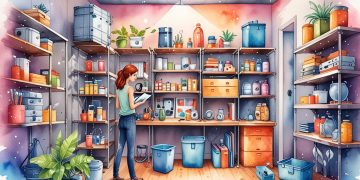
Smart storage systems leverage innovative technology to enhance spatial efficiency in both homes and offices. By incorporating automated shelving, app-enabled solutions, and modular designs, these systems transform cluttered environments into organized, multifunctional spaces. Embracing smart storage promotes productivity, reduces stress, and fosters creativity in urban living.

Cores and Textures: How to Choose Palettes That Enhance the Sense of Space in Minimalist Environments

This article explores the significance of colors and textures in minimalist design, highlighting how strategic palette selection can enhance the perception of space. It emphasizes the use of light colors, texture variety, and layering techniques to create inviting atmospheres while maintaining simplicity, transforming minimalist environments into serene, expansive retreats.

Flexible Spaces: Designing Environments that Adapt to Everyday Needs

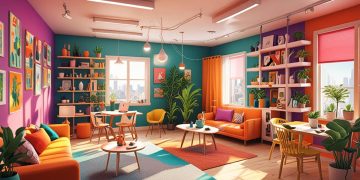
Explore the transformative concept of flexible spaces, designed to adapt to diverse daily needs. These adaptable environments incorporate modular furniture, multi-purpose areas, and smart technology, enhancing functionality and productivity while promoting sustainability. Embrace the future of living and working spaces that foster connection and well-being.

Vertical Organization: How to Optimize Your Space with Shelves and Vertical Storage

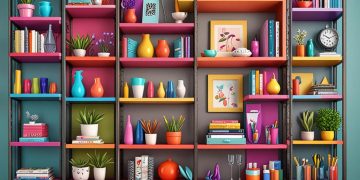
Discover how vertical organization can transform your living and workspace by maximizing storage potential with shelves. This approach enhances accessibility, promotes aesthetic appeal, and frees up floor space, all while fostering creativity in design. Explore practical strategies to optimize your environment efficiently and stylishly using vertical storage solutions.

The Art of Organizing: Strategic Arranging Techniques for Small Spaces

Maximizing small spaces requires creativity and strategic arranging techniques. Embrace multi-functional furniture, utilize vertical storage, and implement effective decluttering methods. By incorporating innovative solutions like hidden storage and zoning, you can transform clutter into organized, functional areas, enhancing both aesthetics and utility in your home.

Mirrors and Space Illusions: How to Use Reflections to Enhance Minimalist Environments

Discover how mirrors can transform minimalist environments by enhancing spatial perception, increasing light, and creating depth. Strategic placement and thoughtful integration of reflective surfaces amplify visual interest while maintaining simplicity. Embrace the art of reflection to elevate your design and craft harmonious, inviting spaces.

Creating Open Spaces: How Natural Lighting Contributes to Spatial Efficiency

This article explores how natural lighting enhances spatial efficiency in urban design. By integrating daylight, architects can create inviting, productive, and sustainable public spaces. The benefits include improved aesthetics, increased community engagement, and reduced energy consumption, demonstrating the vital role of natural light in shaping vibrant environments.

Stackable Furniture: Creative Solutions for Minimal and Functional Spaces

Stackable furniture offers innovative solutions for maximizing small living spaces, combining functionality with stylish design. Ideal for minimalistic homes, these versatile pieces save space, enhance aesthetics, and provide multi-purpose utility, making them perfect for modern urban lifestyles. Embrace stackable furniture to create an efficient and elegant living environment.

Minimalist Lifestyles: Interior Design Inspirations that Optimize Space and Promote Well-Being

Explore the transformative power of minimalism in interior design, which optimizes space and enhances well-being. This philosophy promotes serene, clutter-free environments through elements like open concepts, neutral palettes, and natural materials, fostering clarity, mindfulness, and emotional health for a more intentional lifestyle.

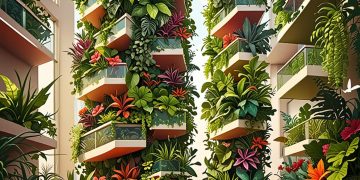
Vertical Gardens: Integrating Nature and Spatial Efficiency in Indoor Environments

As urban living increases, vertical gardens are emerging as a vital solution for enhancing indoor environments. These innovative green walls improve air quality, optimize space, and promote well-being while integrating nature into compact living areas. Their aesthetic appeal and eco-friendly benefits make them essential for sustainable urban living.