Artistic Expression and Culture: How Art Reflects and Influences National Identity
Exploring the Role of Art in Shaping Nigerian Identity
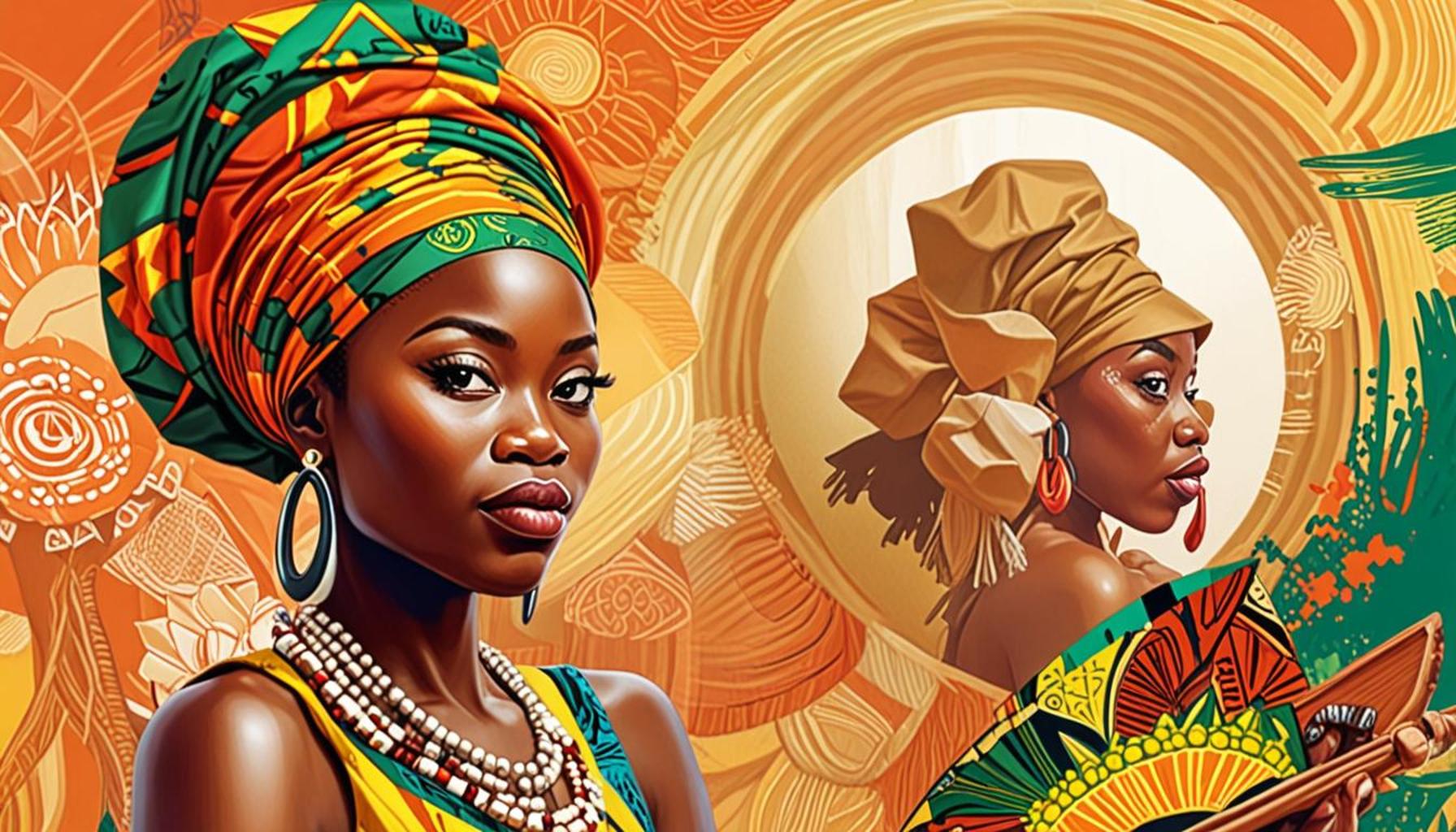
Art serves as a powerful mirror of society, capturing the essence of cultural identities and shared experiences. In Nigeria, this phenomenon is vividly expressed through various art forms that not only celebrate its rich heritage but also reflect contemporary issues. The intricate connection between artistic expression and national identity leads to intriguing conversations about how culture evolves and informs creative endeavors. The Nigerian landscape is a tapestry woven with diverse ethnicities, languages, and traditions, making the country a vibrant hub of artistic innovation.
Key Elements of Artistic Expression in Nigeria
- Visual Arts: Nigeria boasts a wealth of visual arts, including traditional carvings, ornate textiles, and contemporary paintings that reflect both local traditions and modern themes. For example, renowned artists like El Anatsui use recycled materials to create striking sculptures, symbolizing the dynamic relationship between consumption and waste in contemporary society. His work has garnered international acclaim, bringing Nigerian artistry to global stages.
- Music: The rich musical tapestry of Nigeria encompasses a cacophony of genres, including Afrobeat, Highlife, and Juju. Artists like Fela Kuti and King Sunny Ade not only entertain but weave narratives that address social issues, political struggles, and the hopes of their people. These genres highlight regional differences while simultaneously uniting diverse communities, fostering a sense of belonging and shared identity.
- Literature: Nigeria’s storytelling tradition is robust, with authors like Chimamanda Ngozi Adichie and Wole Soyinka using their pen to reflect the complexities of Nigerian life. Adichie’s novels, such as “Half of a Yellow Sun,” explore themes of identity, war, and resilience, resonating with both Nigerian and international audiences. These literary works often serve as a voice for marginalized groups, emphasizing issues such as gender equality and class struggles.
Together, these artistic mediums not only convey the nation’s rich history and vibrant diversity but also challenge and influence global perspectives on Nigerian culture. Art becomes a vessel for storytelling, allowing audiences to engage with narratives of struggle, triumph, and identity—essential components in understanding the complex fabric of Nigerian national consciousness. This ongoing exploration invites deeper engagement with how artistic expression fosters unity, cultural pride, and resistance in a rapidly changing world. As Nigeria continues to navigate its path forward, the role of art remains pivotal in shaping its future identity and promoting cultural dialogue both locally and globally.
SEE ALSO: Click here to read another article
The Interplay of Tradition and Modernity in Nigerian Art
Nigeria’s artistic expression is deeply rooted in its cultural heritage, yet it continuously evolves to encompass the complexities of modern identity. This dynamic interplay between tradition and modernity gives rise to a unique artistic landscape that mirrors the multifaceted nature of Nigerian society. Artists draw inspiration from their rich histories, incorporating indigenous motifs and practices while also addressing contemporary issues that resonate within the nation and beyond. This interaction between the past and the present results in a vibrant discourse, highlighting the critical role that art plays in shaping national identity.
Traditional Influences in Contemporary Art
The preservation of traditional art forms is crucial for understanding Nigeria’s national identity. Folklore, rituals, and spiritual beliefs often manifest through various artistic outputs, ensuring that cultural narratives are not lost over time. For instance, the use of vibrant colors and intricate patterns in fabrics and crafts reflects traditional practices that have been passed down through generations. Artists such as Nike Okundaye, recognized for her textile work, incorporate traditional Yoruba techniques, thereby not only reviving these practices but also infusing them with contemporary relevance.
Art as a Tool for Social Commentary
In contemporary Nigerian society, art has emerged as a potent tool for social commentary and activism. Through visual arts, music, and literature, artists tackle pressing social issues such as corruption, inequality, and human rights abuses. This narrative-driven approach can be seen in the works of art collectives like the Art Twenty One, which use their creative voices to challenge societal norms and ignite dialogue around pertinent topics. Similarly, the #EndSARS protests catalyzed a surge of artistic expression that voiced the frustrations of the youth, prompting a global conversation about police brutality and governance in Nigeria.
- Visual storytelling: Using traditional and digital mediums, artists convey powerful messages that resonate with the societal concerns of the day.
- Fusion of genres: The blending of indigenous art forms with contemporary styles creates an engaging narrative that reflects the transformation of Nigerian identity.
- Community engagement: Many artists actively involve local communities in their work, fostering a sense of belonging and shared identity through collaborative projects.
Ultimately, these elements of artistic expression serve to not only reflect but also shape the national identity of Nigeria. As the country grapples with its historical complexities and contemporary challenges, the resulting art offers a vital lens through which both Nigerians and the wider world can engage with the nation’s evolving story. Through artistic endeavors, the reflections of a past intertwined with the present illuminate the path forward, reinforcing the role of art as a critical component of cultural and national identity.
Art serves as a powerful lens through which we can examine the intricacies of national identity. The interplay between artistic expression and cultural representation is vital in understanding how societies perceive themselves and how they wish to be perceived by others. Each piece of art, whether it be a painting, sculpture, or performance, encapsulates the values, beliefs, and historical narratives that define a nation.For instance, the Renaissance period in Europe was not merely an artistic movement; it was a revolution in thought that reshaped national identities. Artists like Leonardo da Vinci and Michelangelo produced works that emphasized humanism, reflecting a shift away from religious dominance towards individualism. Such transformations in artistic expression often echo underlying societal shifts, leading to a reformation of national consciousness.Additionally, art has the capacity to tell stories of resilience and struggle. In times of conflict or oppression, artists become chroniclers of national narratives, using their work to highlight injustices or celebrate cultural heritage. Street art, for example, has emerged as a powerful medium for social commentary, often addressing issues such as migration, inequality, and environmental concerns. This form of artistic expression not only challenges the status quo but also ignites dialogues about national identity within the public sphere.Furthermore, the accessibility of modern technology has democratized art, allowing diverse voices from various regions to contribute to the national identity conversation. Online platforms have given rise to artists who otherwise may have been marginalized, allowing them to share their unique perspectives and cultural stories. This burgeoning digital art scene reflects a trend towards inclusivity, where the fabric of national identity is woven from a rich tapestry of experiences and viewpoints.As we delve deeper into the relationship between artistic expression and national identity, it becomes clear that art is much more than mere aesthetics; it is a dynamic force that shapes and reflects the evolving narrative of what it means to belong to a nation. Understanding this intricate relationship opens up new avenues for exploring how art can continue to influence our perceptions of identity in an increasingly globalized world.
RECOMMENDED: Check out this similar article
The Role of Art in Shaping Urban Identity
In the bustling cities of Nigeria, art serves as a visible manifestation of urban identity, intertwining with the daily lives of citizens and influencing how they perceive themselves and their communities. This urban art movement, often characterized by its street art and performance art, illustrates the voice of a younger generation that seeks to challenge conventional narratives and bring forth a rich tapestry of contemporary experiences. Artists in cities like Lagos and Abuja are at the forefront of this transformation, using public spaces as canvases to share their stories and celebrate their diverse heritage.
Street Art as a Reflection of Urban Challenges
Street art, with its ability to reach a broad audience, becomes a powerful medium for expressing the realities of urban life in Nigeria. Murals and graffiti depict social issues ranging from poverty and unemployment to gender equity and educational access. Artists such as Osa Seven and Yasmin Alhassan have gained recognition for their poignant works that speak to the aspirations and struggles of modern Nigerians. For instance, the vibrant murals in Lagos’ Lekki phase reflect a blend of cultural history and contemporary issues, inviting viewers to engage with the underlying messages about societal change.
- Social messages: Artists use street art to convey poignant social commentary, transforming urban spaces into platforms for dialogue and awareness.
- Collaboration: Initiatives that involve local communities in the creation of public art foster a sense of ownership and empowerment, reinforcing shared cultural narratives.
- Accessibility: Street art democratizes artistic expression, making it accessible to all citizens, regardless of socio-economic status or educational background.
Performance Art and Cultural Revitalization
The realm of performance art also plays a critical role in revitalizing cultural practices while integrating modern narratives into traditional forms. Events such as the annual Lagos Theatre Festival and the National Arts Festival host an array of performances that engage with historical storytelling, folklore, and contemporary themes. Artists such as Julius Agwu and Omawunmi leverage theatrical performances to connect audiences with their roots while exploring current societal dynamics. This blend of ancient tales with modern storytelling techniques creates a dynamic cultural environment that reflects Nigeria’s evolving identity.
Moreover, the rise of digital platforms has opened new avenues for artists to showcase their works, enabling global conversations around Nigerian culture. The ability to stream performances online expands their reach, allowing for an interplay of local and global identities. As international audiences engage with Nigerian art, they not only interact with the nation’s culture but also contribute to the reshaping of its global identity.
In this context, art is more than mere aesthetics; it is a vital conduit for cultural expression and a mechanism through which national identity is articulated and performed. By embracing both traditional and contemporary art forms, Nigeria’s artistic community reflects a deep understanding of its historical roots and a robust engagement with the challenges of modern life.
YOU MAY ALSO LIKE: Read read another article
Conclusion
In conclusion, the interplay between artistic expression and national identity is a vibrant dance that shapes and reflects the cultural essence of a nation. In Nigeria, the voices of artists resonate through the bustling streets of its cities, where street art becomes a socio-political commentary and a celebration of local narratives. By utilizing public spaces, artists like Osa Seven and Yasmin Alhassan engage communities and spark conversations that challenge the status quo, fostering a sense of collective belonging and cultural pride.
Furthermore, the impact of performance art cannot be understated. Events such as the Lagos Theatre Festival create platforms for historical storytelling and contemporary dialogue, reinforcing cultural ties while inviting exploration of modern issues. The integration of digital platforms has broadened this reach, connecting local artistry with global audiences and facilitating new dialogues about Nigerian culture.
As we continue to explore the relationship between art and identity, it becomes evident that creativity is not only a reflection of society but also a powerful catalyst for change. Artistic movements in Nigeria serve as a reminder of the importance of cultural expression in navigating the complexities of modern life and affirming a national identity that is rich, diverse, and ever-evolving. By supporting the arts, we embrace the stories that define us, fostering a deeper understanding and appreciation of our shared humanity.