Art as a Tool for Activism: Expressing Ideas and Causes Through Creativity
Unleashing Creativity for Change
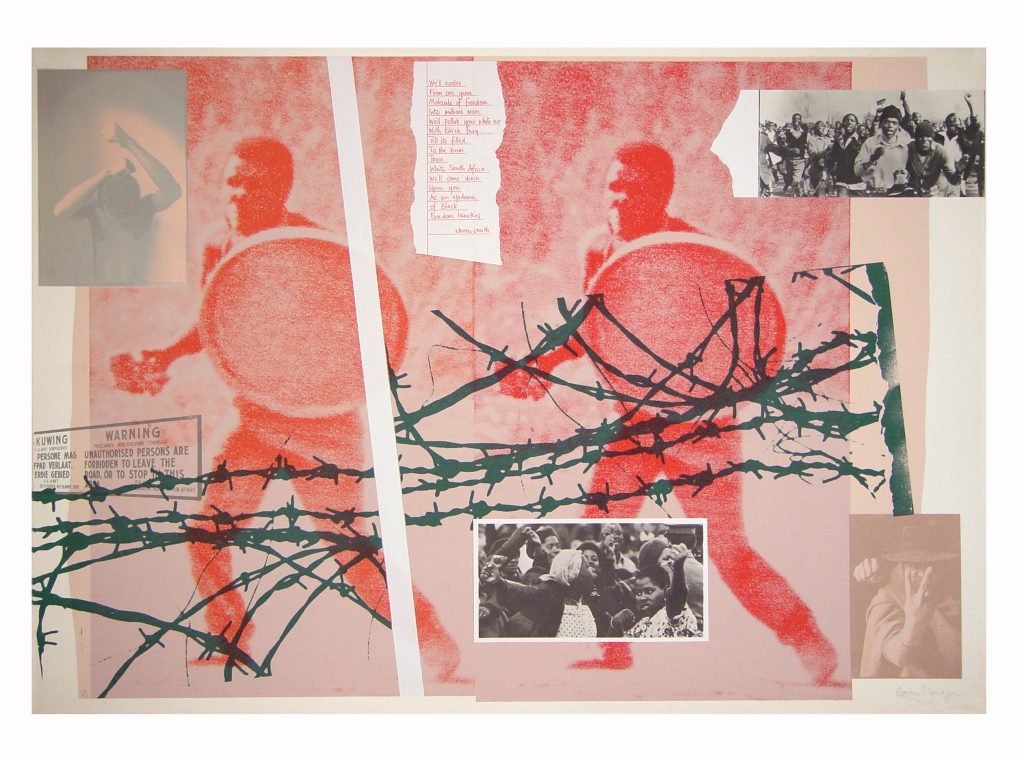
In today’s world, art transcends mere aesthetic pleasure; it serves as a powerful tool for activism. From murals to spoken word poetry, creative expressions can ignite conversations and inspire action. In Nigeria, where social issues abound, artists are harnessing their talents to advocate for change, transforming the landscape of their communities in the process.
Artistic activism manifests through various forms, making it accessible and relatable to a broad audience. Consider these impactful examples:
- Street Art: Vibrant murals in cities like Lagos and Abuja have emerged as canvases for political messages. The striking images often depict figures battling corruption and injustices. For instance, the notorious “EndSARS” movement sparked a wave of mural creations that highlighted police brutality, unifying communities under a common cause and drawing international attention.
- Theatre: Plays are another crucial medium. Productions at the National Theatre in Lagos often take on significant societal themes, such as gender equality and environmental concerns. Theatre groups engage audiences not just through entertainment but by prompting discussions around pressing social issues, allowing spectators to reflect on their own realities.
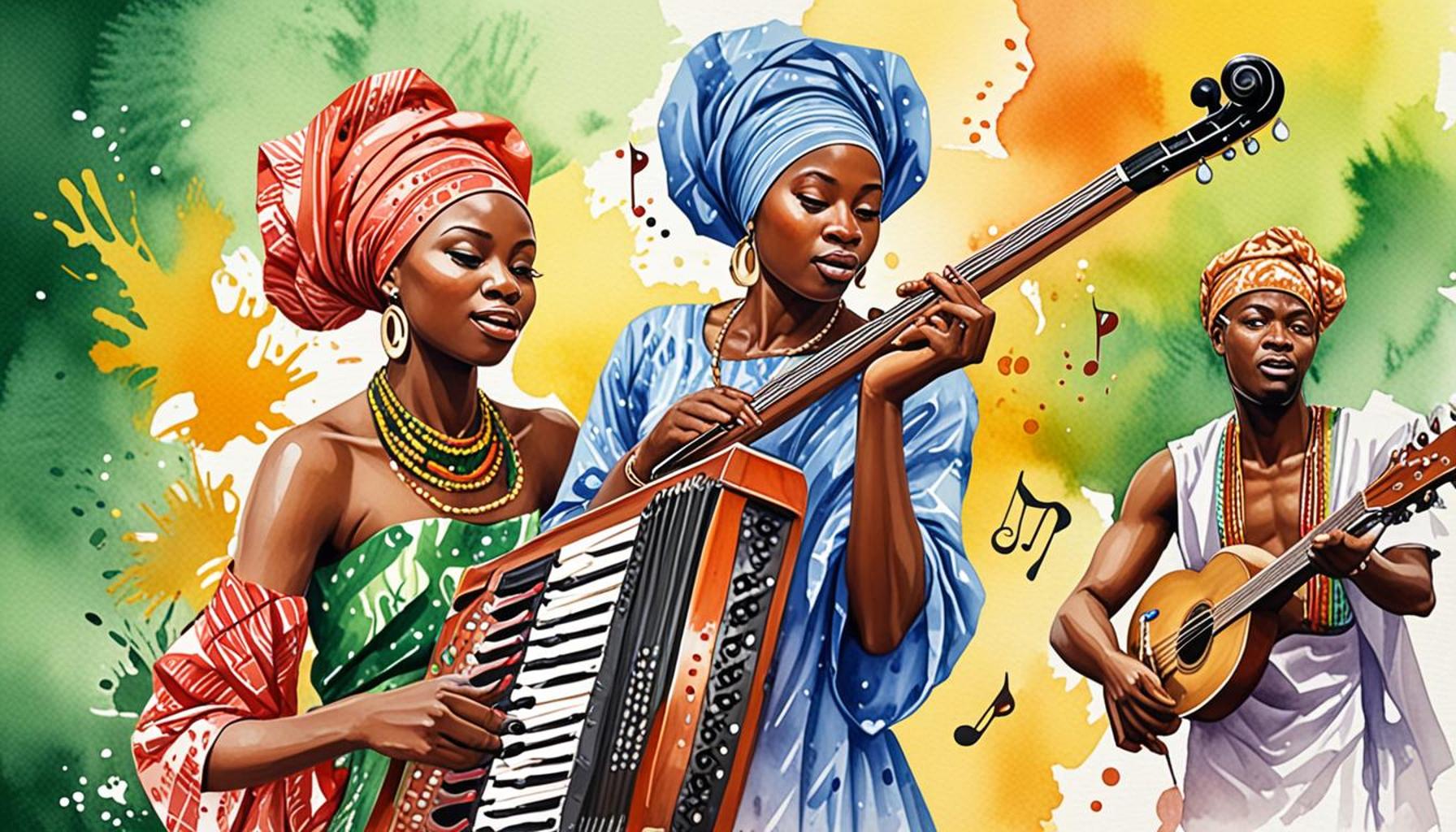
- Music: Genres such as afrobeats and hip-hop serve as a soundtrack for resilience and empowerment. Artists like Fela Kuti and Burna Boy channel their messages of social justice and unity into catchy rhythms, creating a cultural phenomenon that resonates deeply with the youth. The lyrics often tell stories of struggle and hope, motivating young Nigerians to pursue activism in their own lives.
This fusion of creativity and activism not only amplifies voices but also fosters community engagement. As artists speak out on pressing causes, they challenge the status quo and evoke emotional responses. The call to action is clear: through art, individuals can express their beliefs and inspire others to join the fight for social justice.
Engaging with these artistic expressions can enhance our understanding of various movements, making it essential to delve deeper into the interplay between art and activism. For instance, the recent surge in online platforms showcasing Nigerian art provides a global audience access to local narratives. This visibility not only enlightens but also encourages international solidarity with artists and activists in Nigeria.
As we explore this vital connection, we uncover the potential of creativity to drive social change both in Nigeria and beyond. Whether through graffiti on a city wall or lyrics sent viral on social media, art continues to evolve as a catalyst for change, reminding us that each brush stroke, beat, or line of dialogue carries the power to transform society and inspire a new generation of activists.
CHECK OUT: Click here to explore more
Creativity in Action: The Language of Change
The intersection of art and activism has sparked a renaissance in how messages are communicated, propelling significant social movements forward. In Nigeria, the rich tapestry of artistic expression reaffirms the truth that creativity can indeed be a vehicle for advocacy. The power of art lies not only in its ability to entertain but also in its capacity to inform, provoke thought, and mobilize individuals toward communal goals.
Artistic forms such as visual art, music, literature, and performance serve as a voice for the unheard. When artists weave their experiences into their work, they create a dialogue that transcends traditional boundaries. Below are some compelling avenues through which Nigerian artists are articulating their messages:
- Visual Art: From the vibrant colors of Lagos’ street murals to the evocative imagery of contemporary painters, visual art presents a unique method for addressing Nigeria’s complex social issues. Celebrated artists like Nike Davies-Okundaye use their platforms to raise awareness about environmental degradation and women’s rights, turning their canvases into poignant commentaries on societal challenges.
- Spoken Word and Poetry: The art of spoken word has gained traction within Nigeria’s youth culture, becoming an outlet for personal and collective expression. Poets such as Innocent Nwafor powerfully articulate the struggles surrounding corruption and inequality, inviting listeners to share in their emotional journeys. Such performances often ignite fierce discussions and encourage others to voice their own narratives.
- Film and Documentaries: Cinema in Nigeria has evolved beyond entertainment to include serious explorations of social themes. Filmmakers like Kunle Afolayan are crafting narratives that delve into the heart of topical issues, such as the impact of political unrest and the quest for justice. Their films resonate with younger audiences, instigating a need for awareness and change.
These artistic expressions not only entertain but also forge connections within communities. By activating emotional responses, art serves as a clarion call, urging individuals to engage with injustices that may otherwise go unnoticed. The use of art as activism opens up pathways for conversation, allowing for collective healing and empowerment.
Moreover, in the digital age, platforms like social media amplify the reach of these artistic endeavors. Young creators are able to share their work globally, generating solidarity and support that transcend geographical borders. The accessibility of art online has encouraged a new wave of communication, making the struggles faced by Nigerian communities visible to the world.
As we delve deeper into the symbiotic relationship between art and activism, it becomes evident that creative expressions foster not only awareness but also action. The conversations initiated through art can lead to tangible change, inviting a generation to engage actively in the ongoing quest for justice. In doing so, art is not simply an outlet for creativity; it becomes a fundamental component in the fabric of activism, encouraging people to reshape their destinies through the power of their voices.
| Advantage | Description |
|---|---|
| Amplifying Voices | Art provides a unique platform to amplify marginalized voices, allowing artists to communicate pressing social issues in a compelling manner. |
| Creating Empathy | Through visual storytelling and emotional expression, art fosters empathy and understanding of diverse perspectives and experiences. |
| Engagement and Awareness | Art captures attention in a crowded media landscape, raising awareness for social causes and encouraging engagement among various demographics. |
| Inspiring Action | Art has the power to inspire individuals to take action, be it through protest, donations, or community involvement. |
In the realm of activism, art serves not just as decoration but as a form of protest and resilience. From street murals that challenge political corruption to powerful photography that highlights social injustice, creative expressions galvanize support and spark conversations. When you witness a poignant piece of art, it encourages deeper reflection on societal issues. Furthermore, through exhibitions, performances, and public installations, art opens dialogue in unexpected spaces, prompting engagement from individuals who might otherwise overlook pressing concerns. In essence, art becomes a catalyst for change, merging creativity with civic responsibility in ways that resonate uniquely with audiences. By expressing diverse narratives, it cultivates a shared sense of urgency and collective action against societal challenges.
LEARN MORE: This related article may interest you
Art and Community Engagement: Building Bridges Through Creativity
Art, in its multifaceted forms, has become a powerful conduit for fostering community engagement and bridging gaps within Nigerian society. As an instrument for activism, it brings individuals together around shared experiences, promoting not only awareness of social injustices but also collective action towards addressing them. The integration of art into community initiatives encourages inclusivity, allowing marginalized voices to resonate more strongly.
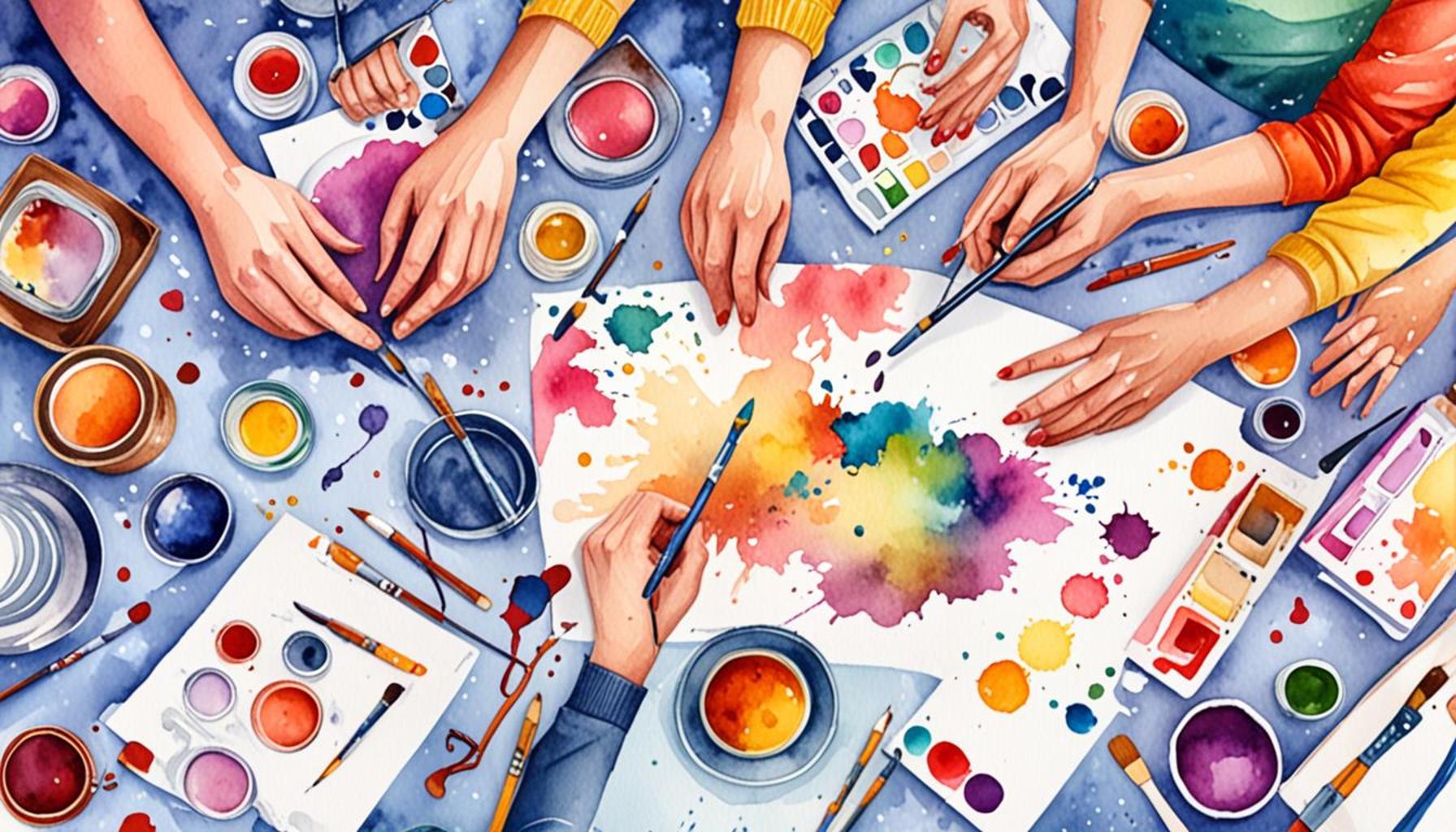
One powerful example of this is seen in the rise of community art projects that focus on themes pertinent to local experiences. These grassroots efforts provide platforms for community members to express their stories, grievances, and resilience. Initiatives like Art for Social Change challenge participants to visualize and articulate the social issues they face daily. By participating in workshops and collaborative exhibits, residents can reclaim narratives often silenced in mainstream discourse. This participatory model not only democratizes artistic expression but also cultivates a sense of belonging and shared responsibility.
Moreover, the role of music cannot be overstated as a form of activism in Nigeria. Songs often serve as rallying cries for particular movements—think of the impactful lyrics generated during the #EndSARS protests, where musicians like Falz and Runtown used their platforms to articulate the frustrations of the youth. These anthems carry deep emotional resonance, motivating listeners to take a stand and advocate for change. The infectious rhythms and relatable lyrics have the power to transform fleeting sentiments into sustained action, igniting both local and international attention.
In addition, the significance of theater as a medium for social critique has gained traction across Nigeria. Performers utilize stage plays to address pressing societal enigmas, ranging from gender inequality to systemic corruption. Companies such as Awkward Conversations engage audiences in thought-provoking narratives that highlight marginalized perspectives. Their dramatic presentations not only entertain but also stimulate dialogue and self-reflection, providing a holistic approach to understanding complex social issues.
Art also plays a vital role in mobilizing international support for national causes. With the proliferation of social media, Nigerian artists are not just speaking to their countrymen; they are also garnering global audiences. Artworks featuring themes like climate change, poverty, and human rights violations have garnered international attention. This global outreach expands the significance of local struggles, attracting humanitarian aid and broader conversations around activism. Platforms like Instagram and Twitter have helped encapsulate these urgent messages in art, making them easily shareable and engaging a larger audience.
Furthermore, collaborations between artists and activists have proven inherently beneficial. By pooling resources and expertise, initiatives such as #ArtAgainstCorruption capitalize on the strengths of both sectors to craft compelling narratives that challenge injustices. These collaborations facilitate workshops, exhibitions, and campaign events, which inspire both creative expression and action. As a result, activism fuelled by art creates holistic, community-driven approaches that can effectively address various societal issues.
The transformative power of art within activism continues to unfold across Nigeria, reinforcing the idea that creativity and community action can drive change. As each brush stroke, lyric, or performance unfolds, it binds individuals to a shared purpose, effectively positioning art as not merely an aesthetic pursuit but a vital ingredient in the ongoing struggle for social justice.
ADDITIONAL INSIGHTS: Expand your understanding here
Conclusion: The Enduring Impact of Art in Activism
In conclusion, the role of art as a tool for activism is undeniably profound and multifaceted, especially within the context of Nigeria’s vibrant cultural landscape. Through various mediums—be it painting, music, theater, or community art projects—creative expression has emerged as a formidable force that amplifies voices, challenges societal norms, and inspires collective action. The examples cited throughout this exploration illustrate how artists are not merely creators but also activists who harness their craft to address pressing social issues such as corruption, human rights violations, and gender inequality.
The intersection of creativity and activism encourages communities to engage in dialogue, fostering an environment where diverse narratives can flourish. Initiatives like Art for Social Change and collaborations such as #ArtAgainstCorruption exemplify how strategic partnerships can lead to significant social impact, reinforcing the belief that art transcends aesthetics and serves a larger purpose. Furthermore, with the rise of digital platforms like Instagram and Twitter, the global reach of Nigerian art has the potential to reshape conversations on a wider scale, inviting international solidarity and support.
As we move forward, it is crucial to recognize that art possesses the transformative power to ignite change and mobilize communities. It encourages individuals to reflect, express, and act, ultimately lending a vital voice to the ongoing struggle for justice. In nurturing this synergy between art and activism, we pave the way for not only a more inclusive society but also one that values creativity as a cornerstone of progress. The journey of activism through art is ongoing, and its possibilities are limited only by our imagination.