Art as a Form of Therapy: Creative Practices to Overcome Personal and Social Challenges
The Power of Art in Healing
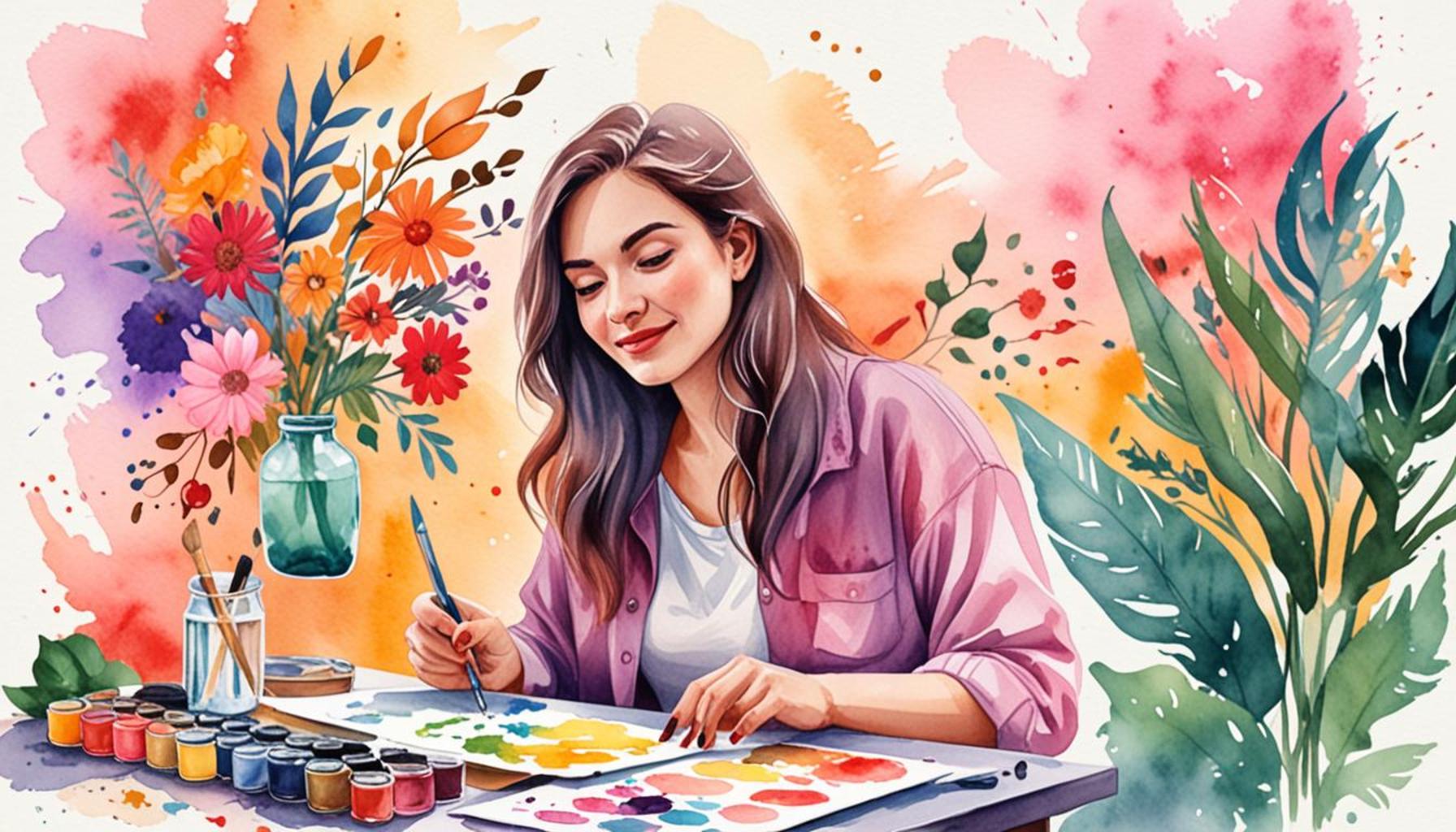
In today’s fast-paced world, the transformative power of art is becoming increasingly recognized as a vital tool for healing. Art therapy can be a profound method that opens the door to emotional expression and personal growth. By engaging in creative practices, individuals can explore their feelings and confront the challenges that life presents, leading to significant healing and improved mental well-being.
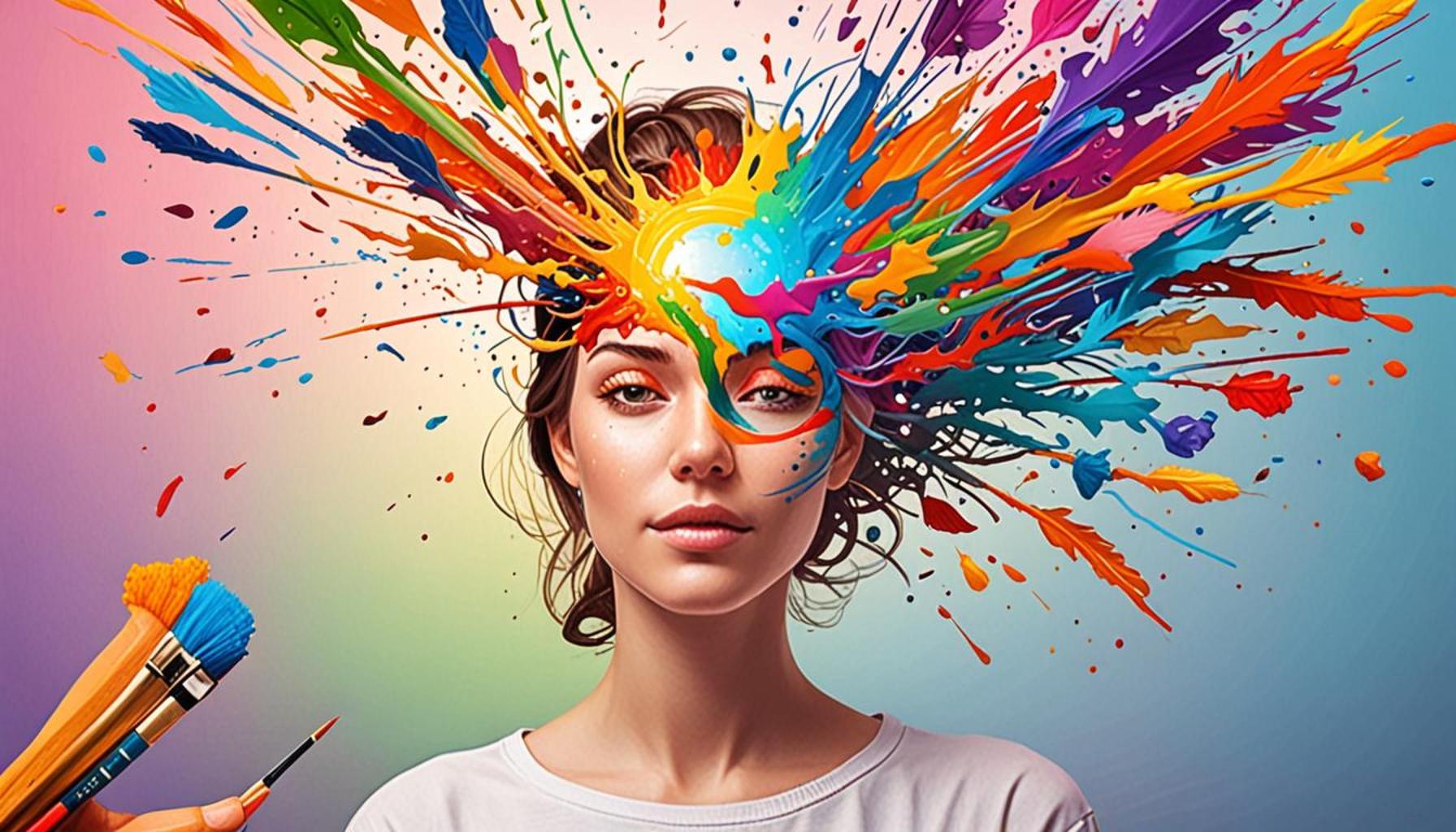
- Emotional Release: Art provides a safe space to express and navigate complex emotions. For instance, someone who has experienced trauma may find solace in painting their feelings on a canvas, using colors and shapes to express pain that words cannot capture. This form of emotional release not only fosters healing but also helps to validate individual experiences.
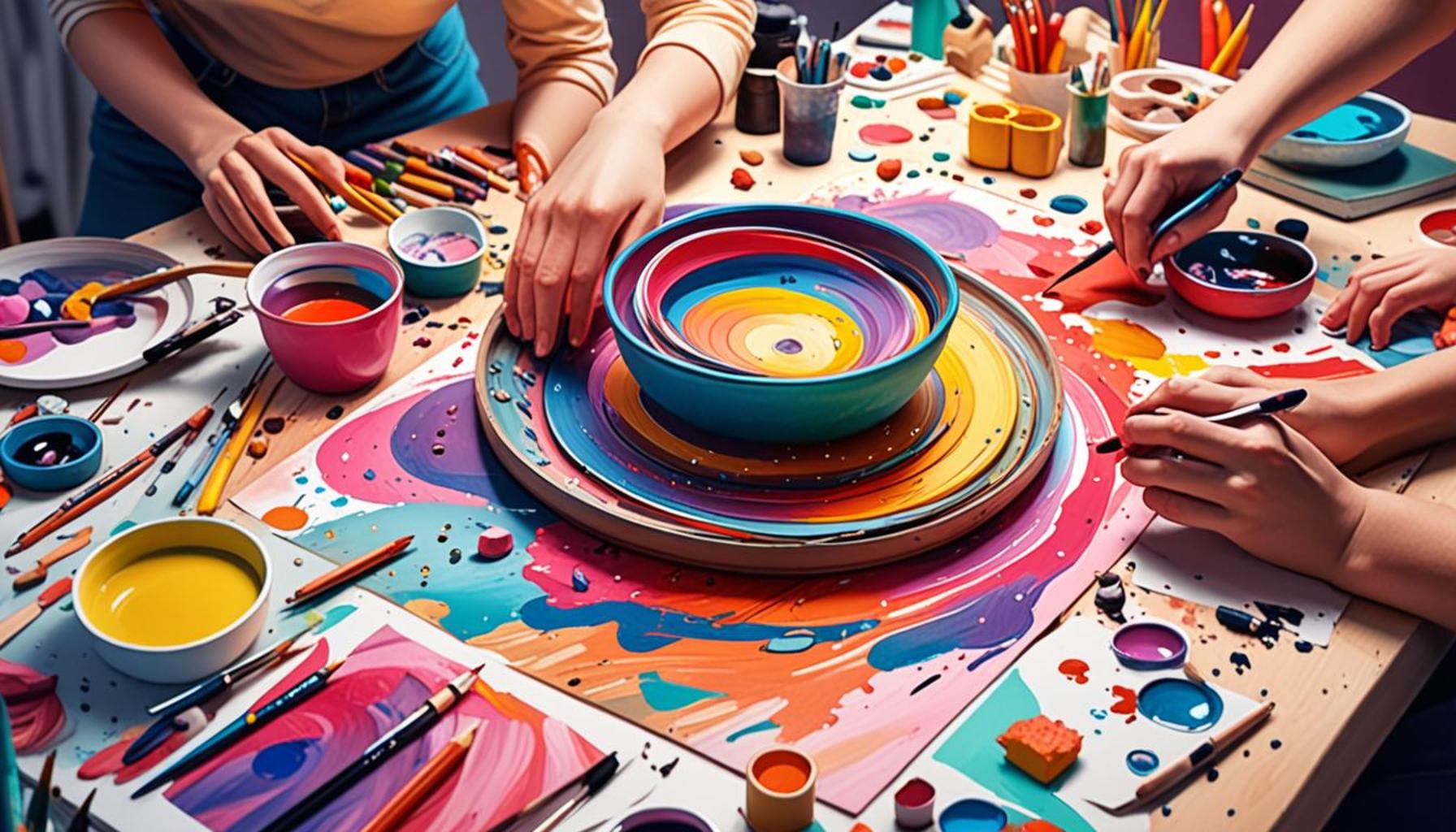
- Social Connection: Collaborative art projects foster community and support networks. In Nigerian communities, initiatives like group mural painting invite participants to work together and share their stories through collective art. This not only builds strong relationships among community members but also counters feelings of isolation that enhance mental health challenges.
- Self-Discovery: Creative practices help individuals uncover hidden thoughts and feelings. For many, journaling through art can illuminate subconscious issues and desires. By freely expressing their creativity, individuals may discover new aspects of themselves they were previously unaware of, paving the way toward personal growth.
In Nigeria, where societal challenges such as poverty, instability, and mental health stigma can be pronounced, art therapy offers unique ways to address these issues. Programs designed to facilitate creative expression can provide a much-needed outlet for youth grappling with the aftermath of conflict or families facing socio-economic struggles. Initiatives like community murals or expressive workshops empower individuals, allowing them to reclaim their narratives and promote healing through creativity.
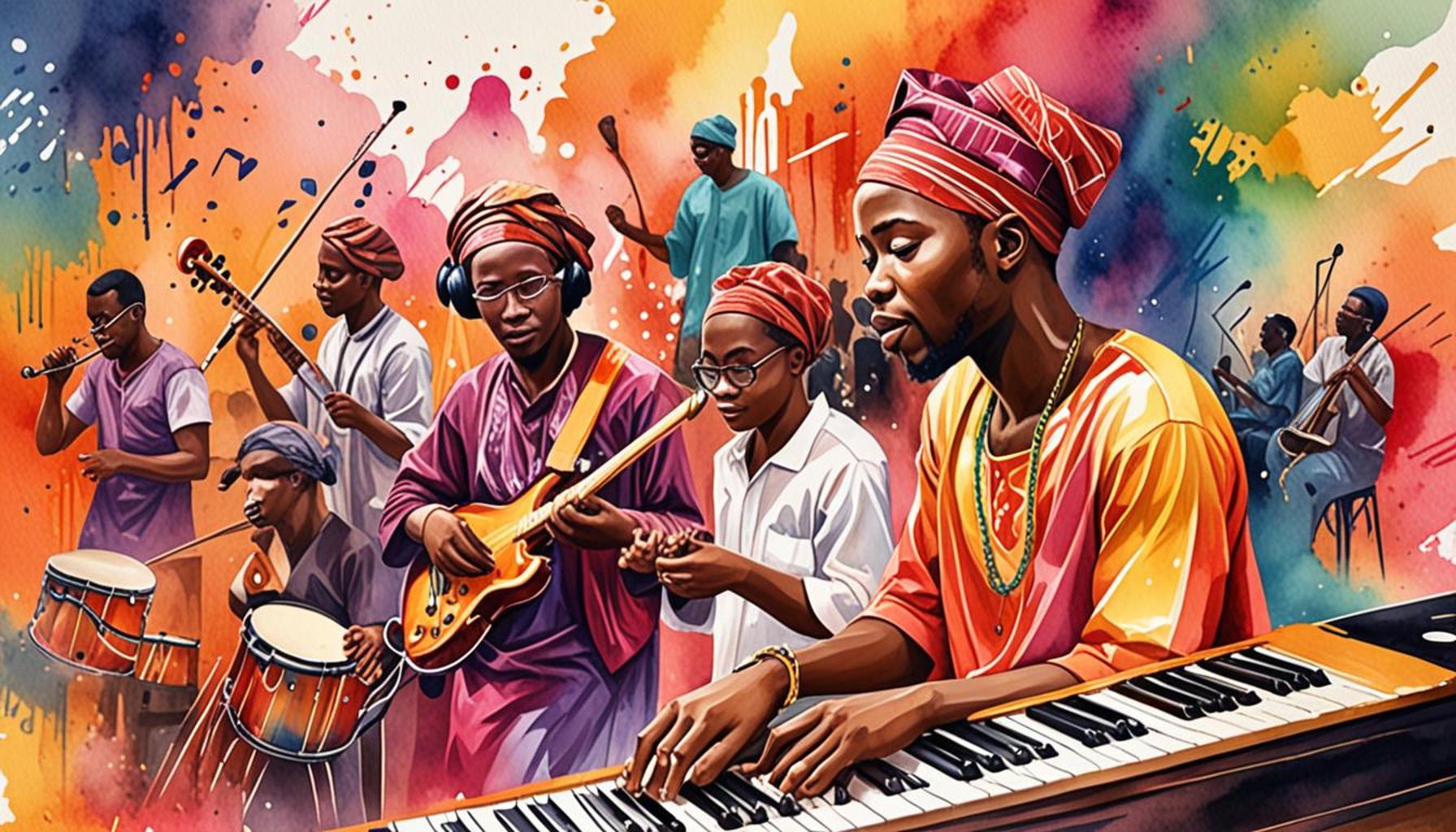
Moreover, by delving into various artistic forms—such as painting, dance, drama, and music—many in Nigeria have found effective outlets for coping with stress and anxiety. Traditional art forms, like the vibrant rhythms of drumming or the storytelling through dance, serve as therapeutic mechanisms that link the past to the present, fostering a sense of identity and belonging.
This article will explore the role of art as a therapeutic mechanism and highlight creative practices that can aid in overcoming both personal hurdles and collective challenges. As society embraces the richness of artistic expression, the healing journey can be shared and amplified, ultimately leading to a stronger, more resilient community.
RECOMMENDED: Check out this similar article

Creative Pathways to Wellness
Art as a form of therapy stands out not just for its innovative practices but also for the numerous benefits it provides to those willing to engage with creative expression. In Nigeria, where diverse cultures and rich traditions intersect, artistic forms can serve as a bridge to overcome personal and social challenges. This therapeutic avenue allows individuals to externalize their innermost thoughts and feelings while fostering community resilience.
One of the most evident benefits of engaging with art as therapy is the promotion of mental health. Many individuals experience mental health issues, whether stemming from societal pressures or personal struggles. Participating in artistic endeavors can significantly alleviate feelings of anxiety and depression. For instance, group art therapy sessions, where participants share their creative works, foster a supportive environment where individuals can feel validated and understood. This supportive interaction can dismantle the stigma often attached to mental health issues in many Nigerian communities, encouraging open dialogue and acceptance.
- Healing Through Expression: Whether it’s through painting, sculpting, or crafting, the act of creating can help channel emotions into a tangible form. For many, the process itself can be more important than the final product, serving as a cathartic release that leads to emotional clarity.
- Exploration of Cultural Identity: Artistic practices allow individuals to explore their cultural heritage. Through traditional art forms, such as Osun-Osogbo festivals, individuals can reconnect with their roots, providing a sense of belonging and strengthening community ties.
- Building Resilience: The act of creating promotes a sense of accomplishment and mastery. Completing an artwork can boost self-esteem, enabling individuals to face their challenges with renewed strength and resilience. This is particularly vital in regions affected by conflict or economic hardship.
Furthermore, art as therapy can play a vital role in intervention programs aimed at youth in urban centers like Lagos and Abuja. Initiatives that integrate creative practices into education can provide vital emotional support, helping to reduce dropout rates and promote mental wellness among young people. Through creative workshops, children can learn to express their thoughts and feelings, fostering a culture of empathy and understanding from a young age.
The employment of art therapy in schools can not only address individual mental health challenges but cultivate a supportive community environment. By creating opportunities for self-expression, students can learn to appreciate their differences and find common ground with their peers. Such initiatives are crucial in a society striving to nurture the next generation while addressing the historical and ongoing challenges faced by many.
As Nigeria continues to confront various personal and social challenges, the integration of art in therapeutic practices emerges as a beacon of hope. By leveraging the power of creativity, communities can ensure that healing is not just sought individually, but collectively celebrated. The potential for art to transform lives cannot be understated as exploration in this field expands, promising a brighter future for all.
| Advantages | Description |
|---|---|
| Emotional Expression | Engaging in art allows individuals to express feelings that may be difficult to articulate verbally, creating a safe outlet for emotions. |
| Enhanced Self-Esteem | Participating in creative practices can boost confidence as individuals realize their abilities and appreciate the uniqueness of their creations. |
| Social Connection | Group art therapy fosters connections among participants, encouraging collaboration and reducing feelings of isolation. |
| Cognitive Benefits | Creative practices enhance cognitive functioning and problem-solving skills, offering participants new ways to process information and develop critical thinking. |
Art as a therapeutic tool harnesses profound psychological benefits that extend beyond self-expression. By actively engaging in creative endeavors, individuals address personal struggles and societal challenges in innovative ways. For example, studies indicate that participants in art therapy often experience reduced symptoms of anxiety and depression. This form of therapy has gained recognition across various settings, from clinical environments to community outreach programs.Moreover, art as therapy encourages the integration of mind and body, promoting mindfulness through focused creativity. Activities such as painting or sculpting demand concentration, allowing individuals to immerse themselves in the moment. This practice not only elevates mood but also helps individuals confront and transform their challenges into meaningful experiences. By exploring their thoughts and feelings through artistic expression, participants can gain insight into their circumstances, leading to personal growth and renewed resilience.The importance of artistic engagement in mental health is underscored by numerous organizations advocating for creative therapies. This growing perspective suggests that integrating artistic methods in therapeutic practices can significantly improve the well-being of those facing various emotional and social battles.
CHECK OUT: Click here to explore more
Transformative Art Initiatives in Nigeria
The exploration of art as therapy transcends the mere act of creating; it extends into profound initiatives that are making waves in Nigerian society. Numerous organizations and community projects are implementing innovative art programs aimed at addressing both personal and social challenges. These initiatives demonstrate the practical applications of art in healing, empowerment, and social change.
One remarkable example is the Visual Art Sessions for Trauma Recovery offered by various non-governmental organizations. Such sessions specifically cater to survivors of violence and domestic abuse, providing a safe space for individuals to reconstruct their narratives. Participants utilize painting, drawing, and mixed media art to express their emotions and experiences, allowing them to confront their trauma creatively. According to recent studies, engaging in these creative outlets has been linked to significant reductions in post-traumatic stress symptoms, reinforcing the notion that art can act as a therapeutic ally.
- Community Engagement: Art therapy promotes social cohesion. Through community murals and collaborative art projects, individuals from diverse backgrounds can come together to embody their shared experiences, fostering a sense of unity. Such initiatives not only beautify communities but also serve as a reminder of collective resilience.
- Empowering Women: Programs focusing on female artists are emerging as a pivotal aspect of art therapy in Nigeria. Women from marginalized communities often engage in textile arts, such as traditional weaving or beadwork, to create pieces that reflect their personal stories. These initiatives not only provide economic opportunities but also empower women to break free from societal constraints, all while engaging in healing practices.
Moreover, as technology increasingly permeates daily life, digital art therapy has also gained traction as an alternative therapeutic practice. Online workshops allow participants to create art in a virtual environment, opening access for individuals in remote areas who may otherwise lack local resources. This digital format has proven particularly engaging for the youth, incorporating modern platforms to reach a demographic that thrives in a digital age. The use of photography, graphic design, and animation not only enables personal expression but also connects teenagers with their peers in meaningful ways.
Art and Holistic Development
The impact of art therapy extends beyond individual expression to encompass broader community and national dialogues. As Nigeria grapples with issues like poverty, political unrest, and health crises, artistic expressions can serve as tools for advocacy and awareness. For example, art campaigns addressing public health issues, such as malaria or maternal health, utilize striking visuals and narratives to communicate critical information. These campaigns leverage art to convey messages that resonate culturally, bridging gaps in traditional communication methods and thereby enhancing understanding among community members.
The collaboration between local artists and healthcare practitioners exemplifies the potential of art therapy as a holistic approach to community health. By integrating artistic methods into healthcare practices, communities can encourage a dialogue around preventive measures and well-being in a more engaging manner. This partnership not only addresses immediate health concerns but also nurtures a culture of creativity that enhances overall quality of life.
As projects expand and more people recognize the significance of art as a form of therapy, the opportunities for transformative healing increase. In a country rich with cultural narratives and artistic expressions, harnessing creativity through therapeutic practices stands to revolutionize personal and collective experiences, making art not simply a reaction to adversity, but a proactive pathway to resilience and growth.
YOU MAY ALSO LIKE: Read read another article
Conclusion: The Power of Art as Therapy
In conclusion, the multifaceted approach of art as therapy underscores its vital role in nurturing both individual and societal healing in Nigeria. The various transformative initiatives explored demonstrate that the creative process serves not only as a personal refuge but also as a communal catalyst for change. By integrating artistic expression into the healing journey, survivors of trauma gain an empowering outlet through which they can reclaim their narratives and actively engage with their emotions.
Furthermore, the promotion of community engagement through collaborative projects fosters an environment of unity and resilience, transcending the divides that often plague society. Such endeavors not only enhance cultural heritage and artistic appreciation but also create opportunities for dialogue around pressing issues, from mental health to social justice. As seen through the empowerment of women and the rise of digital art therapy, the evolution of art in therapeutic contexts is embracing diverse platforms and demographics, redefining access and inclusivity in creative expressions.
As Nigeria continues to navigate complex challenges, the integration of art into well-being practices emerges as a promising avenue for building resilience. Artistic initiatives serve as a beacon of hope, advocating for awareness and healing amidst adversity. By harnessing the transformative power of creativity, communities can work together to foster a culture of healing that celebrates both individual growth and collective strength, proving that art is not merely a response to hardship but a vital pathway to a healthier and more connected society.